
Vintage Hall Seat
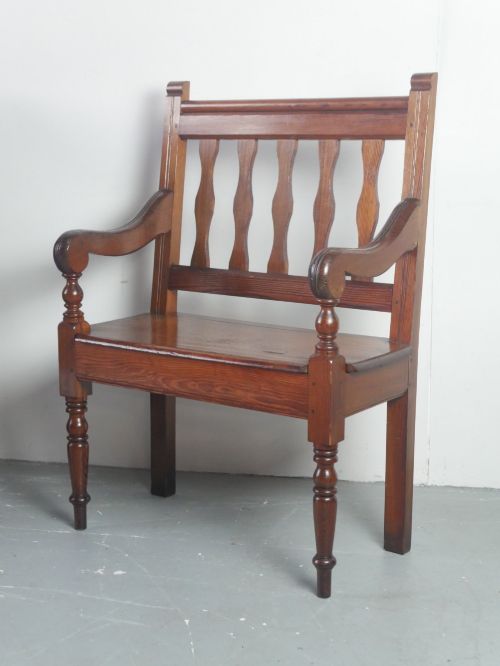
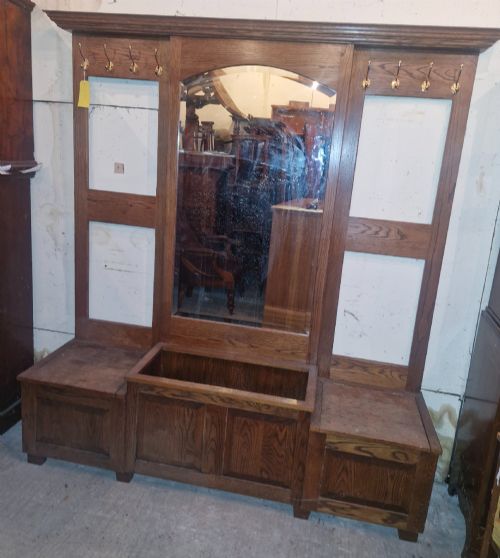
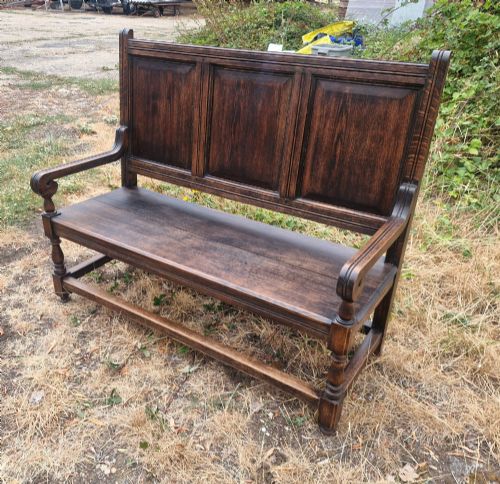
A vintage hall seat welcomes visitors with sturdy timber and practical storage, serving as a functional anchor in an entranceway.
Vintage Hall Seat
A vintage hall seat combines practical seating with entryway storage, often appearing as a bench, settle, or box seat designed for hallways and reception rooms. The pieces gathered under this phrase draw from periods spanning the nineteenth century through the early twentieth century, incorporating Victorian, Edwardian, and Regency examples.
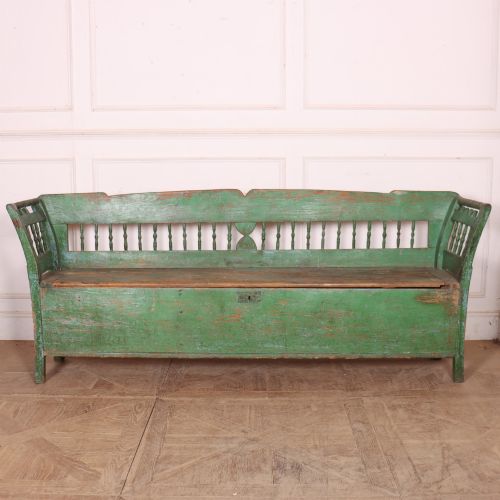
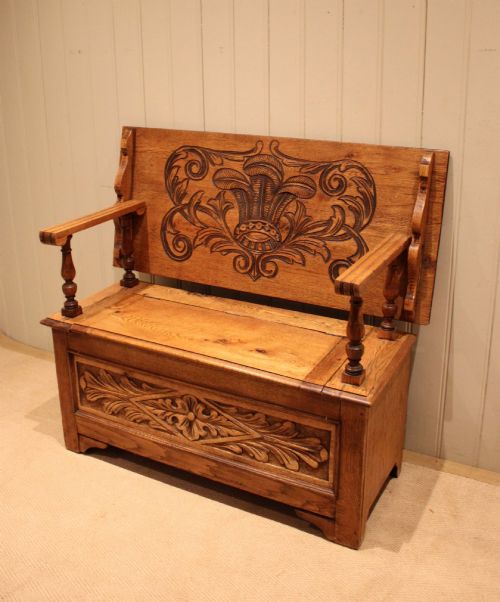
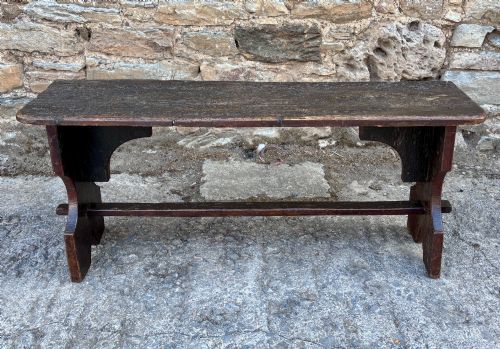
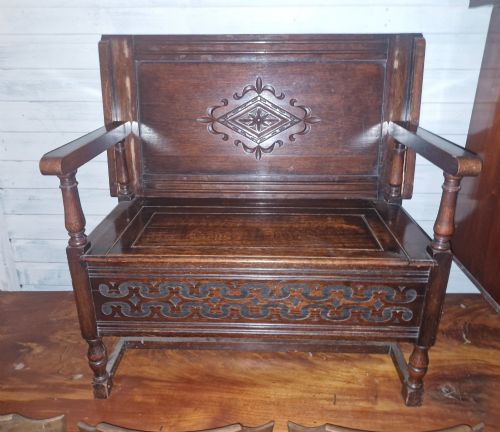
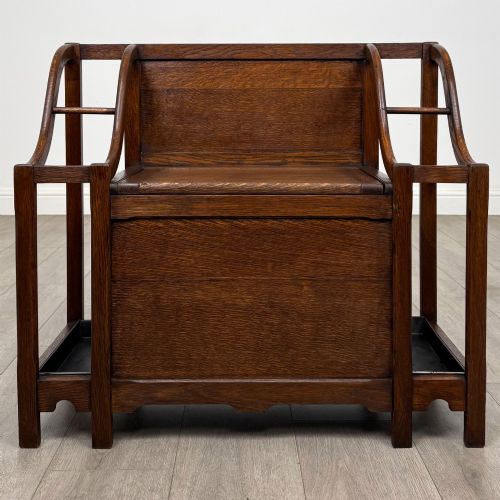
Buyers are most likely to encounter oak benches and panelled seats featuring lift-up lids or integrated stick stands. These items originate from English, French, and Austrian workshops, reflecting both formal revival styles and simpler rustic country traditions.
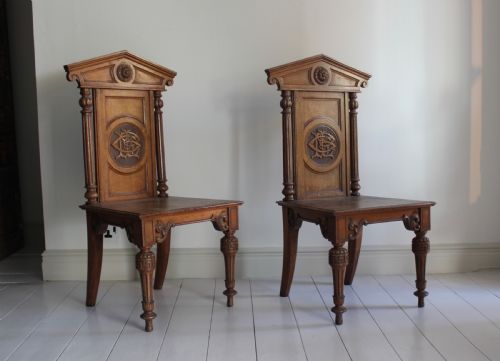
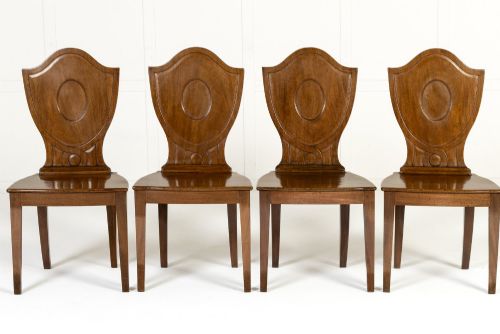
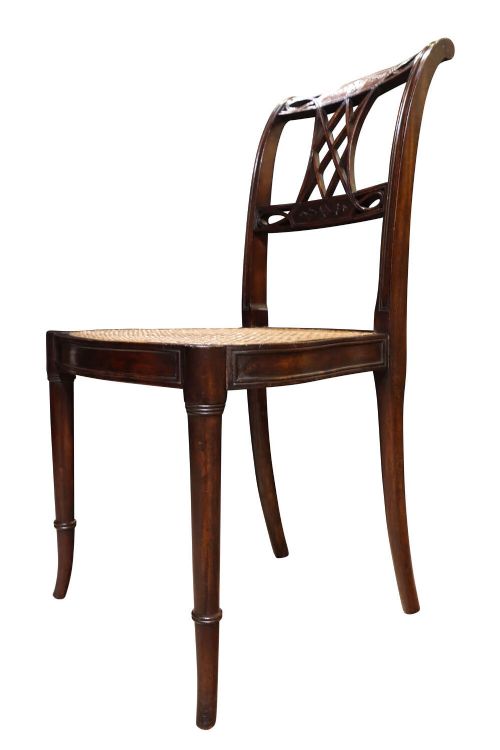
Alongside dedicated benches, the selection includes hall chairs and multi-functional stands that served similar duties in historic domestic interiors. Each format addresses the enduring requirement for an organised threshold space where outdoor garments and footwear are managed.
Materials and construction methods
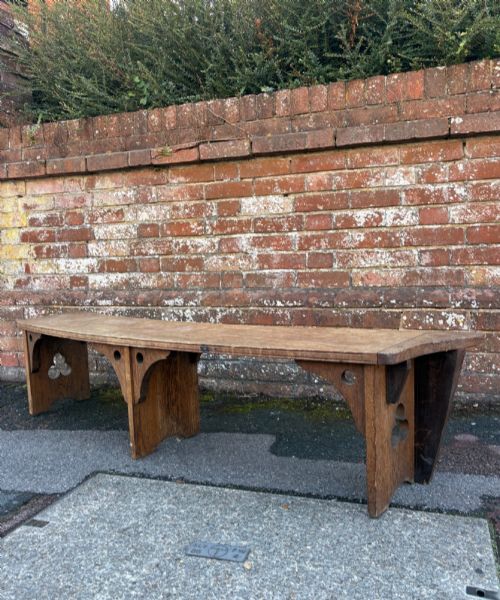
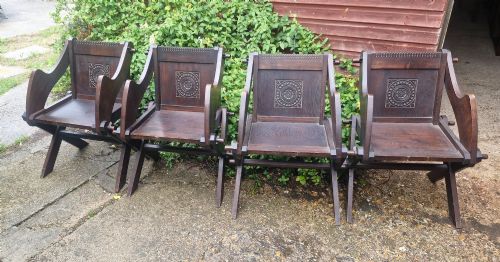
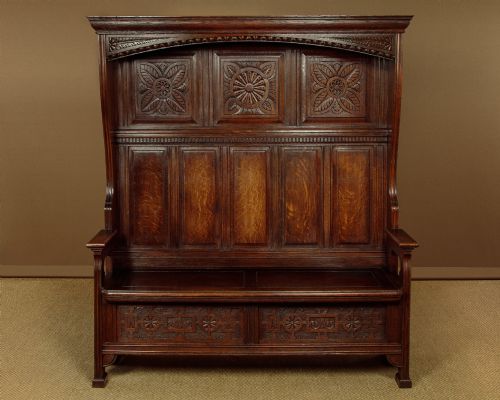
Solid oak, pine, and mahogany provide the structural foundation for these pieces, shaped through traditional joinery including panel construction and mortise and tenon joints. Carved details, linenfold panels, and trefoil supports appear across Gothic Revival and Jacobean Revival specimens.
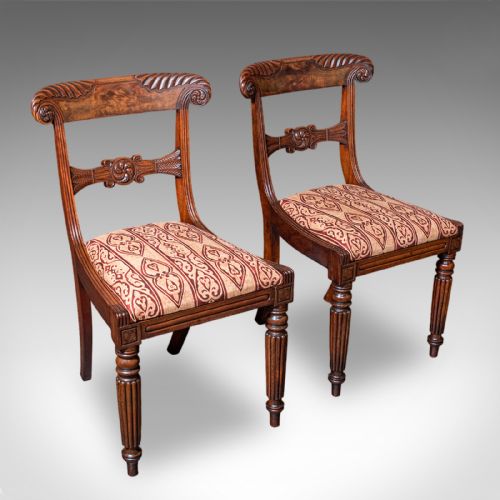
Secondary materials such as cane, brass, and fabric accent the primary timbers, appearing in chair seats and umbrella retainers. Painted finishes and ebonised treatments also surface, demonstrating how workshops adapted timber surfaces to suit shifting aesthetic tastes.
Stylistic influences span Gothic Revival, Jacobean Revival, and rustic country traditions, demonstrating diverse approaches to domestic hallway furniture.
Distinctions in construction and design
Quality separates pieces through the selection of timber and the precision of hand-carved ornamentation. Heavier, dense oak formations with integrated box storage or canopy tops represent more ambitious cabinet-making than simpler plank-built benches.
The integrity of original hinges, panel joints, and turned supports dictates the structural success of a piece. Finer examples retain balanced proportions and crisp decorative carving without relying on heavy restoration or replacement elements.
Liberty
The Vintage Hall Seat Glossary
- Settle
- A wooden bench with a high back, solid arms, and often a storage box beneath the seat. This form protected sitters from draughts in corridors and great halls.
- Cassapanca
- An Italian chest-bench featuring a backrest and armrests, combining a storage chest with a seat. These substantial furnishings frequently display carved walnut and panelled construction.
- Gothic Revival
- An architectural and decorative style inspired by medieval forms, characterised by pointed arches, trefoils, and heavy timber construction. Pieces in this style often echo ecclesiastical furniture design.
- Trefoil
- A graphic ornament composed of three overlapping rings or leaf-shaped lobes. Craftsmen carved this motif into chair backs and bench supports during the Gothic and Arts and Crafts movements.
- Trestle
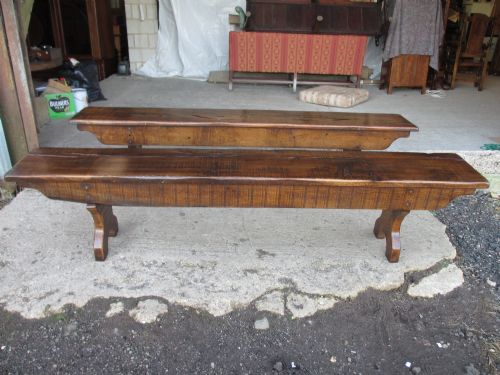
- A structural support consisting of a horizontal beam fixed to two splayed legs. This arrangement appears beneath heavy oak benches and long tables.
Vintage Hall Seat: Frequently Asked Questions
How were vintage hall seats used?
These pieces sat in entrance halls and vestibules to provide a place to sit while putting on or removing boots. Many included hidden compartments beneath the hinged seat or compartments for walking sticks and umbrellas.
In larger houses, they furnished reception areas and waiting rooms for visitors. Their solid construction handled the heavy daily traffic of a busy household threshold.
Where should I place a hall seat?
An entryway or mudroom offers the most authentic context, allowing the seat to perform its original function of organising outdoor accessories. They also work well along wide corridors or landings where narrow furniture is required.
Because many versions incorporate storage beneath the lid, they help conceal everyday clutter while providing useful surface space.
How do I care for antique timber?
Keep wooden furniture away from direct heat sources and radiators to prevent the timber from splitting or warping over time. Regular dusting with a soft, dry cloth protects the polished surface without building up residue.
Applying a traditional beeswax occasionally helps nourish older oak and mahogany surfaces. Avoid commercial liquid polishes that contain silicone, which can damage historic finishes.
How can I tell Victorian from Edwardian pieces?
Victorian examples tend to feature darker, heavier timbers with elaborate carving and heavier proportions, drawing heavily on Gothic and Jacobean revival idioms. They reflect a nineteenth-century taste for substantial, decorative room furniture.
Edwardian pieces often display lighter golden oak or inlaid mahogany, reflecting a shift toward brighter, less cluttered interior spaces. Proportions became slightly more refined as the twentieth century approached.