
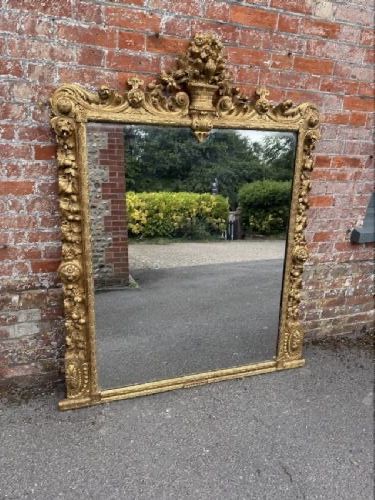
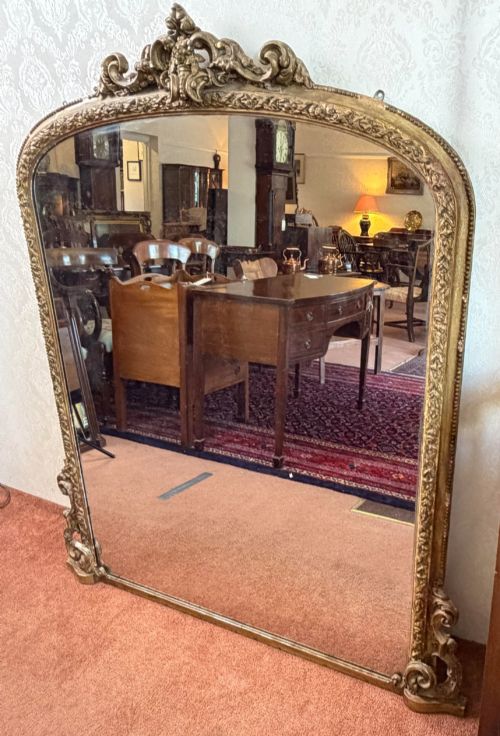
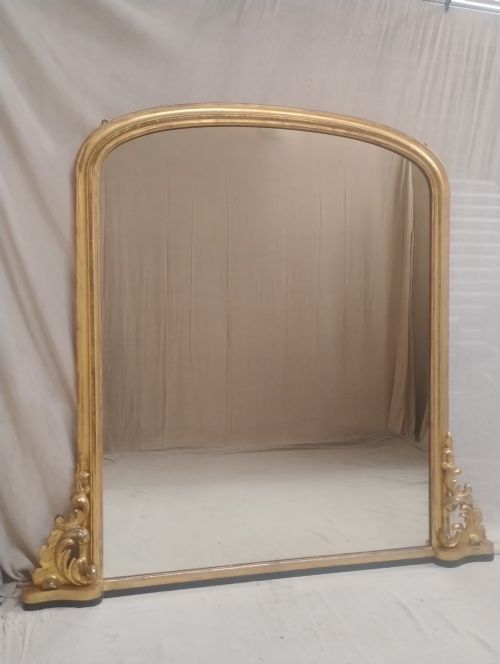
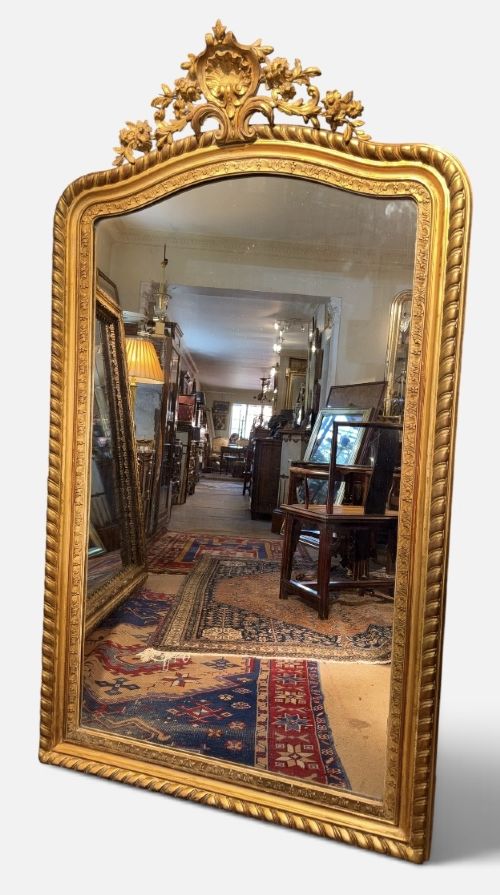

Ornate Carved Mantel Mirror
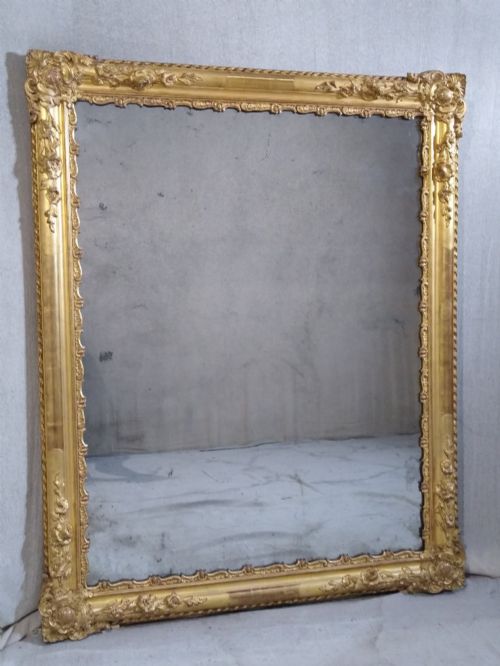
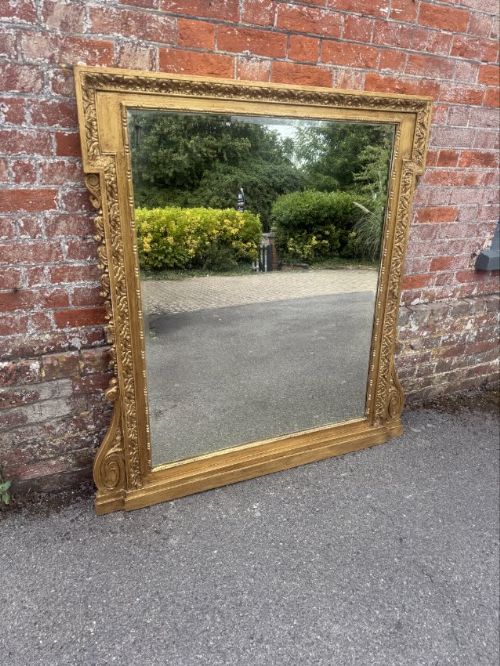
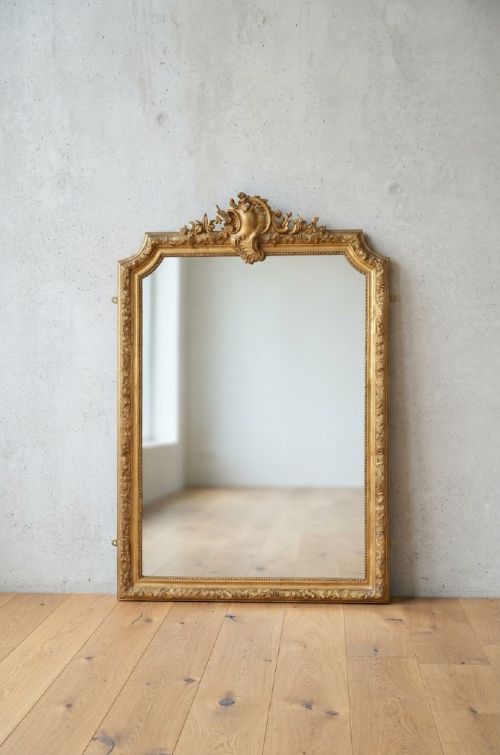
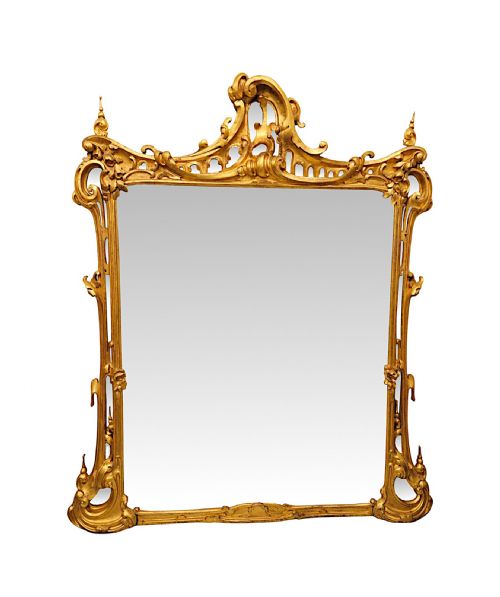
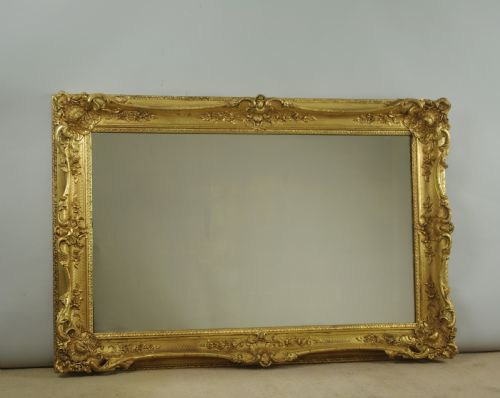
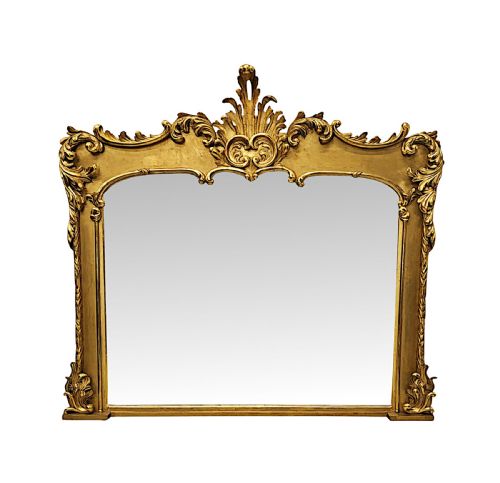
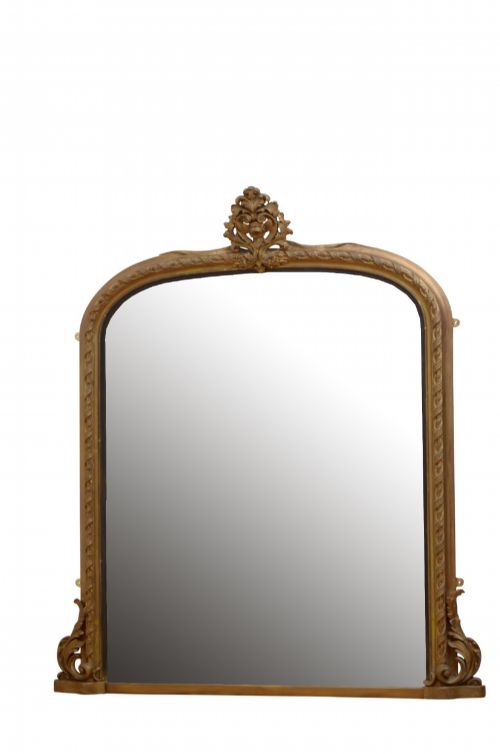
An ornate carved mantel mirror brings scale and reflected light to a room, most commonly seen here as a large nineteenth-century giltwood overmantel.
Ornate Carved Mantel Mirror
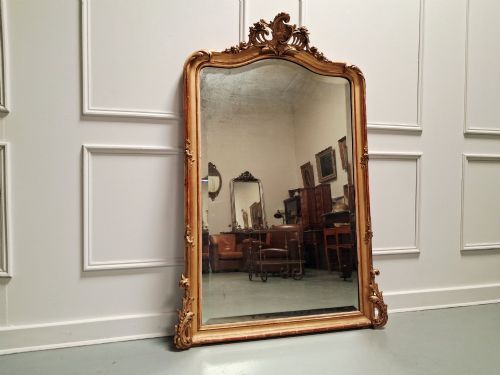
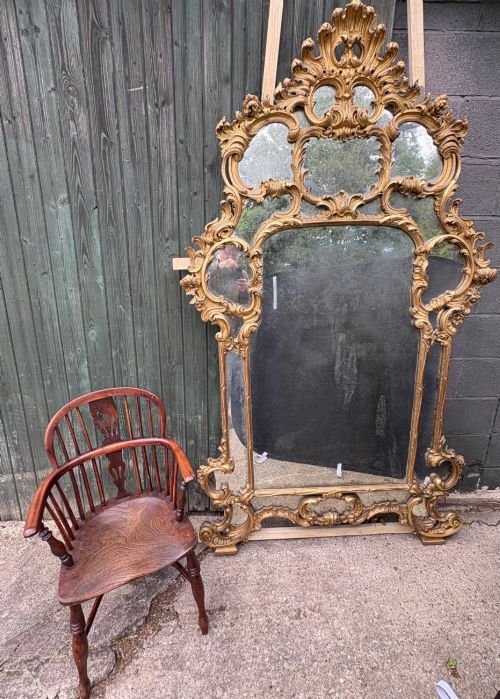
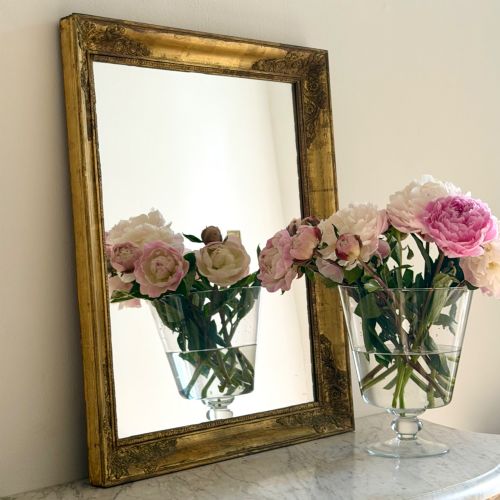
When you search for an ornate carved mantel mirror, you are looking at large wall-hanging or overmantel looking glasses designed to sit above a fireplace hearth. The versions you are most likely to meet on this page hail from the nineteenth century, taking the form of substantial English and French pieces with heavy gilded frames.
These forms span stylistic revivals such as French Rococo, Louis Philippe, and Chinese Chippendale, alongside Victorian interpretations with arched or shaped tops. Oak, walnut, and mahogany also appear in the selection alongside the dominant gilded finishes, offering both grand architectural presence and domestic warmth.
How they were made
Carved wood frames provide the foundational structure for these mirrors, shaped from timber before receiving decorative ornament. Carvers worked directly into the wood for crisp lines, or applied composition moulding over wooden substrates to build up elaborate relief details.
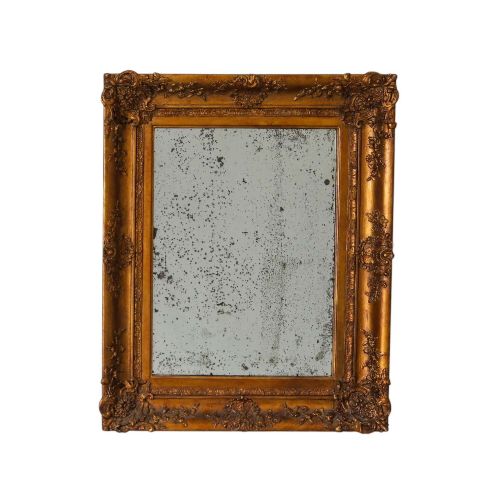
Gilding completes the surface, employing gold leaf or oil gilt applied over layers of gesso to achieve a reflective metallic sheen. Mirror glass plates are set within these frames, sometimes showing age through foxing on the reflective surface.
Foxed glass plates catch the light with mottled charm, holding onto centuries of reflections from quiet country houses.
What varies in quality
The distinction between standard examples and top-tier pieces rests on the depth and hand-carving of the wooden ornament rather than moulded composition alone. Crisp undercut foliage and well-defined scrolling motifs demonstrate superior craftsmanship from the workshop.
Originality of the components also dictates standing, particularly whether the mirror glass plate remains period to the frame and how well the original gilding survives beneath subsequent cleaning or patination.
The Ornate Carved Mantel Mirror Glossary
- Gesso
- A plaster-like preparation mixture used as a smooth base for gilding on wood frames. It allows intricate decorative details to be modelled before applying gold leaf.
- Giltwood
- Timber that has been coated with gold leaf or metallic paint. This finish creates the bright, reflective appearance characteristic of formal period looking glasses.
- Overmantel Mirror
- A large mirror specifically proportioned to hang on the wall directly above a mantelpiece. These pieces often feature horizontal emphasis or arched tops to fill the chimney breast.
- Foxing
- Small dark spots and discolouration appearing within the mirror glass plate over time. It results from the degradation of the silvering backing due to age and moisture.
- Rococo Revival
- A nineteenth-century design style emulating the asymmetrical curves and organic scrollwork of the eighteenth century. It heavily influences many of the ornate frames seen here.
Ornate Carved Mantel Mirror: Frequently Asked Questions
Where should I hang an overmantel mirror?
An overmantel mirror is traditionally positioned on the chimney breast directly above the fireplace mantel. This placement allows the glass to reflect light from windows across the room.
Ensure the wall fixings match the substantial weight of carved wood and gesso frames. Secure the mirror safely to wall studs or masonry rather than relying on standard picture hooks.
How do I identify a Victorian mirror?
Victorian mirrors often display heavy proportions, substantial gesso ornamentation, and deep swept frames. Stylistic cues include Rococo Revival scrollwork and arched wooden crests.
Examine the construction of the wooden backboards and fixings for period indicators. Nineteenth-century examples commonly feature thick timber framing and older mirror plates with slight imperfections.
What is foxing on a mirror?
Foxing refers to the natural ageing spots that develop on antique mirror glass over decades. Moisture and chemical changes behind the glass cause the silver backing to mottle.
Many collectors appreciate foxing as evidence of genuine age. It creates a soft, cloudy reflection rather than the uniform clarity of modern glass.
How do I clean an antique giltwood frame?
Dust giltwood frames gently using a very soft, dry brush to protect delicate gesso and gold leaf. Avoid liquid cleaners and harsh chemicals that strip the metallic finish.
Take care around carved scrollwork and applied composition ornaments. Professional conservation is recommended if the gilding shows signs of flaking or active loss.