


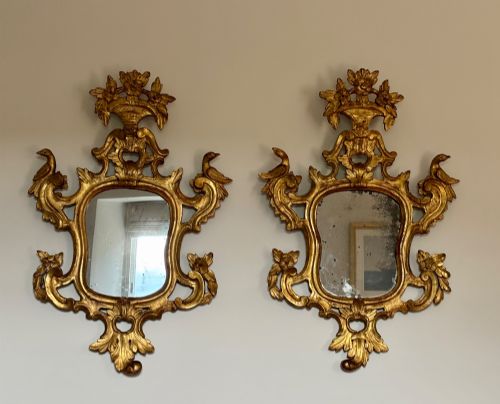
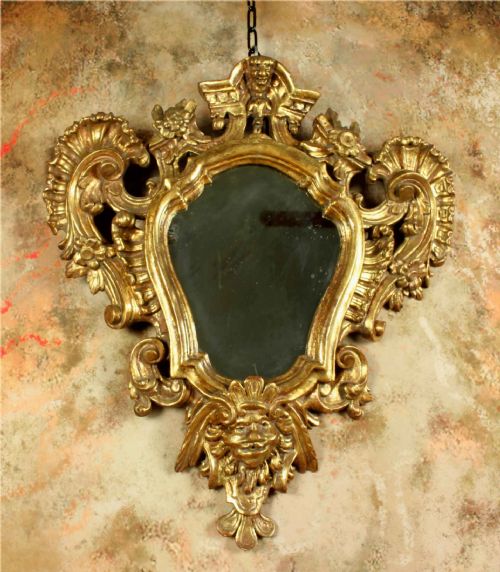
Ornate Carved Hanging Mirror
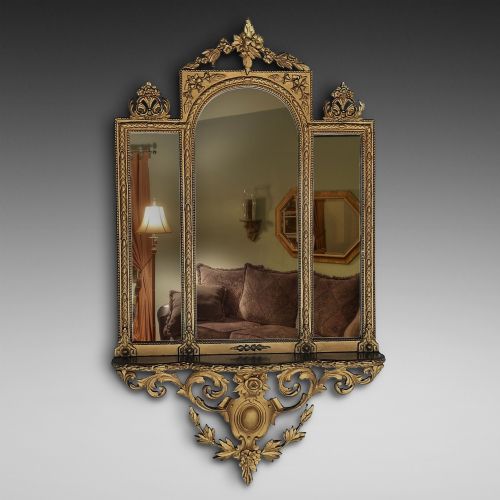
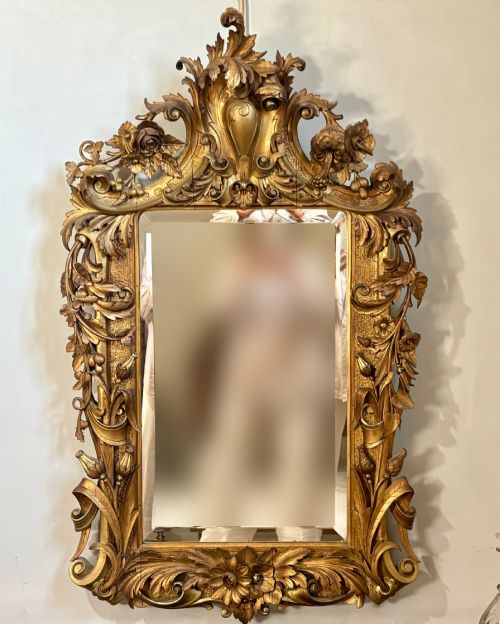
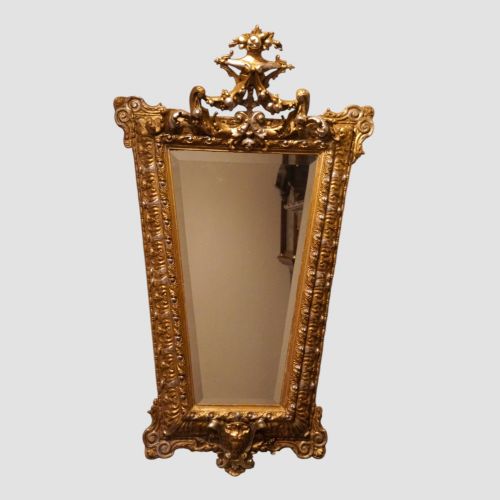
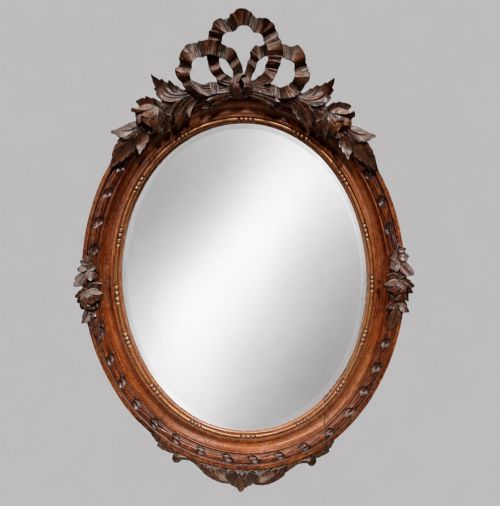
An ornate carved hanging mirror brings depth and reflective light to a room through lavish woodwork and gilded surfaces.
Ornate Carved Hanging Mirror
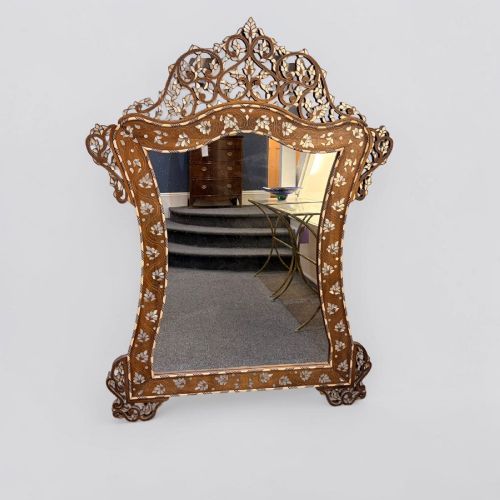
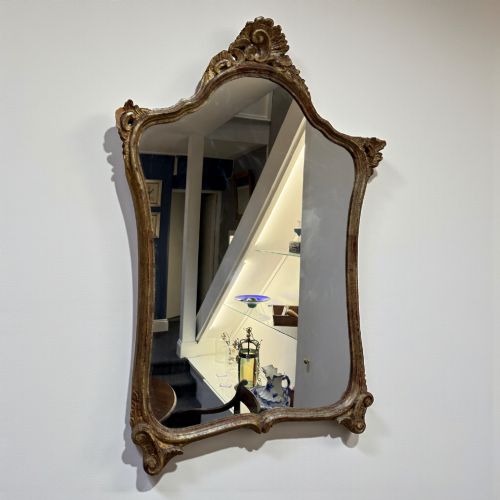
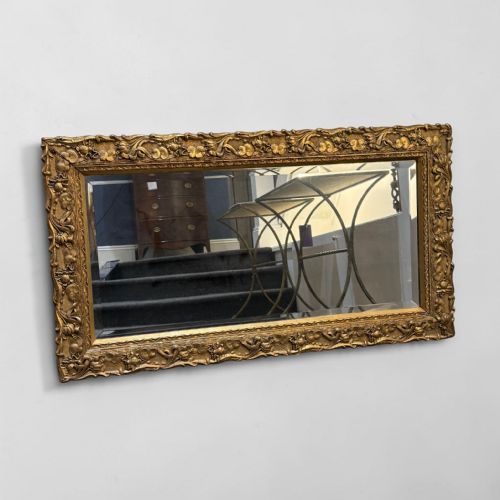
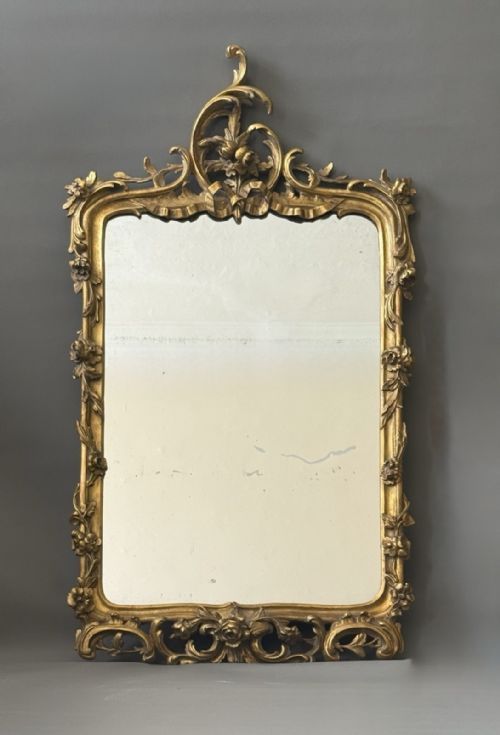
An ornate carved hanging mirror encompasses wall-mounted glass panels set into elaborate frames of wood, giltwood, and gesso. You will most frequently encounter nineteenth-century pieces bearing the rich scrolls and asymmetrical motifs of the Rococo Revival style.
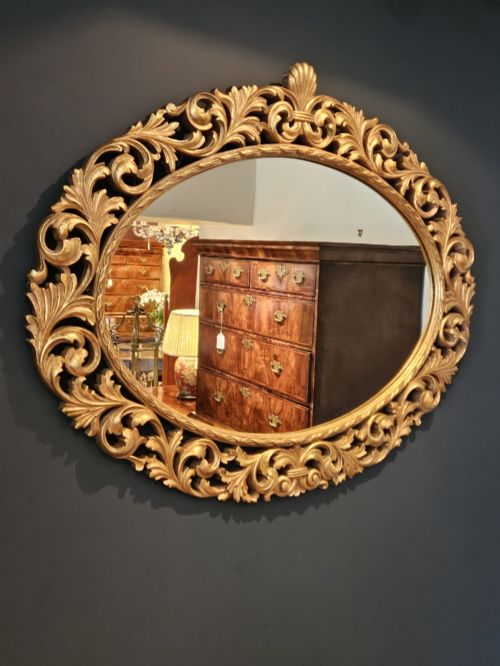
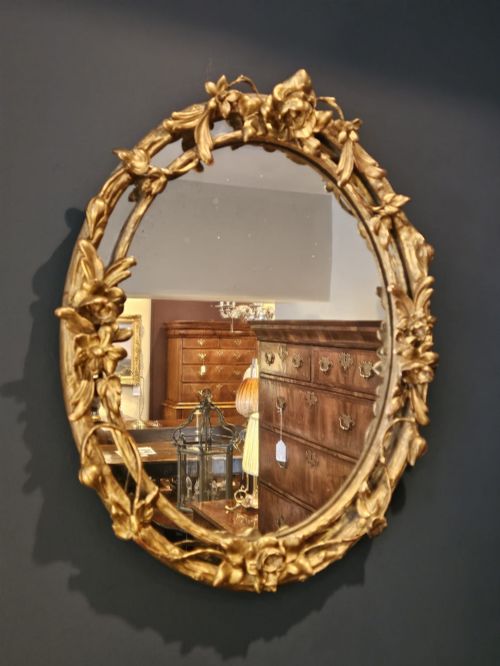
Many examples draw on French and Italian design traditions, taking rectangular, oval, or trapezoidal shapes designed to hang securely upon principal reception room walls. Alongside these, you find eighteenth-century originals and early twentieth-century interpretations echoing Baroque and Chippendale aesthetics.
The selection ranges from intimate dressing mirrors to imposing, large-scale Italian and French wall plates framed in deeply carved timber and composition ornament.
Materials and Construction
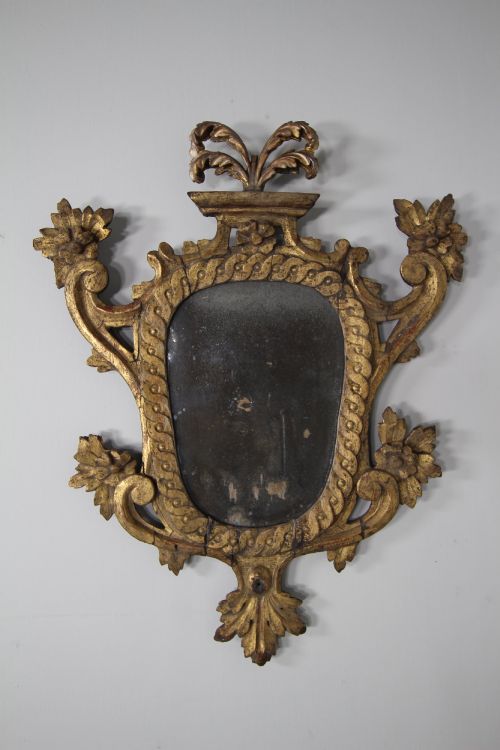
Frames rely on carved wood, limewood, oak, or timber foundations built to support heavy glass plates. Artisans applied layers of gesso over the carved wooden base to build up high-relief scrolls, floral garlands, and decorative masks before gilding.
Gilding techniques involve applying gold leaf or silver-gilt directly onto the prepared gesso surfaces to achieve a luminous, light-reflecting finish. Many pieces incorporate antique mirror plates, sometimes featuring hand-engraved details or subtle foxing accumulated over the decades.
The inventory spans the seventeenth century through to the early twentieth century, with a strong emphasis on Victorian revivals.
Defining Quality
The integration of the frame with its original mercury or antique plate glass determines the integrity of the piece. Master craftsmen ensured that heavy timber frames joined cleanly at the corners, allowing the gesso and gold leaf to age uniformly across the entire structure.
The Ornate Carved Hanging Mirror Glossary
- Giltwood
- Wood that has been coated with gold leaf. This finish creates a warm, metallic sheen that catches interior candlelight and daylight alike.
- Gesso
- A plaster-like mixture applied to wood frames. Craftsmen carve and mould this material to create intricate relief decoration before applying gold leaf.
- Antique Plate
- Older mirror glass produced by traditional methods. It often displays subtle surface imperfections, minor clouding, and soft reflection qualities.
- Composition
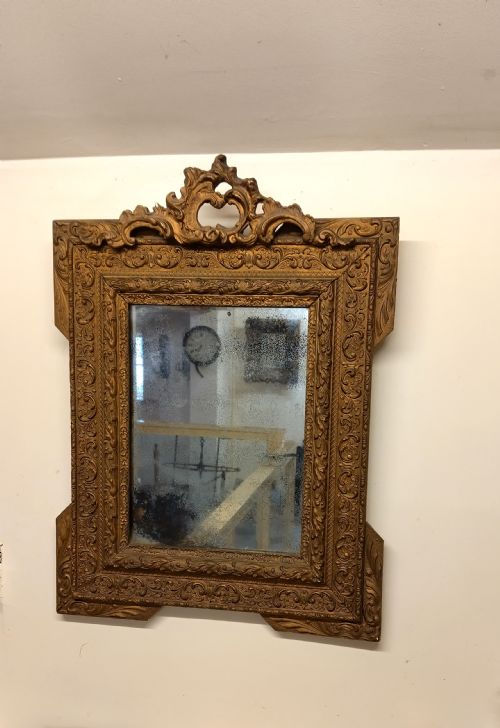
- A moulded mixture of whiting, resin, and glue pressed into decorative ornaments. It serves as a cost-effective alternative to deep hand-carving on secondary frame areas.
Ornate Carved Hanging Mirror: Frequently Asked Questions
How do I hang a heavy carved mirror safely?
Heavy carved wall mirrors require professional wall fixings secured directly into brickwork or sturdy wall studs. Use heavy-duty mirror brackets or a French cleat system designed to distribute the substantial weight evenly.
Avoid hanging large gilt frames from single picture hooks or picture wire alone. Ensure the hanging hardware is screwed firmly into the wooden frame structure rather than the decorative gesso composition.
Where should I place a large wall mirror?
Positioning a wall mirror opposite a window maximises natural light distribution and creates an illusion of greater spatial depth. They sit particularly well above mantelpieces, console tables, or in hallways as a focal point.
Keep the centre of the glass at approximately eye level for balanced visual impact. Ensure surrounding furniture proportions complement the scale of the frame.
How do I distinguish nineteenth-century mirrors from earlier pieces?
Nineteenth-century revival pieces often utilise composition ornaments alongside hand-carved wood to speed up production. Eighteenth-century originals generally feature entirely hand-carved wooden frames with distinct tool marks visible on the reverse.
Examine the construction joints, backing boards, and screws where present. Older pieces frequently show hand-cut fixings and aged timber shrinkage that differs from later machine-made components.