
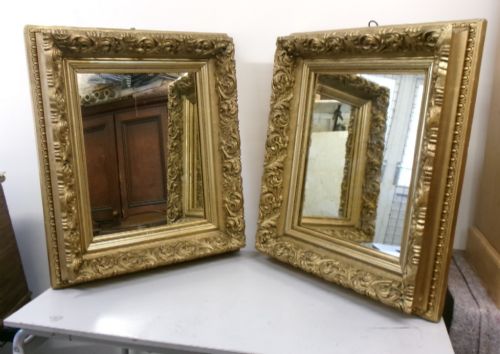

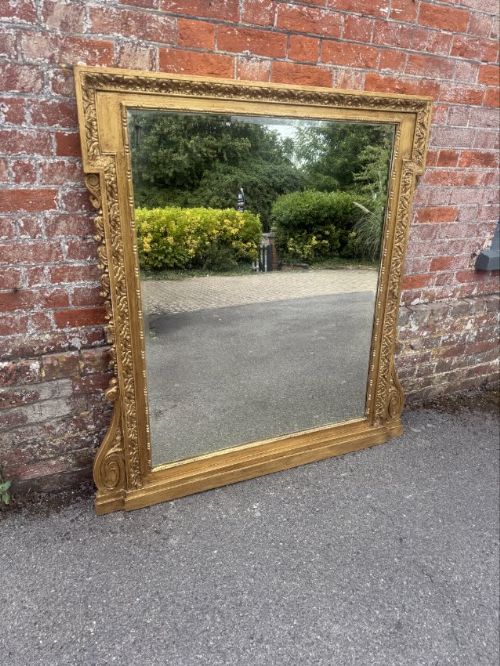
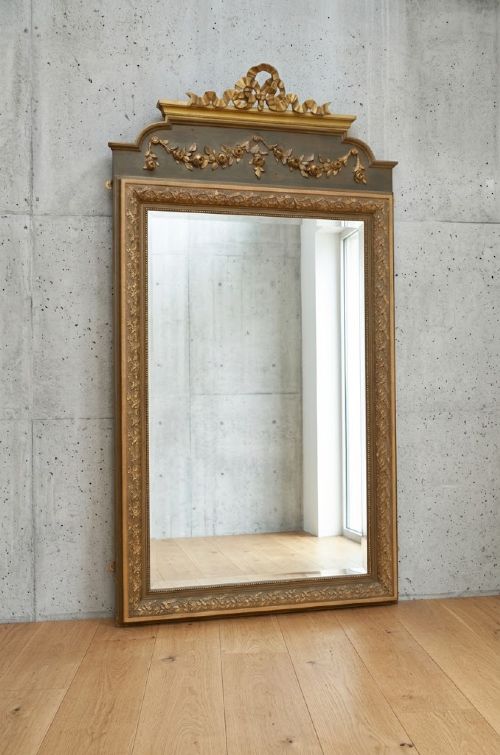
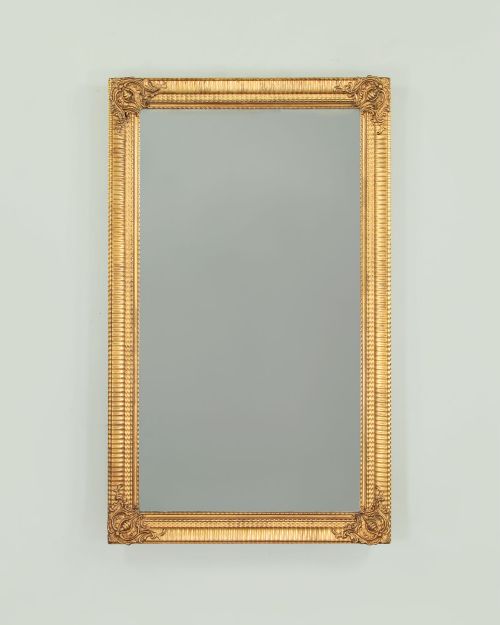
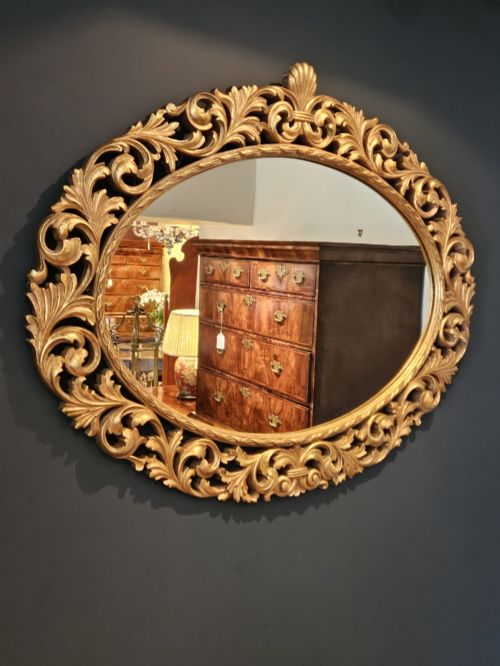
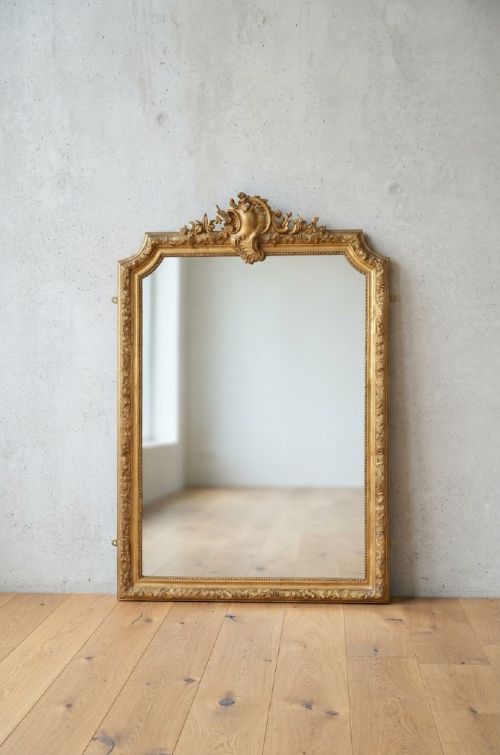
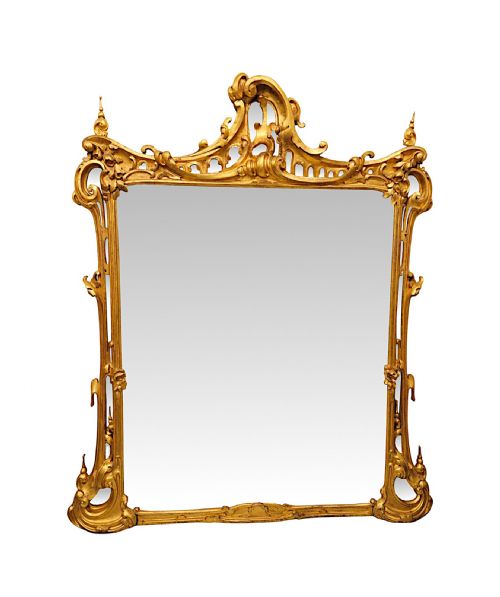
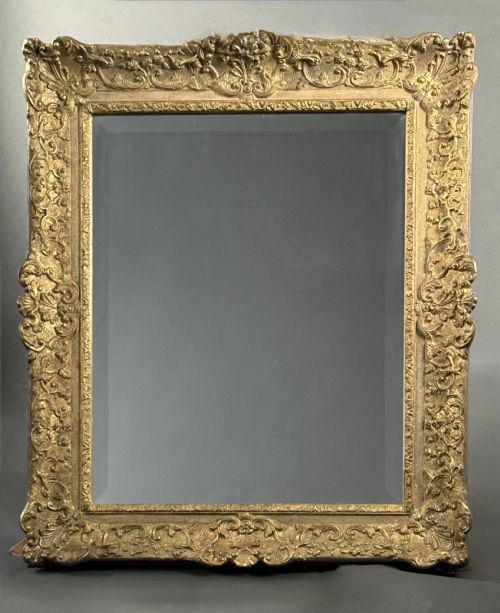
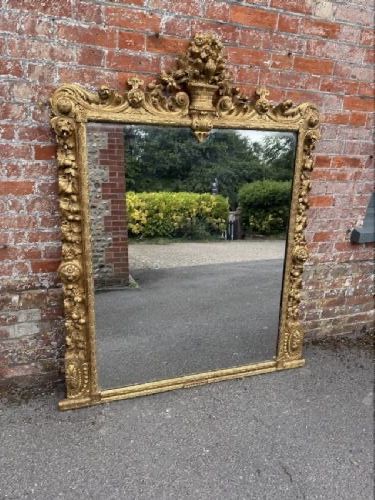
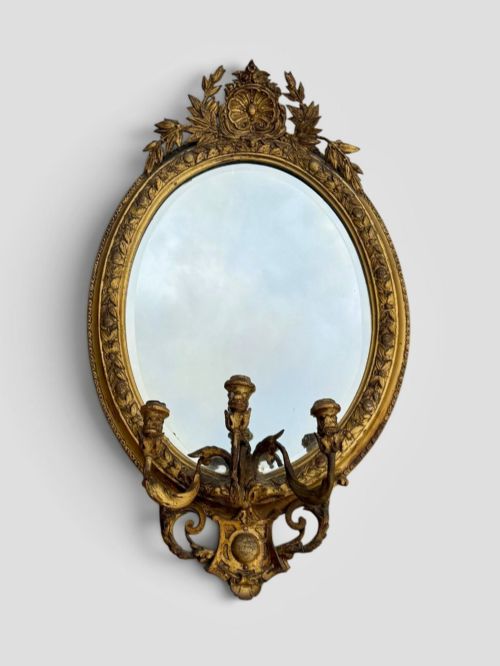
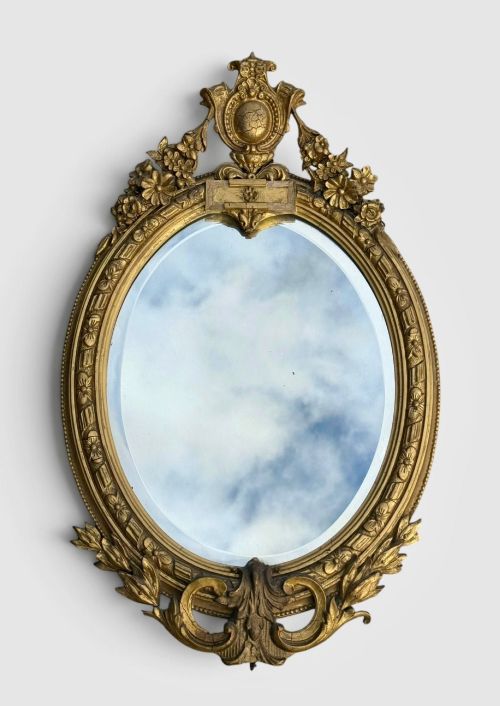
Ornate Carved Gold Mirror
An ornate carved gold mirror brings dramatic reflection and sculptural giltwork into a room, spanning French, English, and Italian workshops.
Ornate Carved Gold Mirror
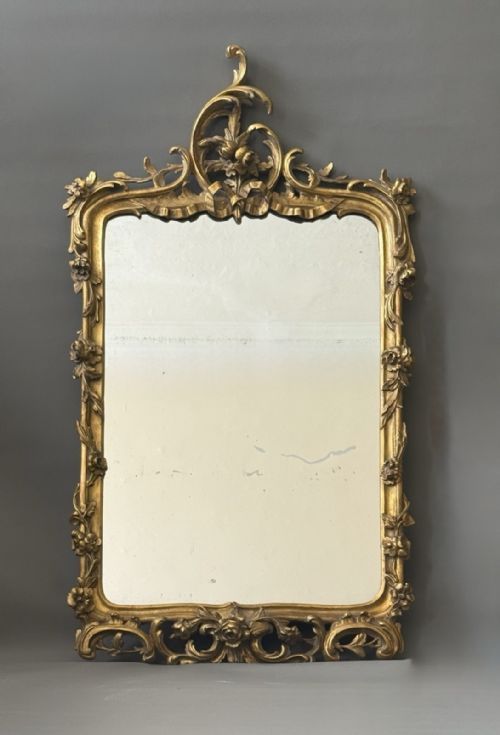
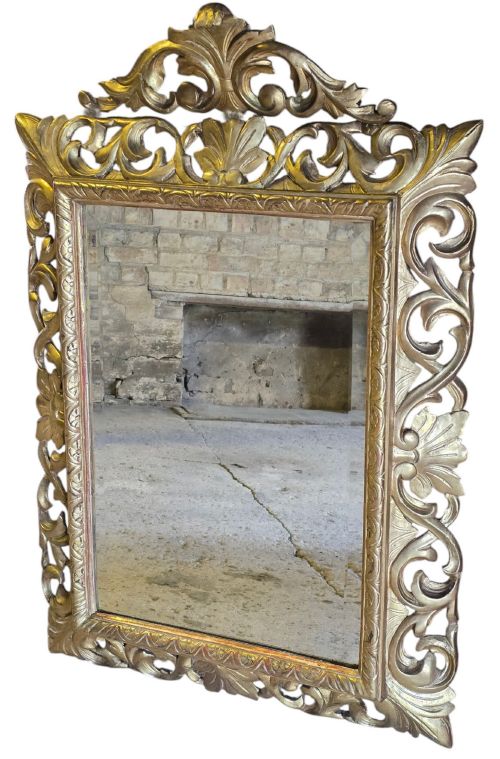
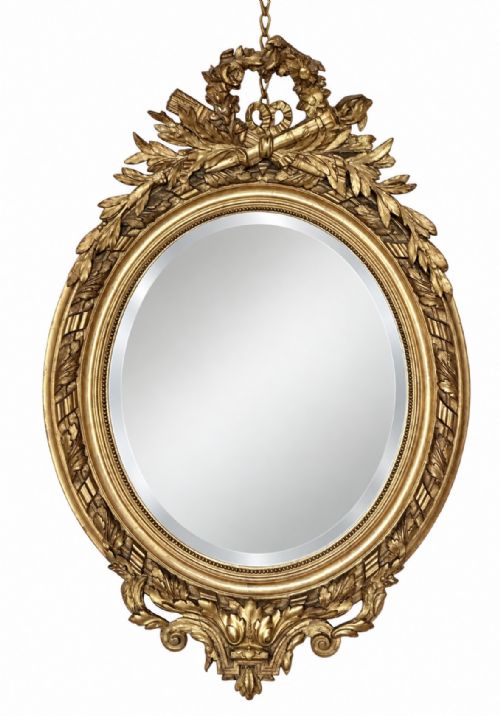
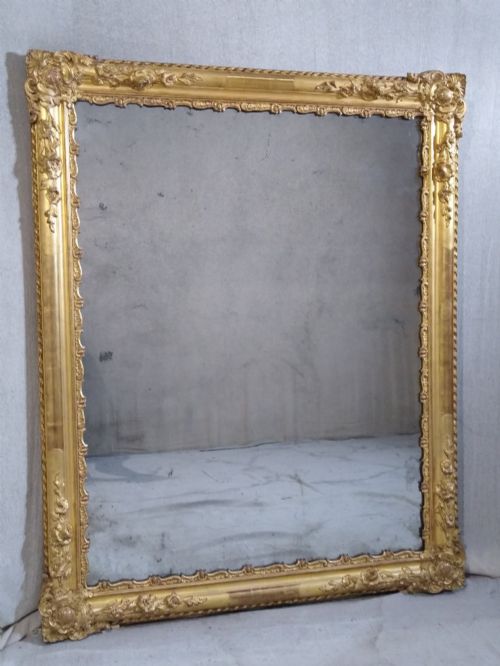
An ornate carved gold mirror is a grand interior furnishing designed to bounce light and command a wall, appearing most frequently on this page as nineteenth-century overmantel and wall mirrors. These pieces encompass stately proportions and elaborate frames intended for principal rooms, drawing upon centuries of decorative tradition.
The selection ranges from tall nineteenth-century French leaner mirrors and English overmantels to Italian Florentine pieces and smaller Victorian wall mirrors. Formats include arched tops, oval timber frames, and pier glasses designed to sit between windows.
Origins stretch across the eighteenth, nineteenth, and early twentieth centuries, capturing periods from Victorian production to the Belle Époque. Buyers encounter heavy timber frames carved with botanical motifs alongside delicate ribbon crests and asymmetrical flourishes.
How they were made
Makers shaped solid wood and applied layers of gesso - a fine plaster mixture - to build up high-relief scrollwork, vine motifs, and architectural mouldings before gilding. This combination allowed artisans to carve crisp details that would prove too brittle in timber alone.
Giltwood and composition ornaments were finished with gold leaf or metallic paint, sometimes complemented by antique mirror plates with foxing and bevelled edges. Heavy frames often relied on timber backing and iron fixings to support the considerable weight of the glass.
Ornate Carved Gold Mirror Retail Price Guide 2026
Typical asking prices for ornate carved gold mirror among the pieces listed under this phrase on Sellingantiques today, from the lower quarter to the upper quarter. They describe what is for sale here now, not the wider market.
What varies in quality
The depth and crispness of the carving distinguish a superior ornate carved gold mirror from a standard production piece, separating hand-modelled gesso and deeply undercut timber from shallow moulded substitutes. Superior examples exhibit deliberate, fluid toolwork across every scroll and acanthus leaf.
The integrity of the original gilding and the character of the mirror plate itself dictate the tier of the piece. Retaining untouched gold leaf alongside period glass with natural ageing provides a visual depth that repainted surfaces and modern replacement plates lack.
The Ornate Carved Gold Mirror Glossary
- Giltwood
- Timber that has been coated with gold leaf or gold paint. This technique creates a luminous surface that catches candlelight and natural illumination alike.
- Gesso
- A plaster-like mixture applied to wood frames and carved into intricate decorative reliefs. It provides a smooth base for subsequent gilding.
- Overmantel Mirror
- A large horizontal mirror designed specifically to hang above a fireplace mantelpiece. These pieces often anchor the decorative scheme of a drawing room.
- Girandole
- A wall-mounted mirror featuring attached candle sconces that reflect the flame. They combine lighting functionality with ornate sculptural frames.
- Foxing
- The natural ageing of mirror glass resulting in dark spots and mottled patches. Many collectors prize this characteristic for the authentic historic atmosphere it conveys.
Ornate Carved Gold Mirror: Frequently Asked Questions
How do I hang a heavy overmantel mirror safely?
These substantial wooden frames require secure wall anchors fixed directly into masonry or heavy timber studs. Professional installation is recommended to distribute the significant weight safely.
Ensure the hanging wire or integrated brackets match the load capacity of the mirror before mounting it above a fireplace or console.
What is the difference between an overmantel and a pier glass?
An overmantel mirror is built wide and horizontal to sit comfortably above a fireplace mantelpiece. Its proportions relate directly to the width of the hearth.
A pier glass is typically taller and narrower, originally designed to hang on the wall space between two windows to maximise light reflection.
How do I identify a Victorian piece from an 18th-century one?
Eighteenth-century frames often display organic, deeply hand-carved Rococo asymmetry and heavier patination on the gilt surfaces. Victorian examples frequently utilise composition ornaments pressed into gesso alongside crisper, more symmetrical revival styling.
Examining the construction of the timber backing and the composition of the gesso layers helps clarify the period of manufacture.