




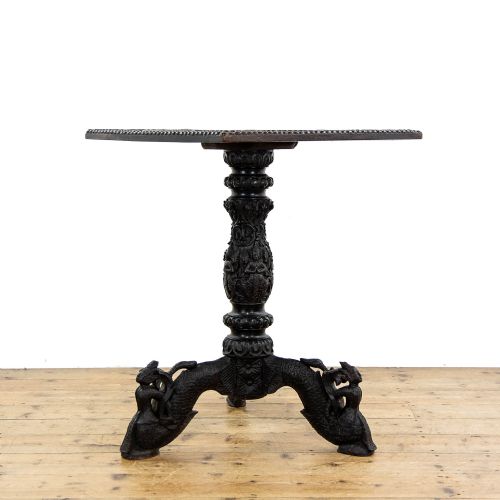


Ornate Carved Accent Table
An ornate carved accent table brings sculptural presence and intricate detail to a room, ranging from gilded French forms to inlaid Anglo-Indian designs.
Ornate Carved Accent Table
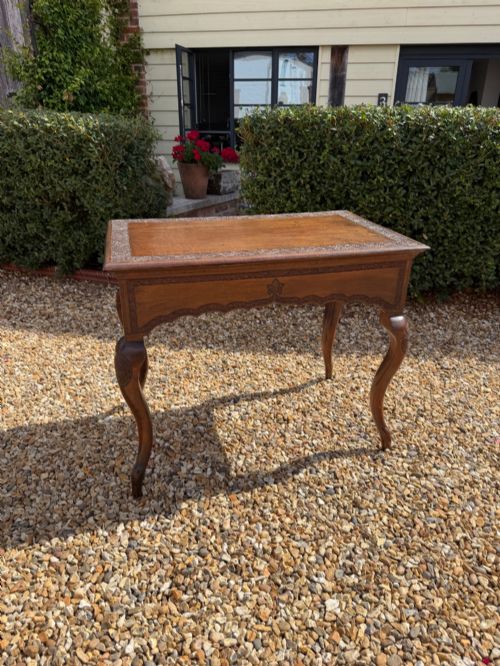
An ornate carved accent table encompasses side tables, occasional tables, centre tables, and console tables designed with decorative surface work. These pieces function as functional display surfaces while introducing distinct period styles into an interior space.
The selection ranges from eighteenth-century giltwood pieces to nineteenth-century Anglo-Indian walnut and mother-of-pearl inlaid examples. Buyers encounter varied regional aesthetics, including French Rococo, Italian Neoclassical, Venetian Revival, and Chinoiserie interpretations.
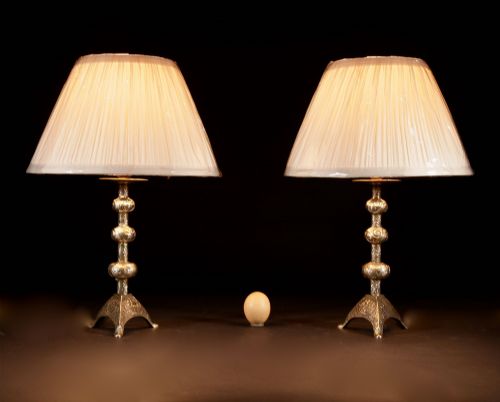
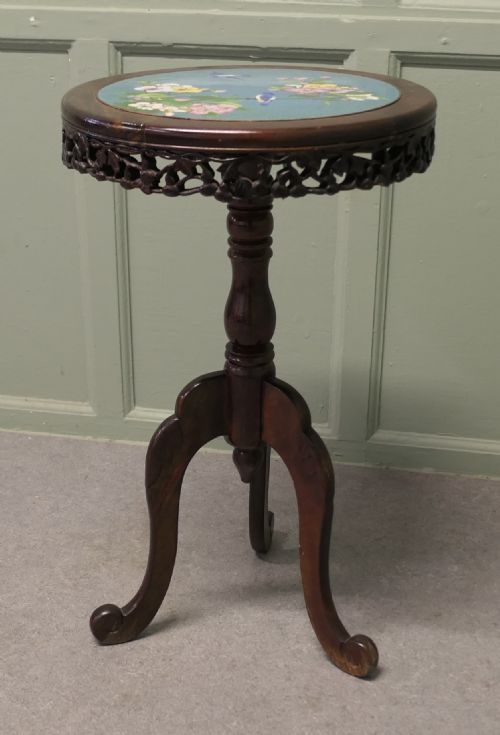
Forms extend beyond standard tables to include plant stands, pedestals, and lamp bases sharing the same decorative carved vocabulary. Materials and regional motifs dictate whether a piece leans toward European gilding or intricate Asian hardwood carving.
What varies in quality
The depth and crispness of the carving separate standard decorative items from superior masterworks. Sharp undercut details and fluid lines indicate skilled hand work rather than mechanical or superficial execution.
Surface finish integration, whether original gilding, polished hardwood, or complex inlay work, determines the visual harmony of the piece. Superior examples maintain balanced proportions where ornamentation enhances rather than overpowers the structural form.
Materials documented across the pieces include marble, brass, gold leaf, gesso, and multiple hardwoods such as teak and walnut.
The Ornate Carved Accent Table Glossary
- Giltwood
- Wood that has been coated with thin gold leaf or powder. This finish appears frequently on European tables and lamp bases.
- Gesso
- A plaster mixture used as a base for paint or gold leaf on wood. It allows for smooth surfaces and moulded decorative reliefs.
- Inlay
- Material embedded into a contrasting wooden ground to form decorative patterns. Mother-of-pearl is commonly utilised in Anglo-Indian examples.
- Console table
- A table designed to stand against a wall, often supported by brackets or ornate legs. These pieces frequently feature carved marble tops.
- Rococo
- A decorative style characterised by asymmetrical curves, scrollwork, and natural motifs. It heavily influences eighteenth-century and revival giltwood tables.
Ornate Carved Accent Table: Frequently Asked Questions
How do I style an ornate carved accent table?
These tables function well as focal points in hallways, sitting rooms, or bedrooms. Pair them with simpler furnishings to let the carved details stand out without visual competition.
Keep surface styling restrained to showcase the wood grain, gilding, or inlay work. A single lamp or sculptural object often suffices.
What is the difference between an occasional table and a side table?
Occasional tables are typically smaller, movable pieces intended for specific, temporary uses around a room. Side tables generally stay positioned against walls or beside seating.
Both categories frequently share ornate carved decoration and similar nineteenth-century or earlier origins in the current selection.
How do I identify Anglo-Indian carved tables?
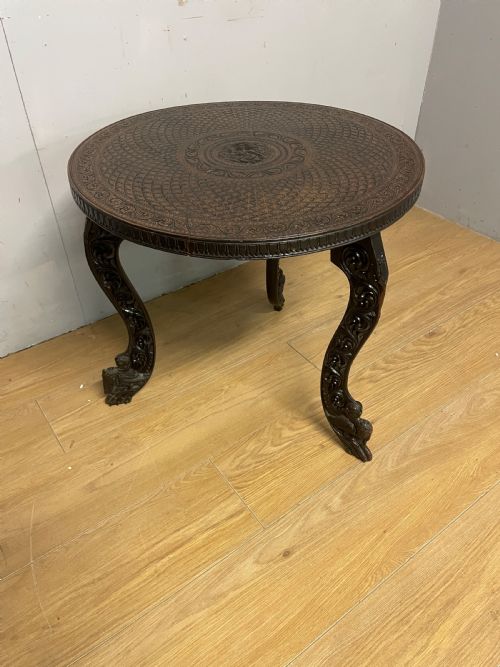
Anglo-Indian tables usually feature dense floral or foliage carving executed in dense hardwoods like walnut or teak. Many incorporate intricate mother-of-pearl inlay work.
These pieces reflect nineteenth-century British colonial trade and craftsmanship, combining regional Indian carving techniques with European furniture forms.
Are marble top tables difficult to care for?
Marble tops provide a durable and cool surface but require protection from acidic liquids and harsh cleaners. Routine dusting with a soft cloth maintains the polished stone.
The stone slabs are typically heavy and rest upon the carved wooden bases, offering a contrasting texture to the surrounding woodwork.