
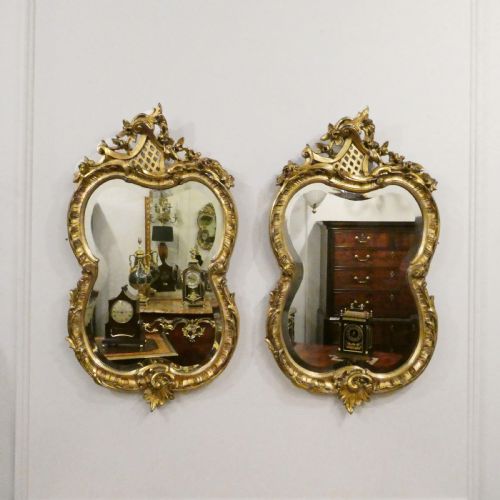
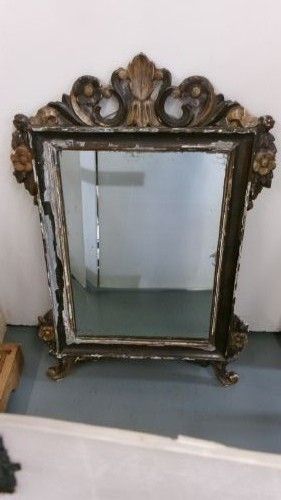
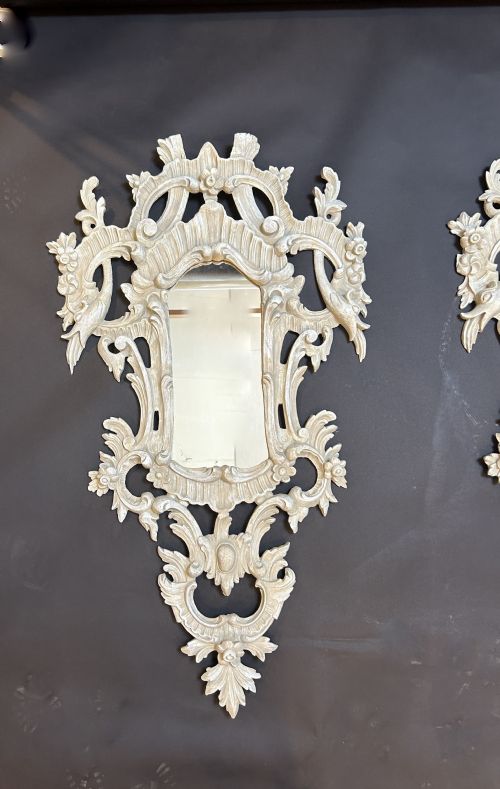


Ornate Pier Glass
An ornate antique pier glass brings monumental scale, brilliant gilt surfaces and classical refinement to a grand interior wall.
Ornate Pier Glass
When you search for an ornate antique pier glass, you encounter tall, decorative mirrors originally designed to hang on the narrow wall pier between two windows. The selections here span the eighteenth, nineteenth, and early twentieth centuries, drawing heavily upon Georgian, Victorian, and continental European traditions.
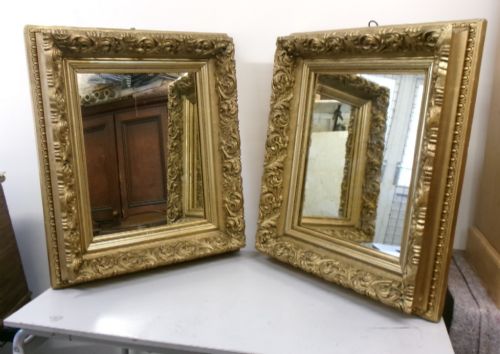
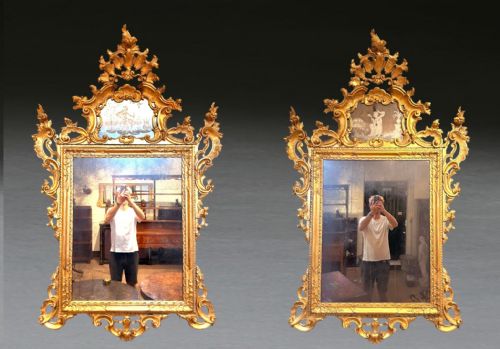
The dominant forms on this page include grand wall mirrors, pier glasses, and matched console table and mirror sets rendered in opulent revival styles. Makers and workshops embraced Rococo, Baroque, and Neoclassical vocabularies, producing heavily carved frames that served as centerpieces for formal rooms.
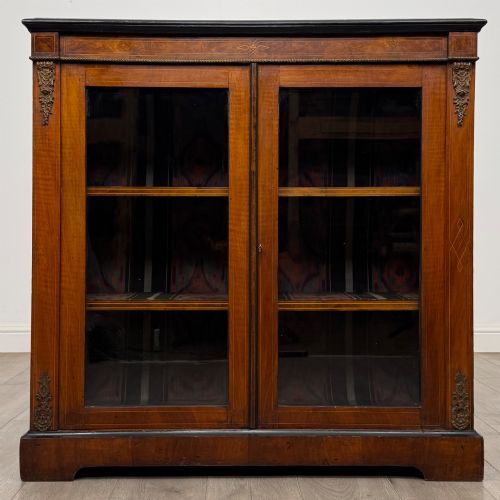
Beyond standalone mirrors, the inventory captures related case pieces such as walnut pier cabinets and marble-topped console tables designed to sit directly beneath the glass. These items reflect a cohesive domestic design philosophy where reflection and furniture unified the reception space.
How they were made
Carved wood, gesso, and glass form the primary material foundation of these pieces, utilising solid timbers like walnut alongside softer woods carved to accept intricate ornament. Artisans applied thin layers of gold or silver leaf over gesso bases to create luminous gilded surfaces that caught daylight and candle flame alike.
Traditional joinery and hand-carving define the construction, with frame members joined securely before the application of decorative relief work. The silver-leaf or gold-leaf finishes were painstakingly burnished, while mirror plates retained original characteristics of silvering and glass thickness.
Listings feature items from the eighteenth, nineteenth, and early twentieth centuries, dominated by giltwood, carved wood, and gesso materials.
What varies in quality
The depth and crispness of the hand-carving distinguish finer pier glasses from simpler commercial productions, separating fluid, deeply undercut foliage from shallow, moulded ornamentation. Superior examples display masterful control of proportion within large formats, ensuring that heavy crests and elaborate scrollwork maintain structural balance.
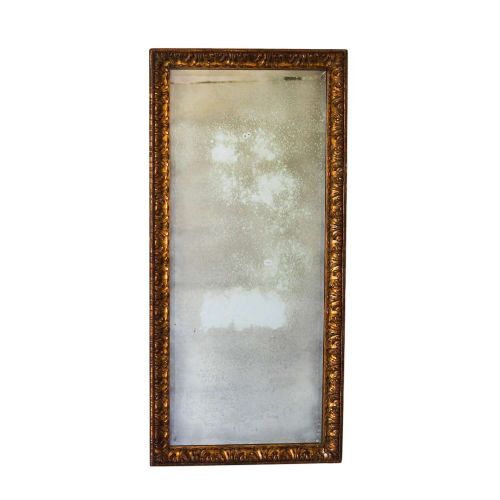
The integrity of the original gilding and mirror plate dictates the enduring value of the piece, with intact gold leaf and period silvering showing authentic age without crude modern resivering. Consistency in matching console and mirror sets also elevates the standard, uniting wood grain, carving style, and gilding tone across distinct furniture components.
The Ornate Pier Glass Glossary
- Pier glass
- A tall mirror specifically proportioned to hang on the wall space between two windows. These mirrors frequently sat above console tables to maximise light in a room.
- Gesso
- A plaster-like mixture applied to wood frames to provide a smooth surface for gilding. Skilled carvers shaped relief details directly into this layered compound.
- Giltwood
- Timber coated with gold leaf or metal powder. This finish provided brilliant light reflection in nineteenth-century formal interiors.
- Console table
- A table supported against a wall by consoles or legs, frequently paired beneath large pier glasses. They often featured marble tops and carved frames matching the mirror above.
- Rococo Revival
- A nineteenth-century design movement imitating eighteenth-century French asymmetry and scrollwork. It is characterised by C-scrolls, floral motifs, and extravagant ornamentation.
Ornate Pier Glass: Frequently Asked Questions
Where should a pier glass be hung?
Historically, an ornate antique pier glass hung on the narrow strip of wall between two tall windows to reflect incoming light and brighten the room.
Today, these substantial mirrors work exceptionally well above fireplaces, low sideboards, or console tables in spacious hallways and living rooms.
How do I identify the period of a mirror?
Dating relies on stylistic clues such as the symmetry of Neoclassical frames versus the fluid asymmetry typical of Rococo Revival designs. Material evidence like walnut construction, early plate glass characteristics, and gesso depth also help narrow down the century of manufacture.
Checking the reverse of the frame often reveals construction methods, timber ageing, and historic fixings that confirm its era.
Are pier glasses and console tables sold together?
Many listings present pier glasses alongside matching console tables as an integrated furniture set designed for a unified architectural display.
Other entries feature standalone wall mirrors or cabinets, allowing you to pair pieces according to your interior proportions and wall space.
How do I care for antique giltwood surfaces?
Giltwood frames require gentle maintenance using a dry, soft brush to remove dust without disturbing delicate raised gesso or leaf.
Avoid liquid cleaners, chemical solvents, and direct moisture, as these can permanently damage the historic gold leaf and underlying preparation layers.