


Vintage Painted Hanging Mirror
These vintage painted hanging mirror examples bring character to a room through decorative colour and carved detail.
Vintage Painted Hanging Mirror
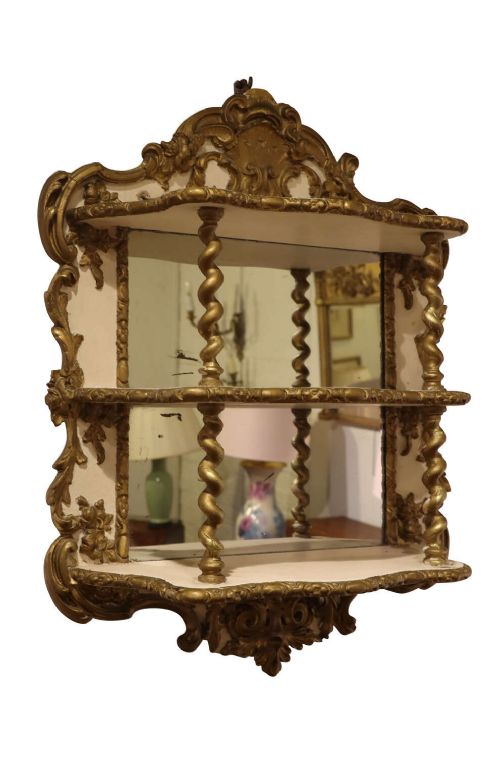
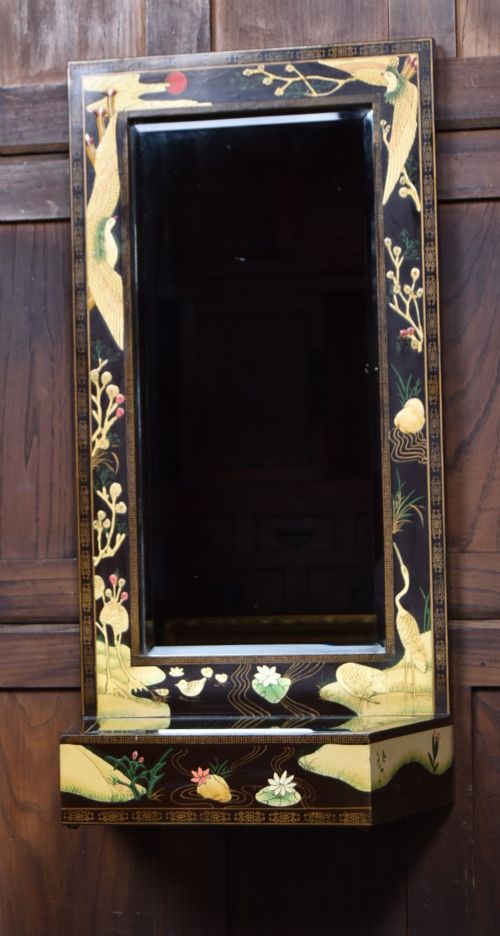
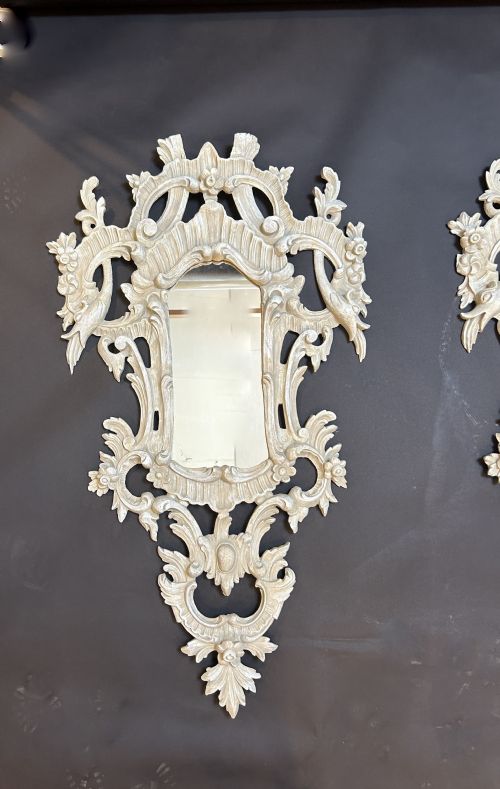
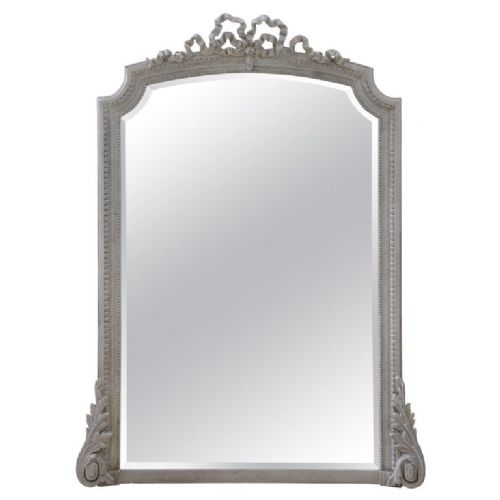
A vintage painted hanging mirror brings decorative character and functional reflection to interior walls through varied historical styles. Buyers searching for a vintage painted hanging mirror encounter diverse forms including wall mirrors, wall shelves, and étagères.
The selections span distinct historical periods from the eighteenth century through to the Edwardian era and nineteen-twenty. Common aesthetic influences include French Rococo Revival, Louis XVI, Queen Anne Revival, and Chinoiserie.
Origin points range across Continental Europe, Italy, and Britain, producing both grand architectural frames and smaller domestic wall pieces. Pieces frequently incorporate painted surfaces paired with gilt details or natural wood tones like walnut.
Materials and construction methods
Frames combine structural timber such as walnut and general wood with applied gesso to build up intricate ornamental reliefs. Artisans then finished these surfaces using paint, lacquer, gold leaf, or giltwood highlights.
Reflecting elements utilise traditional glass mirror plates fitted securely within carved wooden surrounds. Hanging mechanisms rely on period hardware integrated directly into the robust wooden framework.
Materials represented across the inventory include walnut, gesso, lacquer, gold leaf, and traditional glass mirror plates.
Assessing quality and craftsmanship
Superior examples display crisp hand-carved detail in the gesso and wood rather than soft or moulded ornamentation. The depth and layering of the painted or gilt finish determine visual richness across the surface.
Proportion and balance define the better pieces, where frame dimensions and decorative crestings harmonize with the glass plate. Originality of the surface finish and the glass mirror plate elevates the standing of any piece.
The Vintage Painted Hanging Mirror Glossary
- Gesso
- A plaster-like mixture applied to wood frames to create a smooth surface for gilding or painting. It allows intricate relief ornamentation to be carved before finishing.
- Giltwood
- Timber that has been coated with gold leaf or gold paint. This technique gives frames a brilliant metallic lustre favoured in formal interior schemes.
- Étagère
- A piece of furniture with open shelves for displaying small objects. Wall-mounted versions combine display surfaces with a mirror plate.
Vintage Painted Hanging Mirror: Frequently Asked Questions
Where should I hang these mirrors?
These mirrors suit hallways, living rooms, and bedrooms where wall space allows them to act as a focal point. Their hanging design requires secure fixing into structural walling to support the weight of the timber and glass.
Positioning them opposite windows helps bounce natural light deeper into smaller or darker rooms. Smaller wall shelves and mirrors also work effectively above mantelpieces or console tables.
How do I clean the painted frames?
Dust the carved wooden and gesso surfaces gently with a soft, dry brush to prevent dirt accumulation. Avoid liquid cleaners or harsh chemicals that can damage aged paint, lacquer, or gold leaf.
Glass mirror plates can be cleaned sparingly using a microfibre cloth and standard glass cleaner applied to the cloth rather than directly to the glass. This protects the surrounding painted frame from moisture.
What defines the Rococo Revival style?
Rococo Revival pieces draw inspiration from the eighteenth-century French aesthetic characterised by asymmetrical curves, scrollwork, and organic motifs. Frames often feature elaborate crestings with floral and C-scroll carvings.
This style experienced a resurgence during the nineteenth and early twentieth centuries, producing decorative mirrors with dramatic, flowing silhouettes.