




Cream Carved Wall Mirror
A cream carved wall mirror brings texture and light to a room, offering the charm of distressed paint and gilded detail.

Cream Carved Wall Mirror
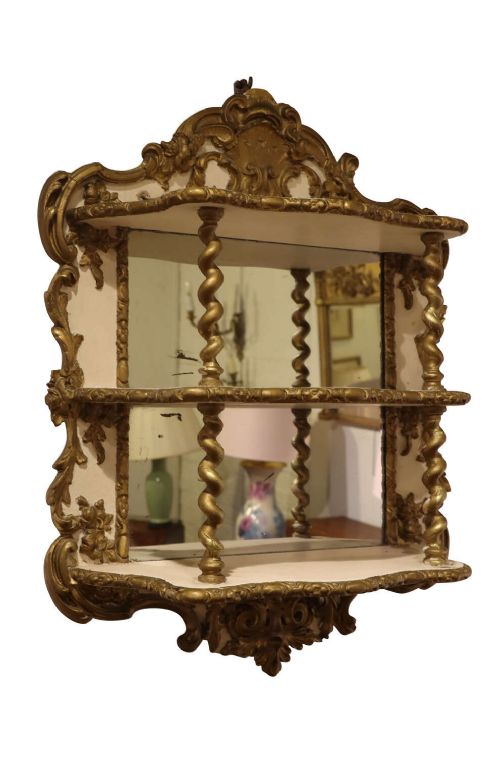
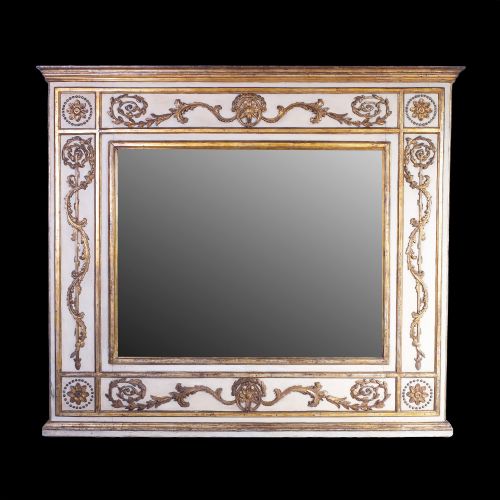
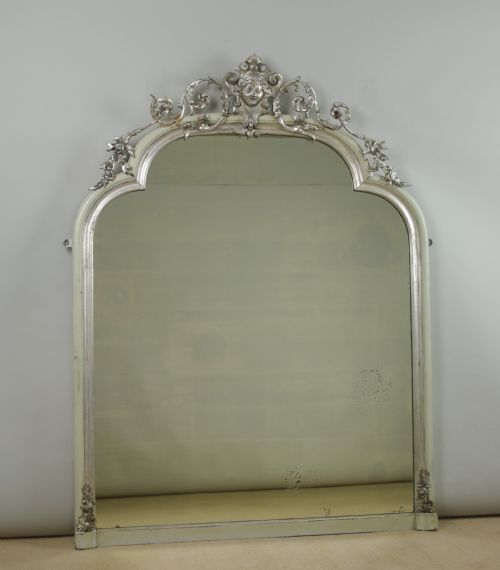
A cream carved wall mirror is essentially a decorative glass plate set within an ornate timber frame, often finished in pale paint and parcel gilt. When you search for this phrase, you encounter large overmantle mirrors, tall pier mirrors, and smaller wall-hanging pieces spanning the eighteenth to the early twentieth century.
The selection on this page relies heavily on nineteenth-century pieces, including Victorian and French revival designs, alongside occasional eighteenth-century Italian and Georgian examples. These items typically feature arched tops, shaped crests, and moulded frames designed to hang above a fireplace or console.
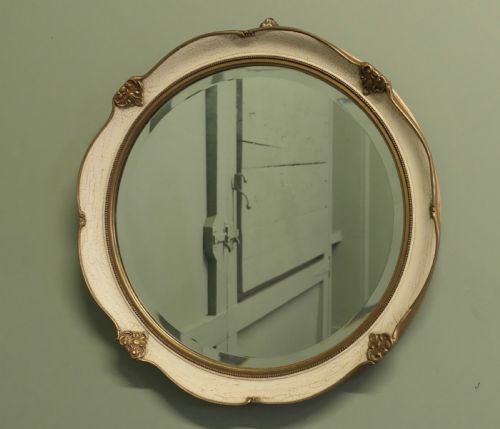
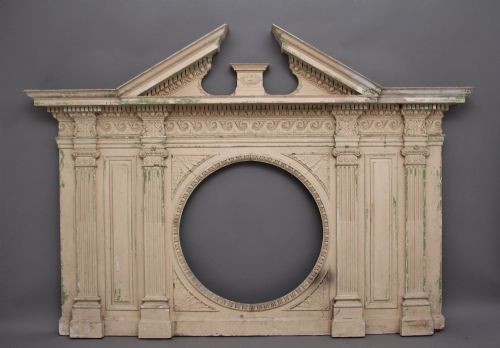
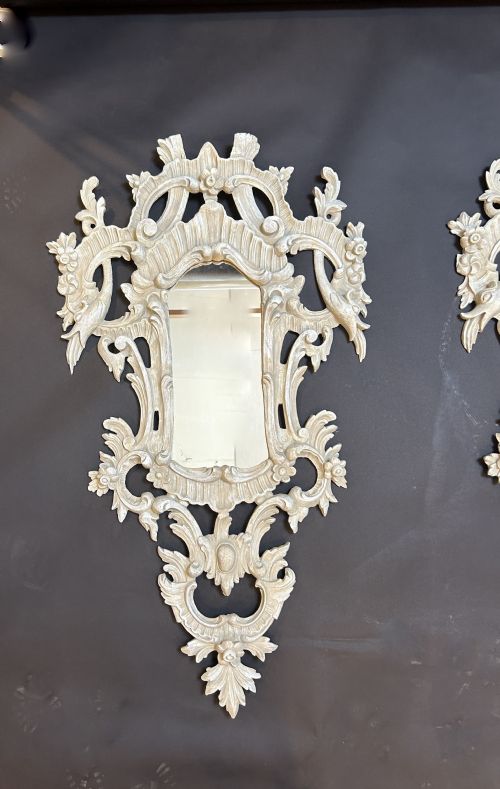
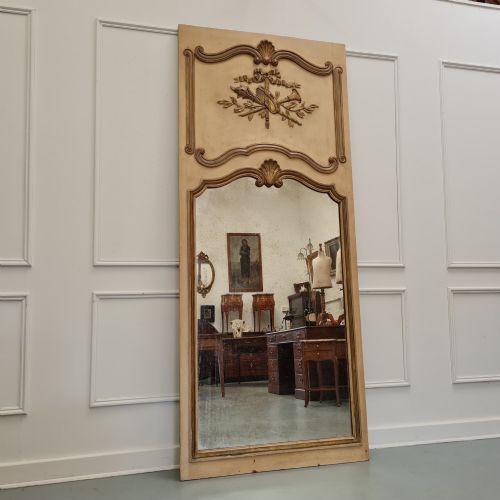
Forms range from simple oval and round frames to architectural trumeau mirrors incorporating painted panels or columns. Many pieces show the influence of Rococo and Neoclassical styles through carved scrolls, acanthus leaves, and symmetrical gesso ornamentation.
Materials and construction
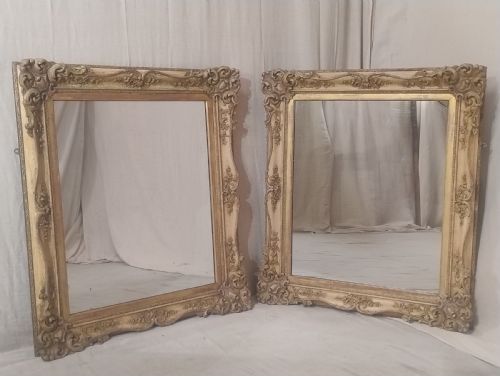
These frames are built primarily from carved wood, often pine or hardwood, coated in a layer of gesso to create a smooth surface for detail work. Artisans carved intricate motifs into the timber or built up relief designs in the gesso before applying paint and gold leaf.
Finishes typically involve layered cream or off-white paint combined with parcel gilding, where gold leaf highlights specific carved elements such as scrolls and beadings. Over decades, this process leads to a natural crackling and distress in the paint surface that reveals the warm gesso and wood underneath.
Some nineteenth-century mirrors still hide faint chalk marks on their wooden backs left by workshop makers.
Assessing craftsmanship
Quality rests primarily in the crispness of the hand-carved woodwork and the depth of the gesso mouldings, which separate finely modelled frames from simpler production pieces. The proportion of the frame to the mirror plate and the balance of the crest ornamentation dictate the overall visual harmony.
The integrity of the original surfaces matters greatly, distinguishing pieces with untouched, patinated paint and authentic gold leaf from later repainted examples. Original glass plates, showing soft silvering oxidation and slight distortion, add considerable character compared to modern replacements.
The Cream Carved Wall Mirror Glossary
- Gesso
- A plaster-like mixture applied to wood frames to create a smooth base for carving, gilding, and painting. It allows artisans to shape sharp decorative reliefs before finishing.
- Parcel Gilt
- A decoration technique where only specific raised parts of a frame are covered in gold leaf, leaving the surrounding cream paint exposed underneath.
- Trumeau Mirror
- An architectural mirror incorporating a painted panel or artwork directly above the glass plate. These pieces were traditionally designed to fit between windows.
- Overmantle Mirror
- A wide mirror specifically proportioned to hang on the wall directly above a fireplace mantelpiece. They often feature low arched or shaped tops.
- Pier Glass
- A tall, narrow mirror designed to hang on the section of wall between two windows. They frequently match console tables placed below them.
Cream Carved Wall Mirror: Frequently Asked Questions
How do I hang a heavy overmantle mirror?
Large overmantle mirrors require secure fixing directly into wall studs or masonry using heavy-duty brackets suited to the weight of the timber and gesso frame.
Because these pieces often feature substantial carved crests and thick glass plates, professional installation ensures the mirror remains stable against the wall.
Are these mirrors original antique glass?
Many pieces retain their original glass plates, which often display subtle imperfections, foxing, and soft reflection due to age.
When replacement glass occurs over the decades, the frame and gesso retain their historical period while the reflection appears clearer.
How do I clean a painted and gilt frame?
Dust the carved wood and gesso surfaces gently with a soft dry brush to prevent damage to the delicate painted finish and gold leaf.
Avoid using liquid cleaners or abrasive cloths, as moisture can lift the aged paint and vintage gesso layers from the timber beneath.
How do I identify a Rococo revival mirror?
Rococo revival pieces typically feature asymmetrical scrollwork, C-scrolls, floral motifs, and organic shell shapes carved into the gesso and wood frame.
Originating in the nineteenth century, these designs look back to eighteenth-century French and Italian aesthetics with a dramatic flair.