


Continental Rococo Mirror
A continental rococo mirror brings flowing asymmetric curves and brilliant gilt surfaces into a room, catching the light exactly as 18th-century makers intended.
Continental Rococo Mirror
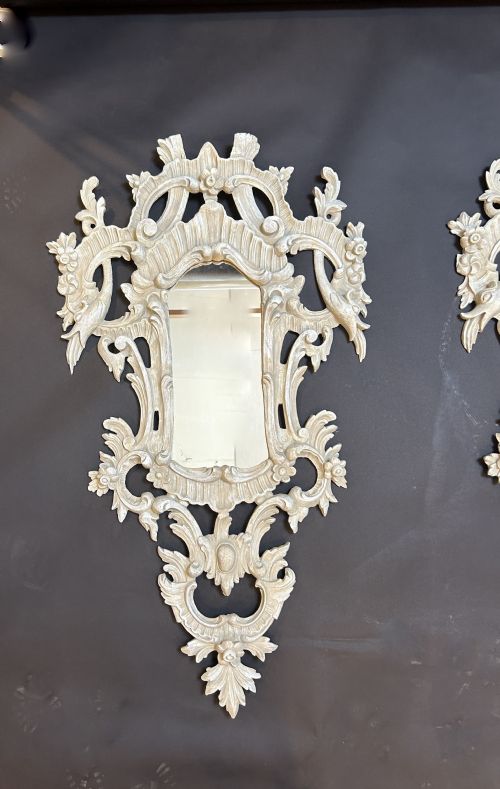
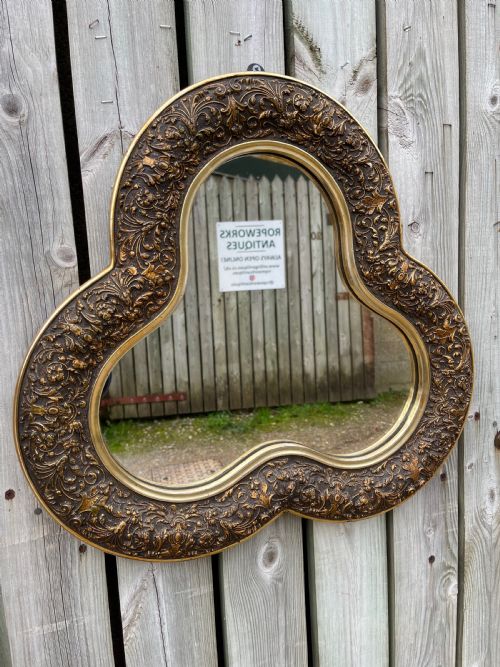
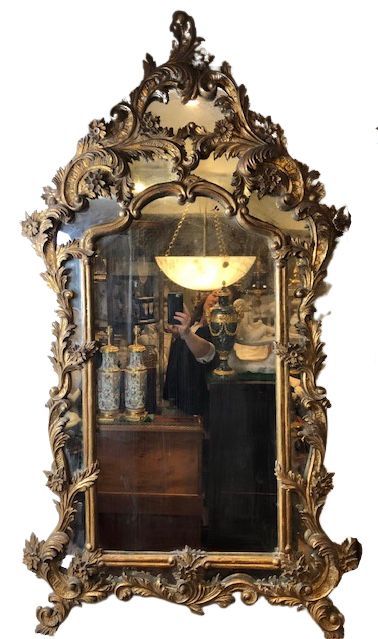
A continental rococo mirror combines ornate carved frames with classic fluid forms, spanning both grand wall-hanging pier glasses and smaller dressing table mirrors. You will most frequently encounter 19th-century revival interpretations alongside genuine 18th-century Italian examples.
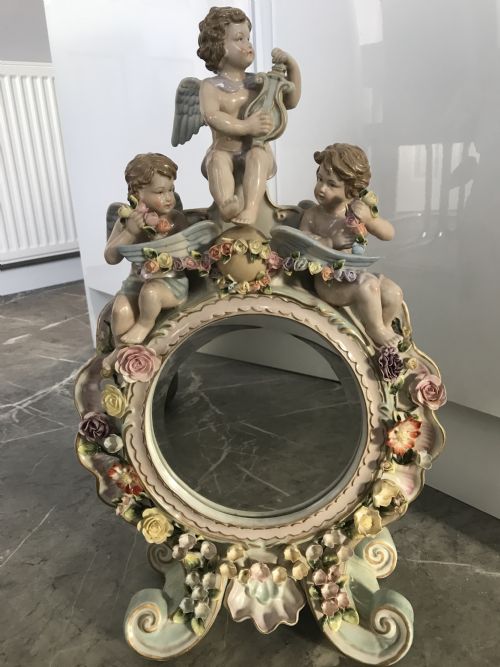
The forms range from intricate cartouche shapes to porcelain-mounted easel pieces adorned with flowers and cherubs. These decorative objects serve as striking focal points in both traditional and eclectic interiors.
How they were made
Makers shaped solid timber before applying gesso and layers of gold leaf to create luminous gilded surfaces. Carved wood provides the structural foundation for the elaborate scrolls and asymmetrical flourishes characteristic of the style.
Porcelain elements, frequently moulded into floral motifs or figural supports, appear alongside hand-painted details on selected frames. Traditional silvered mirror glass completes each piece, secured within the decorative rebate.
Several porcelain mirrors feature cheerful cherubs peering out from dense ceramic flower thickets, proving that 19th-century artisans loved a dramatic floral arrangement.
What varies in quality
The depth and crispness of the carved ornamentation separate exceptional examples from simpler production. Superior pieces display hand-tooled delicacy in the gesso work and meticulous attention to the gilding layers.
Material integration also dictates overall merit, particularly in how porcelain figures and painted elements harmonise with the surrounding carved frame. The presence of original mirror glass and structurally sound timber foundations elevates a piece considerably.
The Continental Rococo Mirror Glossary
- Giltwood
- Timber covered with a thin layer of gold leaf. This finish defines the reflective brilliance of traditional frames.
- Gesso
- A plaster-like mixture applied to wood as a smooth base for gilding or painting. It allows intricate relief moulding before finishing.
- Cartouche
- An ornamental frame resembling a rolled-up piece of paper or parchment. It frequently forms the central asymmetric cartouche shape of the mirror.
- Pier Glass
- A large tall mirror designed to hang on the wall between windows. These prominent pieces often feature hand-painted glass panels.
Continental Rococo Mirror: Frequently Asked Questions
How do I hang a heavy antique mirror safely?
Ensure the wall fixings engage directly with structural studs or masonry rather than just plaster. Professional mirror hangers utilise heavy-duty D-rings and steel wire rated well above the weight of the carved frame.
Check that the timber backing and original joints remain stable before mounting. Distribute the weight evenly across multiple points to protect the antique structure.
Where should I place a continental mirror?
Position the glass opposite a window to maximise natural daylight and visually expand the room. These decorative pieces work particularly well above mantelpieces or console tables.
Keep them away from direct heat sources and damp environments to protect the giltwood and gesso surfaces. Proper placement ensures the ornate frame becomes a natural focal point.
How do I tell an 18th-century mirror from a revival piece?
Examine the construction of the wooden frame and the composition of the gesso underneath the gold leaf. Eighteenth-century examples display hand- carved tool marks and aged patination consistent with centuries of handling.
Revival pieces from the 19th century often utilise machine-sawn timber elements and different ground layers beneath the gilding. Compare the style details against documented period forms to confirm the era.
How do I clean an antique giltwood frame?
Dust the carved surfaces gently using a very soft, dry artist brush or ostrich feather duster. Avoid applying commercial cleaning sprays or water, which can damage fragile gold leaf and gesso.
Consult a professional restorer if the surface requires deeper cleaning or stabilisation. Preserving the original finish maintains both the character and historical integrity of the piece.