





White Rococo Wall Mirror
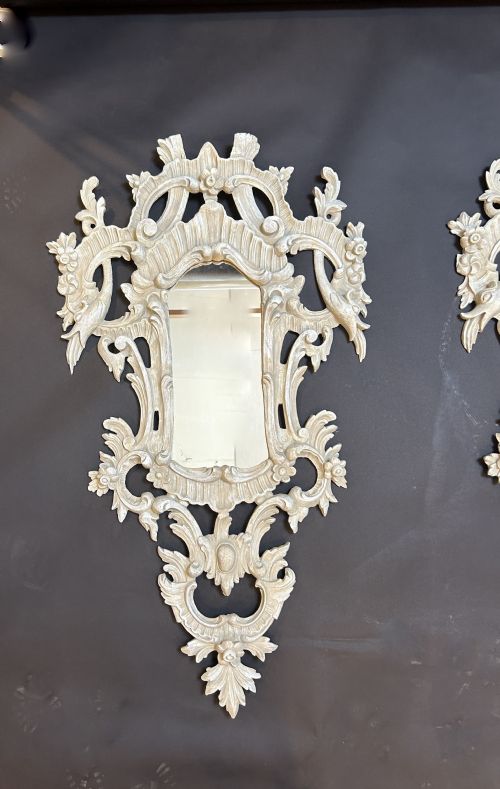
A white rococo wall mirror brings spirited asymmetrical curves and pale painted surfaces to a room.
White Rococo Wall Mirror
A white rococo wall mirror draws upon eighteenth-century decorative traditions, expressed primarily through revival pieces dating from the nineteenth and early twentieth centuries. These hanging and mantel glasses demonstrate the fluid, organic forms associated with French and Italian rococo styles, often rendered in painted wood or gesso.
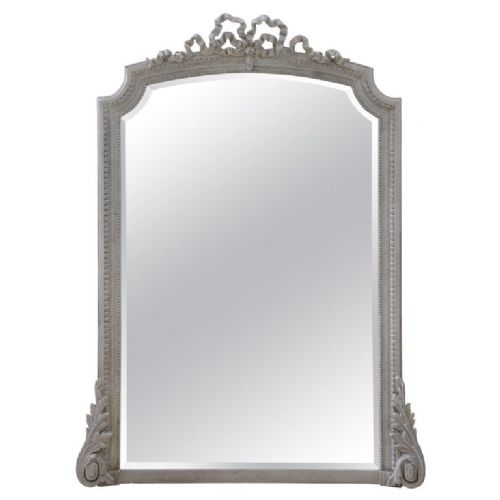
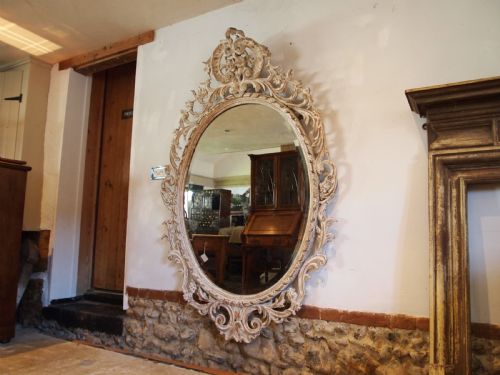
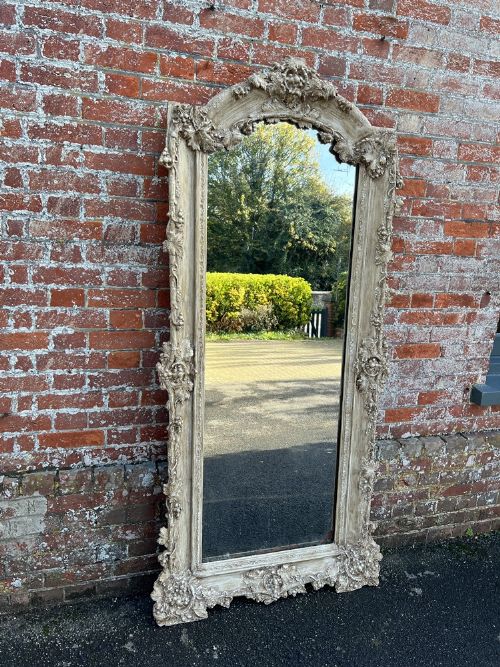
The versions most commonly encountered on this page are large nineteenth-century French and English overmantel and wall mirrors. They frequently feature shaped, arched, or fretwork tops combined with distressed painted white or cream finishes over carved wooden frames.
Materials and construction methods
Wood and gesso form the foundation of these pieces, providing the dense material required for deep relief carving and scrollwork. Artisans applied layers of gesso over carved wooden frames to build up crisp decorative contours before applying paint and sometimes gold leaf highlights.
Mirror glass is fitted within these ornate frames, occasionally retaining original plates with natural foxing and ageing. The painted surfaces are frequently finished to show deliberate weathering or historical wear across the moulded details.
Materials recorded across the inventory include carved wood, gesso, mirror glass, paint, and gold leaf.
Distinctions in craftsmanship and design
The depth and clarity of the carving distinguish finer examples from standard production. Superior mirrors display crisp, undercut foliage and scrolls that retain their definition beneath layers of paint, rather than flat or purely moulded ornament.
Proportion and the integration of the frame with its original glass plate dictate the standing of a piece. Examples where the carved wooden structure and mirror plate share a unified period origin carry greater visual harmony than later marriages of glass and frame.
The White Rococo Wall Mirror Glossary
- Gesso
- A plaster-based mixture applied to wood frames to create a smooth surface for carving and painting. It allows artisans to shape intricate scrolls and asymmetrical motifs before finishing.
- Overmantel Mirror
- A large horizontal mirror designed specifically to hang above a fireplace mantelpiece. These pieces often anchor the proportions of a principal reception room.
- Rococo Revival
- A nineteenth-century design movement that revived the ornate, asymmetrical curves of the mid-eighteenth-century French court. It favours naturalistic shell and C-scroll motifs.
- Fretwork
- Ornamental pattern work created by piercing thin wood panels or mouldings. It adds lighter, geometric contrast to heavier carved frames.
White Rococo Wall Mirror: Frequently Asked Questions
Where should I hang an overmantel mirror?
These large mirrors are traditionally positioned directly above a fireplace mantelpiece, where they reflect light and anchor the vertical space of the chimney breast.
Alternatively, they can be hung on a principal drawing room wall above a large piece of furniture to create a strong focal point in the interior.
How do I identify a nineteenth-century revival piece?
Nineteenth-century revival mirrors display the characteristic exuberant C-scrolls and asymmetrical foliage of the rococo style, executed with the denser timber framing and gesso techniques typical of the Victorian and Edwardian eras.
Examination of the timber backing, fixings, and the ageing of the mirror glass helps distinguish these revival pieces from genuine eighteenth-century originals.
Are the painted finishes original?
Many pieces feature painted and distressed surfaces that show varying degrees of age, ranging from historical patination to later decorative overpainting.
Close inspection of the gesso and paint layers under natural light reveals whether the white or cream finish has developed its wear organically over decades.
Can these heavy mirrors be wall mounted safely?
Because many of these frames are constructed from solid carved wood and thick gesso, they possess substantial weight that requires professional wall fixing.
It is essential to secure the mirror directly into wall studs or use appropriate heavy-duty masonry fixings to support the load safely.