
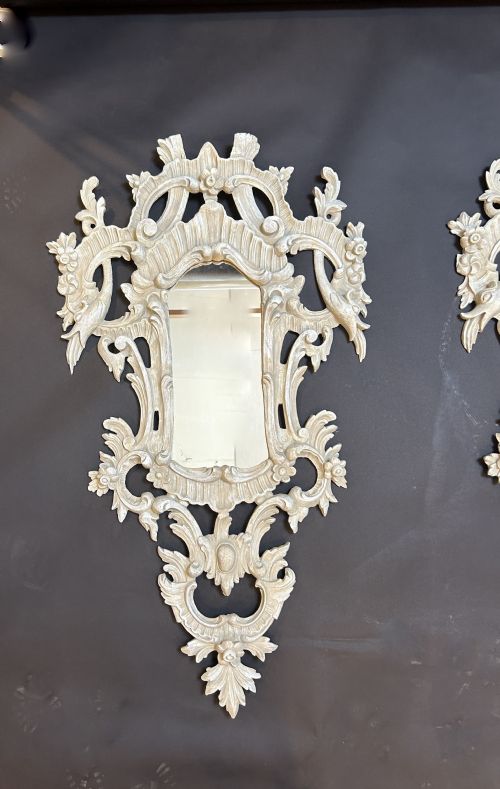
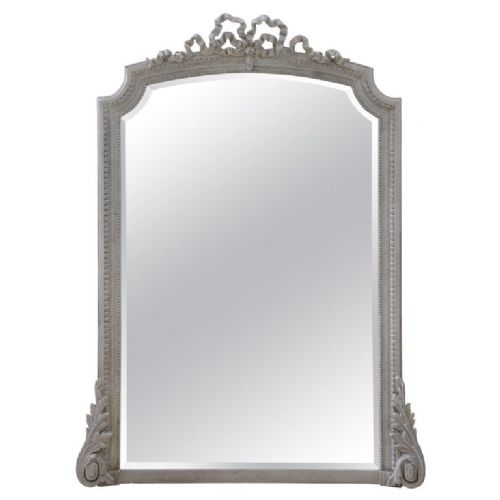


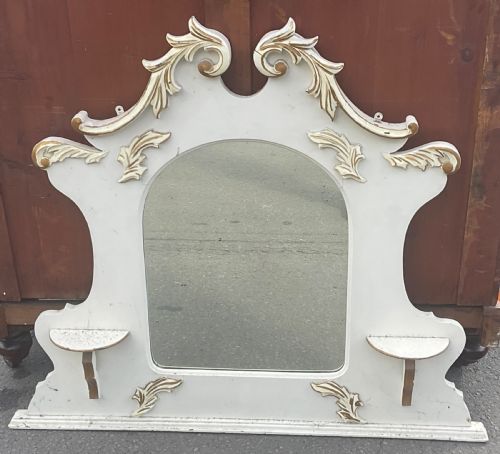


Shabby Chic Carved Mirror
A shabby chic carved mirror brings tactile character and distressed charm to a room, combining ornate period woodwork with weathered painted finishes.
Shabby Chic Carved Mirror
When you search for a shabby chic carved mirror, you encounter pieces originating from the nineteenth and early twentieth centuries, spanning the Victorian, Edwardian, and French Chateau styles. These items predominantly take the form of wall mirrors and substantial overmantel mirrors designed to sit above a fireplace.
The selection frequently includes English country and French regional items, alongside continental pairs and Venetian console tables. The forms range from shaped and arched tops to grand proportions finished with painted surfaces.
Most examples date between eighteen sixty and nineteen twenty, showing the enduring appeal of carved wooden frames with time-worn patination. Buyers find both intimate wall pieces and large architectural overmantels within this grouping.
Materials and construction
The construction relies fundamentally on carved wood, which provides the structural framework and the intricate relief details characteristic of the period styles. Artisans applied layers of gesso over the wood substrate to build up smooth surfaces for crisp decorative moulding.
Object forms on this page include grand overmantel mirrors, domestic wall mirrors, and occasional console tables.
Assessing quality and craftsmanship
The distinction between standard and superior pieces rests on the depth and precision of the carved wood detailing. Finer examples display masterly hand-carved relief work on shaped and arched top frames rather than simpler mechanical profiling.
The integration of gesso and the historical layering of paint dictate the visual richness of the surface. Authentic age-related wear on painted wood and original mirror glass creates a cohesive aesthetic that differentiates superior specimens from lesser decorative items.
The Shabby Chic Carved Mirror Glossary
- Gesso
- A plaster-like mixture applied to wood frames to create a smooth surface for carving and gilding. This compound allows for intricate relief ornamentation before painting.
- Overmantel Mirror
- A large mirror specifically proportioned to hang on the wall above a fireplace mantel. These pieces dominate a reception room and reflect light across the interior.
- Rococo Revival
- A nineteenth-century design movement characterised by asymmetrical scrolls, C-curves, and naturalistic plant motifs. It heavily influences the ornate frames seen in French and English mirrors.
- Venetian Rococo
- A regional style known for elaborate glasswork and decorative carved elements originating from Venice. Pieces from this tradition bring distinct continental flair to an interior.
Shabby Chic Carved Mirror: Frequently Asked Questions
Where should I hang a large overmantel mirror?
These large mirrors traditionally sit directly above a fireplace mantel to anchor the room and bounce natural light around the space. They also function effectively on principal walls in dining rooms or hallways.
Ensure the wall construction supports the substantial weight of carved wood and gesso frames before mounting.
How do I identify a Victorian mirror?
Victorian pieces often feature robust proportions, deep carved wood, and traditional gesso finishes reflecting nineteenth-century revival styles. Look for architectural cues like arched tops and heavy frames.
Construction methods and materials from this era typically include solid timber foundations paired with period mirror glass.
What defines the shabby chic look?
The aesthetic relies on weathered paint finishes, exposed wood grain, and the gentle patination accumulated over decades of use. This style celebrates the visible history of an object rather than a pristine factory finish.
Authentic pieces achieve this character through genuine age rather than modern artificial distressing.
Can I pair these mirrors with modern interiors?
Placing an ornate carved mirror within a contemporary setting creates a striking contrast between old-world craftsmanship and minimalist design. The weathered painted surfaces soften clean modern lines.
Scale is the main consideration when mixing periods, ensuring the mirror proportions complement the surrounding wall space.