




Ornamental Brass Mantel Clock
An ornamental brass mantel clock brings heavy metalwork and steady ticking into a room, offering both sculptural presence and timekeeping.

Ornamental Brass Mantel Clock
An ornamental brass mantel clock sits upon a fireplace shelf or desk, functioning primarily as a decorative object with a dial for telling time. These pieces span centuries of design, with numerous examples drawing on French styles.
The selection here includes items described as mantel clocks, desk clocks, bracket clocks, and clock sets. Buyers frequently encounter nineteenth-century production, particularly Victorian pieces alongside earlier eighteenth-century items.
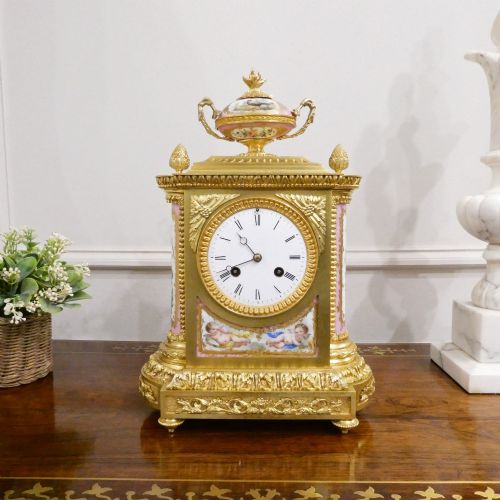
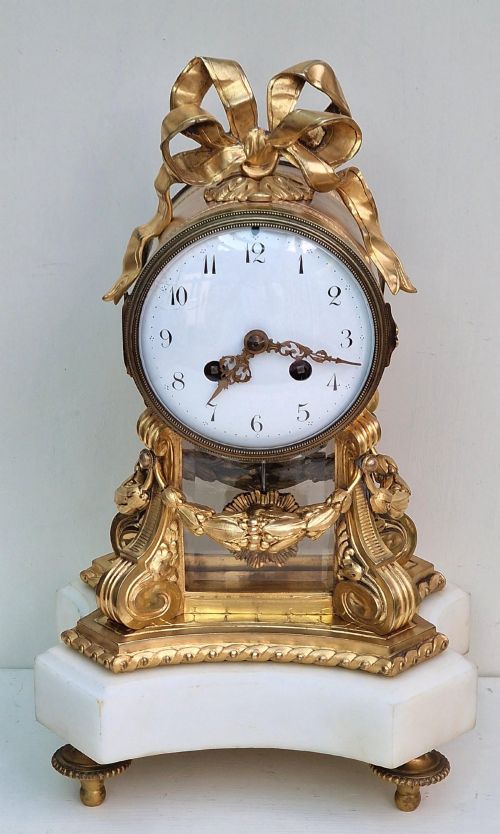
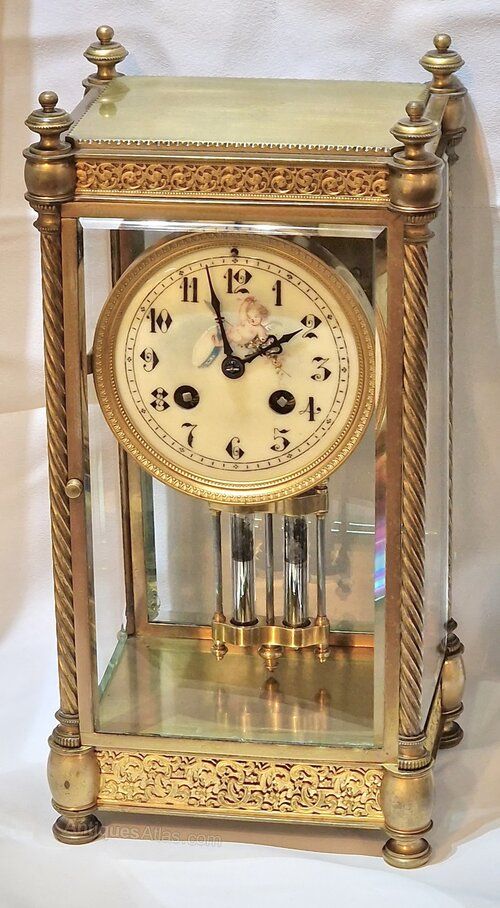
Makers housed movements within brass, gilt bronze, ormolu, marble, and porcelain bodies. Many feature glass panels, enamel dials, and figural details such as cherubs or lions.
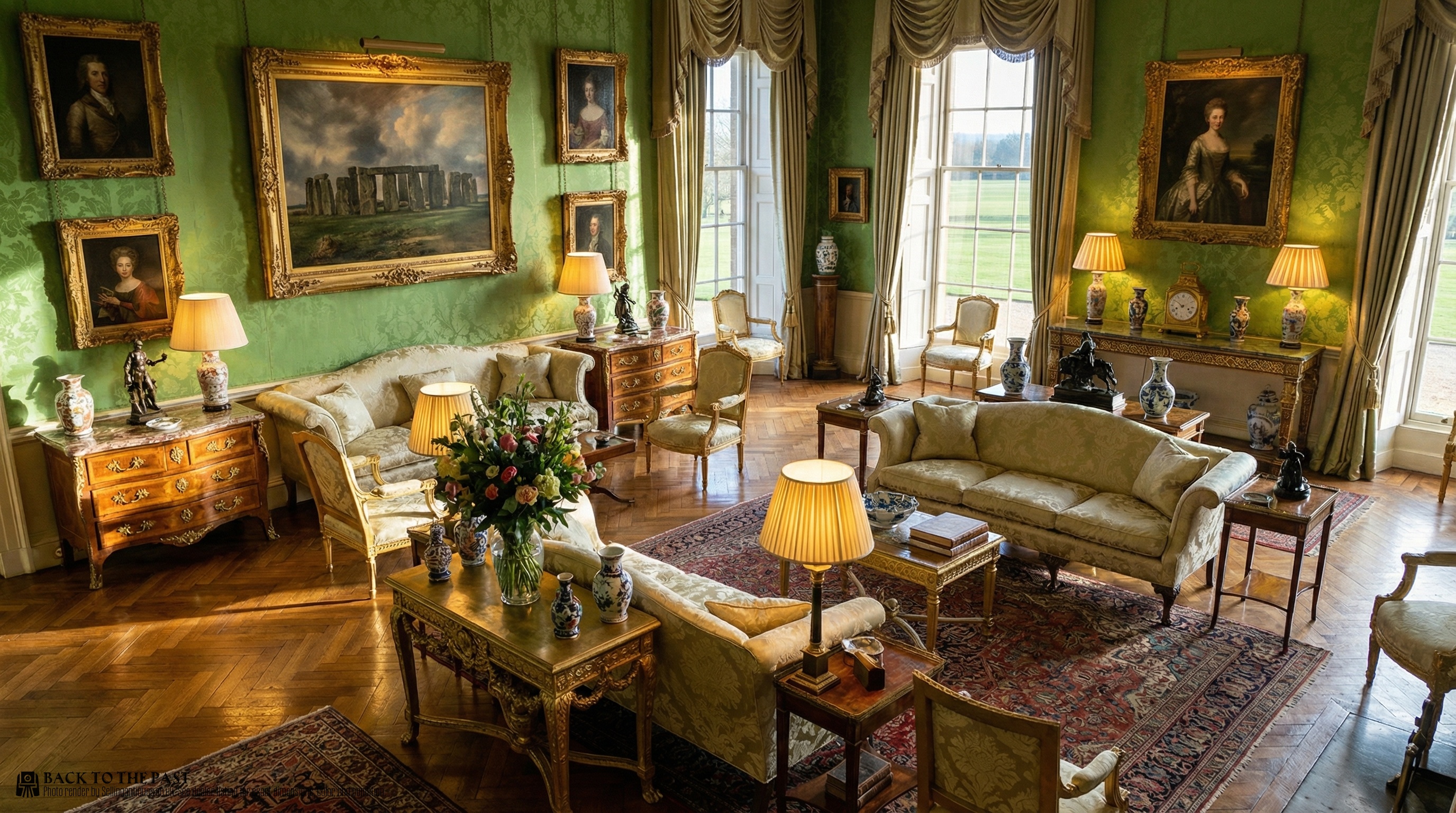
How they were made
Craftsmen built these clocks using metal casting techniques for brass, gilt bronze, and ormolu mounts. Foundries shaped these metals into architectural porticos, figural subjects, and ornate decorative frames.
Makers combined brass and bronze with contrasting materials like white marble, porcelain panels, and wood veneers such as rosewood and lemon wood. Enamel provided a smooth surface for painted clock dials.
Interiors contained mechanical movements driven by springs and weights, sometimes featuring double fusee or striking mechanisms designed to mark the passing hours.
Several cherubs keep watch over the clock faces, ensuring time passes under divine supervision.
What varies in quality
The crispness of the metal casting and the depth of the chasing distinguish standard production from finer work. Heavier mounts and more intricate figural details indicate greater skill in the workshop.
The integration of secondary materials changes the character of a piece, from simple brass cases to elaborate combinations of porcelain, marble, and gilt bronze. Enamel dials with finely painted numerals show higher attention to detail.
Jean-Baptiste Delettrez·Chater And Son·James Murray·F Marti
The Ornamental Brass Mantel Clock Glossary
- Ormolu
- A technique of applying finely ground high-carat gold to an object of bronze. This gilded bronze finish provides a bright yellow metallic sheen found on many nineteenth-century French clock cases.
- Double fusee
- A mechanical system using a conical pulley and chain to ensure equal tension on the clock's mainspring as it unwinds. This mechanism helps the clock maintain more accurate time.
- Portico clock
- A clock case designed in the architectural shape of a classical portico with columns supporting a pediment. These tall, symmetrical structures often house the pendulum within the central opening.
- Bracket clock
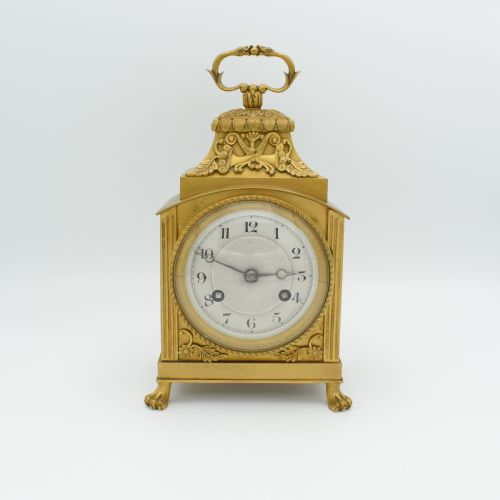
- A portable table clock originally designed to sit on a wall bracket. By the period of these listings, the term describes substantial table clocks with handles or flat bases.
- Pendule d'Officier
- A military-style carriage clock fitted with a striking movement and a carrying handle. These compact French clocks were designed for travel by officers.
Ornamental Brass Mantel Clock: Frequently Asked Questions
How do I wind a mantel clock?
Most mechanical clocks require a key inserted into the dial holes to tighten the springs. Turning the key clockwise until gentle resistance is felt powers the movement for days.
Care must be taken not to overwind the springs, which can damage the internal gearing. Matching the key size precisely to the square arbors prevents slipping.
Where should I place my clock?
Mantel clocks sit securely on firm, level surfaces like fireplace shelves, sideboards, or heavy desks. A stable foundation keeps the pendulum swinging evenly.
Placing the clock away from direct sunlight, damp walls, and heat sources protects the metal finishes and wood veneers from warping or fading.
Why does the clock run fast or slow?
Mechanical clocks are sensitive to temperature changes and minor shifts in level. Adjusting the pendulum regulator screw alters the effective length of the pendulum to correct the timing.
Older movements also accumulate dust and dry oils over time, requiring professional cleaning to restore a steady beat.
How do I identify the period?
Stylistic clues such as Louis XVI revival motifs, heavy Victorian proportions, or eighteenth-century lacquerwork indicate the era of manufacture. Materials like white marble and ormolu also point to specific decades.
Maker signatures stamped on the brass movement plates provide definitive dates and origins when present.