
Vintage French Mantel Clock
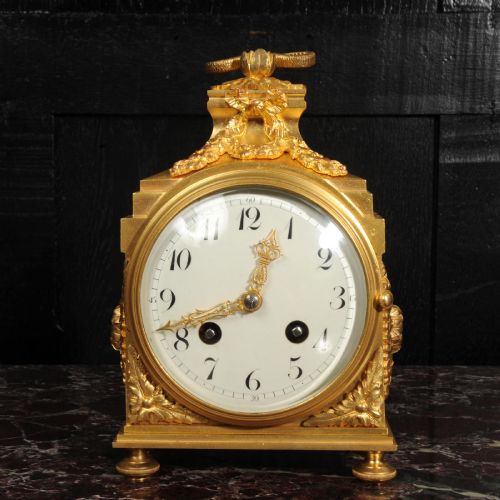
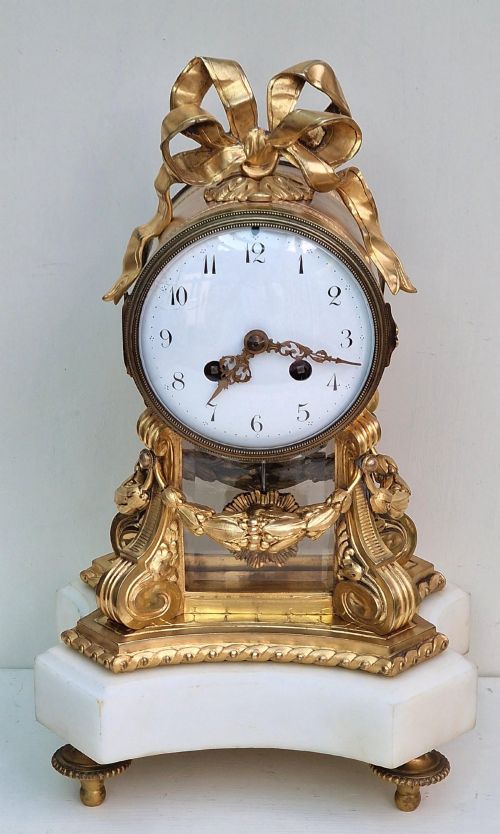
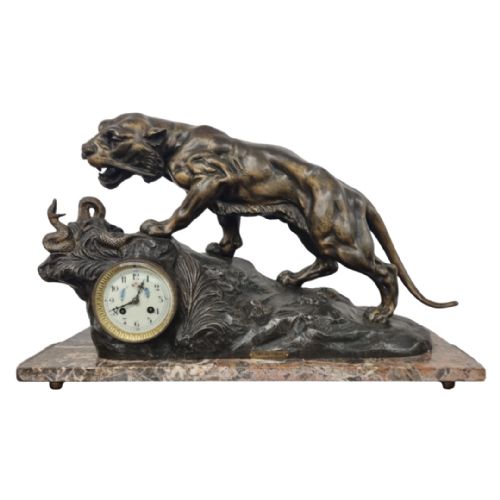
These vintage french mantel clock pieces combine heavy brass, marble, and gilt bronze, offering a striking centrepiece for a room.
Vintage French Mantel Clock
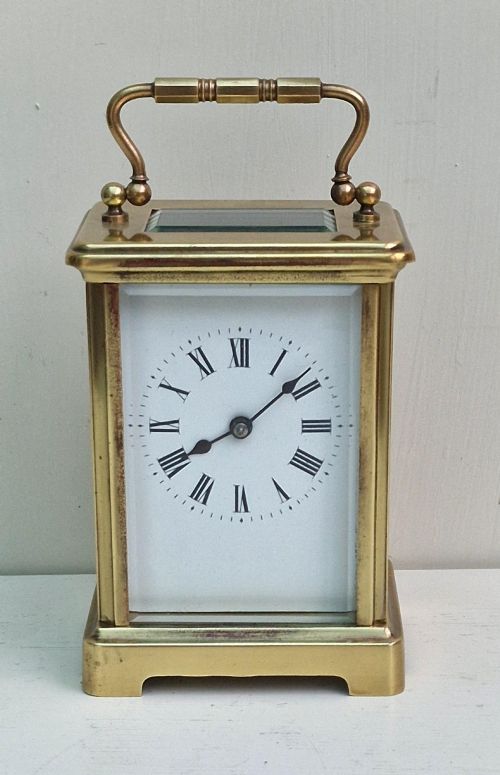
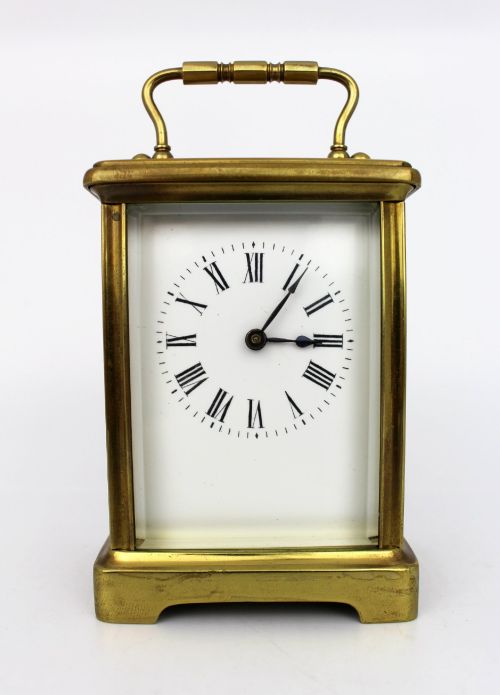
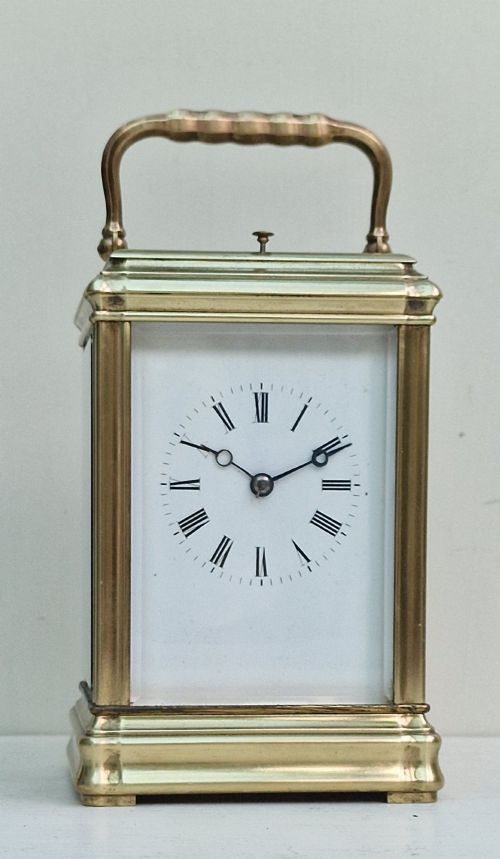
A vintage french mantel clock encompasses everything from ornate 19th-century ormolu and marble pieces to streamlined Art Deco designs in bakelite and glass. You will frequently encounter brass carriage clocks housed in glass cases, alongside larger portico and garniture sets originating from French workshops.
The selections span distinct periods such as the Victorian era, Edwardian years, and the 1920s, reflecting stylistic shifts from French Rococo Revival and Empire towards geometric Art Deco. Table clocks and miniature carriage clocks appear regularly among the larger striking and repeating mantel pieces.
Materials and Construction
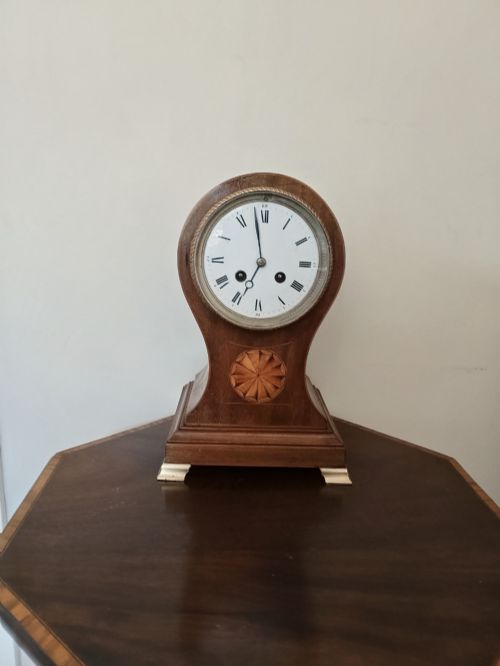
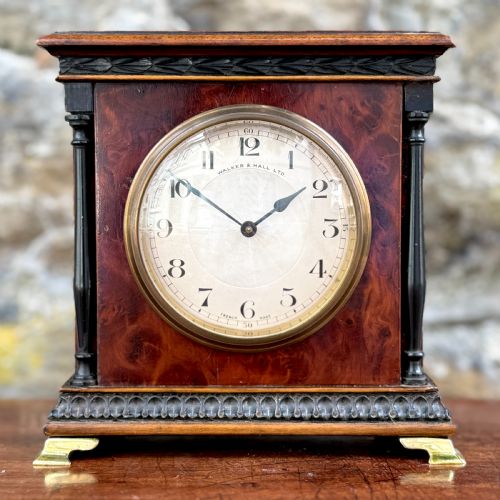
Clock makers utilised durable metals like brass, gilt bronze, and ormolu to form heavy structural cases, frequently combining them with white marble, rosewood, and mahogany. Enamel dials and porcelain panels provide contrasting white and coloured surfaces behind glass viewing windows.
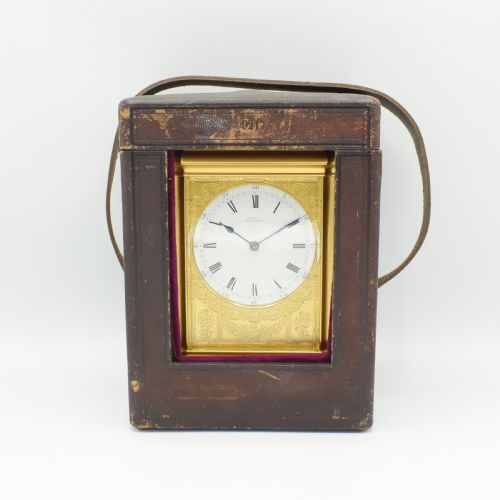
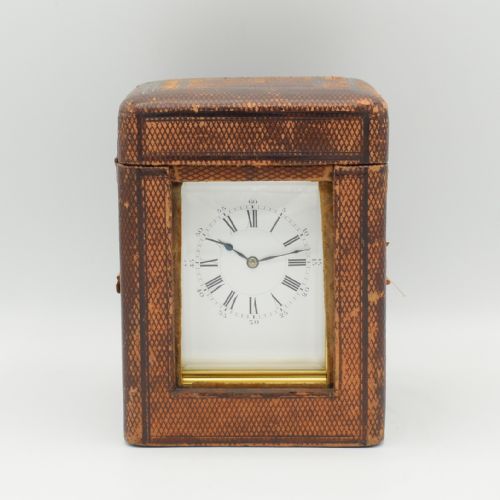
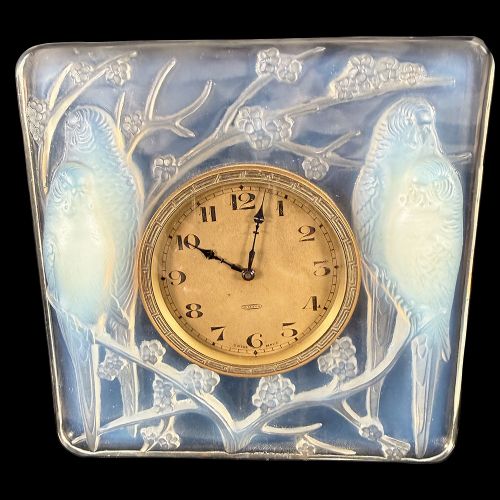
Decorative detailing relies on hand engraving, champleve enamel work, and inlaid wood, while later 20th-century examples introduce moulded opalescent glass and bakelite. Movement mechanisms sit securely inside these protective metal and glass housings, often accompanied by leather travel cases.
Some clocks feature love birds guarding the dial, proving that even mechanical timepieces appreciate a bit of romance.
Assessing Excellence
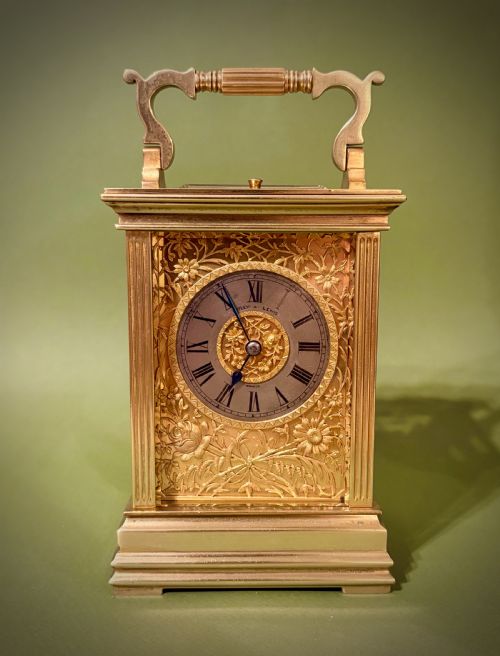
Quality rests upon the crispness of the cast bronze or ormolu mounts, the depth of hand engraving on brass cases, and the inclusion of repeating or striking mechanisms. Finer examples display meticulous attention to detail on porcelain panels, champleve enamel work, and integrated figural sculptures.
The integration of materials also dictates distinction, separating standard brass table clocks from elaborate garniture sets featuring matched side ornaments and polished marble bases. Maker attribution and original travel cases elevate specific pieces within their respective periods.
Henri Jacot·Walker and Hall·R Lalique·Pickford of London·T Martin and Co
The Vintage French Mantel Clock Glossary
- Ormolu
- Gilded bronze cast and chased to produce decorative metallic mounts on furniture and clocks. This technique was widely utilised across 19th-century French pieces.
- Carriage Clock
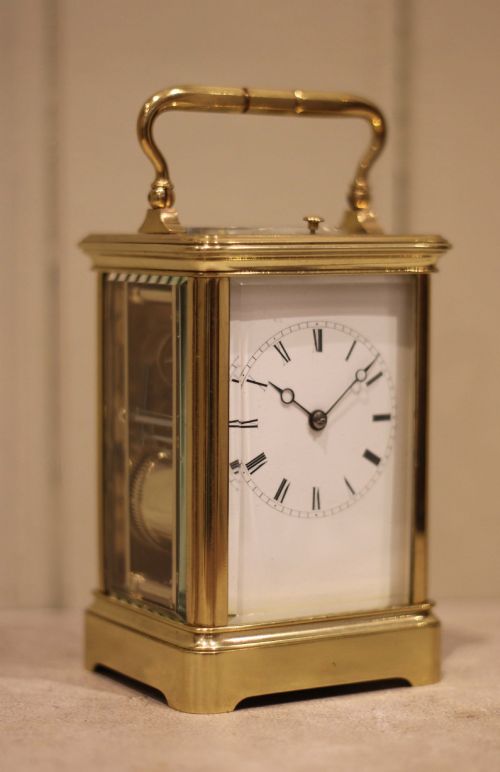
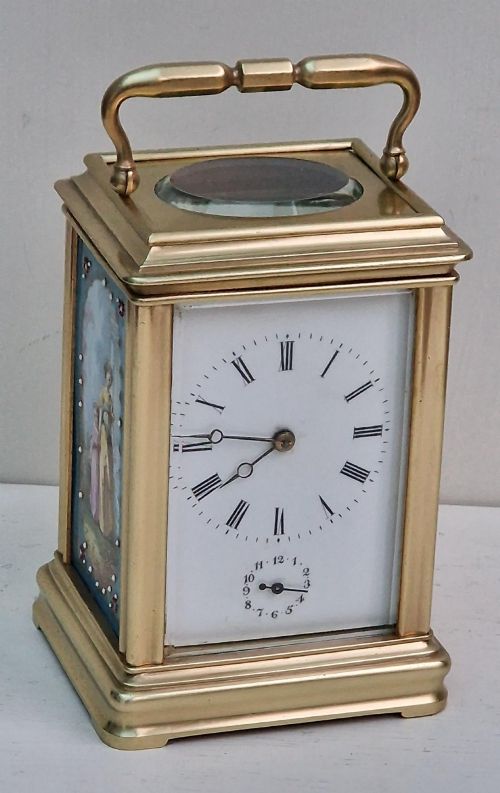
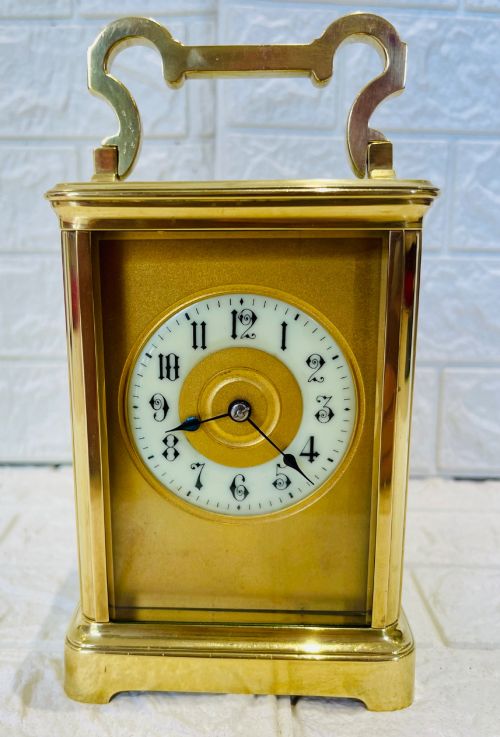
- A portable spring-driven clock designed for travel, typically fitted with a carrying handle and glass panels. They frequently feature brass or gilt bronze frames.
- Garniture
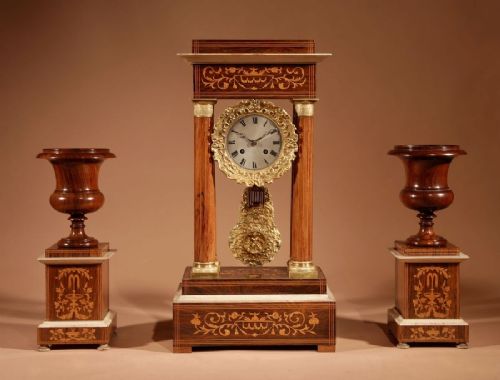
- A set consisting of a central clock flanked by matching decorative ornaments such as vases or figures. These matching sets were popular display items on mantelpieces.
- Champleve Enamel
- A technique where troughs are dug into a metal surface and filled with vitreous enamel before firing. This colourful decoration appears on various 19th-century clock surfaces.
- Portico Clock
- A architectural clock style supported by four or more columns resembling a classical portico. Charles X and Louis Philippe periods frequently produced this form.
Vintage French Mantel Clock: Frequently Asked Questions
What is a carriage clock?
A carriage clock is a small, portable spring-driven timepiece fitted with a handle and glass panels so the movement can be seen from all sides. Originally built for travel, these pieces sit easily on desks and shelves.
Most examples utilise brass or gilt bronze frames and were designed to be packed into leather travel cases for protection during journeys.
How do repeating mechanisms work?
A repeating mechanism allows the clock to chime the last hour or quarter-hour on demand when a button or lever on the case is pressed. This function was particularly useful during the night before mechanical lighting.
Clocks featuring this complication require more intricate internal gearing and are generally found on higher quality pieces from the 19th century.
What materials were used?
Makers constructed these clocks using a foundation of heavy brass, gilt bronze, or ormolu, often paired with white marble, mahogany, and rosewood. Enamel dials and porcelain panels provided smooth surfaces for painted numbers.
Later 20th-century models introduced modern industrial materials including bakelite and opalescent moulded glass for streamlined Art Deco aesthetics.
How do I date a mantel clock?
Dating relies upon stylistic clues such as the heavy ornamentation of Victorian French Rococo Revival pieces compared to the geometric lines of 1920s Art Deco bakelite models. Material combinations and engraved maker signatures on the movement or dial also help narrow the decade.
Earlier 19th-century pieces often feature architectural portico designs and mercury gilding, whereas Edwardian and later 20th-century versions shift toward simpler mahogany or glass housings.