

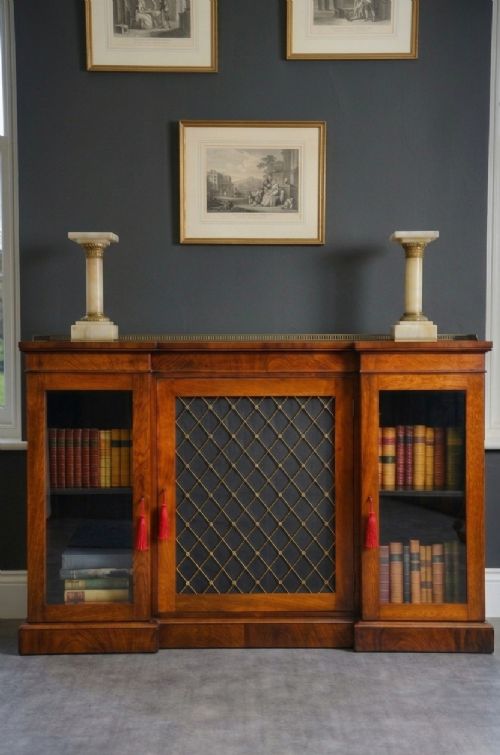
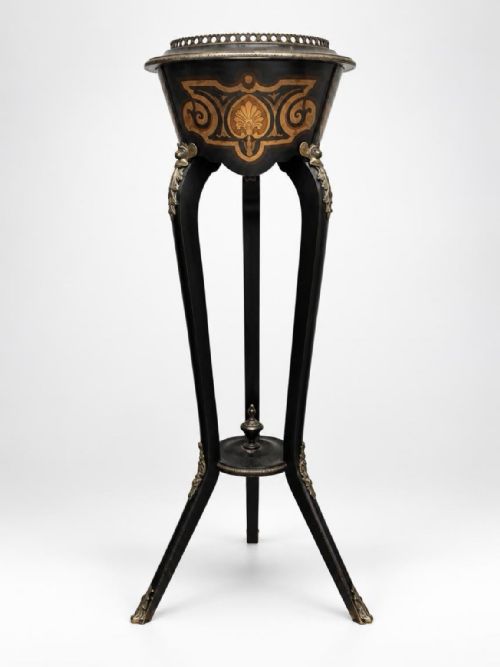
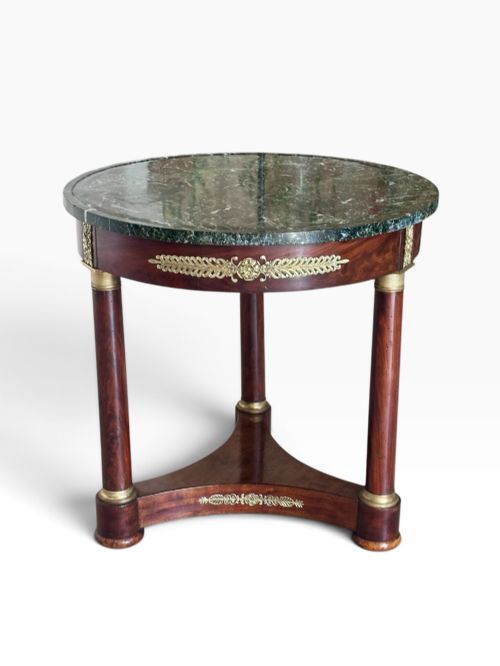
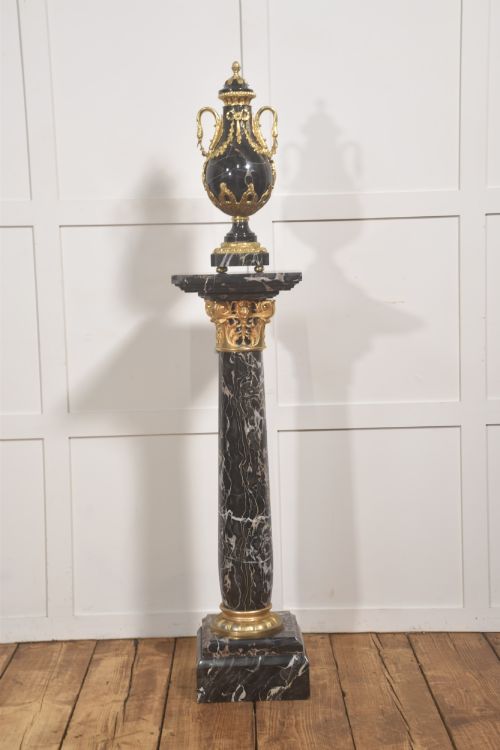



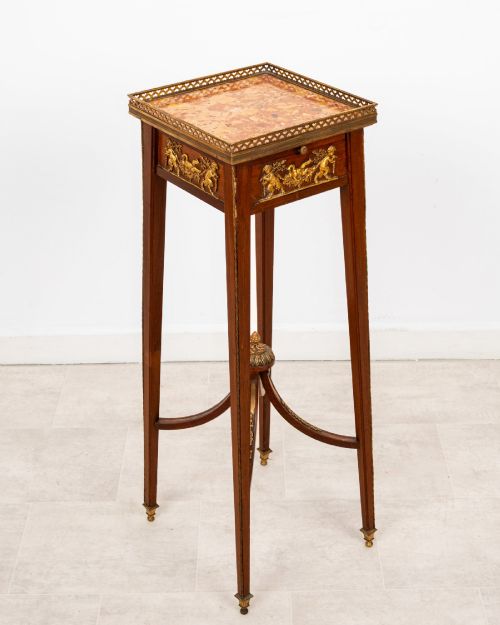
Ormolu Mount Pedestals
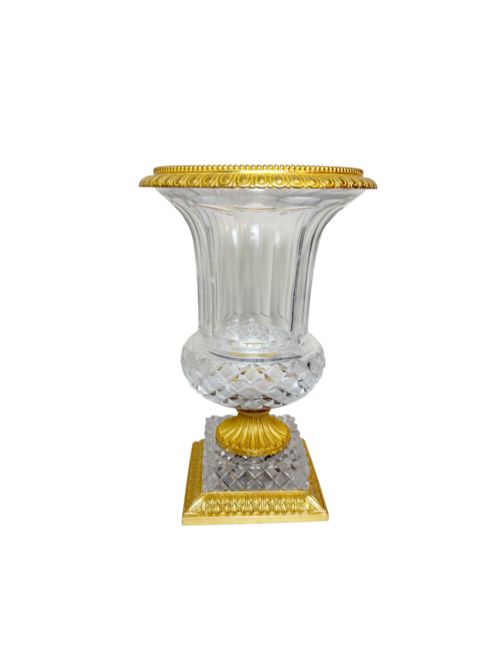
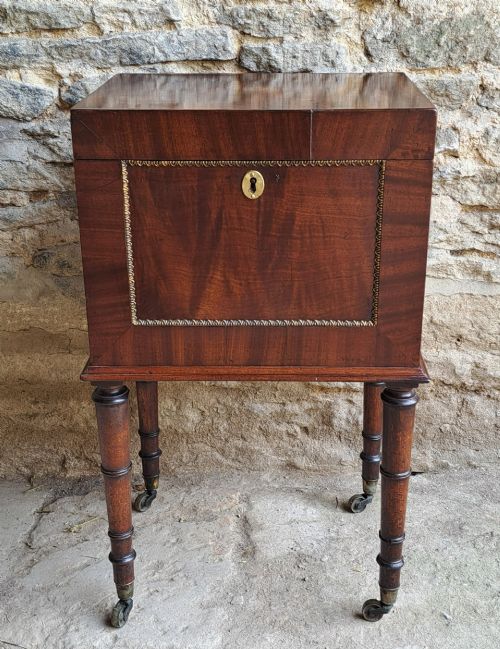
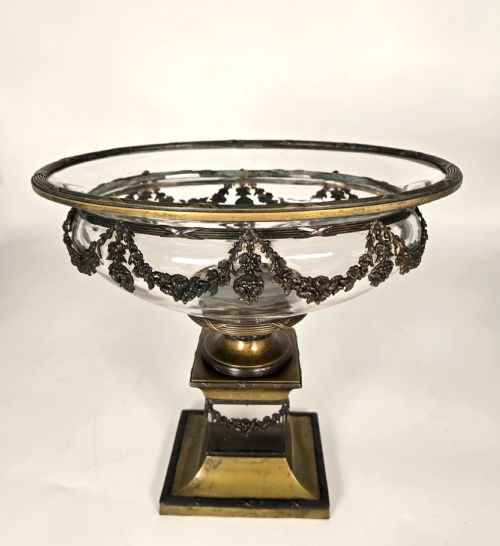
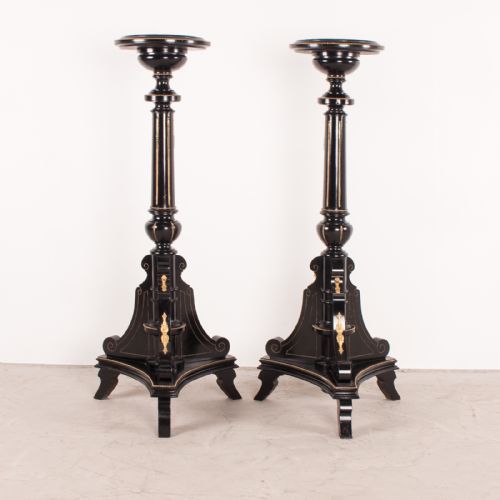
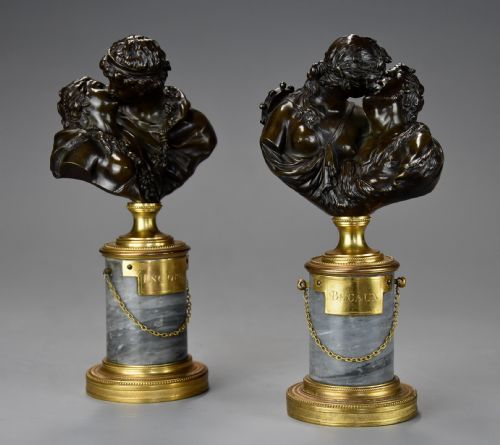
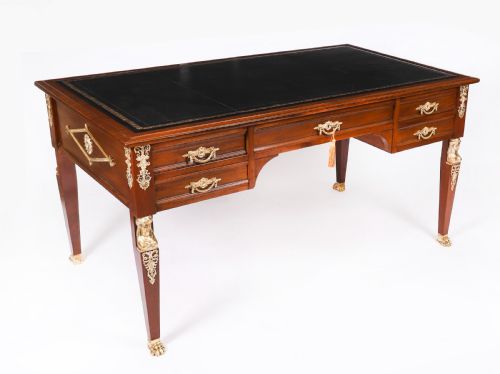
These ormolu mount pedestals combine architectural timber and cast bronze decoration to elevate display surfaces with classical proportion.
Ormolu Mount Pedestals
When you search for ormolu mount pedestals, you encounter architectural columns, display stands, and tall supports designed to elevate busts, urns, and decorative objects. The selection draws primarily from nineteenth-century French and Victorian workshop traditions, spanning formal neoclassical forms and ornate rococo revival designs.
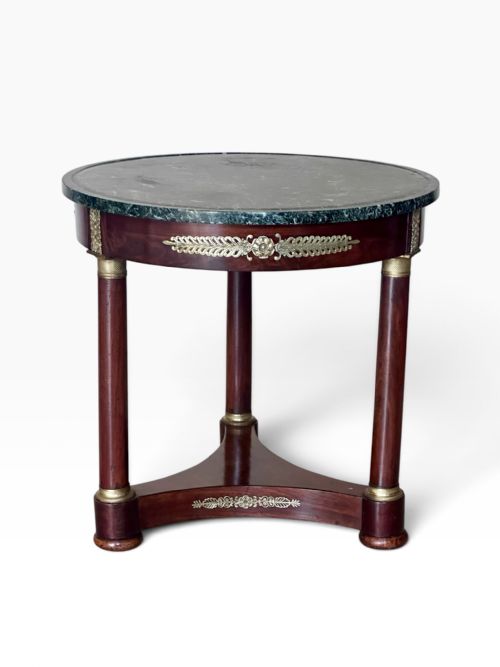
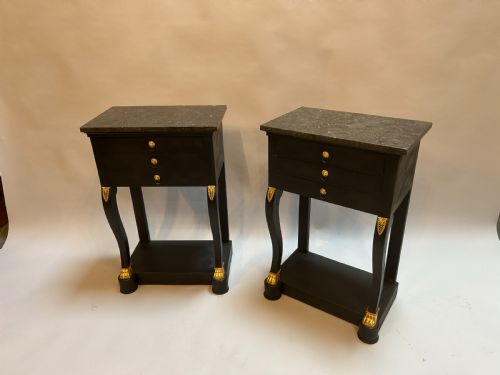
Most examples combine substantial timber bodies with cast and gilded bronze mounts placed symmetrically around capitals, plinths, and friezes. These pieces served both functional display roles and decorative architectural functions within formal nineteenth-century interiors.
How they were made
Cabinetmakers constructed the primary structures using dense hardwoods such as mahogany, walnut, kingwood, and ebonised timber, frequently enhanced with intricate marquetry or contrasting veneers. Surfaces often incorporated inset marble tops designed to provide a stable, cool surface for heavy decorative items.
The metallic enrichment relies on ormolu, which involves applying finely ground gold amalgam to cast bronze or brass, then firing the piece to create a durable, matte-and-bright golden finish. These metal mounts were meticulously chased by hand after casting to sharpen details like acanthus leaves and classical motifs before being fixed to the timber with small brass pins.
Ormolu Mount Pedestals Retail Price Guide 2026
Typical asking prices for ormolu mount pedestals among the pieces listed under this phrase on Sellingantiques today, from the lower quarter to the upper quarter. They describe what is for sale here now, not the wider market.
Several pedestals are sturdy enough to support a heavy neoclassical urn, though they probably spent their youth holding up a potted fern.
What varies in quality
The distinction between ordinary and exceptional pieces rests on the crispness of the bronze casting and the depth of the subsequent hand-chasing. Superior mounts show sharp relief and naturalistic texture in foliage and figures, whereas weaker work appears soft and uniform.
Timber selection and veneer matching also dictate standard, with finely figured mahogany, burr walnut, and exotic hardwoods demonstrating superior cabinetmaking skill. The precision with which the metal mounts fit the contours of the underlying wood reveals the standard of workshop execution.
The Ormolu Mount Pedestals Glossary
- Ormolu
- Gilt bronze produced by applying a mercury and gold mixture to a bronze base and firing it in a kiln. This technique creates a rich golden finish that resists tarnishing over centuries.
- Gueridon
- A small circular table on a single central column or tripod base. These tables frequently feature marble tops and decorative mounts.
- Torcher
- A tall stand or pedestal originally intended to hold a candle or torch. Nineteenth-century versions often take the form of slender classical columns.
- Marquetry
- The art of applying decorative pieces of veneer to a structural surface to form intricate patterns. Cabinetmakers used various tinted woods to achieve pictorial and geometric designs.
- Chasing
- The manual finishing of cast metal using small punches and hammers. This process sharpens surface details and creates contrasting matte and polished textures.
Ormolu Mount Pedestals: Frequently Asked Questions
What were ormolu mount pedestals used for?
These tall stands served as display furniture for sculptures, large porcelain vases, and decorative urns within nineteenth-century reception rooms. By elevating the object, the design drew the eye and highlighted the material quality of the piece displayed on top.
They also functioned as architectural accents within a room, balancing heavy furniture and helping to divide large spaces into distinct seating or viewing zones.
How do I identify French Empire pedestals?
French Empire pieces rely on strict classical geometry, symmetry, and references to ancient Roman and Greek design. You will typically see dark mahogany timbers contrasted with crisp, matte ormolu mounts depicting military trophies, swans, or classical palmettes.
The proportions remain heavy and monumental, reflecting the aesthetic promoted during the Napoleonic period. Ormolu mounts on these pieces are frequently thicker and more heavily chased than later nineteenth-century interpretations.
Where should I place a pedestal at home?
These pieces suit corners, blank wall spaces, or flanking points beside doorways where an architectural accent is needed. Ensure the floor is level so that heavy marble tops and tall columns remain stable.
Pair the stand with a single substantial sculpture, bronze, or ceramic vessel rather than multiple small items. Keeping the top uncluttered preserves the classical silhouette of the piece.
How do I tell nineteenth century pieces apart from later copies?
Nineteenth-century originals display hand-cut joinery methods, natural timber shrinkage patterns, and individually cast and hand-chased bronze mounts. The bronze work on period pieces shows tool marks and variations from hand-finishing under close inspection.
Later revival pieces often feature uniform machine casting in the mounts and modern assembly screws. Examining the underside and interior construction generally reveals the age of the timber and the methods used by the cabinetmaker.