







Victorian Decorative Plinths
Victorian decorative plinths elevate sculpture and ornament with the solid presence of nineteenth century craftsmanship.
Victorian Decorative Plinths
Victorian decorative plinths serve as architectural supports for display, encompassing pedestals, columns, and stand forms from the nineteenth century. Buyers encounter architectural column shapes and classical pedestal stands designed to elevate urns, figures, and ornaments.
The selections span distinct stylistic revivals, featuring Victorian, Neoclassical, and Italian Renaissance Revival influences alongside French Rococo and Art Nouveau examples. These vertical display pieces utilise substantial timbers, marble, and metals to anchor interior decorative schemes.
How they were made
Maker construction relies on timber framing, carved walnut, amboyna, and rosewood, often enhanced with painted faux marble finishes. Wood elements are shaped into columns and architectural pedestals using traditional joinery and detailed surface carving.
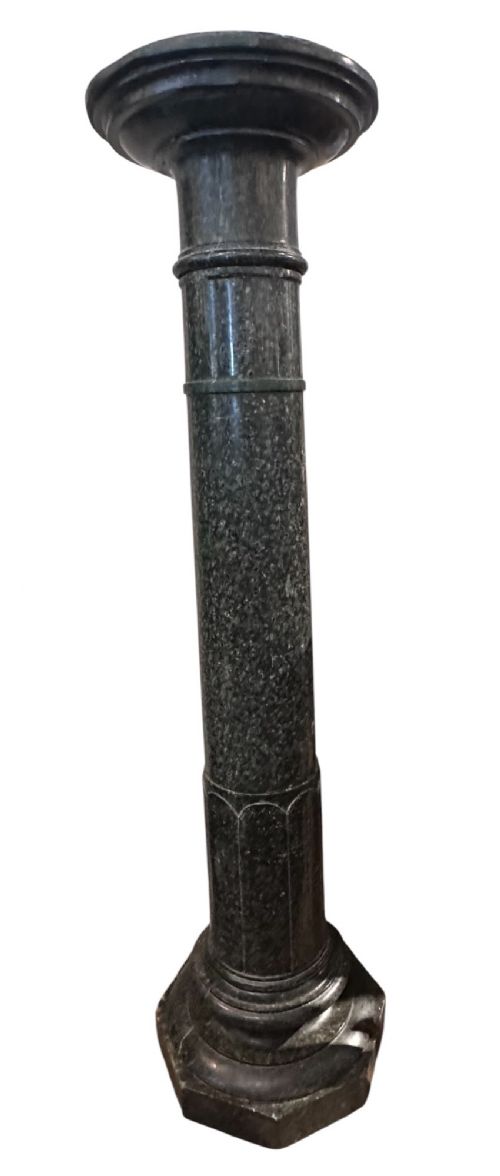
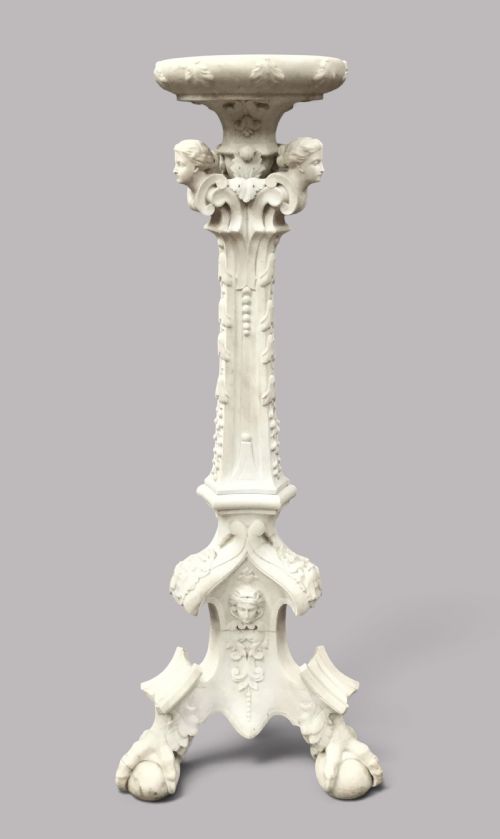
Metal components incorporate bronze, ormolu, brass, and gilt bronze, frequently applied as capitals or structural mounts. Artisans also worked directly in green, white, and antique marbles to form solid columns and supportive display bases.
Victorian Decorative Plinths Retail Price Guide 2026
Typical asking prices for victorian decorative plinths among the pieces listed under this phrase on Sellingantiques today, from the lower quarter to the upper quarter. They describe what is for sale here now, not the wider market.
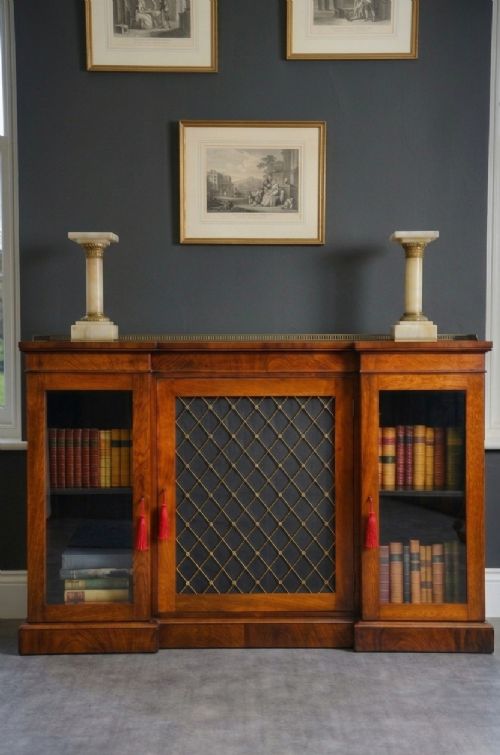
Amidst the grand marble columns and architectural bookcases, a solitary child's pull-along horse waits patiently for a rider.
What varies in quality
Quality diverges between straightforward utility stands and exhibition pieces displaying refined amboyna and carved ebony surfaces. Finer examples exhibit meticulous Italian carving in walnut or marble, whilst standard items rely on simpler painted timber construction.
The integration of cast metal ornamentation, such as ormolu capitals and bronze mounts, marks the distinction between basic supports and ambitious decorative works. Precision in the faux marble paintwork and the crispness of acanthus leaf detailing further separate the tiers.
The Victorian Decorative Plinths Glossary
- Ormolu
- A technique of applying finely ground, high-carat gold to a bronze base object. This process creates a rich, metallic lustre prized on nineteenth century mounts and capitals.
- Verde Antico
- A dark green serpentine marble heavily veined with white calcite. Italian makers utilised this distinctive stone for monumental columns and torchere stands.
- Pedestal
- An architectural support designed to elevate a statue, urn, or vase above floor level. These structures take cylindrical, square, or column-like forms in wood and stone.
- Torchere
- A tall ornamental stand originally intended to carry a torch or candle. In later periods, these slender supports held lamps, figures, or floral arrangements.
- Acanthus
- A classical leaf ornament carved into wood or cast in metal. The motif derives from Mediterranean foliage and decorates the capitals and friezes of architectural columns.
Victorian Decorative Plinths: Frequently Asked Questions
What were Victorian decorative plinths used for?
These supports elevated sculptures, bronze vases, and decorative urns within nineteenth century drawing rooms and halls. They displayed art objects at eye level to draw attention within domestic interiors.
Beyond sculpture display, similar pedestal forms functioned as plant stands and architectural columns. Their primary purpose was combining structural support with ornamental display.
How do I identify a Victorian plinth?
Examination of the materials and stylistic revival cues reveals the period of manufacture. Nineteenth century pieces often combine timbers like walnut and amboyna with cast bronze or marble.
Stylistic markers such as Neoclassical acanthus carving or Italian Renaissance Revival motifs point to nineteenth century production. The weight of the stone or density of the wood also indicates the era.
Where should I place a plinth at home?
Plinths suit corners, hallways, and living spaces where a vertical display element breaks up flat walls. They provide a stable base for heavy table clocks, bronzes, or trailing plants.
Matching the scale of the column to the room ensures the display commands the correct visual weight. Freestanding pedestals require adequate clearance to appreciate their carved details from multiple angles.
What is faux marble on a pedestal?
Faux marble refers to painted timber surfaces treated to imitate genuine quarried stone. Artisans built up paint layers to replicate the veining and depth of natural marble.
This technique offered the aesthetic impact of stone support columns without the excessive weight of solid marble. Painted architectural pieces allowed interiors to achieve classical grandeur economically.