





Original Victorian Art
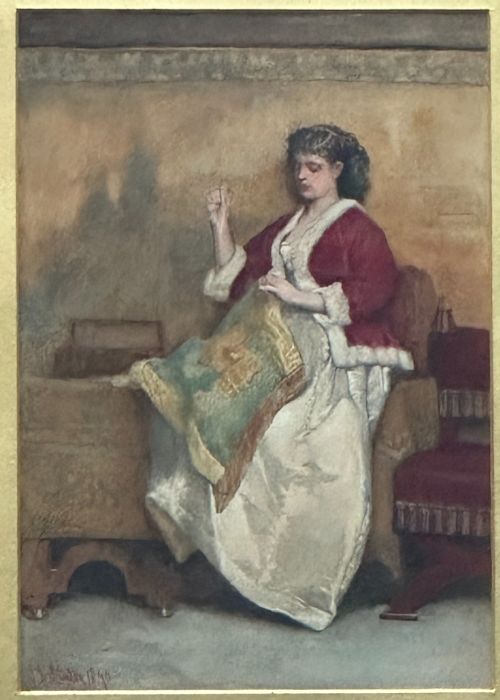
Original Victorian art brings period portraiture, pastoral landscapes and botanical studies directly into modern rooms.
Original Victorian Art
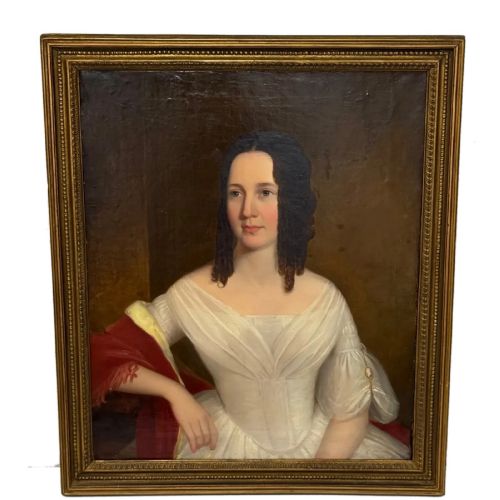
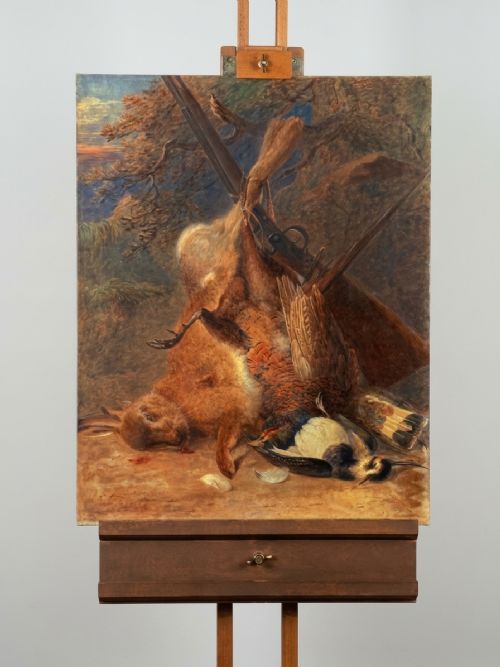
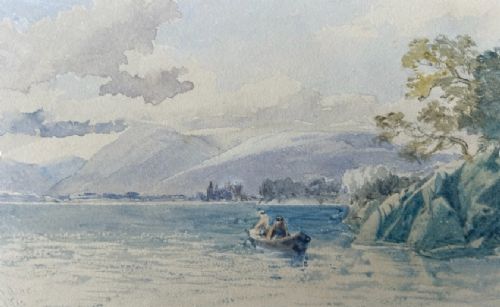
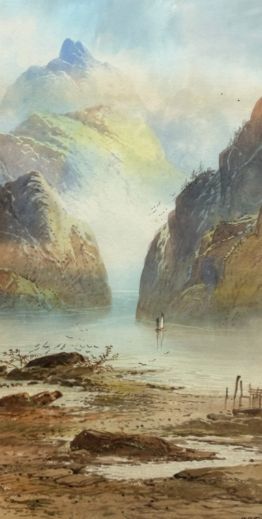
Original Victorian art encompasses 19th-century paintings, watercolours, drawings and sketches created during the Victorian era and adjacent periods like the Edwardian and Regency years.
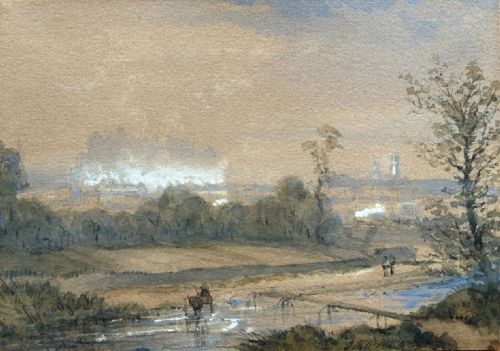
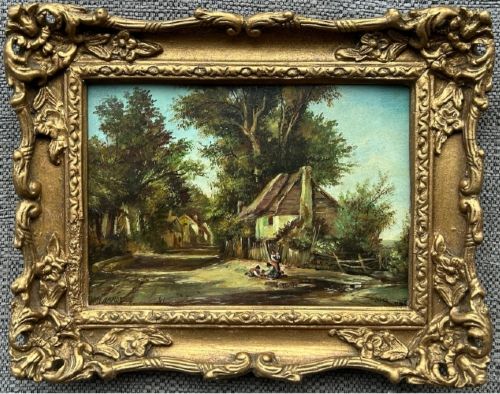
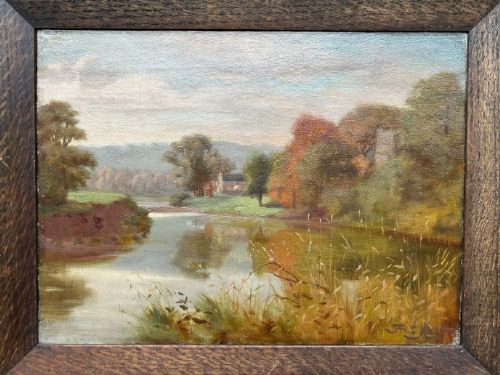
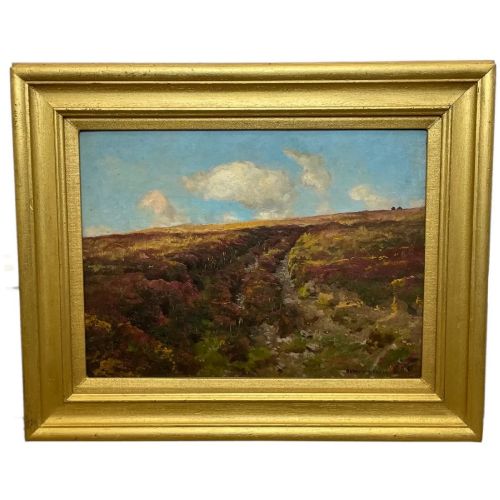
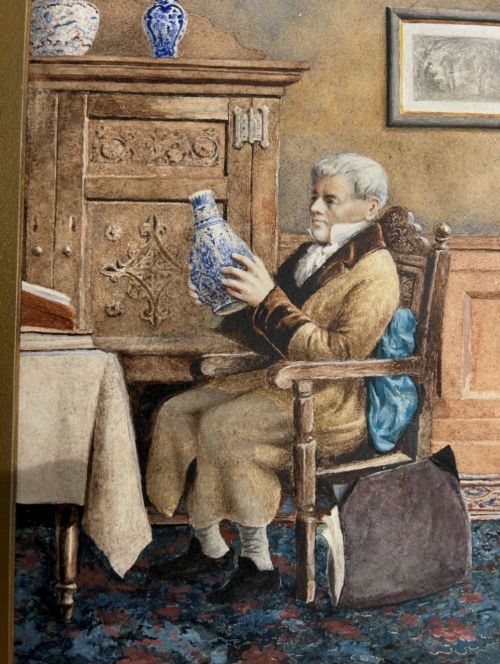
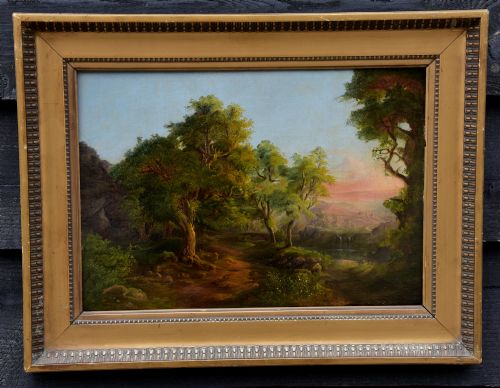
Buyers encounter framed artworks depicting domestic interiors, coastal scenes, rustic landscapes and botanical studies executed by named artists and regional painters.
These pieces reflect the distinct aesthetic movements of the 19th century, including realism, pastoralism, Pre-Raphaelite influences and romanticism.
Materials and Techniques
Artists utilised oil on canvas, board or panel, applying pigments with varied brushwork to capture light and texture in landscapes and portraits.
Watercolour paintings and bodycolour works on paper frequently incorporate ink, wash or charcoal, often preserved behind period glass and housed in giltwood frames.
Several Victorian paintings capture dogs intently watching tea parties and watching over empty bird nests.
Markers of Distinction
The distinction between works rests upon the surety of the draughtsmanship, the sensitivity of the colour palette and the artist's ability to render atmosphere and light.
Condition plays a central role, with untouched surfaces, legible signatures, dated inscriptions and original frames preserving the historic integrity of the piece.
GEORGE SYDNEY SHEPHERD·Eugène Verboeckhoven·George Fotherly Hargitt·Thomas Miles Richardson Jnr·James Orrock·William Henry Earp·Sir James Dromgole Linton·John R Prentice·Alfred Young Nutt·William Howard Hardy·Frederick Marriott·Arthur Wardle·Henry Stacy Marks·John Horace Hooper·A. Mitchell·John McDougal·Alfred Fontville de Breanski Jr·EJ Letheren·Oliver Clare·William Banks Fortescue·Stephen Samuel Lewin·Vittorio Reggianini·Thomas W Lascelles·Robert A. Nottingham·David Bates
The Original Victorian Art Glossary
- Watercolour
- A painting method where fine pigment is suspended in a water-soluble binder on paper. It requires rapid application and allows light to reflect through translucent washes.
- Bodycolour
- Watercolour mixed with white pigment to create an opaque, gouache-like finish. Artists utilise this technique to add solid highlights and dense areas of tone.
- Giltwood
- Timber carved and coated with a thin layer of gold leaf or gilt finish. These frames are frequently original to the artwork and show age-related patination.
- Pre-Raphaelite
- An artistic movement characterised by detailed observation, bright colours and complex narrative subjects. Painters in this circle rejected academic conventions for direct study from nature.
- Provenance
- The documented history and ownership trail of an artwork. Clear provenance establishes authenticity and connects the piece to its original context.
Original Victorian Art: Frequently Asked Questions
How should I hang watercolour paintings?
Watercolours require careful placement away from direct sunlight to prevent the pigments and paper from fading over time. Maintaining stable indoor humidity levels also protects the paper and original backing boards.
Using conservation-grade mounting materials helps preserve the paper during framing. Professional framing protects the delicate surface from moisture and atmospheric pollutants.
How do I identify a 19th-century oil painting?
Nineteenth-century oil paintings are typically executed on canvas, wooden panel or artist board. Examining the stretcher frames, nails, and canvas weave often reveals the age of the physical support.
Signatures, dates, and inscriptions on the reverse provide further clues regarding the date of creation. Comparing the stylistic conventions to known period works confirms the attribution.
What is the difference between a watercolour and an oil painting?
Watercolours utilise water-soluble pigments on paper supports, producing luminous, transparent effects. Oil paintings employ slow-drying pigments suspended in oil on canvas or panel, allowing for rich textures and deep colour layering.
Oils are traditionally varnished for protection, whereas watercolours rely on glass framing. Each medium offers a distinct visual weight suitable for different interior settings.
Are original frames important for antique art?
Original giltwood or wood frames contribute historical context and aesthetic harmony to 19th-century works. They show authentic wear that matches the age of the painting they enclose.
Retaining the original frame preserves the complete object as the artist or early owner intended. Minor losses to gesso or gilding are normal and generally accepted by collectors.