
Vintage Cottage Painting
A vintage cottage painting brings domestic warmth and rural tranquility into a room through traditional canvas, card, and paper.
Vintage Cottage Painting
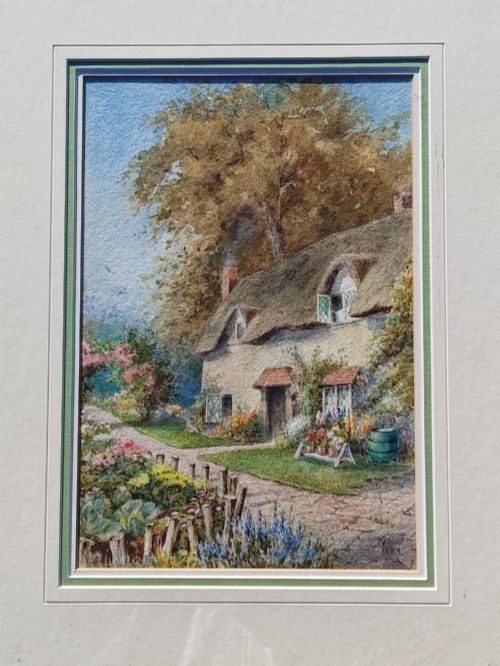
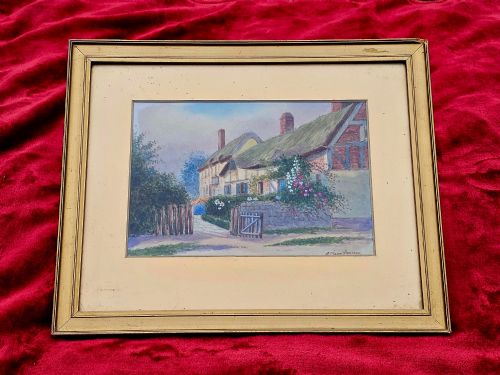
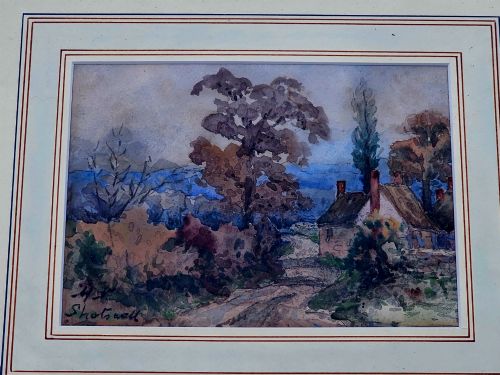
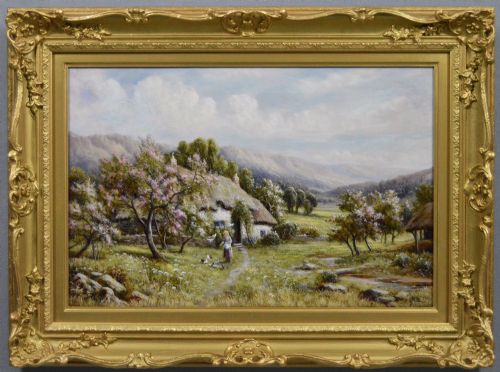
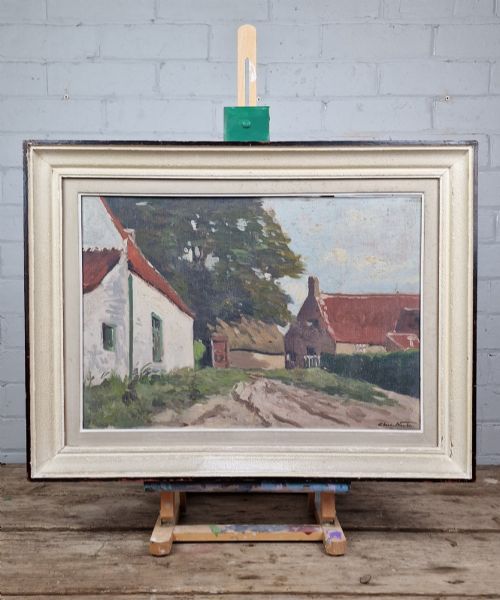
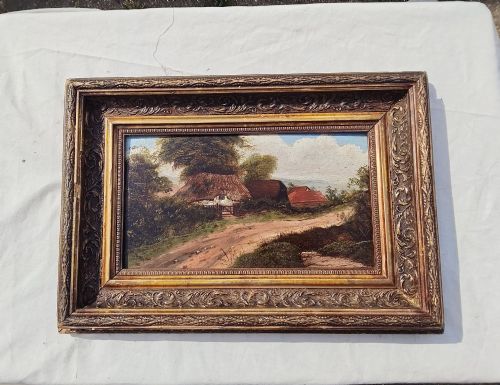
A vintage cottage painting captures rural dwellings, gardens, and pastoral life primarily from the nineteenth and twentieth centuries. These artworks frequently depict English, Scottish, and European scenes rendered through schools of impressionism and traditional realism.
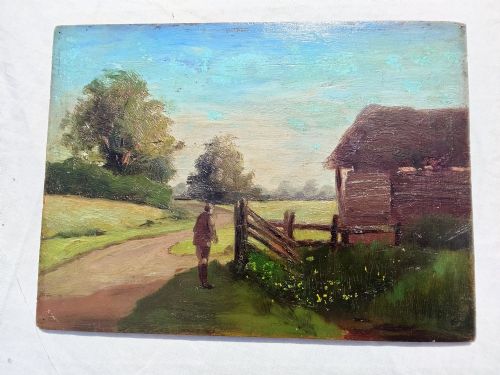
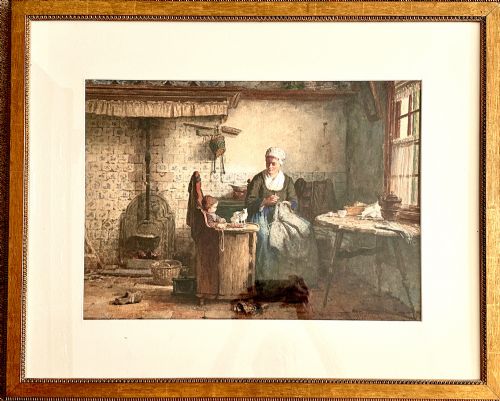
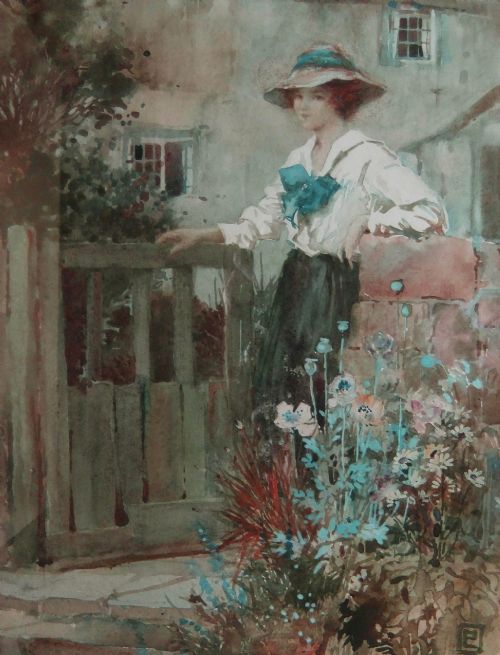
Buyers encounter oil paintings on canvas and board alongside detailed watercolours framed in period wood and gilt surrounds. The most common representations show thatched roofs, figures beside garden gates, and quiet farmyard settings.
Materials and technique
Artists utilised oil paint on stretched canvas, wooden board, and thick card, applying pigments with varied brushwork to capture natural light. Watercolours on paper provide a lighter medium, often supplemented by pencil or ink underdrawing.
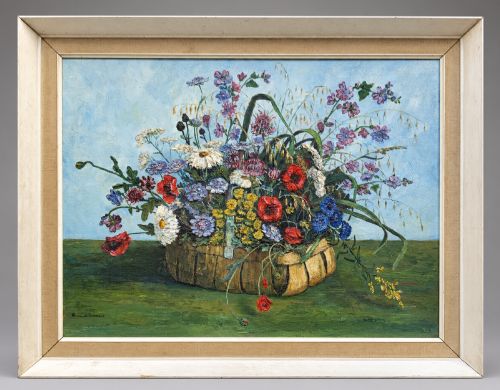
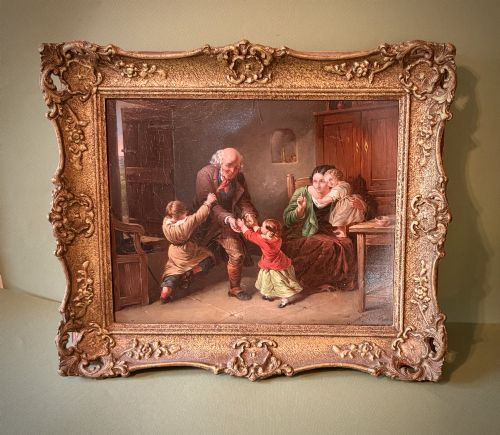
Frames typically consist of moulded wood and gilt or painted finishes designed to complement the domestic subject matter. Support materials range from heavy Victorian stretchers to mid-century boards.
Several paintings record ducks being fed by ponds while geese and sheep populate the rural lanes.
Assessing quality
Quality rests in the handling of light, atmospheric depth, and the naturalism of the brushwork rather than the mere presence of a cottage subject. Stronger examples display confident draughtsmanship and careful composition in figures and foliage.
The integrity of the original surface, stability of the pigment, and preservation within a period frame contribute significantly to the standing of an individual artwork.
Robert John Hammond·Charles Houben·Hendrik Valkenberg·Percy Lancaster·Charles Edward Wilson·Mario Pinetti·Reginald Grange Brundrit·Fred Lawson·Arthur Tucker·William Hoggatt·James Hardy Junior·George Smith·William Greaves·Charles Vickers·John McDougal·Julius Paulsen·Jakob Hansen·Harold Knight
The Vintage Cottage Painting Glossary
- Watercolour
- A painting method where fine pigment is suspended in a water-based, translucent solution applied to paper.
- Impressionism
- A style focused on accurate depiction of light in its changing qualities, often utilising visible brush strokes.
- Gilt wood
- Timber frames treated with a thin layer of gold leaf or metallic gilding to enhance the artwork.
- Genre painting
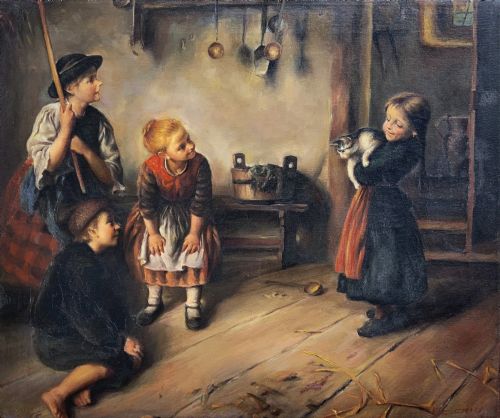
- Pictorial representation of scenes from everyday life, typically featuring ordinary people in domestic or rural settings.
Vintage Cottage Painting: Frequently Asked Questions
What periods do these paintings span?
The works primarily originate from the nineteenth century through the mid-twentieth century, encompassing Victorian, Edwardian, and mid-century modern eras.
Specific dates on canvas and paper reflect changing artistic movements including British and Scottish impressionism.
How were these artworks traditionally displayed?
Paintings from this era were housed in matching wooden frames, frequently finished with gilt or painted details to suit domestic interiors.
Watercolours required glass protection while oil paintings remained exposed on canvas or wooden board.
What subjects accompany the cottages?
Compositions frequently include figures outside doorways, garden paths filled with flowers, riverscapes, and farmyard animals.
Scenes extend to domestic interiors, coastal views, and regional landscapes across Britain and continental Europe.
How do watercolours differ from oils in these listings?
Watercolours utilise paper supports and translucent washes to create lighter, delicate renderings of gardens and rural views.
Oil paintings employ heavy pigments on canvas, card, or wood panels to build texture and deep atmospheric effects.