


Traditional Watercolour Landscape
Traditional watercolour landscape works capture countryside views and waterways through delicate washes of pigment on paper.
Traditional Watercolour Landscape
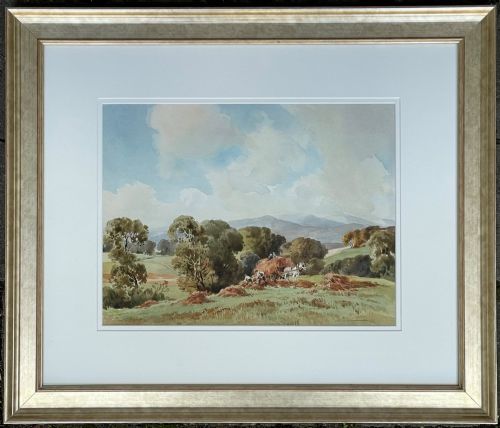
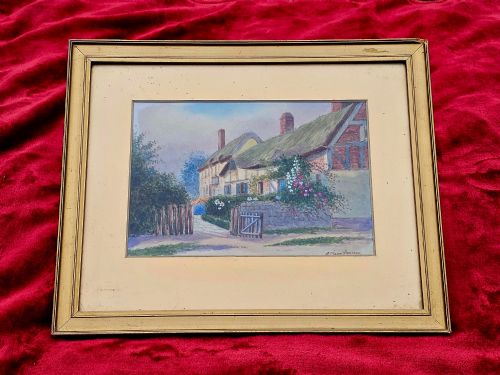
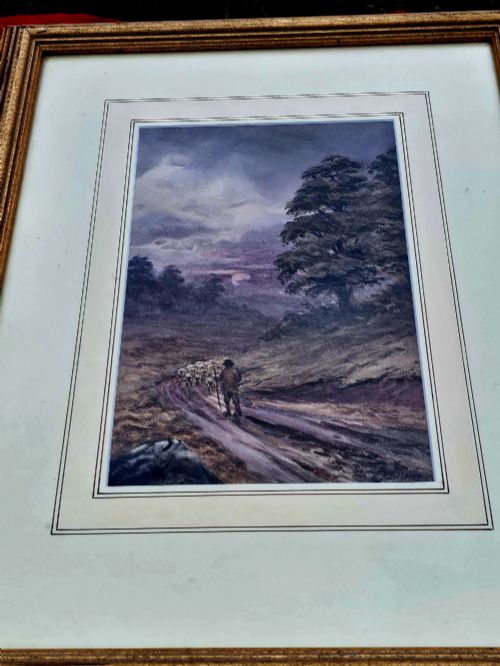
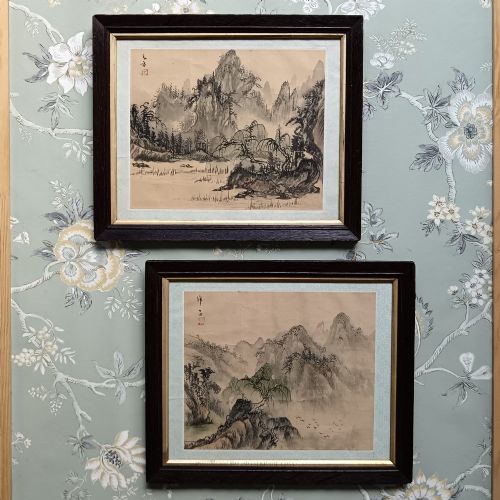
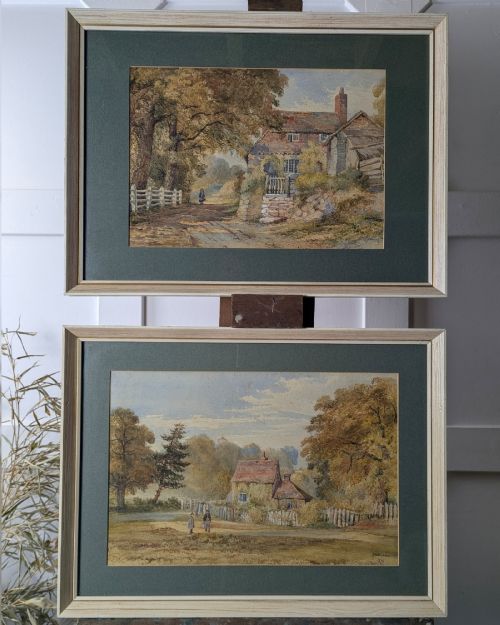
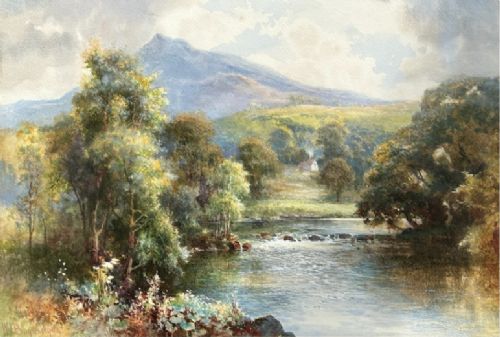
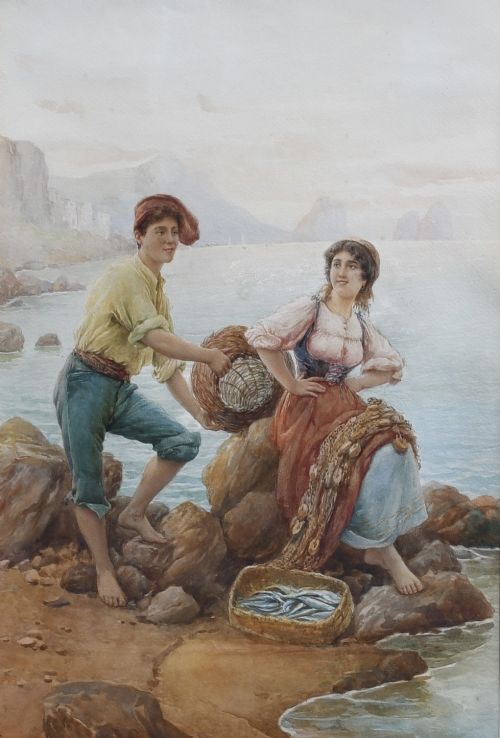
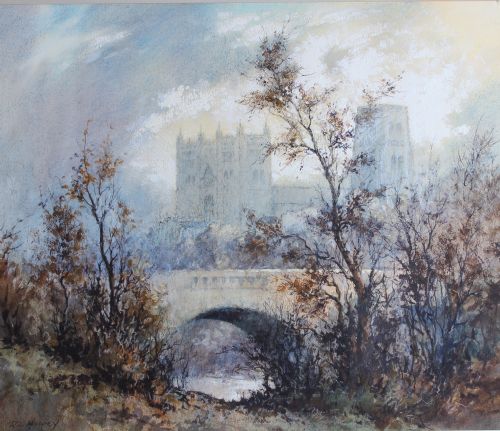
A traditional watercolour landscape brings together pastoral scenes, river views and coastal settings executed on paper. These works span the nineteenth and twentieth centuries, capturing rural life, architecture and topography across Britain and beyond.
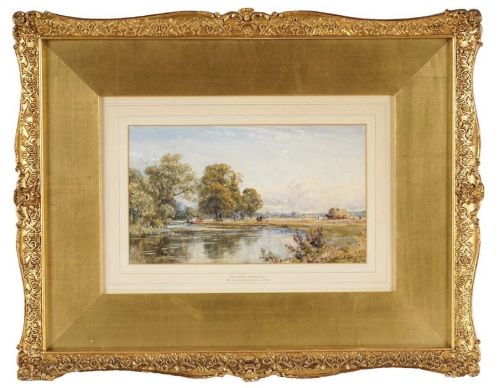
The most common examples on this page date from the Victorian and Edwardian eras through to the mid-twentieth century. They typically arrive framed under glass, often retaining their original wooden or gilt surrounds.
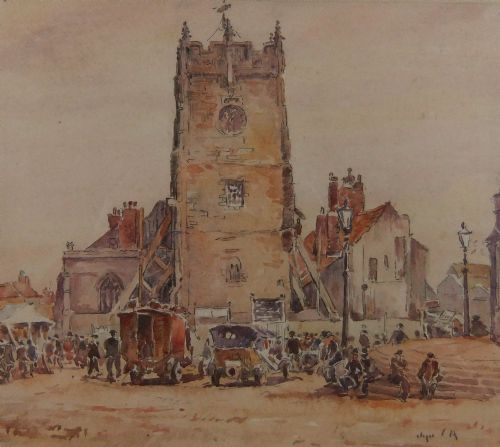
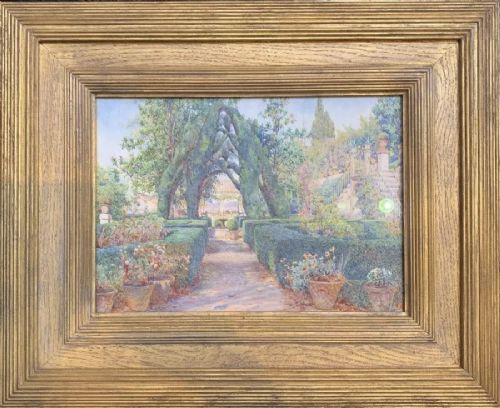
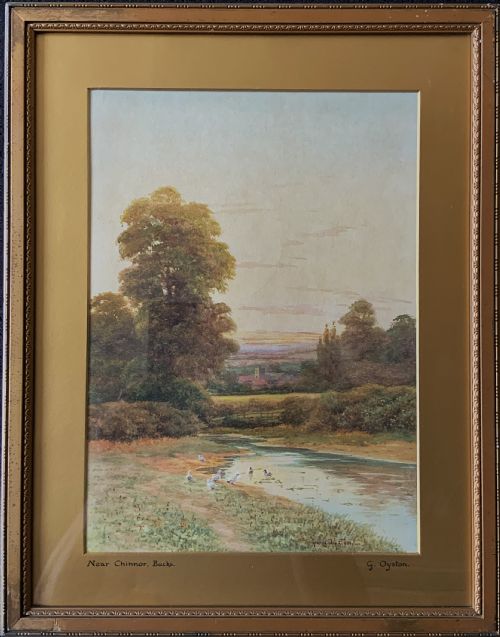
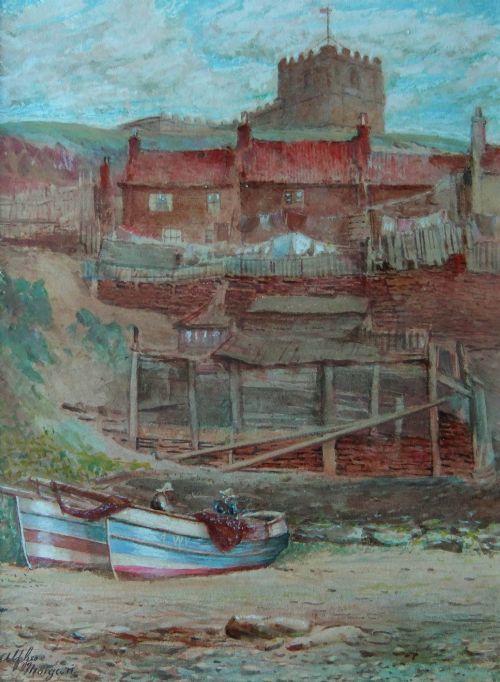
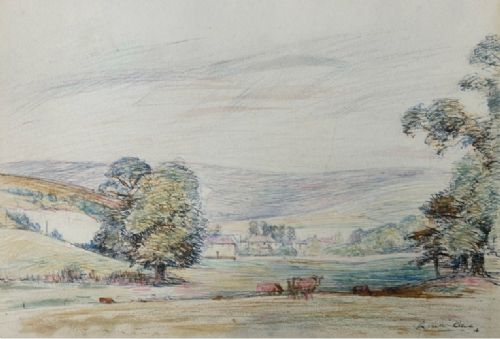
Subjects range from Welsh mountains and Yorkshire market towns to Thames Valley river scenes and quiet cottage gardens. Buyers seek these pieces for their gentle colour palettes and their historical record of vanished rural views.
Materials and methods
Artists relied primarily on watercolour pigment applied to paper, occasionally incorporating ink for fine linework or bodycolour for opaque highlights. The support material required mounting behind glass to protect the water-soluble pigments from moisture and atmospheric damage.
Frames were constructed from wood, frequently finished with gilt layers or simple moulding suited to the domestic interiors of the period. The interaction between translucent washes and the white surface of the paper created the characteristic luminosity of these paintings.
Listings span the nineteenth and twentieth centuries, featuring works executed in watercolour pigment and ink on paper within wooden and gilt frames.
Assessing the work
Quality rests upon the artist's handling of light, atmosphere and spatial depth within the composition. Stronger examples demonstrate confident brushwork and precise control over pigment dilution, avoiding muddy colour transitions.
The condition of the paper surface and the preservation of the original pigments dictate the visual impact of the piece. Works that retain their initial tonal range without excessive fading or foxing represent the upper tier of the medium.
Percy Lancaster·George Oyston·Henry Charles Fox·Thomas Bush Hardy·James Orrock
The Traditional Watercolour Landscape Glossary
- Watercolour pigment
- The finely ground colouring material mixed with a water-soluble binder that forms the painting medium. It relies on the white of the underlying paper to shine through translucent washes.
- Gilt frame
- A wooden protective border coated with a thin layer of gold leaf or metallic paint. These surrounds often date to the original creation of the artwork.
- Bodycolour
- Watercolour paint mixed with a white pigment to make it opaque rather than transparent. Artists utilised this technique to add highlights and solid details to their landscapes.
- Pastoral landscape
- A genre of art depicting idealised or realistic rural scenes involving fields, livestock and country life. These subjects formed a central focus for British painters across the Victorian and Edwardian periods.
Traditional Watercolour Landscape: Frequently Asked Questions
How should I hang my watercolour?
Watercolours require placement away from direct sunlight to prevent the pigments from fading over time. Direct exposure to heat sources can also warp the paper and damage the fragile mount.
Ensure the room maintains stable humidity levels to protect both the paper support and the wooden frame. Professional framing with acid-free backing boards helps preserve the longevity of the artwork.
Are these paintings always signed?
Many traditional landscape watercolours feature the artist's signature or monogram, typically placed in one of the lower corners. Signatures often appear in watercolour pigment or ink.
However, numerous quality pieces from the period remain unsigned or attributed to a follower of a known school. Attribution then relies on style, subject matter and framing context.
What periods do these pieces cover?
The works collected here predominantly date from the nineteenth century through to the mid-twentieth century. Victorian and Edwardian examples form a significant portion of the selection.
Later pieces extend into the nineteen-twenties, thirties and nineteen-sixties, reflecting continuity in British landscape painting traditions. Each era brings subtle shifts in palette and subject focus.
How do I identify the subject location?
Artists frequently inscribed the title or location on the reverse of the paper, on the mount or directly beneath the image area. Place names often reference rivers, bridges, coastal harbours or specific counties.
Local landmarks such as cathedrals, castles or specific valleys help pinpoint the geographical setting. Contemporary exhibition labels can also provide verifiable provenance regarding the scene depicted.