





Late Victorian Landscape Painting
Late victorian landscape painting captures the changing rural and coastal views of the nineteenth century through the hands of period artists.
Late Victorian Landscape Painting
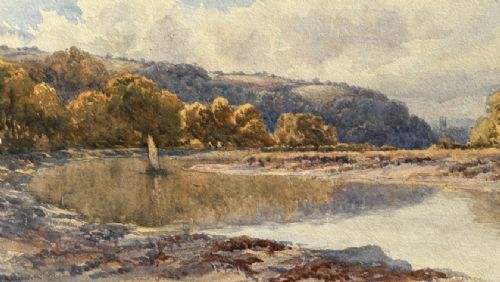
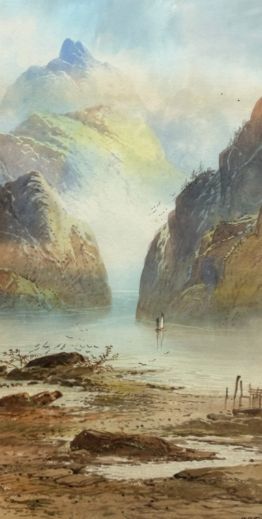
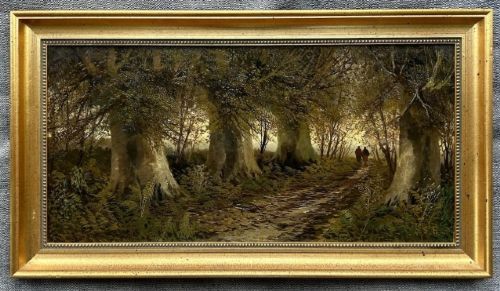
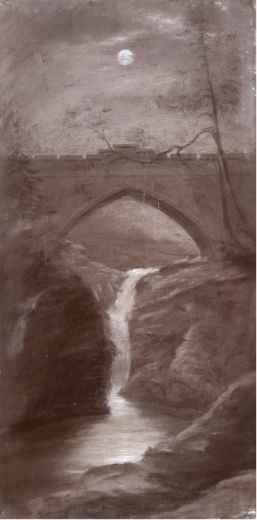
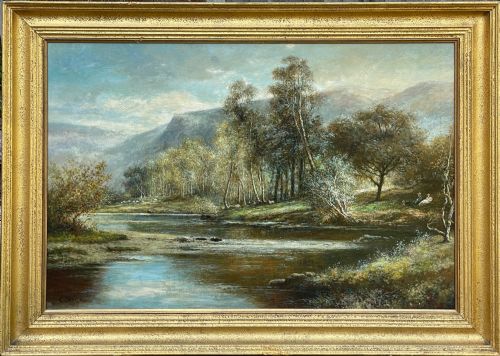
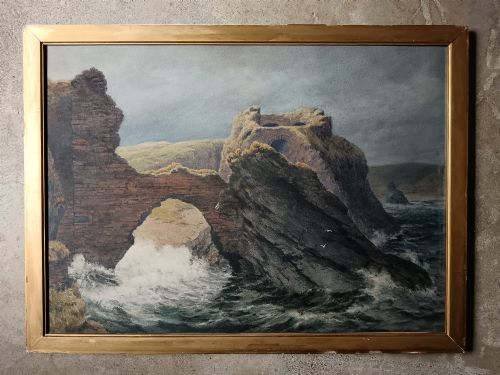
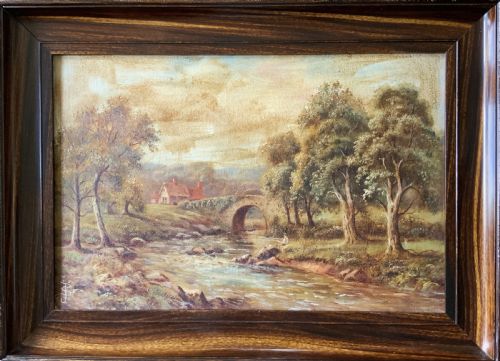
A late victorian landscape painting represents the countryside, coastlines, and rivers of Britain and beyond during the final decades of the nineteenth century. Buyers searching this phrase encounter framed watercolours and oil paintings depicting scenes from Scottish highlands to English farmland and fishing villages.
Most examples originate between eighteen eighty and nineteen hundred, reflecting the artistic styles of Victorian naturalism and the late Victorian period. Alongside traditional canvases and watercolours, related objects such as hand-painted porcelain cabinet plates also appear in the record.
How They Were Made
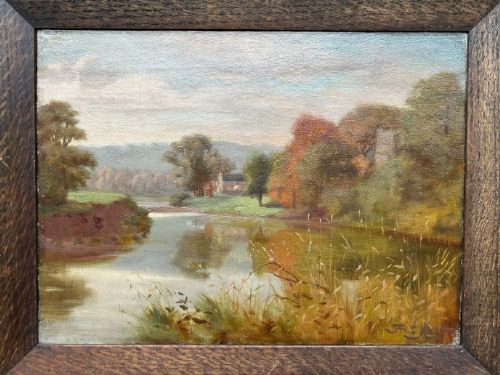
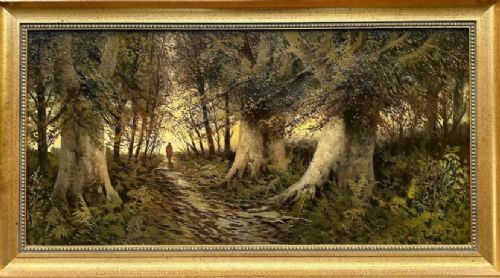
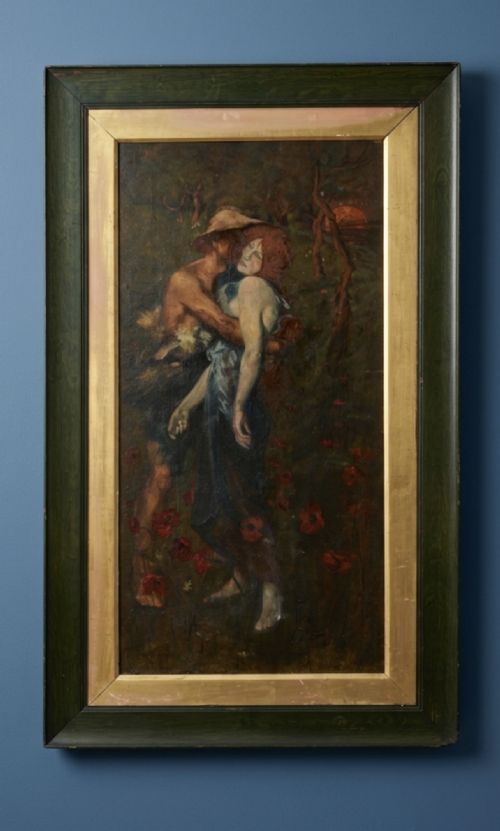
Artists painted these landscapes using oil paint on canvas, wood panels, or oil on board, alongside watercolour pigment applied to paper. Canvas supports often received layers of oil paint to build texture in woodland and coastal scenes, while watercolour works utilised fluid washes on paper.
Finished works found protection and display within period wood and gilt frames, which complemented the detailed brushwork of the era.
Listings feature works from the nineteenth century through the edwardian period, utilising oil, watercolour, and porcelain.
What Varies In Quality
The skill of the brushwork and the confidence of the composition distinguish finer works from standard decorative pieces. Masterly handling of light, atmospheric effect, and naturalistic detail elevates a painting within the period range.
The preservation of the pigment and the integrity of the original gilt framing contribute significantly to the standing of an individual artwork.
David Law·James Orrock·William Henry Earp·Alfred Young Nutt·Frederick Marriott·William Banks Fortescue·Thomas W Lascelles·John Moxon·Sydney Yates Johnson·William George Tennick·Philip Richard Morris·Robert Little·Harry Wanless·Arthur Herbert Rigg·Thomas Bromley Blacklock·Robert John Hammond·Colin H Greenwood·Henry Bailey·John Syer·Alfred Grey·Robert Buchan Nisbet·Kate E Booth·William Manners·Clara Montalba·Thomas Pyne
The Late Victorian Landscape Painting Glossary
- Watercolour
- A painting method where fine pigment mixes with water and is applied to paper. This technique allows for translucent washes and delicate atmospheric effects.
- Oil on Canvas
- A traditional medium utilising oil paint spread across a woven fabric stretched over a wooden frame. It offers rich colour depth and durable texture.
- Gilt Frame
- A wooden picture surround covered with a thin layer of gold leaf or metallic gilt paint. These frames define the visual boundary of nineteenth-century artworks.
- Cabinet Plate
- A decorative porcelain plate painted with scenic views rather than used for dining. These items were displayed in cabinets or on walls as fine art.
- Victorian Naturalism
- An artistic movement focusing on realistic depictions of the natural world and rural life. It guides the observation of light and topography in these paintings.
Late Victorian Landscape Painting: Frequently Asked Questions
What subjects do these paintings show?
These artworks record rural valleys, coastal harbours, rivers, and woodlands across Britain and abroad. Common subjects include haymaking, fishing boats, and highland scenery.
Artists focused on capturing recognizable geographic locations and everyday country life during the late nineteenth century.
How do watercolours and oils differ?
Watercolours use pigment suspended in water applied to paper, resulting in lighter and more translucent compositions. Oil paintings utilise pigment bound in drying oils on canvas or wood, allowing for heavier textures.
Both mediums remained popular choices for landscape artists of the period.
Are these paintings signed by artists?
Many examples feature signatures or initials from the artists who painted them. Signatures typically appear in the lower corners of the canvas or paper.
Some works also retain historical attribution through labels or documentation on the reverse.
How should I frame these artworks?
Period gilt frames suit these nineteenth-century paintings best, as they match the aesthetic of the era. Preserving the original frame maintains the historical context of the piece.
When framing works on paper, conservation mounting protects the material from environmental damage.