


English Country Cottage
When you search for english country cottage, you find paintings of thatched roofs and solid timber seating made for rural life.
English Country Cottage
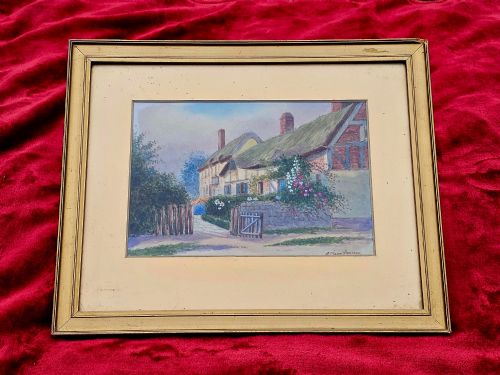
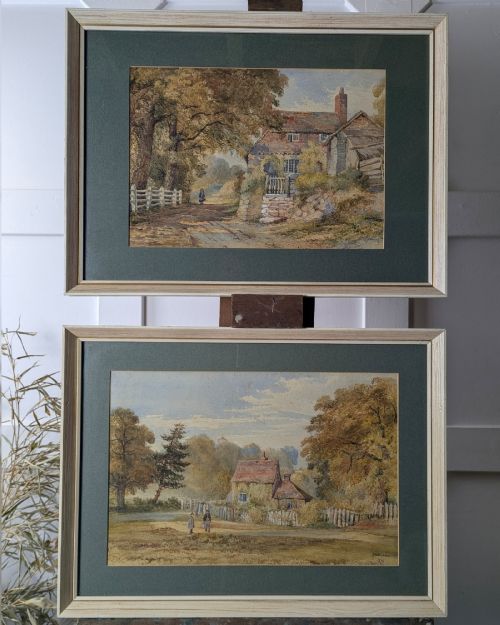
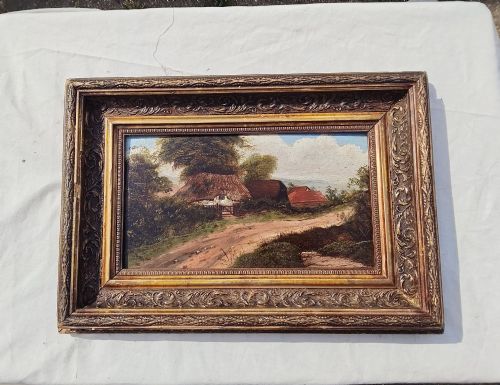
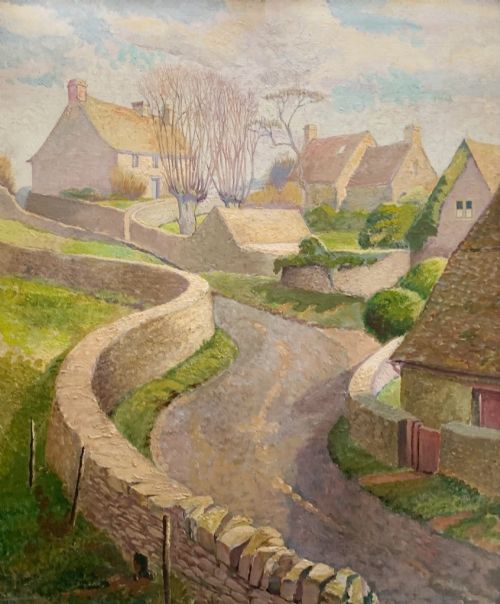
The english country cottage selection encompasses regional seating and pastoral watercolours or oils depicting rural scenes from the eighteenth, nineteenth, and twentieth centuries. Buyers encounter framed views of thatched dwellings, cottage gardens, and farmsteads alongside vernacular chairs built for everyday domestic use.
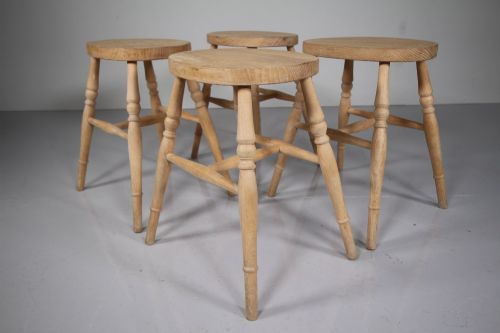
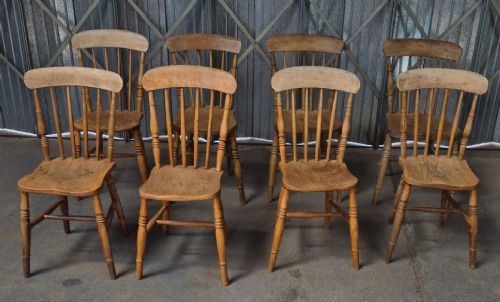
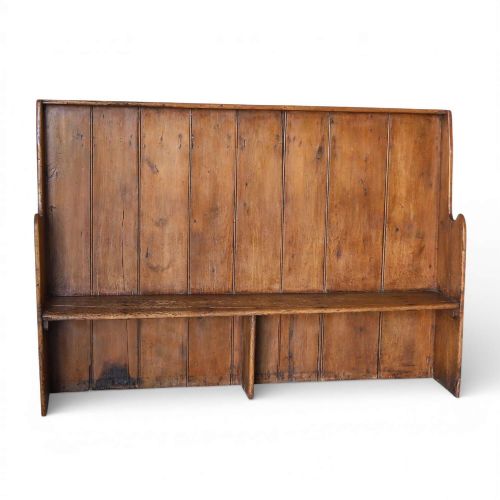
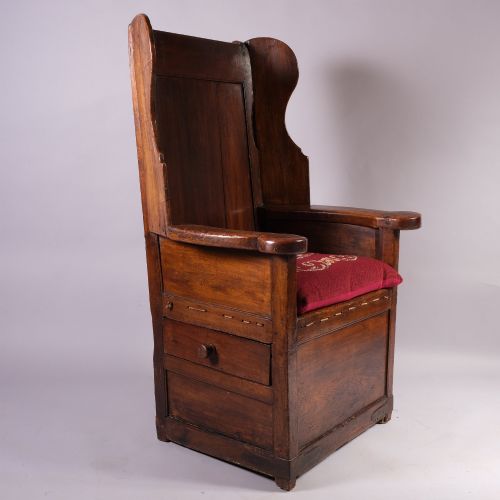
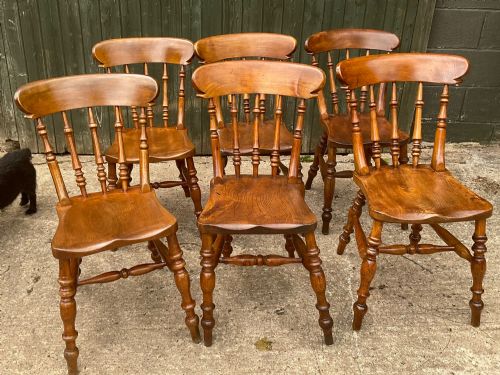
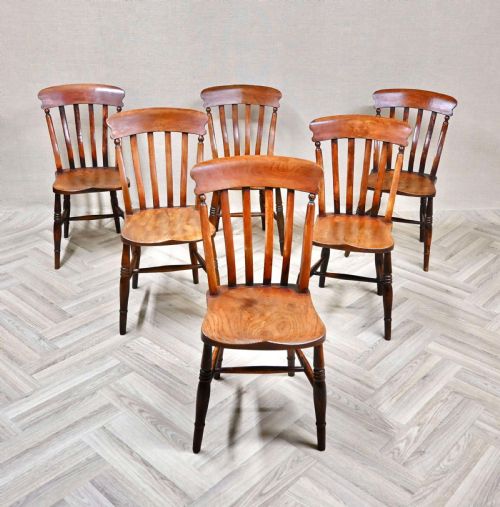
Seating forms comprise Windsor chairs, wheel backs, stick backs, settle benches, and lambing chairs fashioned from native timbers. These items reflect the practical requirements of rural households across the nineteenth and early twentieth centuries, featuring elm, beech, and pine construction.
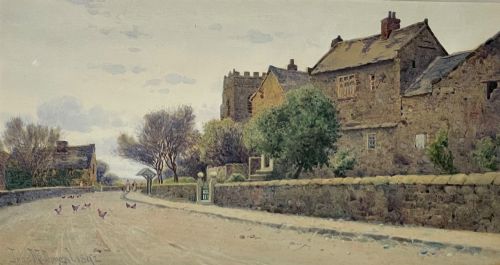
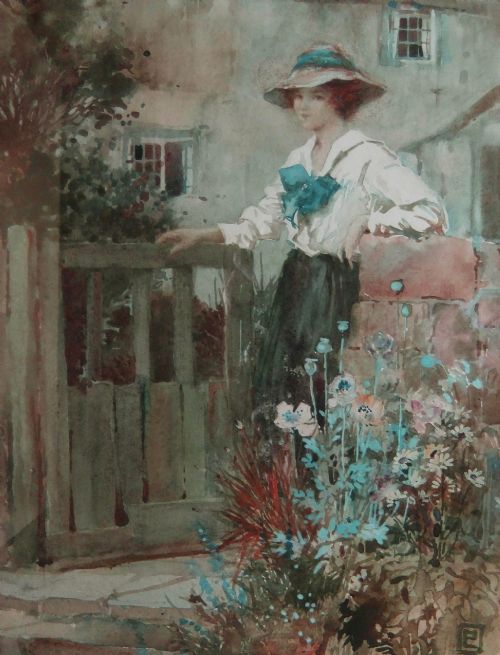
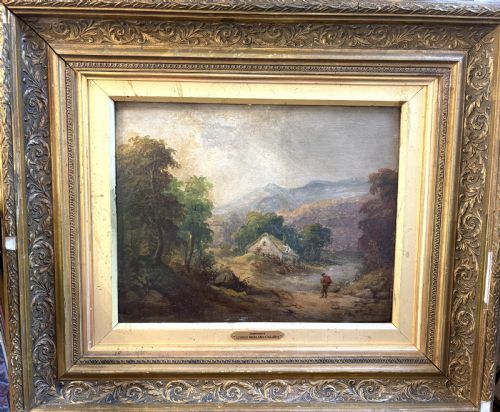
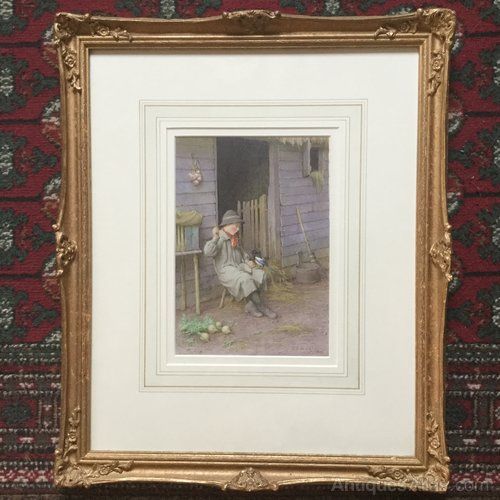
Fine art representations in this category range from detailed watercolours on paper to oil paintings on canvas, panel, and wooden board. Works by named British artists record village life, landscape views, and domestic interiors through Victorian and Edwardian periods.
How they were made
Makers utilised native woods such as elm for solid seats, beech for turned spindles and legs, and pine for large furniture carcasses. Chairs frequently combined multiple timbers to balance structural strength with the flexibility required for steam-bending components.
Painters applied watercolour pigments on paper or oil paint to canvas, wooden panels, and card, often finishing works within gilt frames. Works reflect regional British schools and individual artistic practices spanning the nineteenth and twentieth centuries.
Ducks, geese, ponies, and farmyard hens frequently share the canvas with nineteenth-century cottages.
What varies in quality
Quality reveals itself in the integrity of timber construction, the depth of patination on settles and chairs, and the fidelity of detail in landscape paintings. Original surfaces, untouched honey brown patinas, and clear artist signatures distinguish superior examples from standard workshop production.
The articulation of brushwork and the balance of composition separate accomplished pastoral oils and watercolours from naive or derivative school pieces. Refined turning on chair legs and well-matched timber sets indicate higher standards of regional craftsmanship.
William Howard Hardy·A. Marie Parsons·John McDougal·Robert A. Nottingham·Percy Lancaster·George Morland·Charles Edward Wilson·J S Ainley·Frederick James Knowles·William Greaves·Theresa Stannard·Helena Maguire·Linnie Watt·Owen Bowen·Ernest Higgins Rigg·Harry Sylvester Stannard·Henry Charles Fox·Will Anderson·Robert Hollands Walker·David Woodlock·Georgina Lara·Amy Antill·P Arnold
The English Country Cottage Glossary
- Windsor chair
- A wooden chair featuring a solid carved seat into which the legs and back spindles are directly inserted. This form was widely produced by regional vernacular makers using mixed native hardwoods.
- Wheel back
- A Windsor variant incorporating a pierced wheel motif within the central splat of the back. This decorative feature appeared frequently on nineteenth-century kitchen and dining seating.
- Stick back
- A chair construction method utilising plain vertical wooden spindles attached to a bentwood arm bow or top rail. These items prioritised utilitarian function in domestic and farmhouse settings.
- Settle bench
- A high-backed wooden bench designed to shield occupants from draughts in traditional interiors. These substantial pieces often incorporated enclosed storage beneath the seat.
- Watercolour pigment
- A water-soluble colorant applied to paper surfaces to achieve translucent washes and fine linear details. Artists employed this medium extensively for portable landscape studies.
English Country Cottage: Frequently Asked Questions
What defines an english country cottage painting?
These artworks depict rural architecture, thatched roofs, gardens, and village life through mediums such as watercolour and oil paint. They capture British pastoral scenes from the nineteenth and twentieth centuries.
Created by regional artists and named painters, the works document historical landscapes and domestic settings across England.
How do I identify a Windsor chair?
Windsor chairs feature a distinct construction where legs and back supports are wedged directly into a thick wooden seat. Makers typically combined different timbers like elm and beech.
These pieces were produced in regional workshops for farmhouse and kitchen use throughout the nineteenth century.
Where were stick back chairs used?
Stick back chairs served as practical seating in nineteenth-century kitchens, cottages, and farmhouses. Their straightforward construction suited demanding daily domestic environments.
Carpenters built them using local timbers, resulting in durable seating that survives in matched sets and single examples.
What is a lambing chair?
A lambing chair is a traditional eighteenth-century wooden seat with enclosed sides designed to block cold drafts. They often included low storage spaces beneath the seating area.
Farmers and rural occupants utilised these substantial pieces near hearths in vernacular interiors.