


British Rural Watercolour Painting
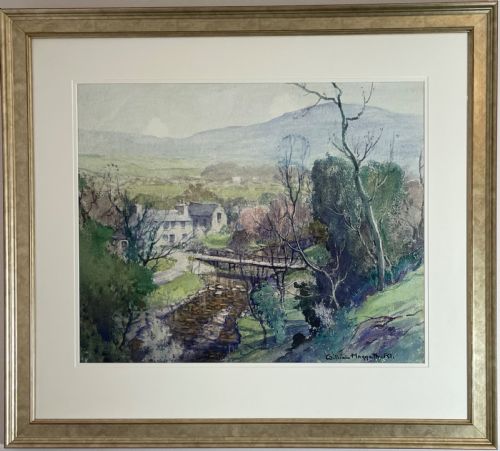
British rural watercolour painting captures the quiet rhythm of the countryside through delicate washes of pigment on paper.
British Rural Watercolour Painting
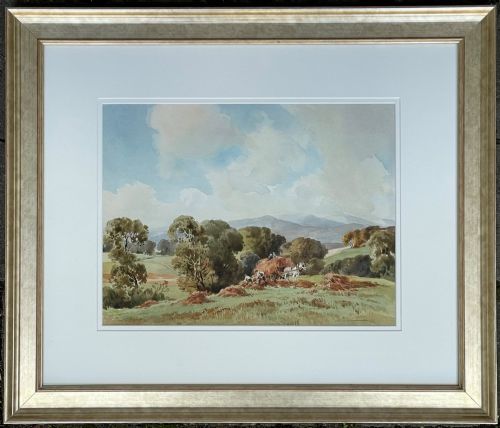
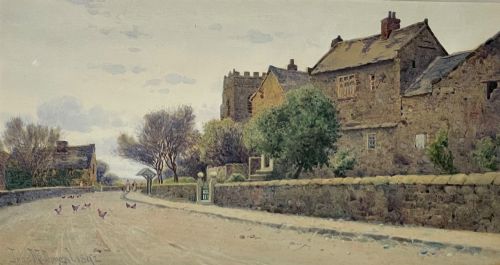
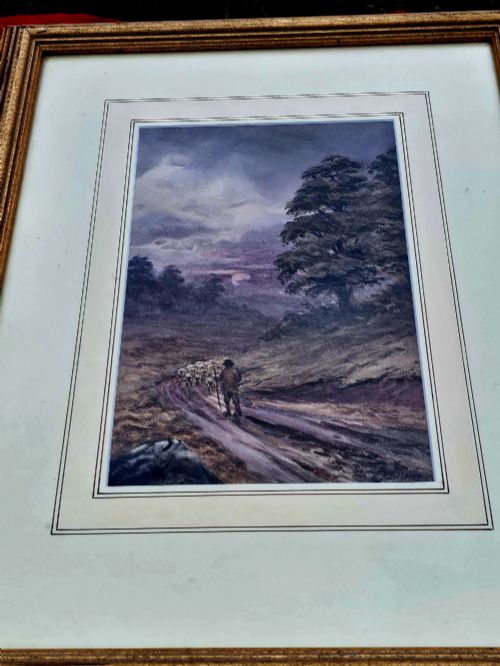
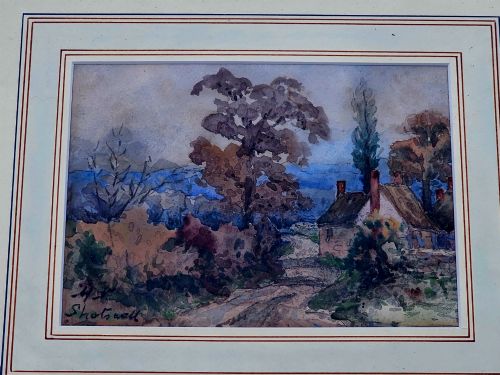
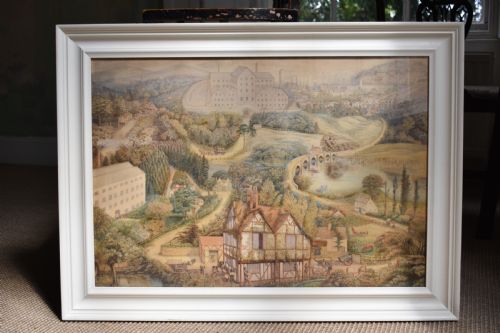
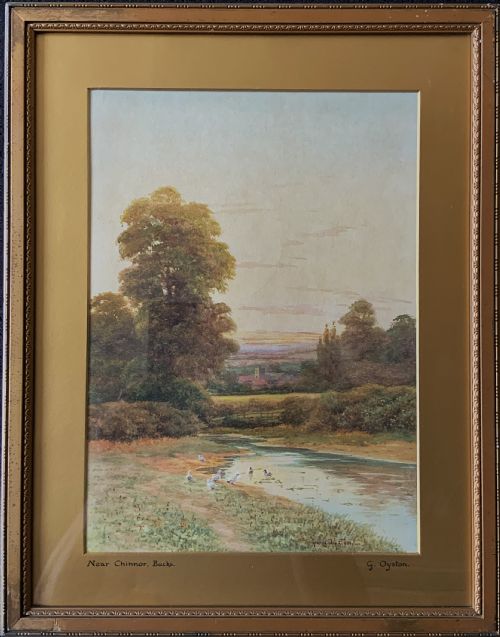
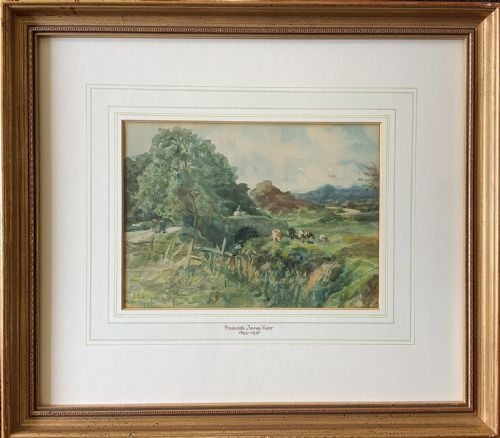
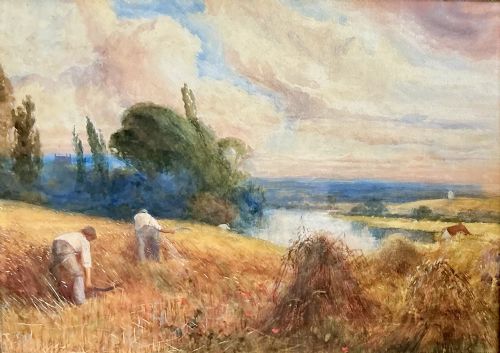
A british rural watercolour painting portrays agricultural scenes, country lanes, and rustic cottages from the nineteenth and early twentieth centuries. These works frequently show figures herding sheep, ploughing fields, or gathering the harvest under overcast or sunlit skies. Buyers often encounter Victorian and Edwardian examples that reflect a traditional pastoral interest in British rural life.
The compositions range from intimate village views in Yorkshire and Sussex to expansive fenland landscapes and river scenes. Painters utilised paper mounted in glazed frames, often incorporating gilt wood to enclose the artwork. Such pieces connect collectors directly to historical interpretations of the British countryside.
Materials and technique
Artists applied watercolour pigment and watercolour paint onto sheets of paper using layered washes and fine brushwork. The translucent nature of the medium allowed light to reflect off the white paper beneath, creating luminous skies and atmospheric country views.
Finished works received protection behind glass and were secured within wood frames, frequently enhanced with gold leaf or gilt wood mouldings. This traditional framing method preserved the delicate paper supports from atmospheric damage over decades.
Romany gypsy caravans and stubborn bulls ploughed into fields bring unexpected narrative charm to quiet country lanes.
Separating the ordinary from the exceptional
The distinction between standard works and superior pieces rests on the artist's control of light, tone, and brushwork. Skilled hands rendered foliage, water, and animal anatomy with notable precision and atmosphere, whereas lesser examples rely on formulaic compositions.
Condition and provenance further define the standing of a painting. Works retaining vibrant pigment without excessive fading, housed in period frames, command greater appreciation from collectors.
Percy Lancaster·John McDougal·George Oyston·Frederick James Kerr·Frederick Hines·Edgar Woollatt·Oswald Garside·Henry Charles Fox·Fred Lawson·William Hoggatt·Ernest Pile Bucknall·James Orrock·John Atkinson·Linnie Watt·Robert Winchester Fraser·George Soper·William Joseph Boyes·John Edward Bale·Bernard Walter Evans·Adrian Jones·William Stephen Coleman·Harry Sylvester Stannard·Will Anderson·Robert Hollands Walker·John Hobson Nicholson
The British Rural Watercolour Painting Glossary
- Watercolour pigment
- The finely ground colour substance mixed with a binder to create the paint used on paper.
- Gilt wood
- Carved timber treated with a gold-coloured finish, frequently utilised for traditional picture frames.
- Pastoral style
- An artistic approach focusing on rural subjects, agriculture, and tranquil country life.
- Impressionism
- A style emphasising transient effects of light and spontaneous brushstrokes rather than minute detail.
British Rural Watercolour Painting: Frequently Asked Questions
What periods do these watercolours span?
The available pieces predominantly date from the late nineteenth century through to the early twentieth century, encompassing Victorian and Edwardian eras. Artists recorded rural life across decades of agricultural change.
Examples stretch from eighteen eighty up to the nineteen thirties, reflecting traditional British landscape traditions.
How should I display a antique watercolour?
Protect the artwork by hanging it away from direct sunlight to prevent the watercolour pigments from fading over time. Maintaining stable indoor humidity also preserves the paper and framing materials.
Ensure the glass remains sealed to stop dust and moisture from reaching the delicate surface of the paper.
What subjects are most common?
Common subjects include farmyards, cattle ploughing, sheep herding, and thatched cottages nestled beside rivers or country lanes. These scenes document traditional rural occupations across various British counties.
Artists frequently captured agricultural labourers at work during haymaking and harvest seasons.
How do I identify an Edwardian watercolour?
Edwardian works often display looser brushwork influenced by impressionism while retaining a clear focus on pastoral scenery. The framing and signatures frequently align with active dates between nineteen hundred and the nineteen tens.
Stylistic shifts during this period moved toward brighter palettes and more immediate interpretations of weather and light.