


Original Nineteenth Century Art
Original nineteenth century art brings together period paintings and watercolours that capture the character of past centuries.
Original Nineteenth Century Art
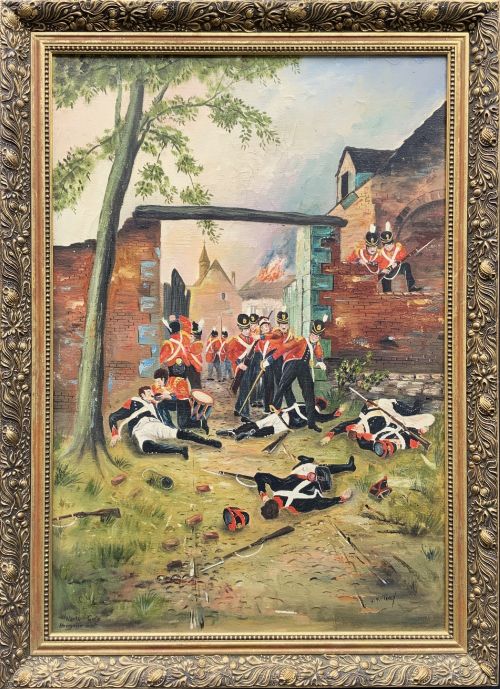
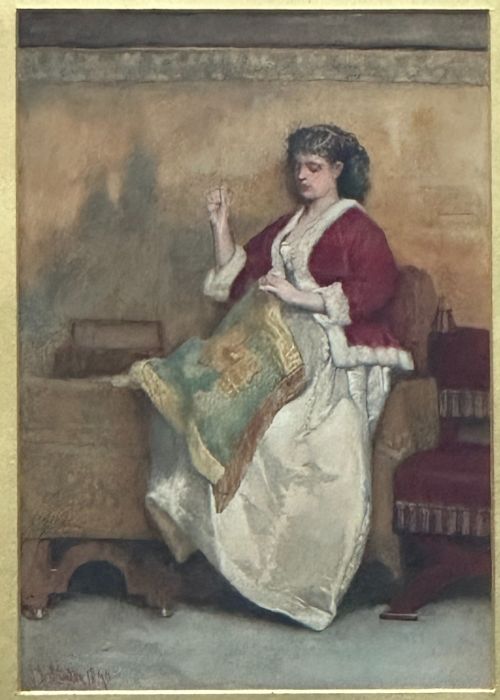
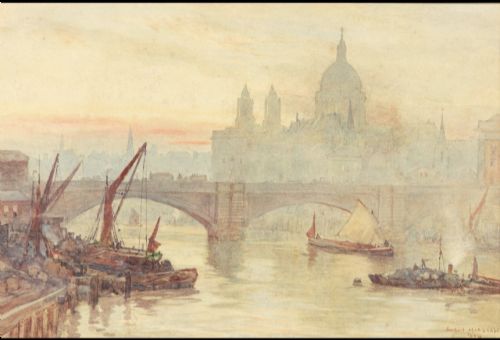
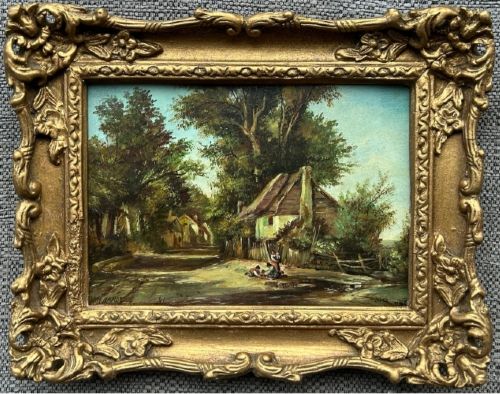
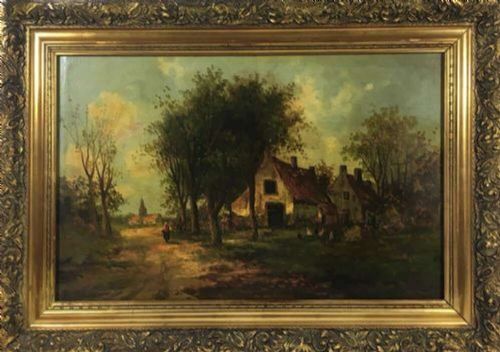
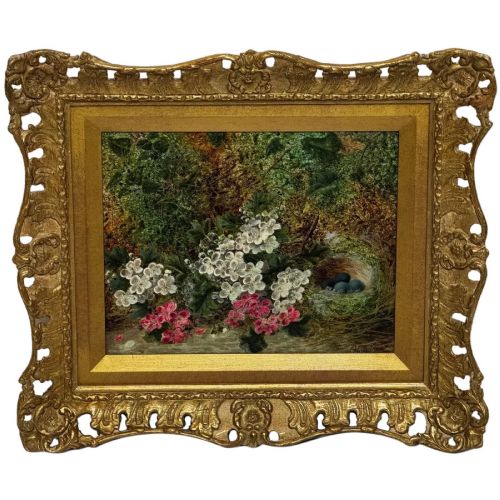
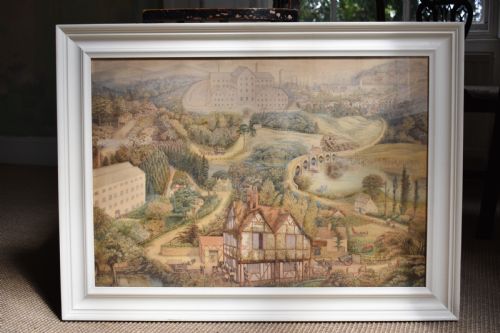
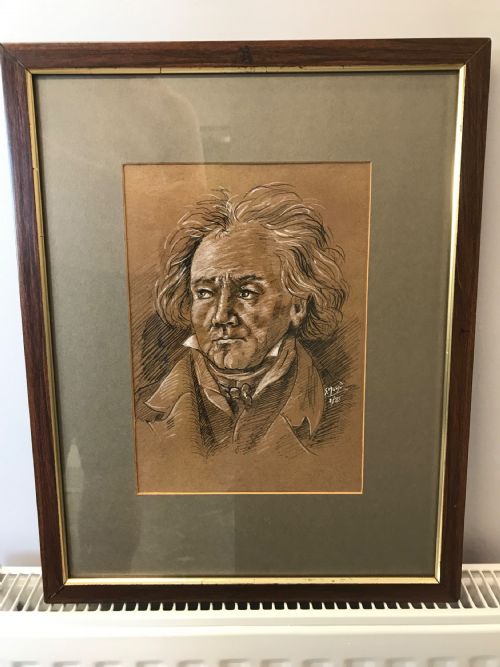
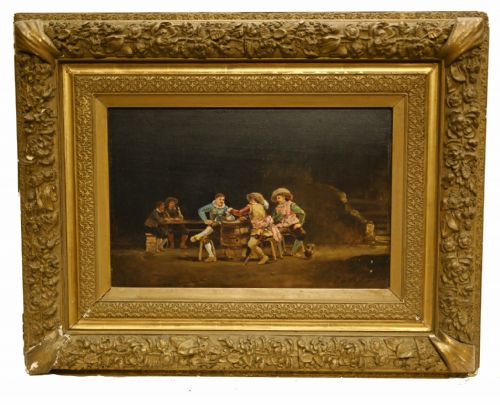
Original nineteenth century art encompasses oil paintings, watercolours, and framed drawings produced during the eighteen hundreds and the early decades that followed. Buyers searching this phrase meet landscapes, coastal scenes, portraits, and rural views created by British and European artists.
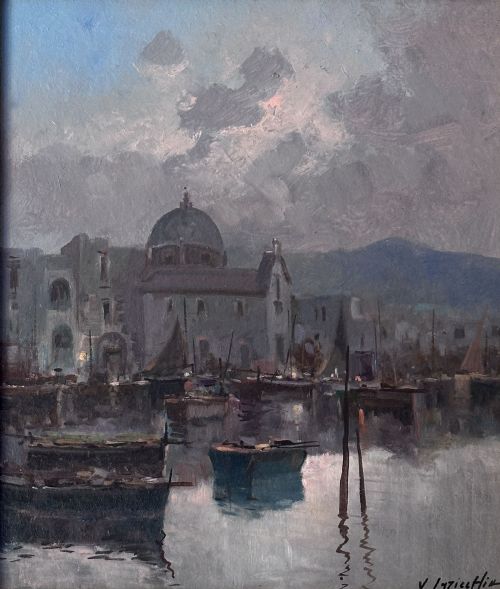
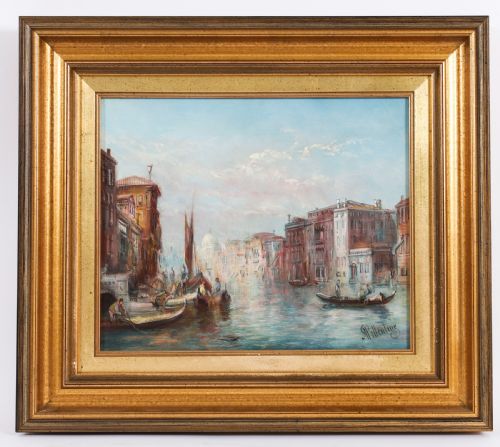
The selections available here range from detailed Victorian pastoral watercolours to atmospheric French Barbizon school oils. Works often depict specific locations, from Venetian canals to quiet Welsh river estuaries, rendered with the distinct sensibilities of their period.
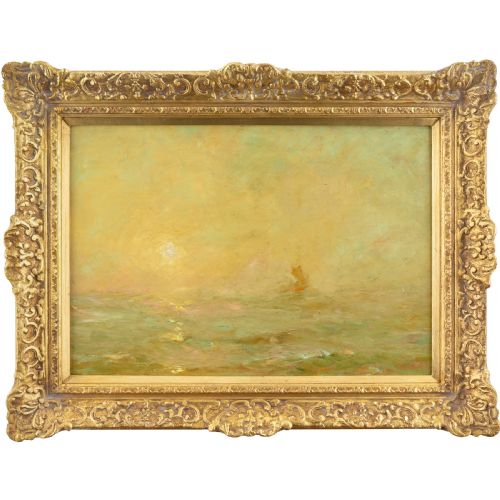
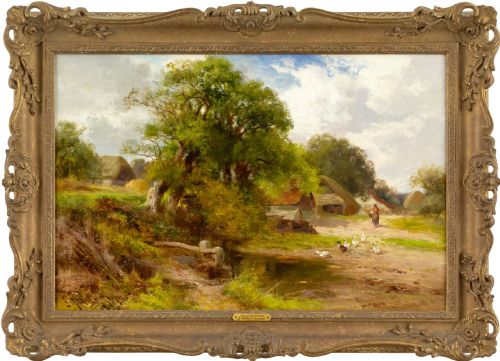
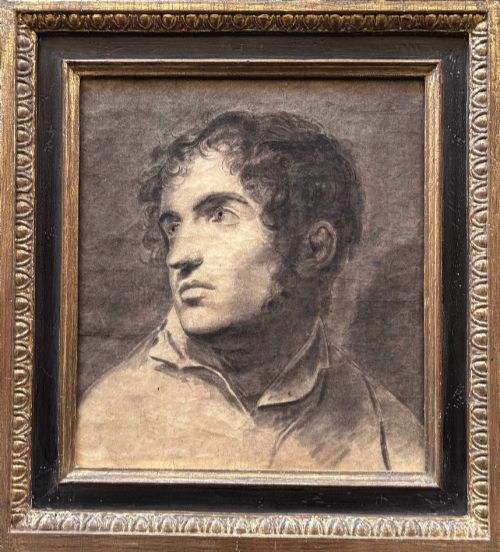
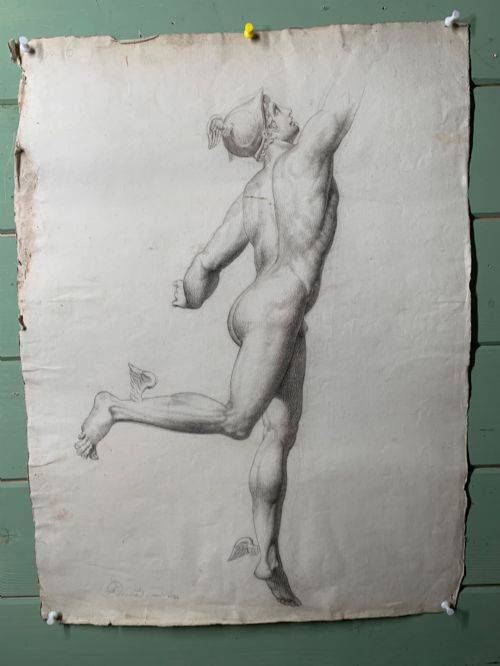
Collectors encounter both signed works by known Victorian painters and pieces originating from broader continental schools. The forms vary from intimate pencil studies of classical figures to large-scale oil paintings on canvas depicting rural farmyards and dramatic marine views.
Materials and methods
Artists of this period applied oil paint to stretched canvas or wooden panels, often building up rich layers to achieve depth in landscapes and portraits. Watercolours on paper utilised delicate washes combined with pen, ink, and occasional gouache highlights to capture light and atmosphere.
Support materials include traditional woven canvas, heavy artist paper, and solid wood panels. Frames frequently incorporate gilt wood or moulded gesso, framing the artwork in styles contemporaneous with the painting itself.
Original Nineteenth Century Art Retail Price Guide 2026
Typical asking prices for original nineteenth century art among the pieces listed under this phrase on Sellingantiques today, from the lower quarter to the upper quarter. They describe what is for sale here now, not the wider market.
Several items combine nineteenth century art with unexpected historical seating, featuring antique chests of drawers and rocking chairs in original paint.
Judging quality in period works
Quality rests in the surety of the brushwork and the artist's command of light, shadow, and perspective. Superior pieces demonstrate confident handling of pigment, whether in the subtle rendering of water reflection or the careful detail of architectural stonework.
Condition plays a central role, distinguishing works that retain their original vibrancy from those affected by heavy restoration or pigment darkening. The integrity of the surface, the clarity of the composition, and the retention of period framing dictate the standing of an individual piece.
Sir James Dromgole Linton·William Howard Hardy·Oliver Clare·Alfred Pollentine·John Horace Hooper·Edgar Hunt·Paul Desire Trouillebert·Johann Friedrich Voltz·Bernard Benedict Hemy·Cornelius Pearson·Jean-Baptiste Olive·Henry Hillier Parker·Andre de Moller·Robert John Hammond·William Greaves·Charles Malfroy·John Augustus Atkinson·Thomas Bush Hardy·Arthur Longley Vernon·Jules Evarist van Biesbroeck·Robert Winchester Fraser·Harry Bright·Walter Follen Bishop·Frederick William Hattersley·Arthur Winter Shaw
The Original Nineteenth Century Art Glossary
- Barbizon School
- A group of French painters associated with a movement towards realism in landscape art, focusing on direct observation of nature.
- Gouache
- An opaque water-based paint that provides solid colour and highlight effects when combined with traditional watercolour.
- Panel
- A rigid wooden support used by artists as an alternative to canvas for oil paintings during the period.
- Provenance
- The documented history of ownership that establishes the authenticity and background of a work of art.
- Watercolour
- A painting method where fine pigment is suspended in a water-based solution and applied to paper.
Original Nineteenth Century Art: Frequently Asked Questions
How do I identify a 19th century painting?
Examine the materials used for the support, such as hand-woven canvas or specific types of wooden panel popular during the era. Stylistic clues, framing methods, and signatures can also help place the work within the period.
Look closely at the reverse of the canvas or frame for old labels, inscriptions, or stamps left by period framers and dealers. These details often provide direct evidence of the creation date and the artist's workshop.
Where should I hang antique watercolours?
Antique watercolours require placement away from direct sunlight to prevent the fading of delicate pigments on paper. Stable indoor humidity levels protect both the paper support and the surrounding mount.
Use UV-filtering glass when framing works on paper to provide an extra layer of defence against light damage. Consistent environmental conditions ensure the longevity of these sensitive pieces.
What is the Barbizon school?
The Barbizon school refers to a French art movement of the mid-nineteenth century centred on landscape painting. Artists painted outdoors, emphasising natural light, unidealised rural scenery, and atmospheric realism.
Works from this tradition influenced later impressionist developments across Europe. Their focus on everyday agricultural life marked a shift away from grand historical subjects.
How should I care for oil paintings on canvas?
Dust oil paintings gently with a soft, dry brush to prevent particulate buildup on the varnished surface. Avoid using chemical cleaners or moisture, which can damage the delicate paint layers beneath.
Keep paintings away from sources of excessive heat or rapid temperature changes that might cause the canvas to slacken or the wood panel to warp. Professional conservation should be sought if structural repairs become necessary.