


Vintage Framed Paper Art
Vintage framed paper art brings together centuries of delicate drawings, prints, and watercolours preserved behind glass in wood frames.
Vintage Framed Paper Art
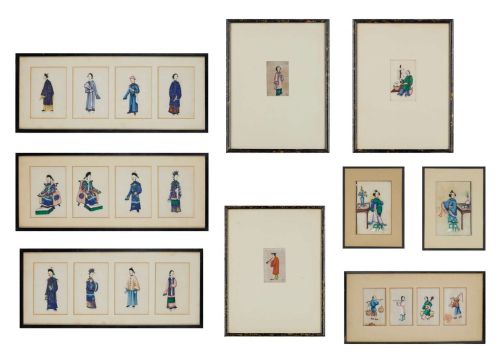
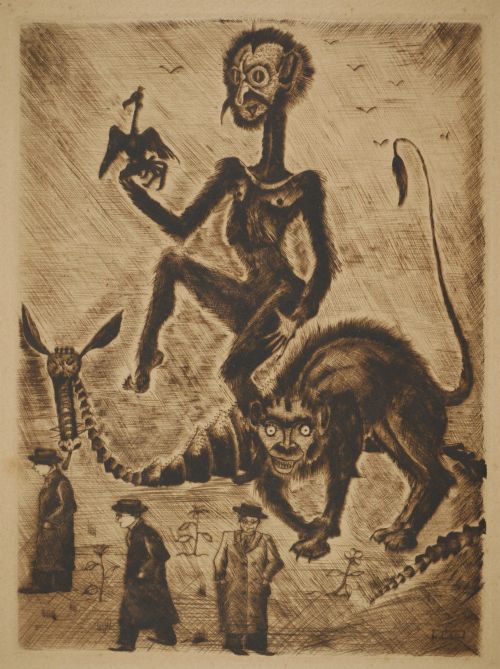
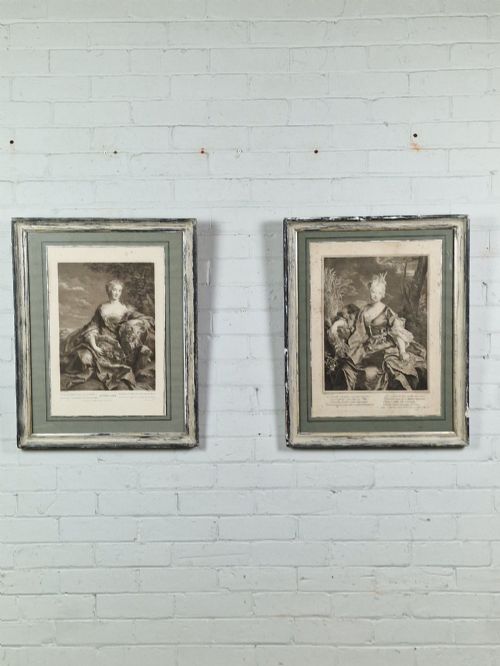
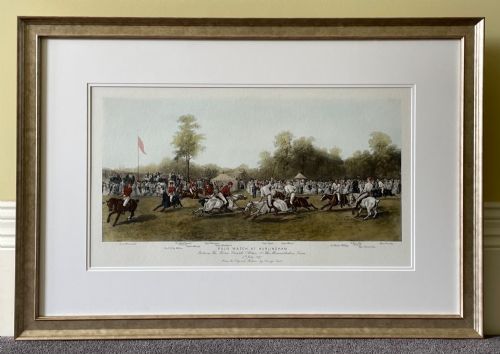
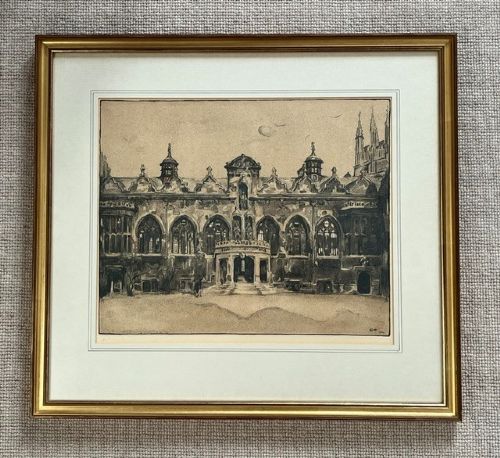
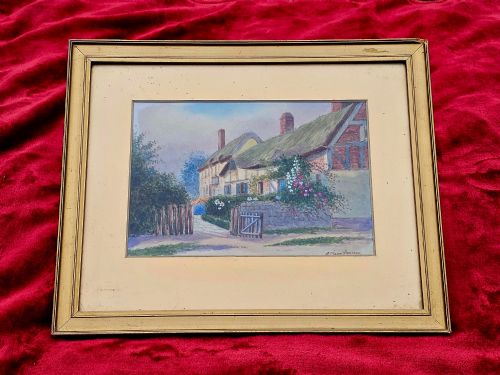
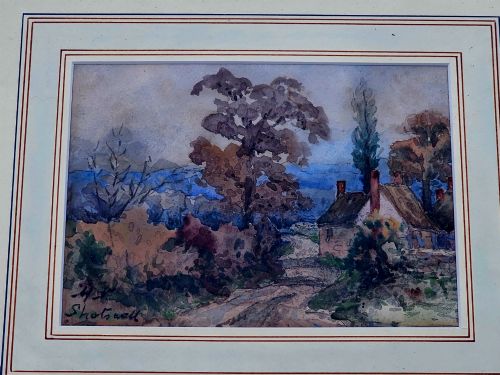
When you search for vintage framed paper art, you encounter a diverse array of works on paper spanning from the eighteenth century through the mid twentieth century. These pieces encompass detailed silhouettes, botanical studies, architectural engravings, and expressive watercolours.
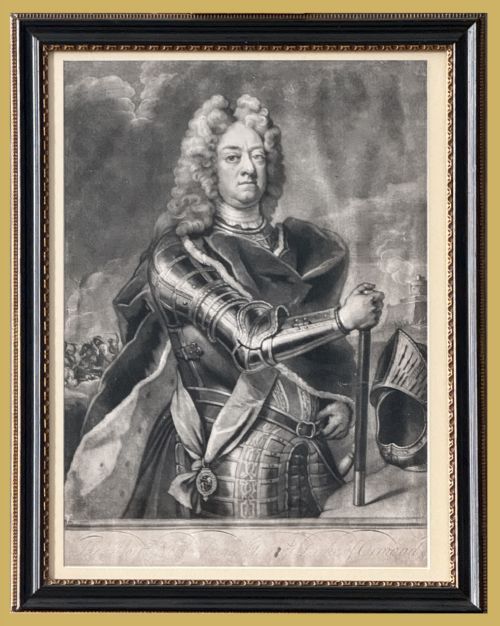
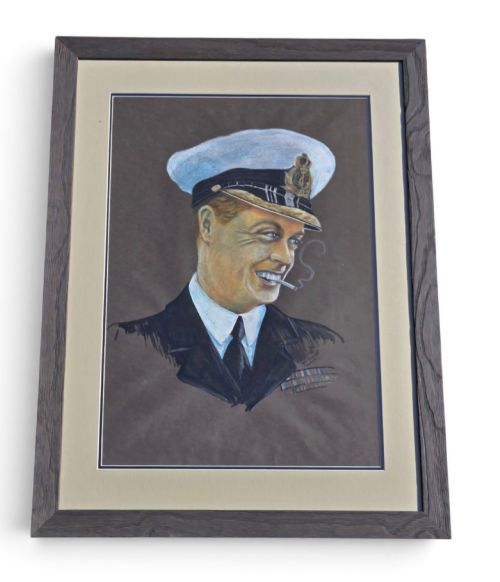
The selection ranges from Georgian mezzotint portraits and French engravings to early twentieth century maritime watercolours and Art Deco gouache drawings. Each piece offers a tangible link to historical artistic practices.
Wall art forms the primary category, with framed prints, drawings, and paintings dominating the selection. Buyers find both intimate portrait miniatures and large landscape studies suited for display.
Materials and Technique
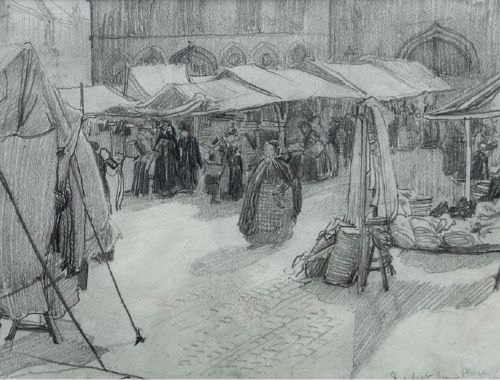
The fundamental components involve paper supports housed beneath protective glass within wooden frames. Artists applied various media including ink, watercolour, gouache, pastel, and gold leaf directly to the paper surface.
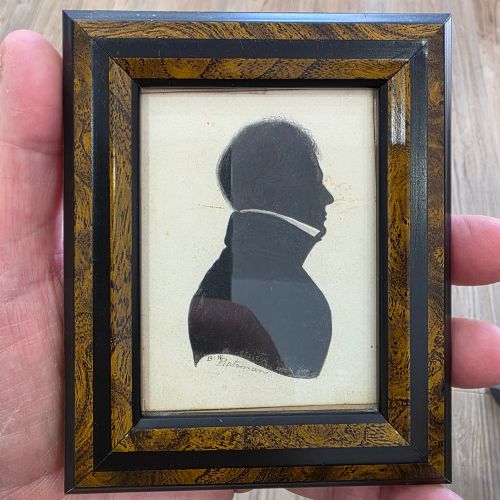
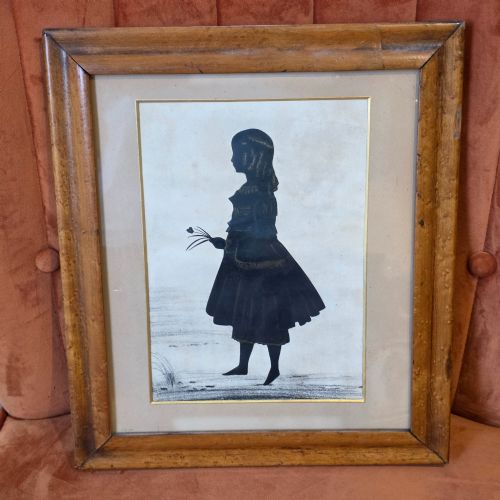
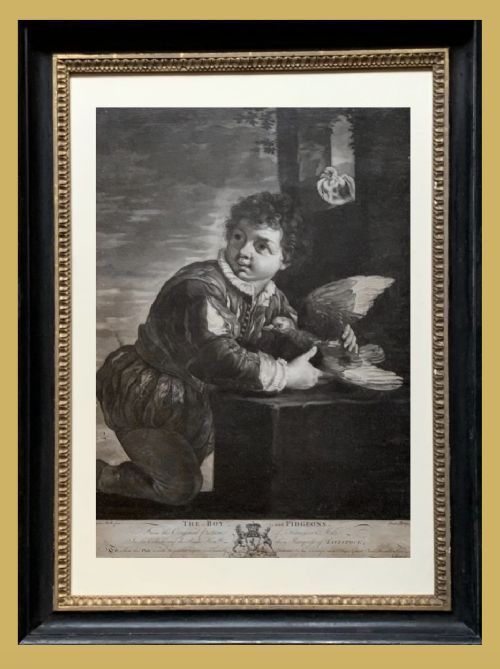
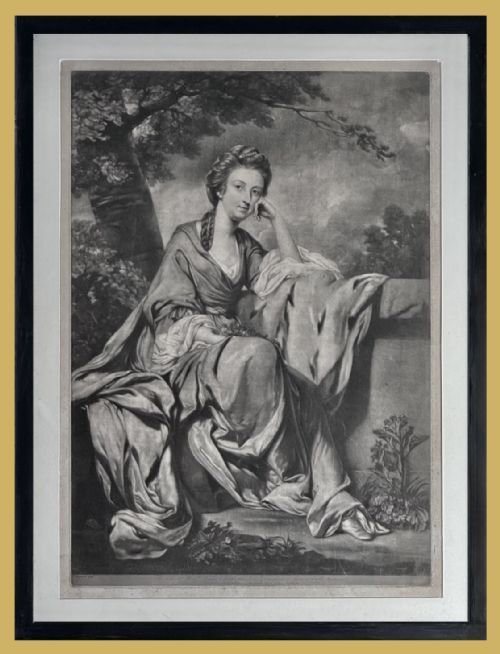
Printmakers utilised techniques such as mezzotint, etching, and lithography to produce detailed runs of portraits and posters. Silhouettes combined cut paper with watercolour highlights to achieve crisp profiles.
Listings feature works spanning the eighteenth, nineteenth, and twentieth centuries, executed in watercolour, pastel, ink, and gouache.
Evaluating the Pieces
Quality rests in the precision of the draughtsmanship and the preservation of the paper substrate against light exposure and foxing. Strong tonal contrast in mezzotints and vibrant retention of pastel or watercolour pigments distinguish superior examples.
The integration of original framing materials and period glazing enhances historical integrity. Skilled execution by recognised artists elevates simple decorative prints into significant collectable works.
John Simon·Michael Dahl·John Boydell·Edward Fisher·Sir Joshua Reynolds·John Smith·James McArdell·Jeremiah Meyer·William Etty·Elisabeth Sonrel·Frank Watson Wood·Augustin Edouart
The Vintage Framed Paper Art Glossary
- Mezzotint
- A printmaking process of the intaglio family where the plate is roughened to achieve rich dark tones and subtle gradations of light. This technique was widely employed for eighteenth century portraiture.
- Gouache
- An opaque water-based paint that includes a binding agent and white pigment to create solid, matte colour fields. Artists utilised it for posters and illustrations requiring bold visual impact.
- Silhouette
- A portrait profile filled in with a solid dark colour, typically cut from paper or painted. Early examples frequently depicted sitters with delicate detailing in ink or watercolour.
- Lithography
- A planographic printing method based on the repulsion of oil and water on a stone or metal plate. It became the primary method for producing colourful advertising posters and fine art prints.
Vintage Framed Paper Art: Frequently Asked Questions
How should I display these works safely?
Position framed paper art away from direct sunlight to prevent fading of watercolours, pastels, and inks. Maintaining stable indoor humidity levels protects the paper from warping and deterioration.
Ensure pieces hang securely using appropriate wall fixings suited to the weight of the wood frames and glass. Professional framing utilising acid-free mounts safeguards the longevity of the artwork.
How do I identify the period of a piece?
Examine the paper type, framing style, and printing or painting technique to narrow down the era. Eighteenth-century works often feature laid paper and hand-carved frames, while twentieth-century pieces display machine-made paper and distinct modernist aesthetics.
Signatures, dates, and inscriptions recorded on the front or reverse provide direct chronological evidence. Comparing the subject matter to historical events or known artistic movements confirms the timeframe.
What is the difference between an engraving and a lithography print?
Engravings involve cutting lines directly into a metal plate with a sharp tool to hold ink. This creates sharp, precise lines characteristic of earlier printmaking traditions.
Lithography relies on chemical processes on a flat surface to create painterly marks and vibrant colour areas. This technique dominated advertising posters and fine art prints from the nineteenth century onward.
How are silhouettes made?
Silhouettes were created by cutting profile likenesses from black paper or by painting profiles directly onto a white or pale background. Artists often added subtle touches of gold leaf or watercolour to enhance clothing details and hair.
Many examples from the eighteenth and nineteenth centuries were produced by travelling portraitists working quickly from life. These shadow portraits served as affordable keepsakes before the widespread adoption of photography.