



19th Century British Painting
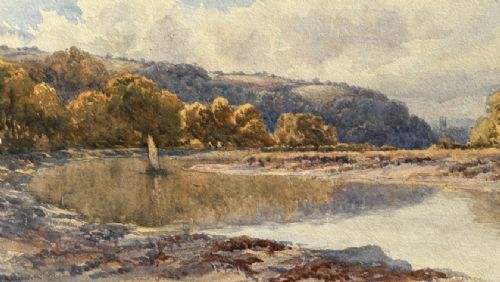
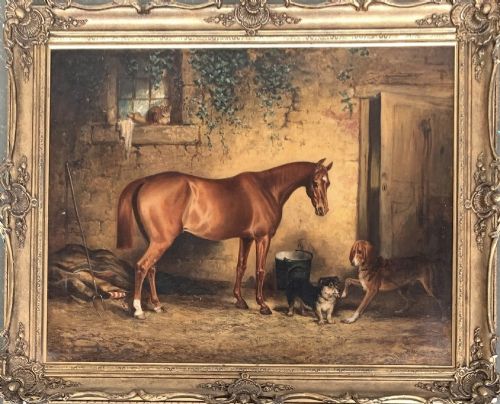
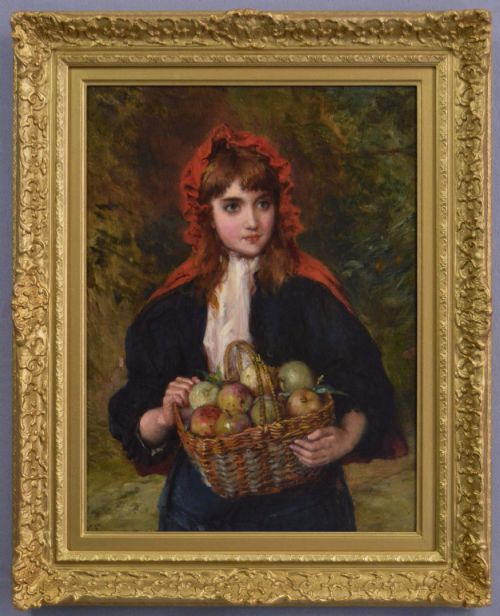
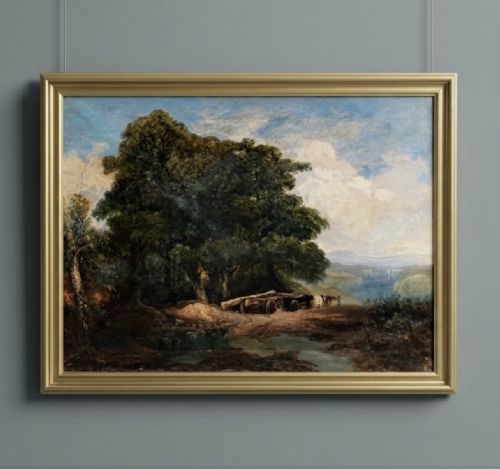
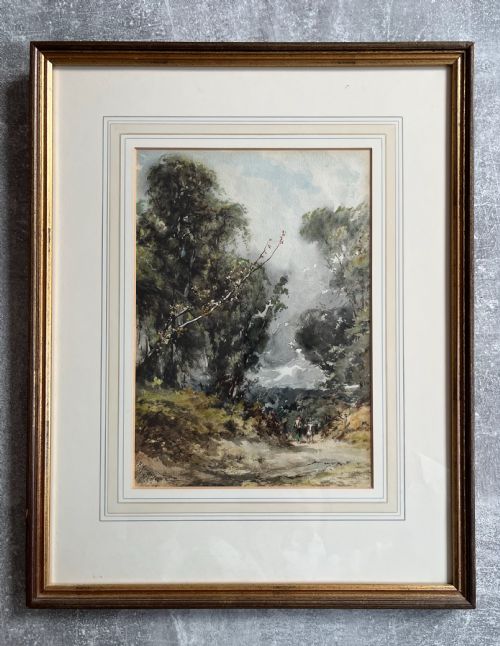
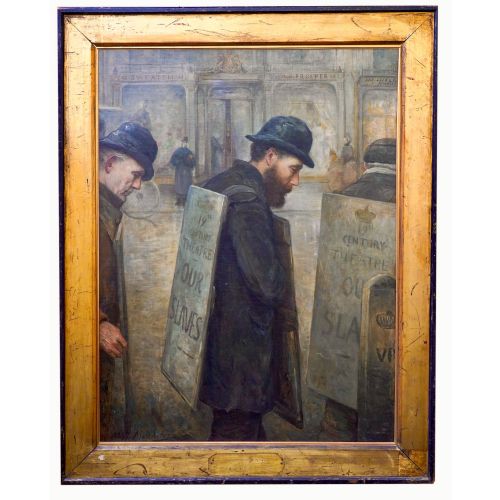
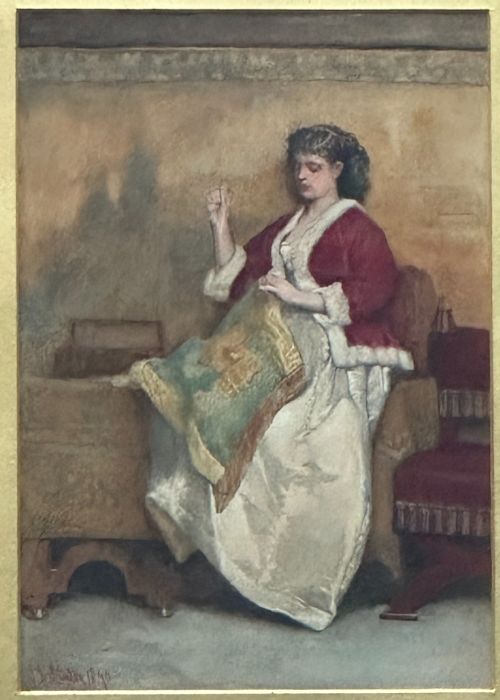
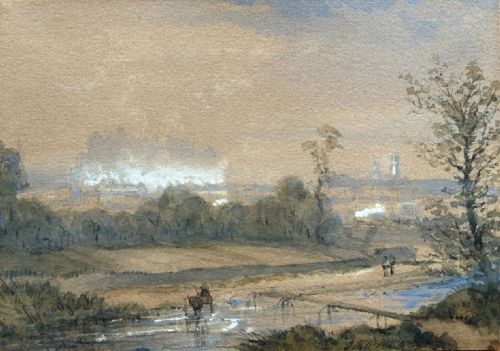
A 19th century british painting captures the changing landscapes, coastal harbours and domestic scenes of the Victorian era.
19th Century British Painting
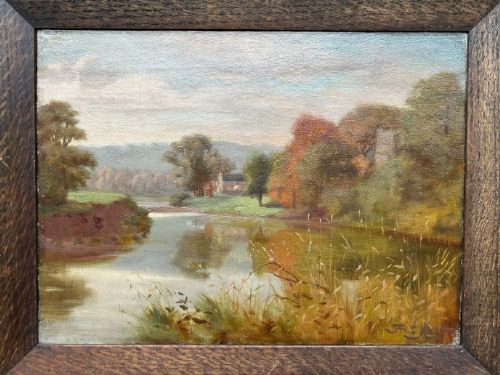
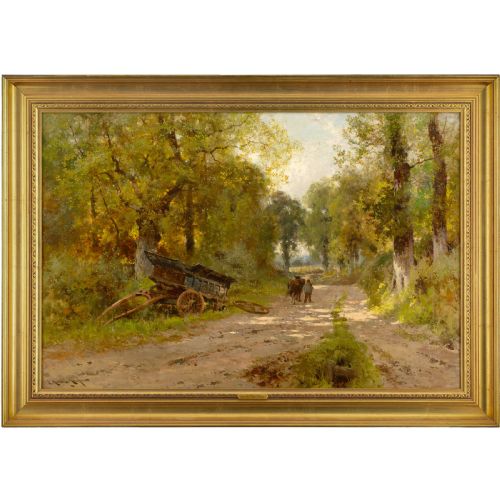
When exploring a 19th century british painting, buyers encounter a diverse range of artistic styles spanning from romantic landscapes to detailed social realism. The selections available on this page reflect the prominent artistic movements of the Victorian period, including rural landscapes, maritime scenes, and intimate portraiture.
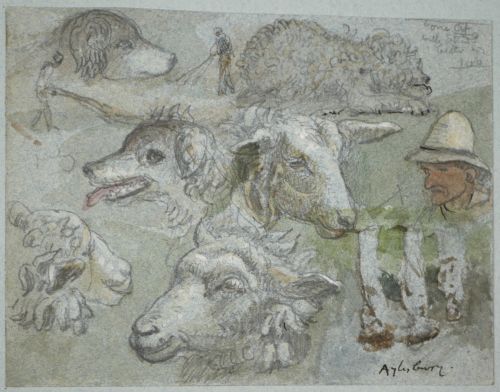
The assortment includes works executed on canvas, wood panels, and paper, representing both professional Royal Academy artists and capable regional painters. Framed artwork and portrait miniatures further broaden the scope of available pieces, offering buyers numerous ways to incorporate historical British art into modern interiors.
Most pieces date from the mid to late Victorian decades, capturing a society deeply engaged with nature, industrial progress, and domestic tranquility. Collectors will find both expansive oil paintings and delicate watercolours originating from various regions across Britain.
How They Were Made
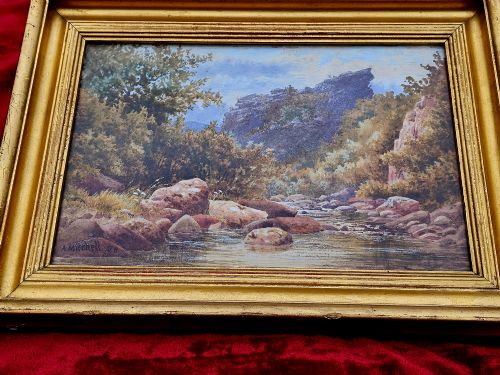
Artists of this era primarily worked with oil paints applied to stretched canvas or wooden boards, alongside watercolours worked on heavy paper stocks. Giltwood frames frequently complement these works, adding a traditional architectural border that defines the composition.
Pigments were meticulously layered to achieve depth in landscapes and luminosity in maritime watercolours, often finished with protective varnish coats. The physical supports range from substantial oil on canvas configurations to portable watercolour sheets utilised by artists travelling across the British countryside.
Listings feature works created across the nineteenth century, utilising oil on canvas, watercolour, and wood panel supports.
What Varies In Quality
The distinction between standard works and exceptional pieces rests upon the confidence of the brushwork, the handling of natural light, and the overall compositional balance. Superior examples demonstrate a keen observation of atmosphere, whether depicting turbulent coastal seas or quiet woodland interiors.
The integration of the subject matter within its environment further separates accomplished academic productions from more formulaic studio outputs. Original framing, clear signatures, and well-documented provenance also contribute significantly to the standing of an individual artwork.
William Oliver·Richard Sebastian Bond·George Fotherly Hargitt·James Orrock·Felix Stone Moscheles·Sir James Dromgole Linton·John R Prentice·Valentine T Garland·Alfred Young Nutt·John Maler Collier·Frederick Marriott·James Smetham·John Horace Hooper·A Mitchell·William Joseph Shayer Senior·John McDougal·Alfred Fontville de Breanski Jr·Edward Mills·James E Aitken·Richard Cosway·William Banks Fortescue·Stephen Samuel Lewin·John Rose Miles·Thomas W Lascelles·Mark William Langlois
The 19th Century British Painting Glossary
- Oil on Canvas
- A traditional painting medium utilising pigments suspended in a drying oil, applied to a woven fabric support stretched across a wooden frame.
- Watercolour
- A painting method where water-soluble pigments are suspended in a water-based solution, typically applied to paper to create translucent washes of colour.
- Giltwood
- Wood that has been coated with a thin layer of gold leaf or gilt powder, commonly found on decorative antique picture frames.
- Portrait Miniature
- A small, highly detailed painting, often executed on ivory, vellum, or card, intended for intimate personal display.
- Provenance
- The documented history of ownership of an artwork, tracing its lineage from the artist's studio to the present day.
19th Century British Painting: Frequently Asked Questions
What subjects are common in 19th century british painting?
These works frequently depict pastoral landscapes, coastal seascapes, domestic interior scenes, and historical narratives reflecting contemporary Victorian life. Artists often travelled across Britain to record specific regional topographies and rural working practices.
marine subjects and portraiture also feature prominently, documenting both the mercantile power of the era and individual likenesses through detailed oil and watercolour mediums.
How should I care for a framed antique painting?
Antique artworks require stable environmental conditions away from direct sunlight and excessive humidity to prevent pigment degradation and canvas warping. Maintaining moderate indoor temperatures helps preserve both the paint surface and the original giltwood frame.
professional conservation advice should be sought before attempting any cleaning or restoration work on nineteenth-century canvases or delicate watercolours.
Were these paintings created indoors or outdoors?
While many finished works were completed within studio environments, artists increasingly worked outdoors to capture direct studies of light and natural atmosphere. Watercolours were particularly suited for portable plein air sketching across the countryside.
larger oil compositions were typically developed from these initial field studies upon returning to the artist's workshop.
How can I identify the period of an artwork?
Dating relies upon examining the framing materials, canvas stamps, stretcher construction styles, and documented signatures or exhibition labels. Costume details, architectural elements, and painting techniques also offer strong chronological indicators.
comparing a piece with dated works by the same artist or regional school helps narrow its precise period of creation.