

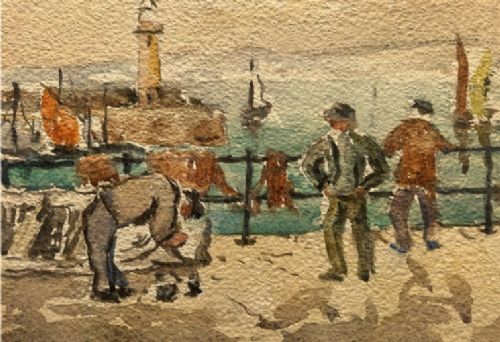
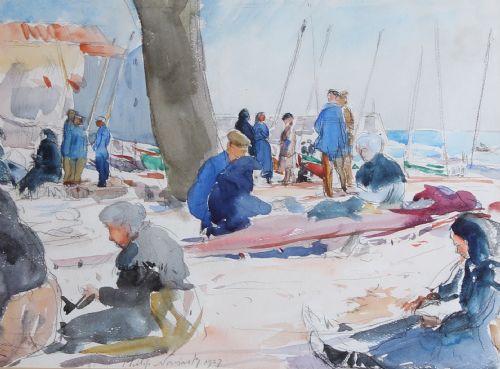
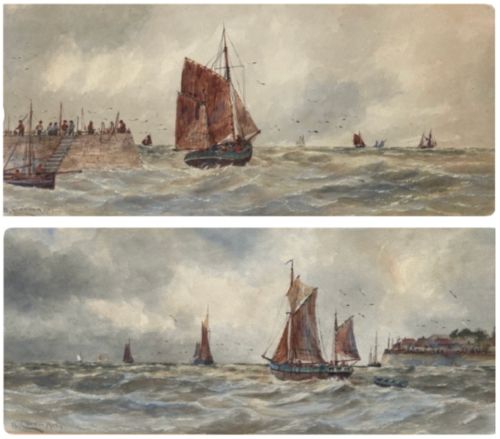
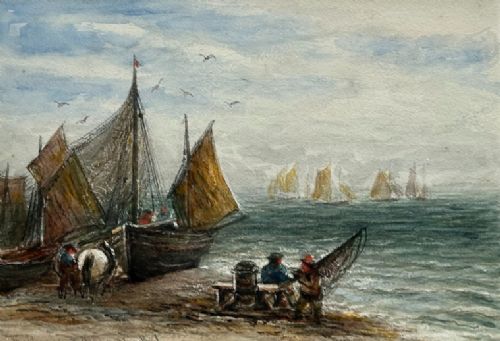


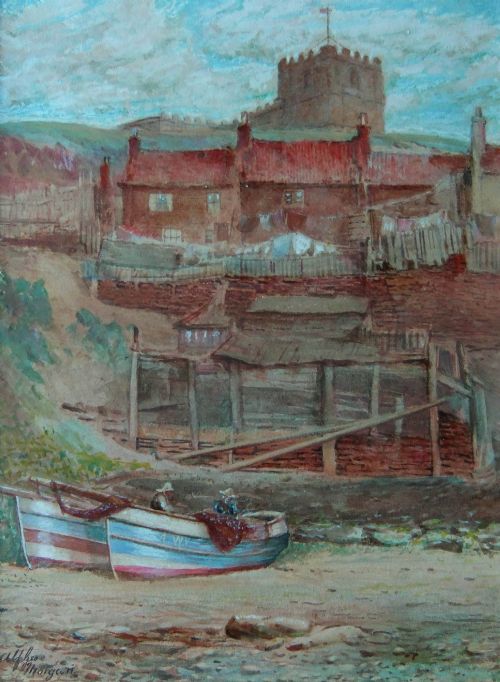

Original Maritime Watercolour Art
Original maritime watercolour art captures coastal vessels, harbours, and open seas through pigment on paper across the Victorian, Edwardian, and mid-century periods.
Original Maritime Watercolour Art
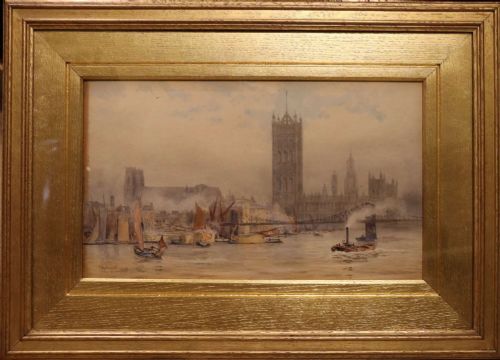
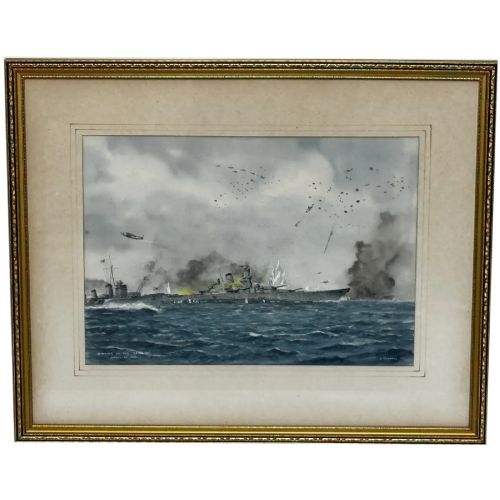
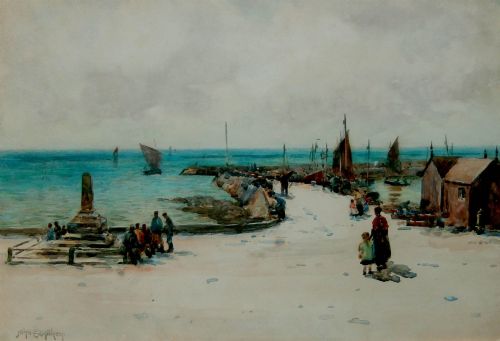
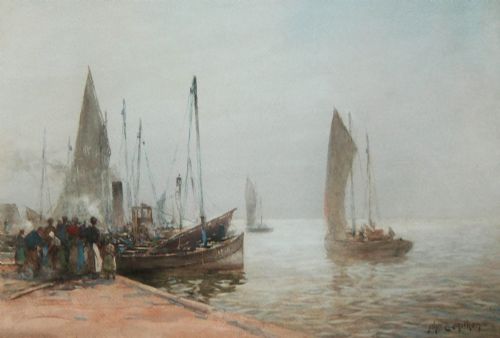
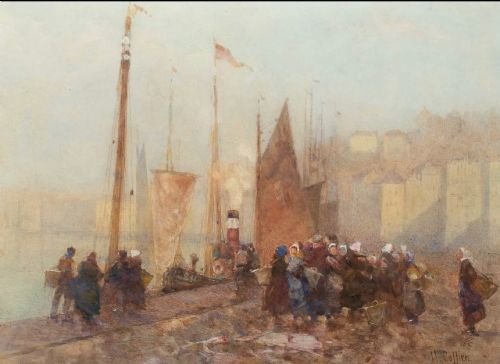
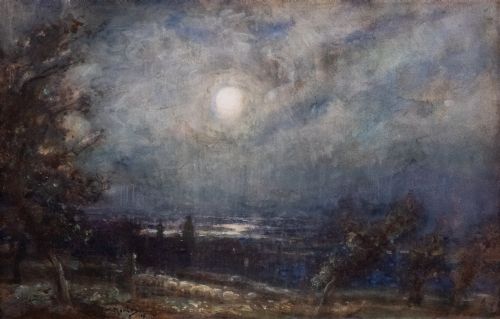
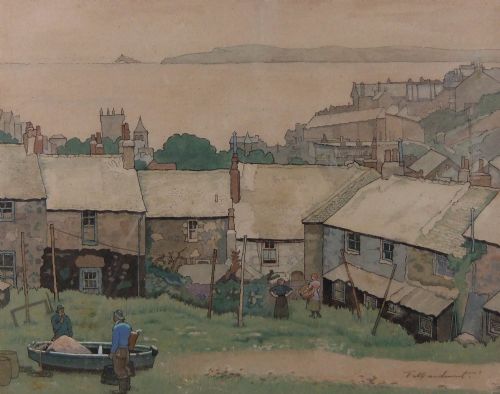
Original maritime watercolour art encompasses works on paper portraying coastal views, fishing vessels, and shipping scenes. You encounter framed watercolours ranging from nineteenth-century Victorian depictions of Cornish harbours to twentieth-century naval depictions.
Materials and technique
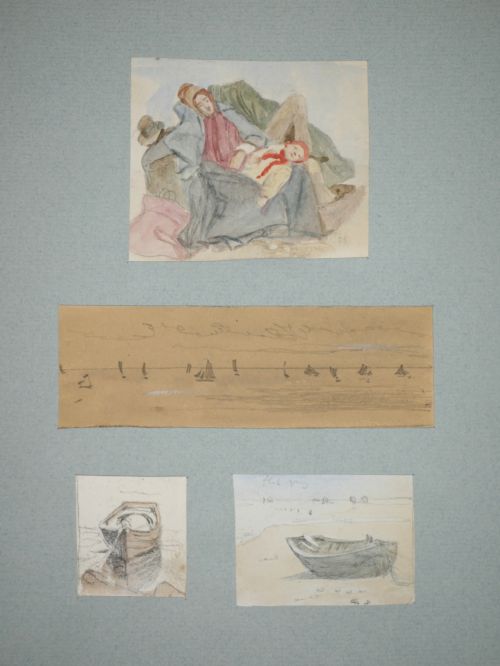
These works rely upon watercolour pigment applied to paper support, frequently accompanied by pencil underdrawing or ink line work. Artists utilised washes of varying opacity to capture the translucent qualities of sea and sky.
Framed presentation typically involves protective glass and wooden framing, sometimes with gilt wood mouldings. The combination of pigment on paper yields immediate tonal capture of changing coastal weather and light.
Original Maritime Watercolour Art Retail Price Guide 2026
Typical asking prices for original maritime watercolour art among the pieces listed under this phrase on Sellingantiques today, from the lower quarter to the upper quarter. They describe what is for sale here now, not the wider market.
Listings span from the Victorian era through the 1950s, utilising paper, watercolour pigment, ink, glass, and wood.
Factors determining quality
Quality rests upon the artist's handling of water-based pigment to render atmospheric conditions, perspective, and maritime architecture accurately. Stronger examples display confident brushwork and precise draughtsmanship in rigging and vessel construction.
Condition also dictates standing, particularly the preservation of pigment vibrancy against fading and the absence of heavy foxing on the paper support. Provenance and clear artist attribution elevate individual works above unsigned sketches.
James Orrock·Thomas Bush Hardy·Charles Edward Dixon·Hector Caffieri·Eric Tufnell
The Original Maritime Watercolour Art Glossary
- Watercolour
- A painting method where natural or synthetic pigments are suspended in a water-based solution and applied to paper. This medium allows for luminous washes and delicate atmospheric effects.
- Seascape
- A work of art depicting the sea, coastal views, ships, or maritime engagements. These subjects formed a major focus for British artists throughout the nineteenth and twentieth centuries.
- Works on paper
- A collective term for drawings, watercolours, prints, and pastels executed on a paper substrate. Such pieces require protection behind glass to prevent environmental damage.
- Provenance
- The documented history of ownership or creation for an artwork. Clear attribution helps establish the authenticity and period of maritime paintings.
Original Maritime Watercolour Art: Frequently Asked Questions
How do I date an antique maritime watercolour?
Dating relies upon stylistic indicators, artist signatures, framing materials, and accompanying documentation found on the reverse of the paper. Victorian pieces often exhibit heavier gilding and detailed academic rigging.
Twentieth-century examples tend toward looser impressionistic brushwork and modern paper supports. Comparing signature styles with known biographical dates narrows the execution window.
Where should I hang watercolour art?
Hang watercolours away from direct sunlight to prevent the fugitive pigments from fading over time. Stable indoor humidity protects both the paper support and the wooden or gilt frame.
Using conservation-grade glass further shields the painted surface from ultraviolet degradation.
What subjects appear in British maritime art?
British maritime works commonly feature fishing luggers, coastal harbours, naval engagements, and merchant shipping across domestic waters. Yorkshire and Cornish ports appear frequently in regional Victorian and Edwardian works.
Open sea studies and racing yachts also form a significant portion of the available artistic record.
How do I identify a genuine original watercolour?
Original watercolours reveal brush texture, pooling pigment edges, and underlying pencil guidelines under magnification. Print reproductions lack these three-dimensional pigment characteristics and surface irregularities.
Examining the paper grain helps confirm that the work is a hand-painted piece rather than a mechanical reproduction.