



Polychrome Framed Picture
A polychrome framed picture brings vivid colour and historic craft directly to your walls, spanning delicate enamel plaques and vibrant watercolours.
Polychrome Framed Picture
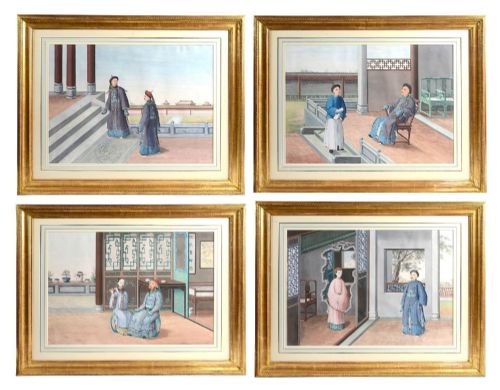
A polychrome framed picture encompasses a diverse range of decorative wall art, from early eighteenth-century Limoges enamel plaques to nineteenth-century Chinese watercolours and reverse glass prints. When searching for a polychrome framed picture, collectors encounter various historical styles including Georgian, Regency, and Qing Dynasty pieces.
The selection frequently highlights intricate details on materials such as silk, copper, paper, and wood. Traditional Chinese export works and European folk art sit side by side in original frames.
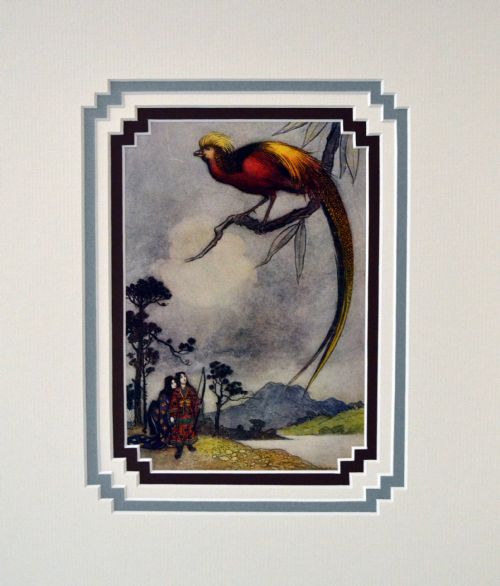
Buyers are most likely to meet nineteenth-century examples and Regency pieces, often featuring hand-enamelled borders or vibrant pigments. Each object reflects the distinct aesthetic of its period, whether through delicate Japanese fairy tale prints or robust Dutch jigsaw woodwork relief paintings.
Materials and construction methods
Makers utilised traditional techniques involving glass, enamel on copper, and watercolour pigments applied to paper or silk. Reverse glass painting required artists to paint directly onto the reverse side of the glass panel, creating a luminous finish when viewed from the front.
Limoges enamel plaques involved fusing coloured glass powder to copper bases through successive kiln firings to achieve rich tonal variation. Wooden frames were carved, gilded, or hand-enamelled to house these fragile works securely.
Polychrome Framed Picture Retail Price Guide 2026
Typical asking prices for polychrome framed picture among the pieces listed under this phrase on Sellingantiques today, from the lower quarter to the upper quarter. They describe what is for sale here now, not the wider market.
One cheerful item involves a Dutch fanfare brass band rendered in jigsaw woodwork relief.
Assessing quality and execution
The distinction between tiers rests upon the precision of the brushwork and the stability of the original frame. Finer examples display meticulous detail in facial expressions on ancestor portraits or crisp lines on Limoges enamel plaques.
Preservation of the original pigments and the integrity of the glass or enamel surface determine the desirability of each piece. Frames that retain their original hand-enamelled or carved finishes elevate the overall integrity of the artwork.
The Polychrome Framed Picture Glossary
- Polychrome
- Decorated in several colours. This term describes works utilising a broad palette of pigments or enamels.
- Reverse glass painting
- An art form where the painting is executed on the back of a glass pane. When viewed from the front, the glossy surface enhances the depth of the colours.
- Enamel plaque
- A small decorative plate made by fusing powdered glass to a metal substrate, usually copper. Limoges became a renowned centre for this technique.
- Chinese export
- Goods manufactured in China specifically for Western markets. These items often blend traditional Eastern subjects with European framing preferences.
Polychrome Framed Picture: Frequently Asked Questions
How do I care for antique glass and enamel art?
Keep these pieces away from direct sunlight to prevent the fading of delicate watercolours and printed pigments. Dust the frames gently with a dry, soft cloth and avoid chemical cleaners.
Ensure they hang in rooms with stable humidity to protect vulnerable organic materials like wood, paper, and silk from warping or degradation.
Are these frames original to the artwork?
Many listings specify whether the frame is original, which significantly contributes to the historic character of the piece. Regency and Georgian items frequently retain their period surrounds.
Inspect the joints and surface finish of the frame to understand its age and relationship to the artwork it houses.
What subjects appear in these historic pictures?
The subject matter varies widely across the centuries and regions represented. You will find narrative scenes such as sailor departures, traditional Chinese ancestor portraits, and whimsical animal prints.
Folk art interpretations and classical literary themes also feature prominently among the available formats.
How can I tell a painting on glass from a print?
Paintings on glass exhibit brushstrokes and pigment buildup visible under close inspection with a magnifying glass. Prints display dot patterns or uniform ink application associated with reproduction techniques.
Examining the reverse side often reveals the hand-applied nature of the paint layer in genuine glass paintings.