


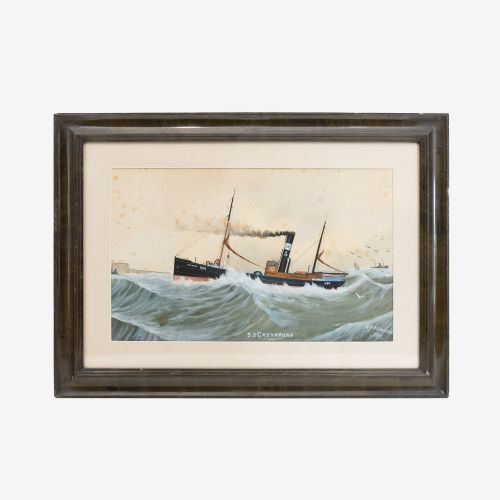

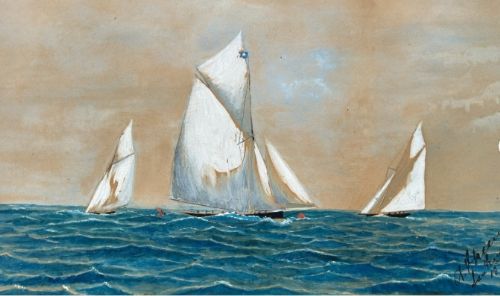
Vintage Marine Watercolour Painting
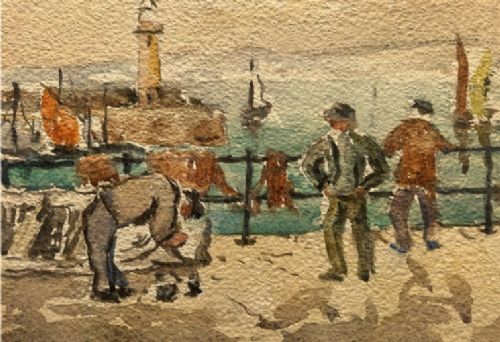
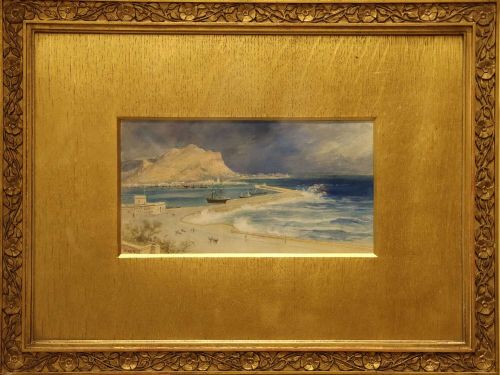
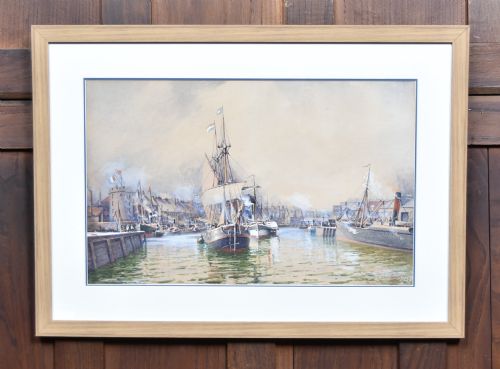
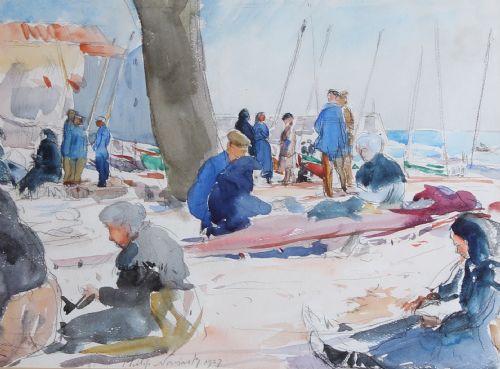
A vintage marine watercolour painting captures the changing moods of the sea and the craftsmanship of historic vessels.
Vintage Marine Watercolour Painting
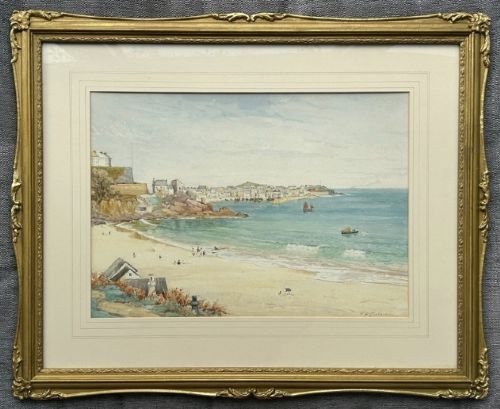
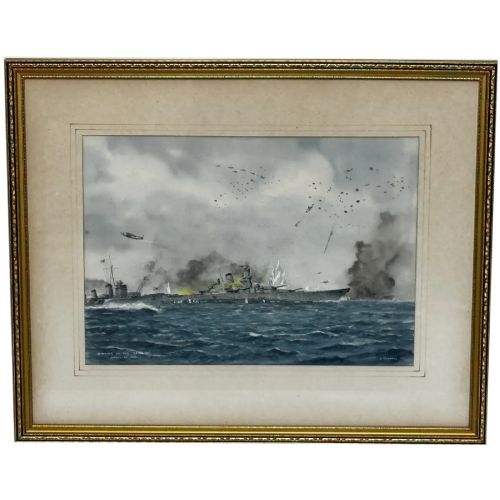
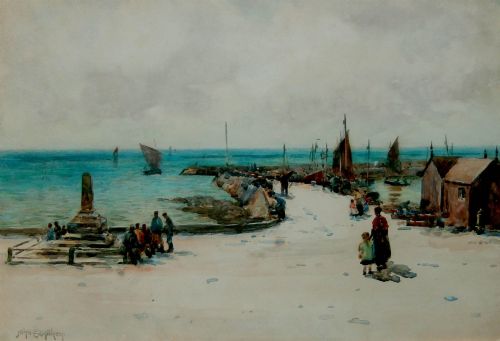
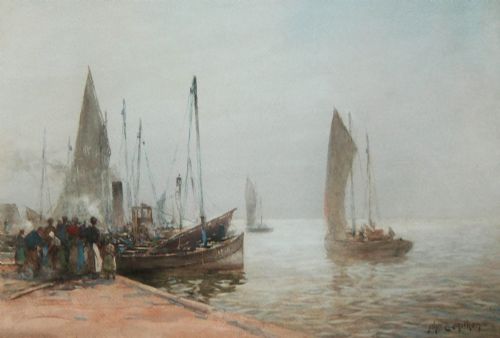
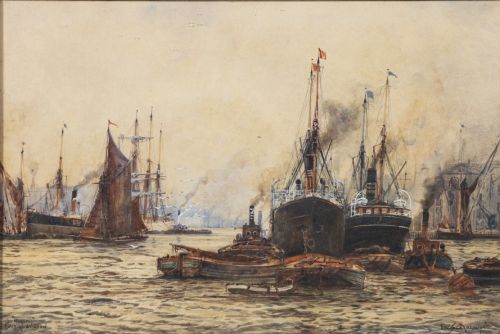
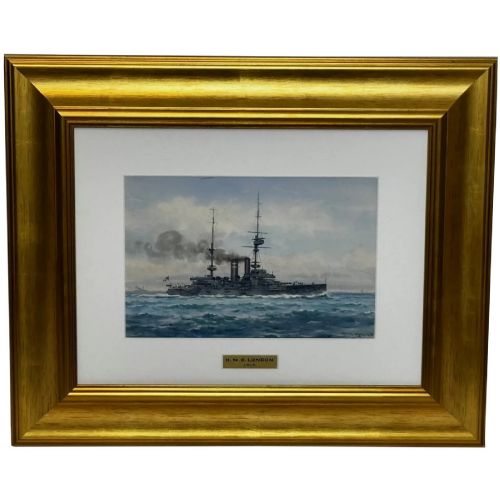
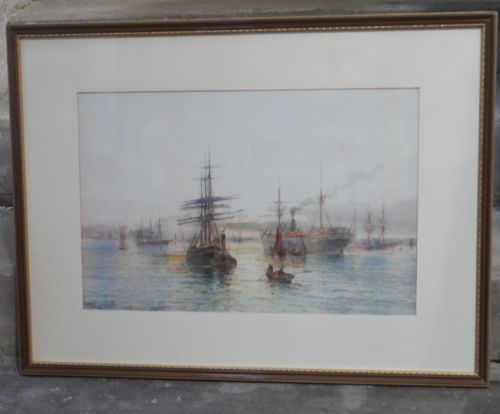
A vintage marine watercolour painting portrays maritime subjects, coastal harbours, and historical shipping vessels executed on paper support. These works range from late nineteenth-century depictions of British fishing docks to mid-twentieth-century naval scenes.
How they were made
Artists applied watercolour pigment and occasional gouache directly onto prepared paper sheets, frequently utilising glass and wood frames to protect the delicate medium. The technique relies on translucent washes to capture light on water, sky, and architectural coastal elements.
Makers mounted these watercolours behind glass within wooden frames, occasionally incorporating gilt wood mouldings to enhance the presentation of the maritime subject matter.
Vintage Marine Watercolour Painting Retail Price Guide 2026
Typical asking prices for vintage marine watercolour painting among the pieces listed under this phrase on Sellingantiques today, from the lower quarter to the upper quarter. They describe what is for sale here now, not the wider market.
Listings feature works executed on paper using watercolour pigment, housed within traditional wood and glass frames.
What varies in quality
The sophistication of brushwork and the artist's ability to render atmospheric conditions like light on the North Sea distinguish finer works from standard topographical records. Compositional balance and the precise detailing of rigging, hulls, and coastal architecture elevate certain pieces within the range.
Preservation of the original pigment vibrancy and the integrity of the paper support contribute significantly to the standing of an individual artwork.
James E. Aitken·Charles Edward Dixon·Frank Watson Wood·Thomas Bush Hardy·Edward Seago
The Vintage Marine Watercolour Painting Glossary
- Watercolour
- A painting method in which the paints are made of pigments suspended in a water-soluble vehicle. It provides the transparent washes characteristic of these coastal scenes.
- Gouache
- An opaque water-based paint often used alongside watercolour to add highlights and solid areas of colour to maritime works.
- Maritime
- Depicting ships, shipping, and the sea. This category encompasses naval vessels, fishing luggers, and harbour views.
- Edwardian
- Pertaining to the period from 1901 to 1910, marking a distinct style within these early twentieth-century paintings.
- Provenance
- The documented history of a piece, establishing its authenticity and the record of its creators or previous ownership.
Vintage Marine Watercolour Painting: Frequently Asked Questions
How do I care for a vintage watercolour?
Keep the artwork away from direct sunlight to prevent the watercolour pigments from fading over time. Ensure the framing remains sealed to protect the paper from moisture and humidity.
Display the piece on interior walls where environmental conditions stay relatively stable. Professional framing with acid-free backing materials preserves the paper support for decades.
What subjects appear in these paintings?
The works depict busy trading ports, naval warships, coastal fishing luggers, and quiet estuaries. Scenes frequently record historic harbours around the British coast and international waters.
Artists also documented specific vessels, lighthouses, and dramatic coastal weather events. These compositions offer a direct record of maritime history and working ports.
How do I identify the period of a painting?
Examine the style of the vessels, architectural details in the background, and the clothing of figures on the shore. Steamships, ironclads, and traditional sailing craft each belong to specific eras.
Signatures, dates written on the mount, and framing materials also provide clues to the creation date. Comparing the handling of light and pigment to known dated works helps narrow the timeframe.
Are gouache and watercolour used together?
Artists frequently combined transparent watercolour with opaque gouache on the same sheet of paper. This technique allowed painters to add bright highlights to sea spray and ship rigging.
The mixture creates texture and depth that pure watercolour alone cannot achieve on paper. Many marine paintings in this collection employ this dual medium.