







Original Marine Artwork
Original marine artwork captures the movement of the sea and the history of coastal vessels across centuries of painting and drawing.
Original Marine Artwork
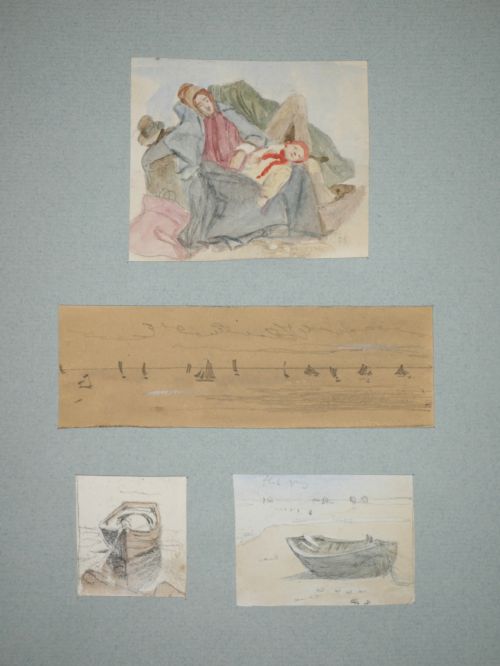
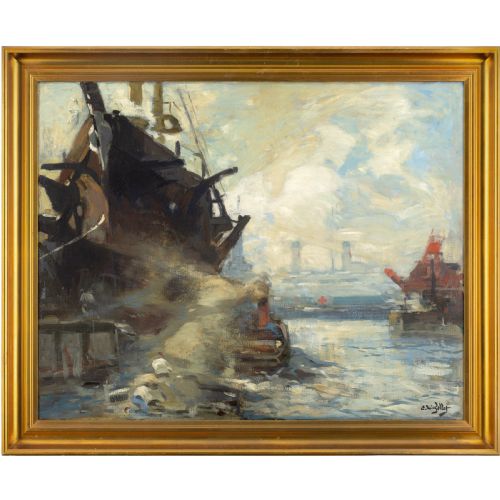
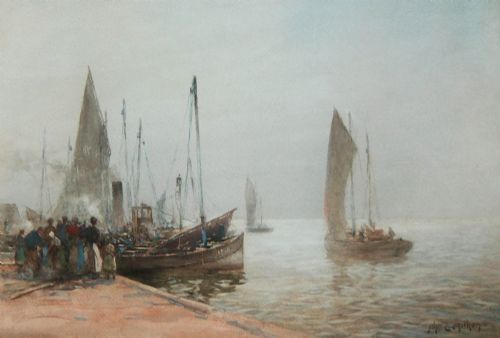
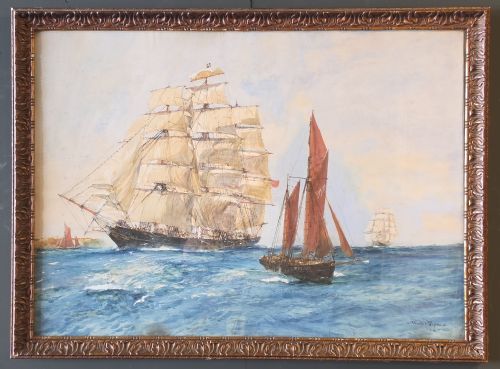
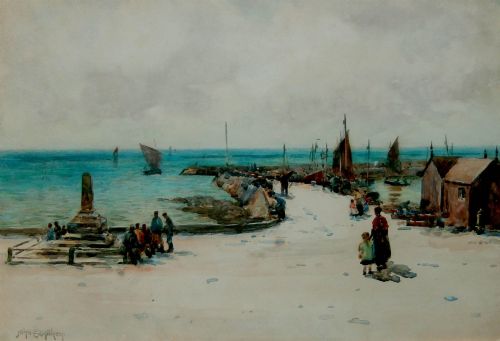
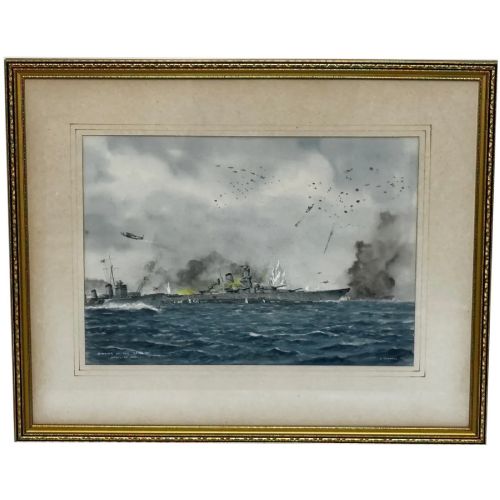
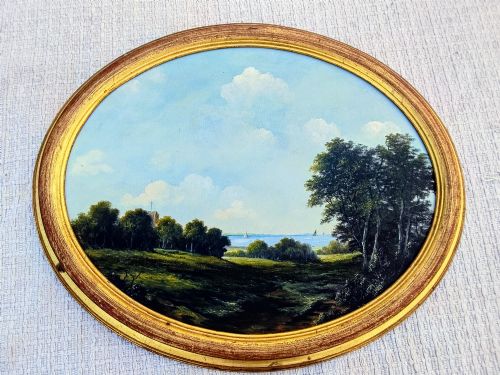
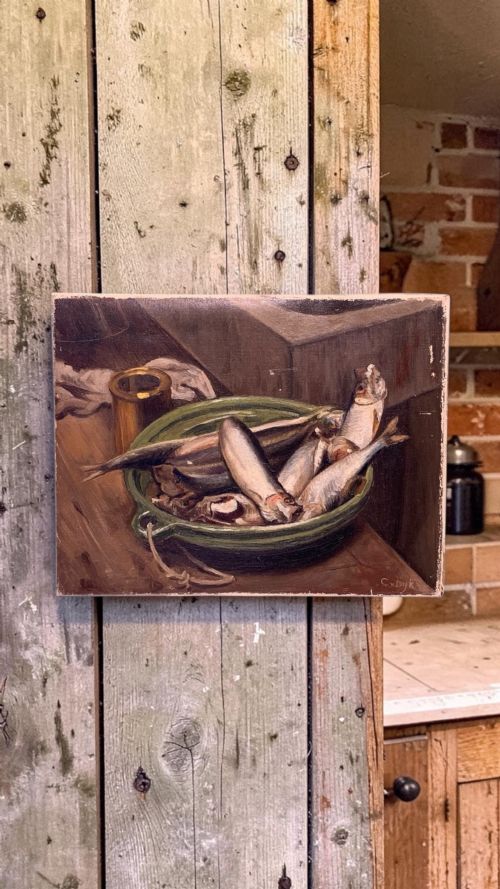
Original marine artwork spans oil paintings, watercolours, etchings, and drawings depicting coastal scenes, harbours, and ships at sea. When exploring original marine artwork, buyers encounter pieces ranging from nineteenth-century Victorian watercolours to mid-century British and French oils on canvas and board. These works document maritime heritage through depictions of fishing boats, coastal towns, and open waters.
The selections on this page lean heavily towards British and European coastal subjects rendered in traditional and impressionist styles. Formats include framed watercolours on paper, impasto oil paintings on board, and pencil-signed etchings. Subjects stretch from bustling Yorkshire harbours to tranquil French seascapes.
Materials and methods
Artists executed these works primarily using oil paint on canvas and board, or watercolour applied to paper. Oils allowed for rich layering and textured impasto effects, capturing the heavy weight of waves and coastal atmospheres. Watercolours provided fluid washes suitable for luminous skies and transparent sea surfaces.
Support materials range from traditional wood panels and stretched canvas to heavyweight paper sheets. Many works retain their period gilt wood frames, which complement the maritime subject matter and protect the edges of the canvas or paper.
Materials recorded across the inventory include paper, canvas, wood, glass, and gilt wood frames.
Distinctions in execution and condition
Quality in these pieces rests upon the artist's handling of light, atmosphere, and maritime perspective. Stronger works demonstrate confident brushwork or precise watercolour control in rendering rigging, hulls, and moving water. Weaker examples may rely on formulaic compositions with static waves and stiff vessel proportions.
The condition of the surface and support also dictates standing. Oil paintings benefit from stable paint layers free from excessive craquelure, while watercolours retain their strength when protected from fading and foxing on the paper.
Kenneth Cozens·James Orrock·Clifford Hanney·Eugène-Louis Gillot·Sidney A. Court·James E. Aitken·Charles Edward Dixon·John E. Aitken·Eric Tufnell·William Banks Fortescue·William Lionel Wyllie·Clive Browne·Peter Brannan·Hector Caffieri·Robert Leslie Howey·Bernard Benedict Hemy·George Stanfield Walters·Frank Kelsey·Walter Goodin·Abraham Hulk I·Henry Barlow Carter·F A Roylance·John Moxon·William Frederick Settle·Alfred George Morgan
The Original Marine Artwork Glossary
- Impasto
- Paint applied thickly to a canvas or board, leaving visible brush or palette knife marks that give texture to water and clouds.
- Seascape
- A work of art depicting the sea, coastal views, or marine shipping.
- Etching
- A printmaking technique where lines are incised into a metal plate with acid before being inked and pressed onto paper.
- En plein air
- Painting outdoors to capture natural light and atmospheric conditions directly from the subject.
Original Marine Artwork: Frequently Asked Questions
How should I frame a watercolour?
Watercolours require framing behind glass with acid-free mounts to prevent moisture damage and paper degradation. UV-protective glass helps shield delicate pigments from fading in daylight.
Traditional gilt wood frames often complement the period aesthetic of nineteenth and early twentieth-century pieces.
How do I date an oil painting?
Dating relies on stylistic clues, artist signatures, framing materials, and inscriptions on the reverse of the canvas or board. Victorian works often feature detailed realism, whereas mid-century pieces show looser brushwork.
Exhibition labels and retailer stamps can also provide reliable chronological anchors.
Where were these artists working?
Many painters based themselves in coastal artist colonies such as St Ives, Whitby, and Scarborough to study maritime traffic and changing weather. Others travelled across European waters, recording French ports and North Sea havens.
Studio work often followed en plein air sketches completed on location.