

Original Impressionist Canvas Artwork
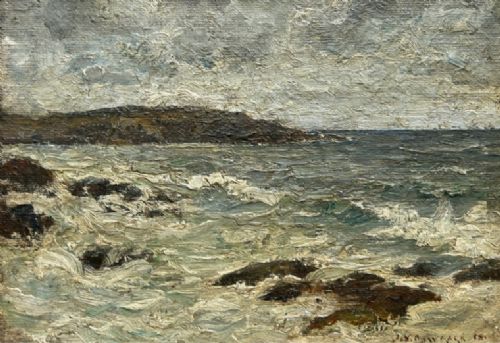
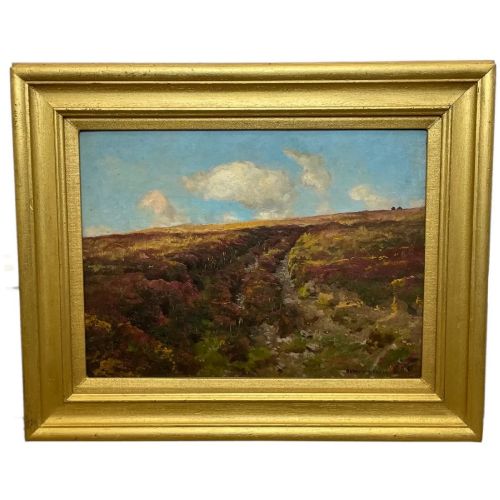
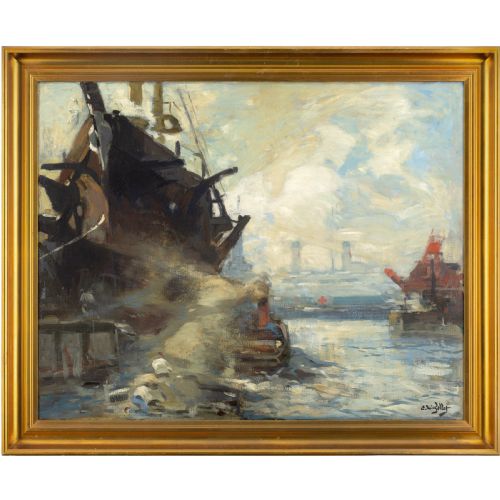
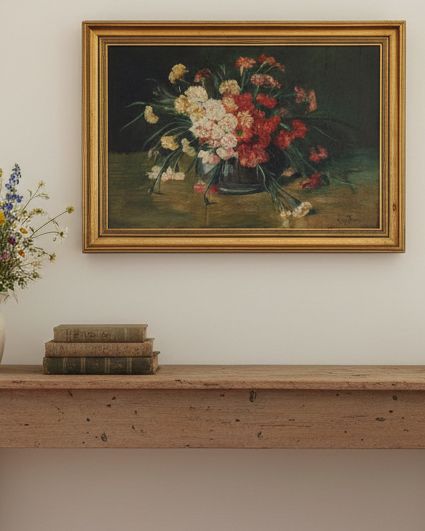
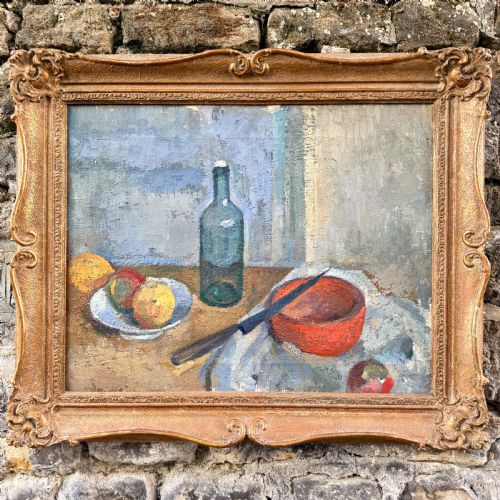
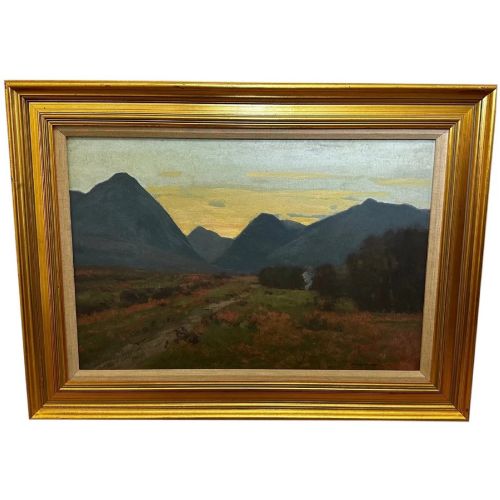
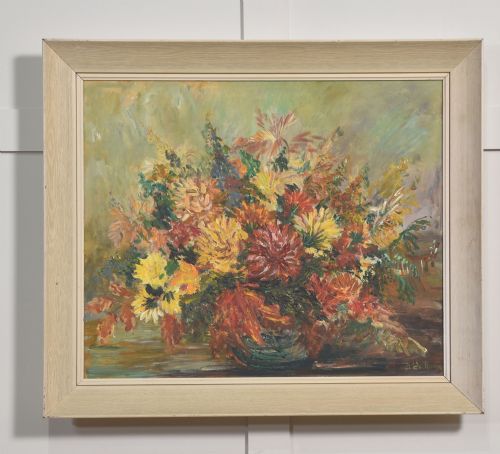
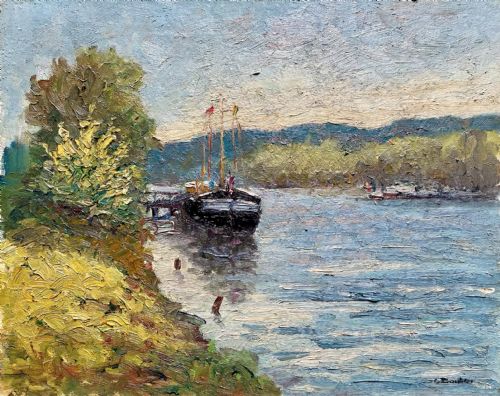
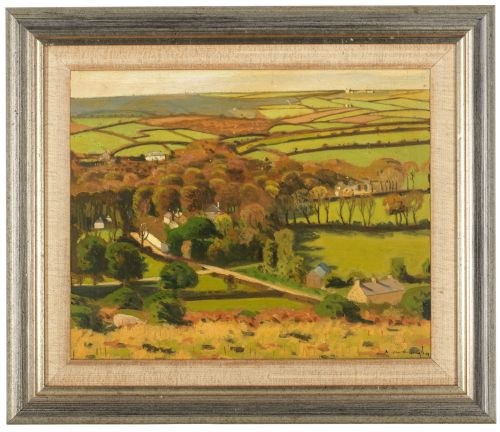
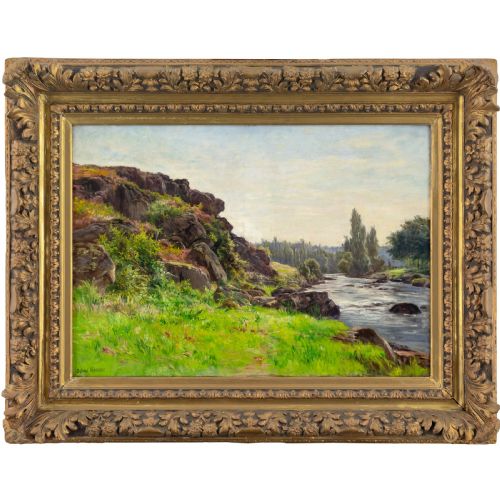
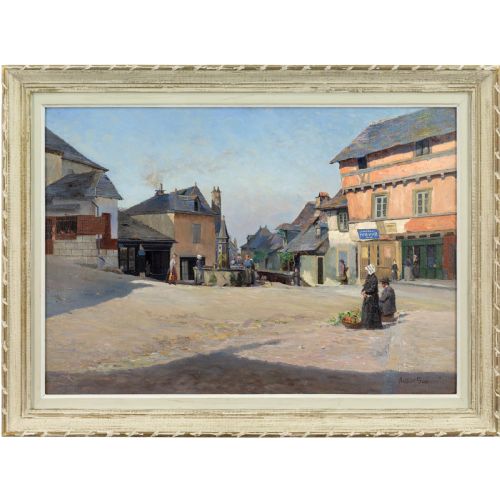
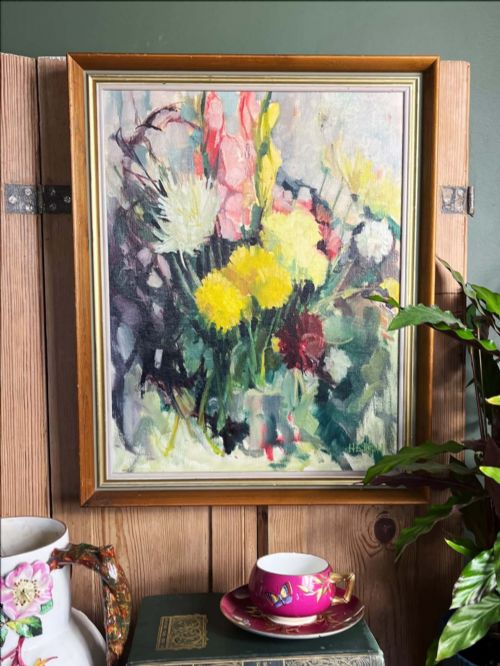
Original impressionist canvas artwork captures light and movement across landscapes and still lifes through visible brushwork.
Original Impressionist Canvas Artwork
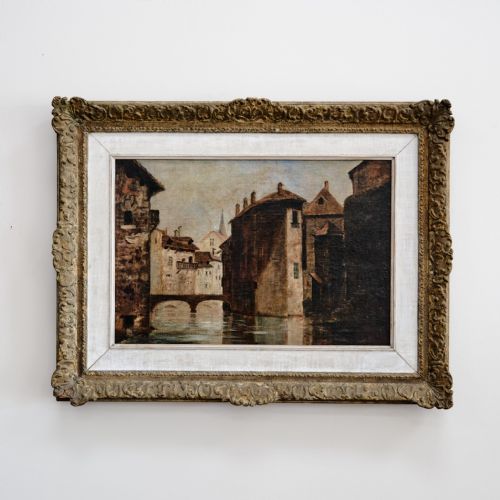
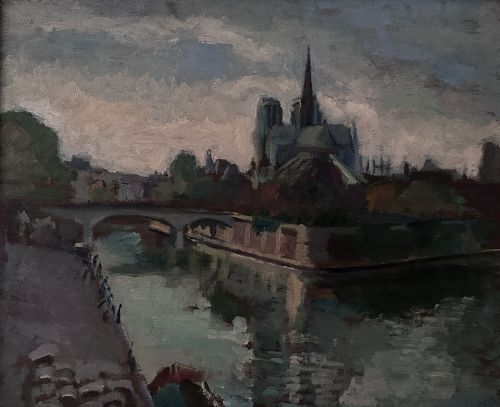
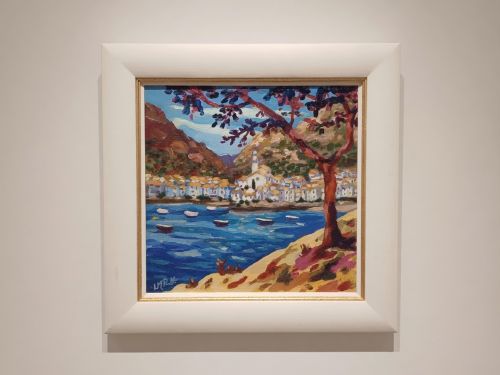
Original impressionist canvas artwork encompasses oil paintings created across various periods including the nineteenth century, early decades of the twentieth century, and later mid-century eras. Buyers seek these pieces for their atmospheric depictions of coastal scenes, rural landscapes, floral still lifes, and urban views.
The most common examples on this page are oil paintings executed on canvas or board, often housed in period frames, including gilt wood structures. These works originate from British, French, Austrian, and Italian artists working within impressionist, post-impressionist, and realist traditions.
Subjects range widely from marine vistas and river banks to intimate interior scenes and architectural studies. Each piece records the specific hand of an individual painter capturing transient effects of natural light.
Materials and Techniques
Painters utilise oil paint applied to prepared canvas supports, frequently mounted on wooden stretchers or occasionally boards. The medium allows for thick, textured impasto applications that build physical relief onto the surface.
Artists manipulate pigment with brushes and palette knives to record shifting light and shadow directly from observation. Canvases are often secured within wooden frames, sometimes finished with gilt to complement the composition.
The evidence records oil paintings spanning the nineteenth century, early twentieth-century decades, and mid-century periods up to later than 1960.
Distinctions in Quality
Quality rests upon the confidence of the brushwork and the artist's ability to command tone and atmosphere within the composition. Stronger pieces display deliberate handling of pigment that defines form through colour rather than rigid line.
The integration of the subject with its tonal context separates accomplished works from ordinary student output. Superior canvases retain vibrancy in the paint layer and structural stability in the underlying textile and wooden stretcher.
Clifford Hanney·Arthur Wardle·Eugène-Louis Gillot·George Houston·Robert Morson Hughes·Arthur Gué·G. J. S. Bary·Antonio DeVity·Clive Browne·Konstantin Stoitzner·Lucy Pratt·Herbert Ashwin Budd·Eric Brown·Henri Ottmann·Ernest Higgins Rigg·Else Preußner·John Hodgson Lobley·Harry Kluge·Sir Alfred East·Donald McIntyre
The Original Impressionist Canvas Artwork Glossary
- Impressionism
- A nineteenth-century painting style focused on capturing the visual impression of a moment, particularly shifting light and ordinary subject matter. Artists prioritized visible brush strokes and open compositions over academic finish.
- Impasto
- Paint applied thickly to a canvas, standing out in relief from the plane. This technique adds tactile depth and catches light across the painted surface.
- Post-Impressionism
- A stylistic development extending impressionist methods while rejecting its limitations for more expressive forms and symbolic content. Painters explored bolder colours and structural designs.
- Gilt wood
- Wood carved and coated with gold leaf or metallic powder to form decorative picture frames. These borders enhance the visual weight of oil paintings.
- Stretcher
- The wooden framework that holds an artist canvas taut during and after painting. Traditional corners allow minor adjustments to tension.
Original Impressionist Canvas Artwork: Frequently Asked Questions
How do I care for an oil painting on canvas?
Keep the canvas away from direct sunlight and steady temperature fluctuations to prevent the oil paint and wood stretcher from degrading. Dust the surface gently with a soft, dry brush without applying pressure.
Avoid using liquid cleaners or hanging pieces in damp environments like kitchens or unventilated bathrooms. Professional conservators should handle any structural repairs or cleaning of aged varnish layers.
Are these paintings supplied with frames?
Many listings include period frames, such as gilt wood surrounds, which complement the era of the artwork. Check individual descriptions to confirm whether the specific frame is original to the piece.
Frames protect the canvas edges and contribute to the historical presentation of the artwork. Buyers often choose to retain these housings or reframe pieces to suit modern interiors.
What is the difference between oil on canvas and oil on board?
Oil on canvas involves stretched woven fabric fixed to a wooden frame, providing slight give and a textured weave beneath the paint. Oil on board uses a rigid wooden or composite panel as the painting support.
Both materials were utilised extensively across the nineteenth and twentieth centuries by impressionist painters. Board supports offer greater rigidity, whilst canvas remains the traditional standard for larger compositions.
How can I tell the period of an impressionist painting?
Dating relies upon stylistic markers, artist signatures, framing materials, and construction details visible on the reverse of the canvas or board. Records of active dates for named painters provide a clear baseline for production.
Examining the canvas texture, stretcher construction, and types of nails or staples used offers further clues to age. Mid-century and later works often display distinct stretcher profiles compared to nineteenth-century examples.