

Brown Impressionist Oil Painting
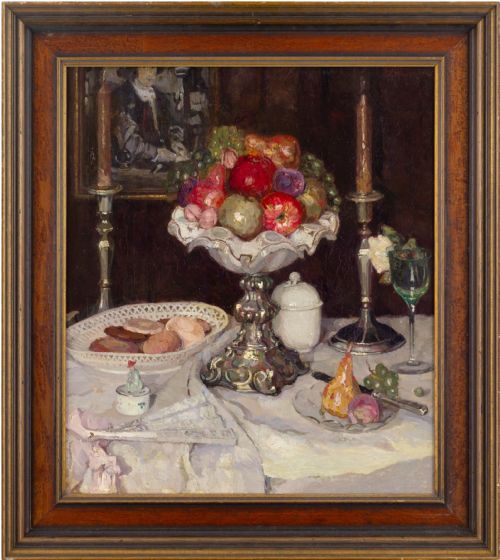
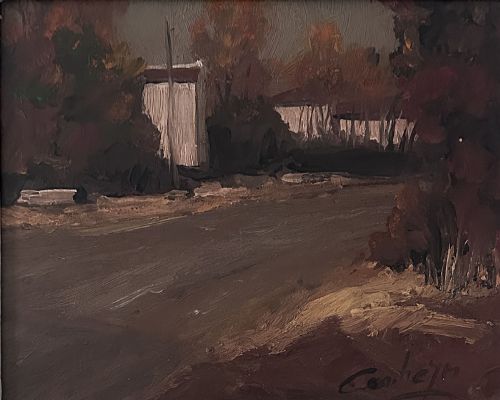
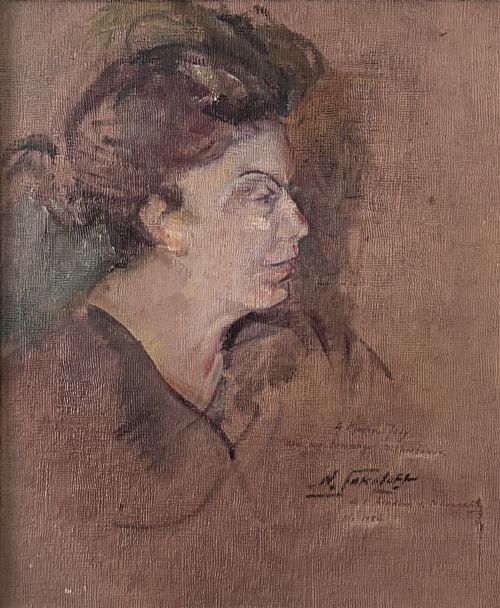
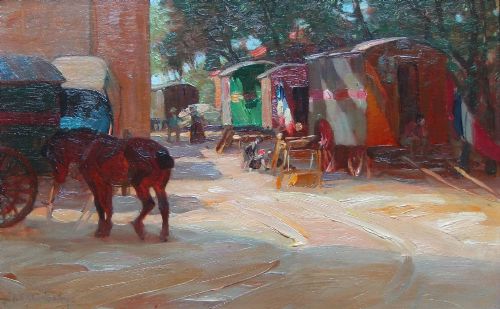
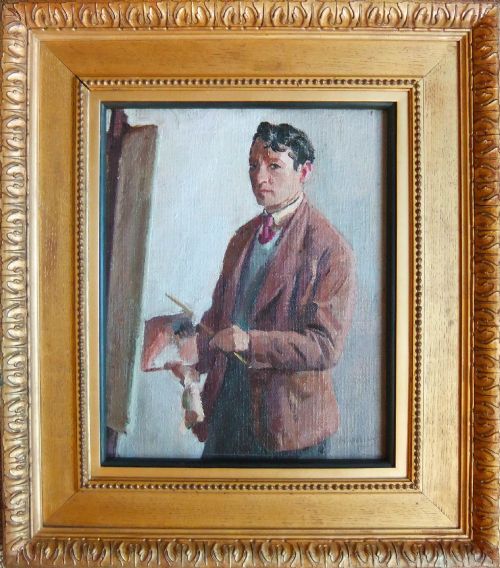
A brown impressionist oil painting captures light and shadow through earthy pigments, bringing warmth and depth to interior spaces.
Brown Impressionist Oil Painting
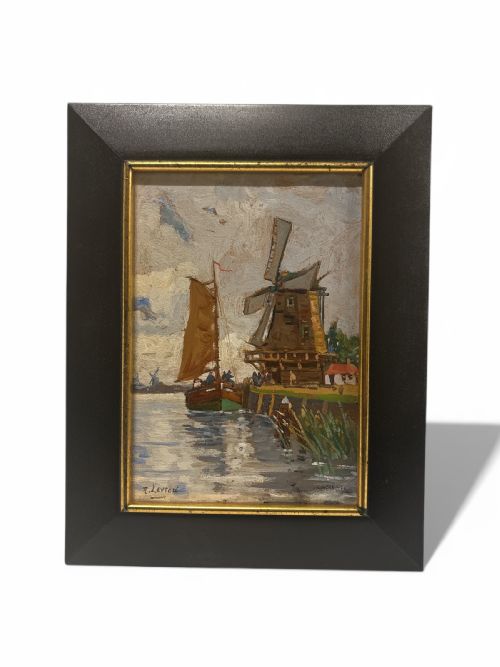
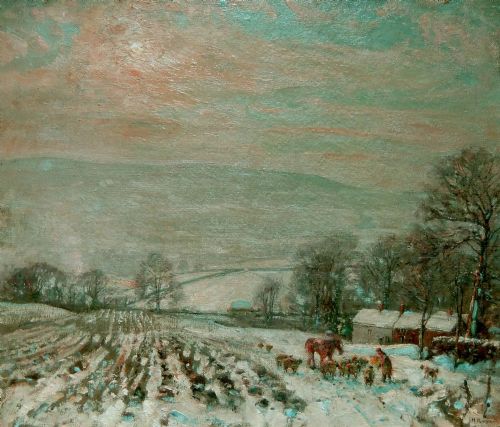
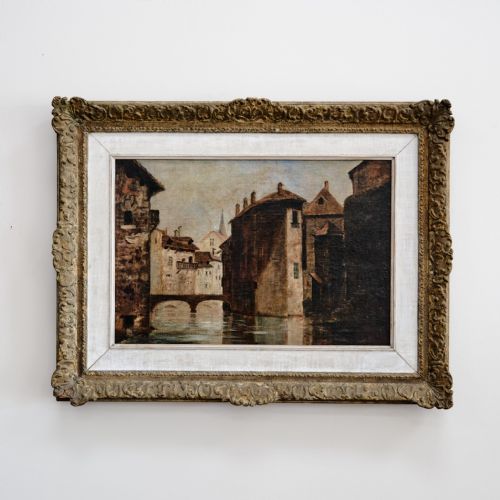
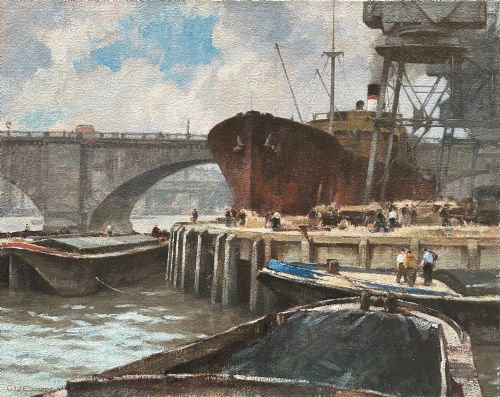
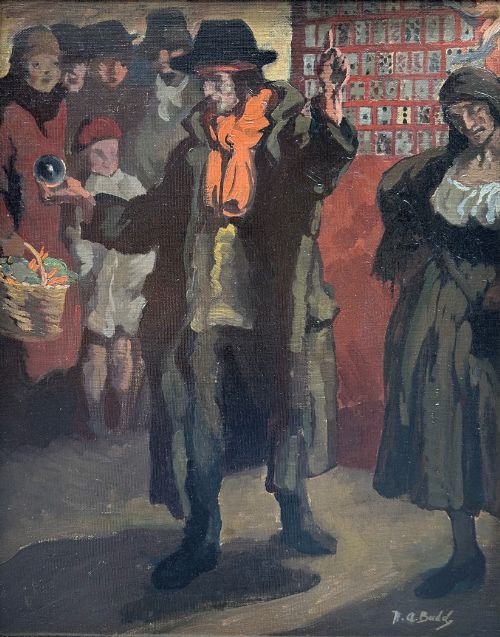
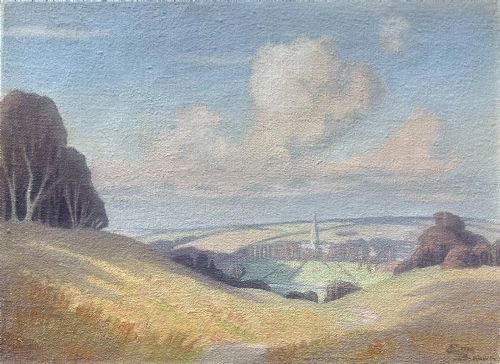
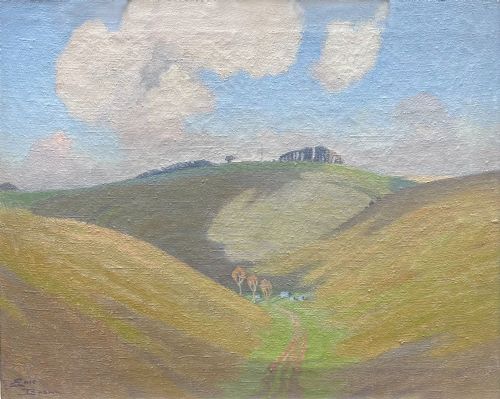
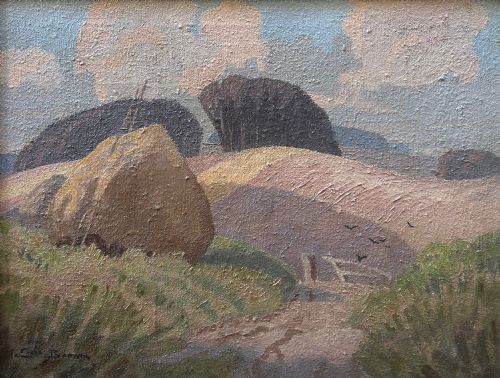
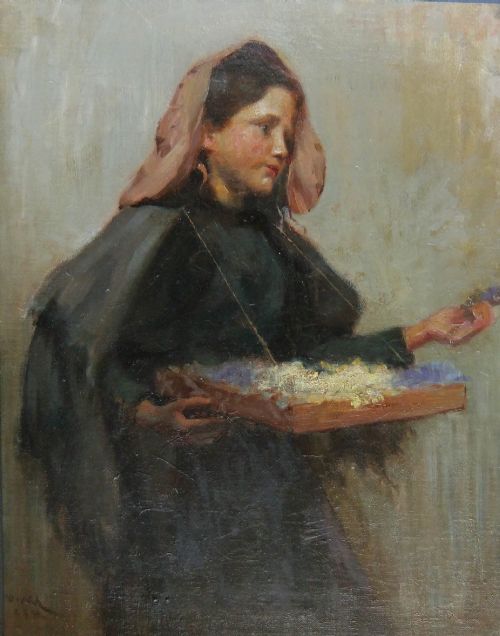
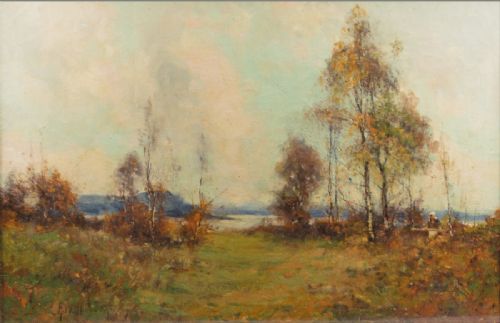
A brown impressionist oil painting typically depicts landscapes, pastoral scenes, or quiet domestic moments rendered in subdued, earthy tones. Buyers seeking these works will encounter pieces spanning from the nineteenth century through the mid-twentieth century, originating from British, French, and Belgian studios.
The most common formats on this page include framed canvases and panels showcasing loose brushwork and atmospheric lighting. Subjects range from rural riverbanks and harvest fields to cityscapes and portraiture, all united by a palette dominated by rich browns, ochres, and muted greens.
Many examples demonstrate regional British and European movements, including Scottish Impressionism and post-impressionist plein air studies. These works offer a tangible connection to historical methods of capturing fleeting moments in natural light.
Materials and construction
Artists built these works primarily using oil paint applied to woven canvas or wooden panels. The viscous nature of oil paint allowed painters to build up thick textures and blending effects that defined the impressionist method.
Many pieces retain their original wooden frames, frequently enhanced with applied gesso and gilt details. These frames complement the earthy palettes of the paintings while protecting the delicate edges of the canvas or panel.
Several artists recorded horses, sheep, and childhood ponies sharing the canvas with quiet country lanes.
Distinguishing the finer examples
The distinction between standard works and exceptional pieces lies in the confidence of the brushwork and the management of tonal depth. Masterful handling of light within a restricted brown palette separates casual studies from compelling artistic statements.
Compositional balance and the preservation of the original surface condition heavily influence the standing of an artwork. Pieces that retain their historic frames and exhibit strong provenance demonstrate greater artistic and historical integrity.
Herbert Royle·Cyril Walduck Edwards·Herbert Ashwin Budd·Eric Brown·Else Preußner·Paul Ehrenberg·Philip Naviasky·William Watt Milne·Alexander Wellwood Rattray·John Horace Hooper·Owen Bowen·David Pelbam·Edouard Julien·Frans Gailliard·Harry Freckleton·Gyrth Russell·Raimond Louis Lecourt·Ron Folland·Vincenzo Irolli·Henri Joseph Pauwels·E A Minardo·William Greaves·James William Booth
The Brown Impressionist Oil Painting Glossary
- Impressionism
- A nineteenth-century art movement characterised by relatively small, thin, yet visible brush strokes and an emphasis on accurate depiction of light.
- Plein air
- The act of painting outdoors, allowing artists to directly observe the landscape and changing natural light conditions.
- Gesso
- A plaster-like mixture applied to wooden panels or frames to prepare a smooth surface for painting or gilding.
- Post-Impressionism
- A predominantly French art movement that developed from impressionism, extending its limitations while retaining its use of vivid colours and thick application.
Brown Impressionist Oil Painting: Frequently Asked Questions
How do I hang a heavy oil painting safely?
Ensure your wall fixings are secured directly into masonry or wall studs rather than relying solely on plaster. Use picture wire and heavy-duty D-rings rated well above the weight of the framed canvas.
Position the centre of the painting at eye level for optimal viewing. Keep the work away from direct sunlight and strong heat sources to protect the oil pigments.
How should I clean an antique oil painting?
Dust the surface very gently with a soft, clean brush to remove loose particles. Avoid using water, household cleaners, or cloths on the painted surface.
Consult a professional art restorer if the canvas requires deeper cleaning or removal of accumulated grime. Proper conservation prevents accidental damage to the historical paint layers.
What does plein air mean for these paintings?
Plein air refers to works painted outdoors directly in front of the subject. This technique allowed artists to capture immediate effects of natural light and weather.
Paintings created this way often carry energetic brushstrokes and spontaneous compositions. They provide a direct record of the landscape as the artist experienced it.
Are these paintings supplied with their original frames?
Many listings include period frames made of wood, often finished with gesso and gilt. These frames are selected to complement the age and style of the artwork.
Check individual descriptions to confirm whether the frame is period-original or a later replacement. Original framing adds considerable historical context to the piece.