


Canvas Winter Landscape Painting
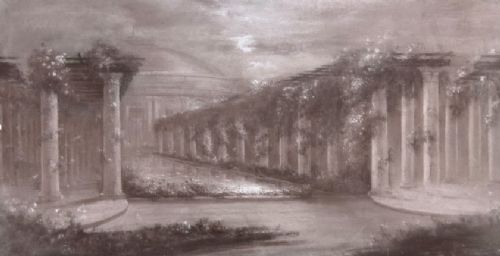
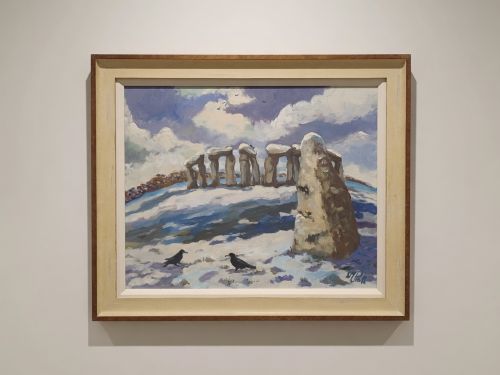
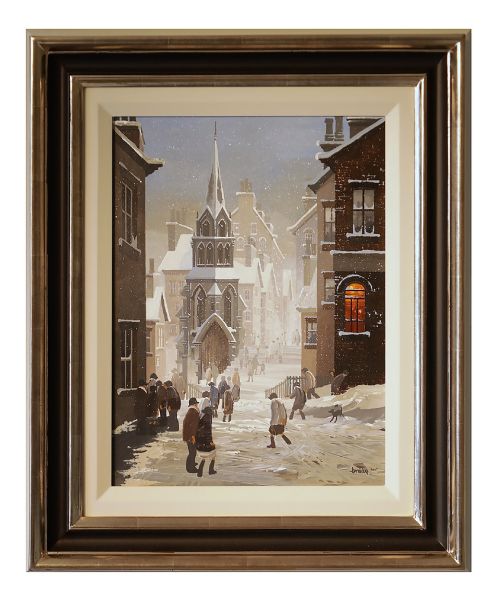
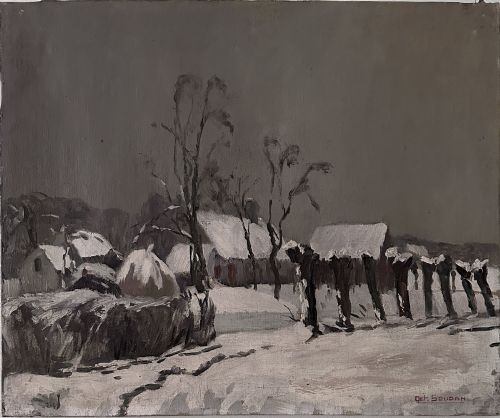
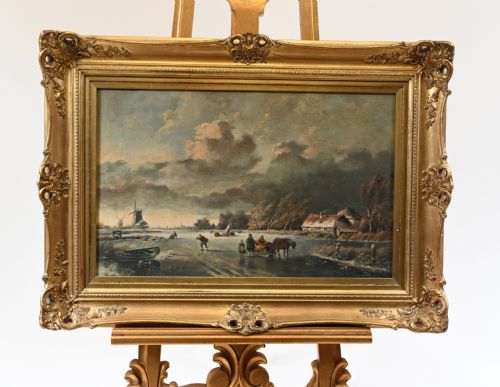
A canvas winter landscape painting captures snow, frost, and quiet frost-bound fields through the rich texture of oil paint.
Canvas Winter Landscape Painting
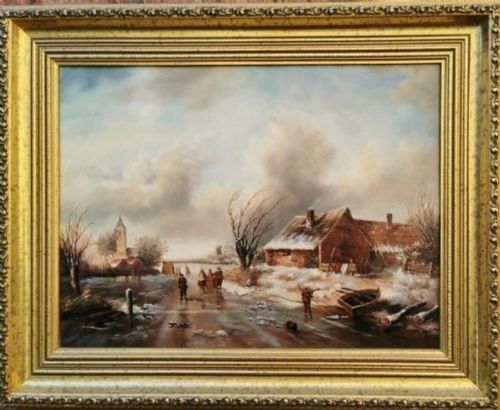
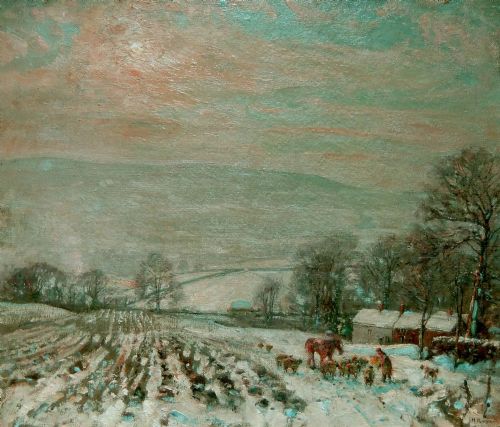
When you search for a canvas winter landscape painting, you encounter works spanning from the nineteenth century through the mid-twentieth century, recorded across British, Dutch, and continental schools. These pieces frequently depict rural villages, frozen lakes with skaters, stagecoaches battling snowstorms, and sheep droving in Yorkshire or Dutch settings.
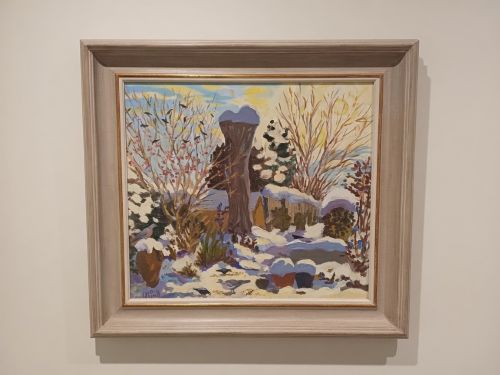
The selection here ranges from nineteenth-century coaching scenes and animal portraits in the snow to early twentieth-century impressionistic depictions and mid-century interpretations. You will find works executed on canvas stretched over wood frames, capturing pastoral quiet and maritime winter quays alike.
How They Were Made
These works are created using oil paint applied to canvas supports stretched over wooden frames, often accompanied by gilt or giltwood framing. Artists built up the composition through layered brushwork to render the heavy textures of snow, ice, and overcast skies.
The physical build relies on traditional stretcher frames holding woven canvas, allowing the oil medium to mature with distinct cracking or craquelure over decades. Pigments were manipulated to catch the pale, low light characteristic of nineteenth and early twentieth-century winter scenes.
Several canvas scenes include dogs on fox hunts enduring the snow alongside stagecoaches stuck in drifts.
What Varies in Quality
Quality rests in the handling of light and atmosphere, distinguishing works that merely record a snowy scene from those that capture the specific chill and tonal depth of winter. The sureness of the brushwork in rendering figures, animals, and frozen water dictates the visual strength of the painting.
The preservation of the original canvas and the integrity of the paint surface dictate the long-term character of the piece. Stronger examples maintain rich impasto in the snow elements and stable adhesion to the stretcher frame.
Herbert Royle·Ernest Higgins Rigg·John Charles Maggs·Lucy Pratt·Brian Shields Braaq
The Canvas Winter Landscape Painting Glossary
- Canvas
- A heavy woven fabric used as a surface for oil painting, typically stretched tightly over a wooden frame. It provides the foundational texture visible beneath the layers of pigment.
- Oil Paint
- A slow-drying paint made by combining pigment particles with a drying oil, most commonly linseed oil. This medium allows for deep blending and thick impasto applications.
- Giltwood
- Wood that has been treated and covered with a thin layer of gold leaf or gold-coloured gilding. It frequently forms the decorative frame surrounding historical paintings.
- Impressionism
- An art style focused on capturing the visual impression of the moment, particularly shifting light and atmosphere. It appears across various British and continental winter scenes in this collection.
- Tonalism
- An artistic style where artists paint landscapes with an overall dominant tone or mistiness. It emphasises atmospheric mood over sharp topographical detail.
Canvas Winter Landscape Painting: Frequently Asked Questions
What periods do these winter paintings cover?
The works span from the nineteenth century through the mid-twentieth century, including Victorian, Edwardian, and mid-century examples.
Specific decades represented include the 1860s, 1870s, 1880s, and various points across the 1900s to the 1960s.
How are the winter scenes usually framed?
Many paintings are housed in period frames constructed from wood, frequently featuring gilt or giltwood finishes that complement the oil medium.
These frames range from simple wooden mouldings to ornate decorative surrounds matching the era of the artwork.
What subjects appear most often in these landscapes?
Common subjects include rural Yorkshire dales, Dutch frozen lakes with figures skating, and stagecoaches travelling through heavy snowstorms.
Other recurring motifs feature sheep droving, hunting hounds in the snow, and quiet village rooftops during winter.
Are these paintings executed on stretched fabric?
The vast majority of the works are executed in oil paint upon canvas stretched over wooden stretcher frames.
Selected pieces also record charcoal or mixed mediums applied to paper attached to canvas stretchers.