
Victorian Narrative Painting
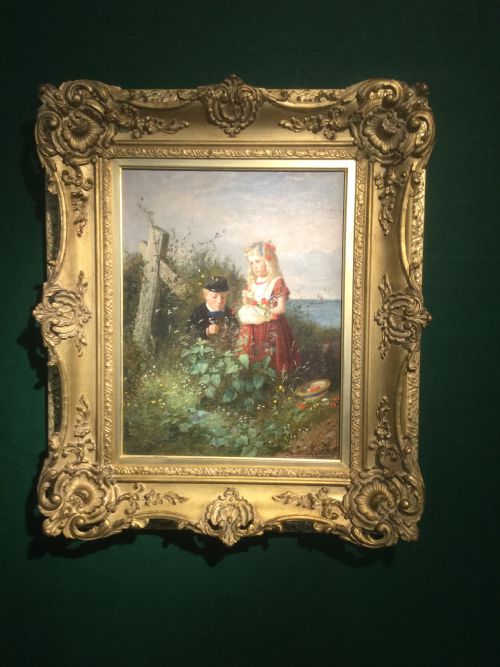
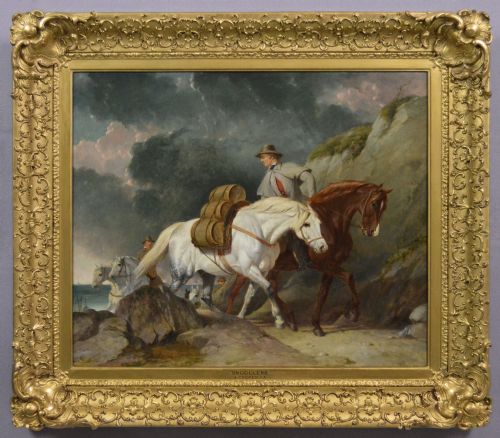
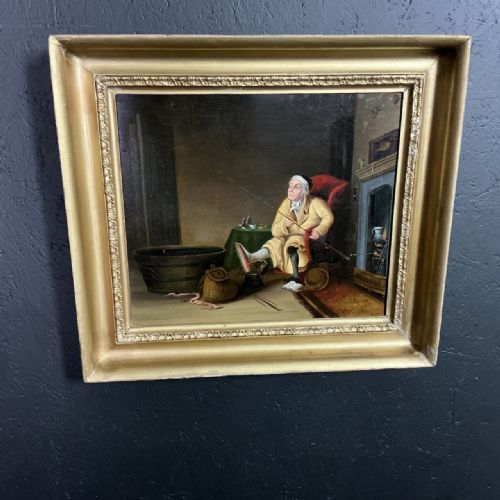
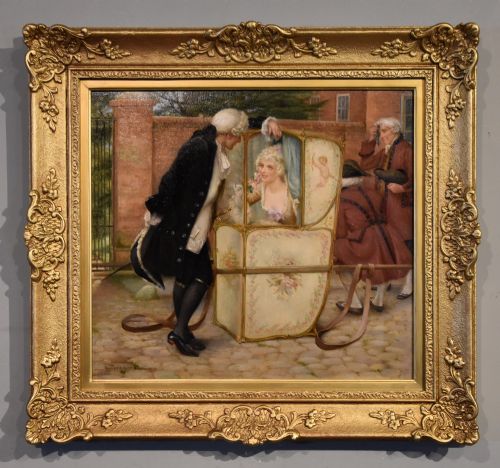
A victorian narrative painting tells a story on canvas, drawing buyers in with domestic scenes, historical episodes and moral tales.
Victorian Narrative Painting
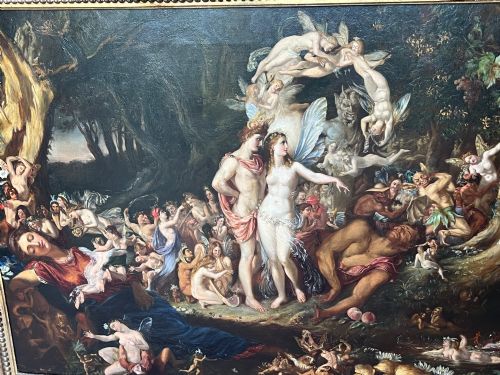
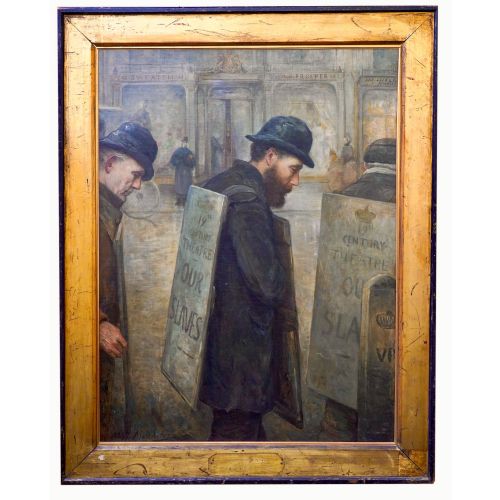
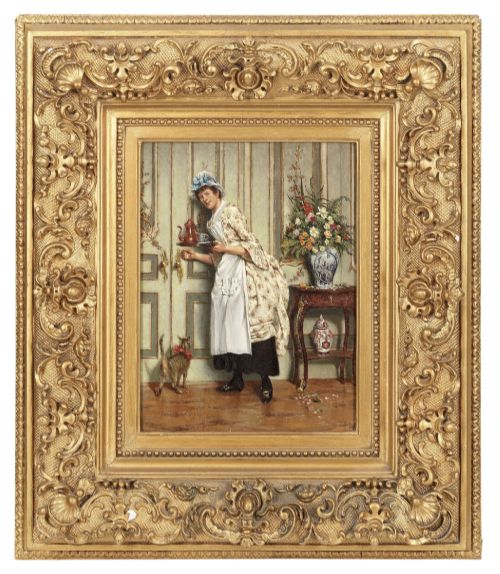
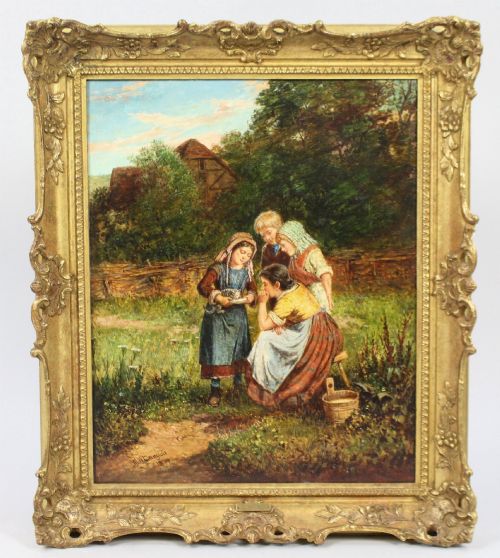
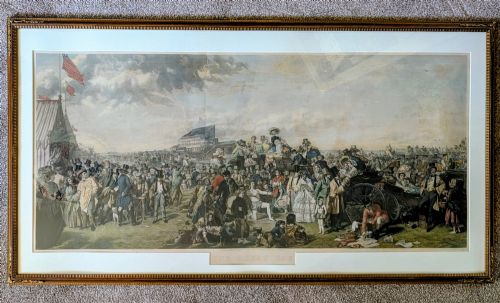
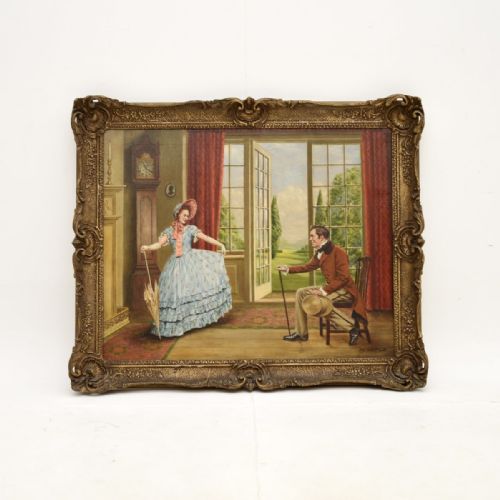
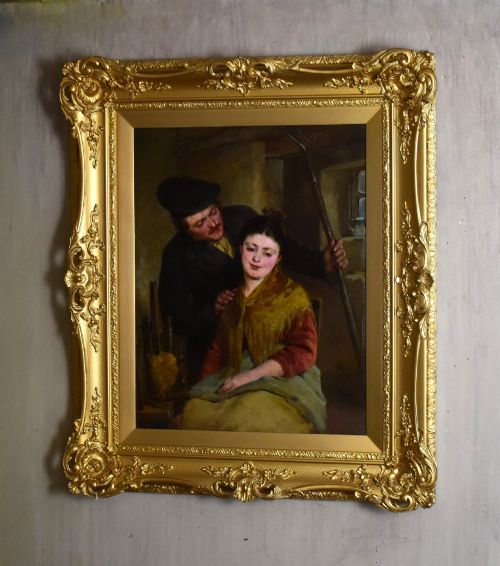
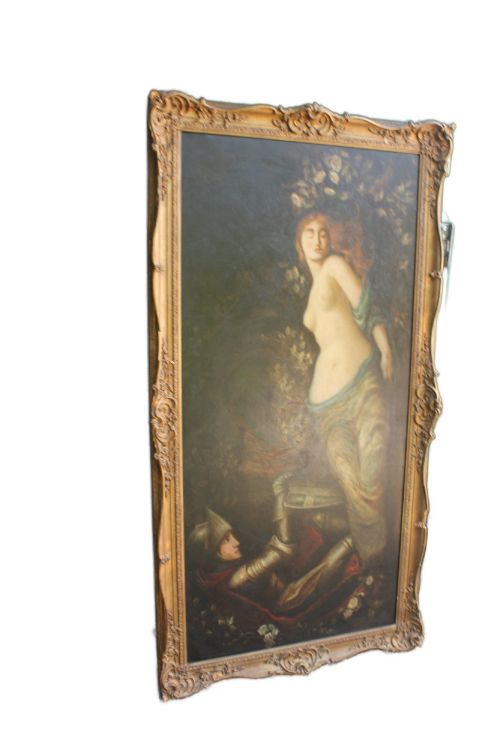
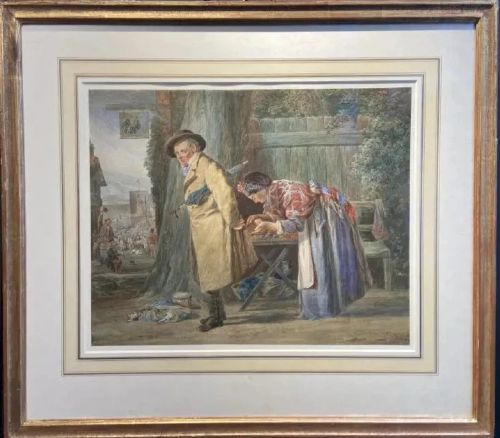
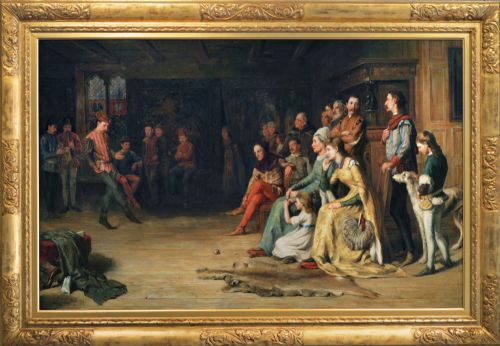
A victorian narrative painting depicts scenes of everyday life, historical events, literary moments and social commentary. These works capture specific human interactions, from children playing in cottages to domestic tea times and dramatic encounters.
The pieces appearing here span the nineteenth century, including Georgian precursors and later works extending towards nineteen hundred. Styles range from social realism and genre painting to Pre-Raphaelite and orientalist traditions.
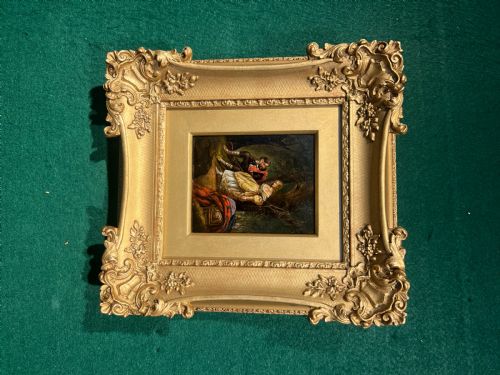
Works appear primarily as oil on canvas or board, alongside occasional watercolours and prints. Frames often consist of giltwood, gesso and gold leaf over wood.
How They Were Made
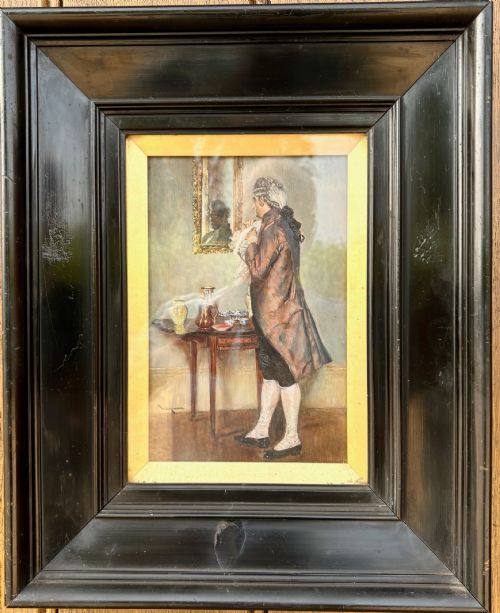
Artists applied oil paint to stretched canvas or wooden panels, building up compositions through layered brushwork and careful detail. Watercolours on paper also capture precise interior light and narrative expressions.
Finished works found houses in elaborate frames constructed from wood, finished with gesso and layered with gold leaf or giltwood.
Victorian Narrative Painting Retail Price Guide 2026
Typical asking prices for victorian narrative painting among the pieces listed under this phrase on Sellingantiques today, from the lower quarter to the upper quarter. They describe what is for sale here now, not the wider market.
Cats, kittens and faithful dogs frequently interrupt Victorian tea times and domestic chores.
What Varies in Quality
Quality rests in the handling of narrative detail, facial expression and the arrangement of figures within an interior or landscape. Stronger examples command attention through dynamic character interaction and atmospheric lighting.
The execution of surrounding elements, such as domestic furnishings, textiles and architectural backdrops, distinguishes accomplished artists from minor practitioners. Frame preservation and original gilding also contribute to the overall integrity of the piece.
Sir Joseph Noel Paton·Felix Stone Moscheles·Stephen Samuel Lewin·Mark William Langlois·William Powell Frith·Alfred Lyndon Grace·W D Almond·Howard Helmick·Joseph H Barnes·James Hamilton·Charles Hunt·Abraham Cooper·Delapoer Downing·John A Monteith·James Hayllar·Harry Brooker·Byam Shaw·Alexander Rosell·William Arthur Breakspeare·Charles Bellay·John Arthur Lomax·George Bernard O'Neill·Charles Haigh Wood·Haynes King·Charles Burton Barber
The Victorian Narrative Painting Glossary
- Genre painting
- Depiction of aspects of everyday life by depicting ordinary people engaged in common activities. These works form a large portion of nineteenth-century pictorial art.
- Social realism
- Art movement highlighting the everyday conditions of the working classes and poor. Such paintings document societal structures and contemporary concerns.
- Gesso
- Plaster-based material applied to wood before gilding or painting. It provides a smooth surface for laying down gold leaf on frames.
- Giltwood
- Wood carved and covered with gold leaf or a gold-coloured gilt finish. It frames many period oil paintings.
- Pre-Raphaelite
- Style associated with a group of English painters aiming to depict nature with detailed accuracy. These works often draw on literary, biblical or medieval themes.
Victorian Narrative Painting: Frequently Asked Questions
What subjects do these paintings show?
These works illustrate literary scenes, historical episodes, biblical stories and domestic interactions. Painters recorded everything from servants and children to romantic pairings in country house interiors.
Such subjects provide a window into nineteenth-century social values, domestic habits and leisure activities.
How should I display an oil painting?
Keep oil paintings away from direct sunlight and fluctuating heat sources to protect the canvas and paint layers. Hang them securely on stable walls using appropriate fixings suited to the weight of the frame.
Ensure rooms maintain moderate humidity levels to prevent cracking in both the wooden panels or canvas and the gesso frames.
Are watercolours different from oil paintings?
Waterworks utilise pigment suspended in water-based solutions applied to paper, requiring glass protection within the frame. Oil paintings use pigments bound in drying oils on canvas or board and remain unglazed.
Both mediums capture distinct qualities of light and narrative detail favoured by Victorian artists.
How do I identify the period of a painting?
Dating relies on costume details, interior furnishings, artist signatures and stylistic conventions recorded in nineteenth-century art schools. Reference materials and exhibition records help confirm active dates for specific painters.
Construction methods of the stretcher frames and backing boards offer further clues to age.