



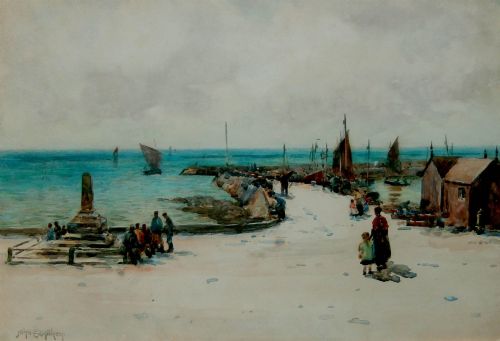

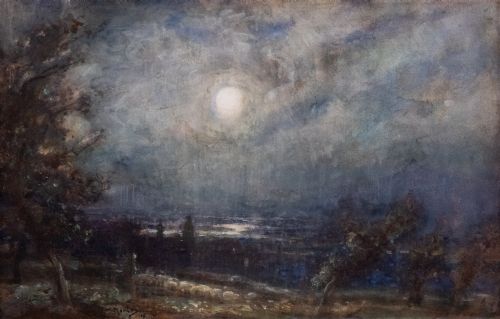
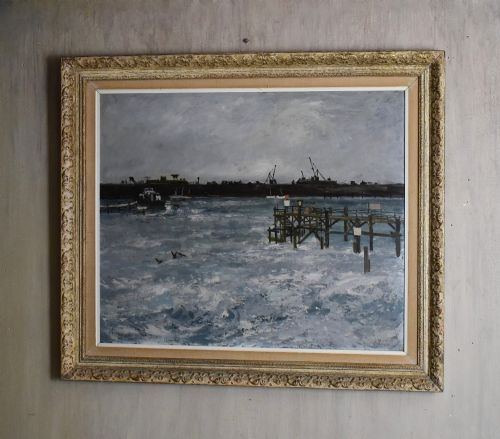
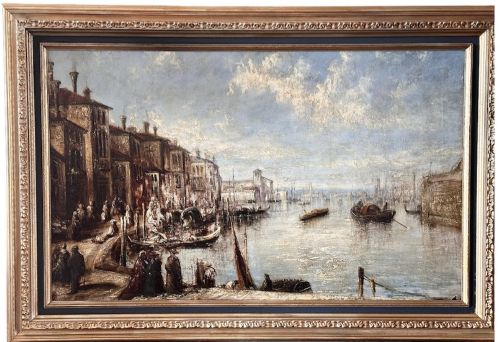
Original British Maritime Painting
Original british maritime painting captures the changing moods of coastal life and historic shipping across the nineteenth and twentieth centuries.
Original British Maritime Painting
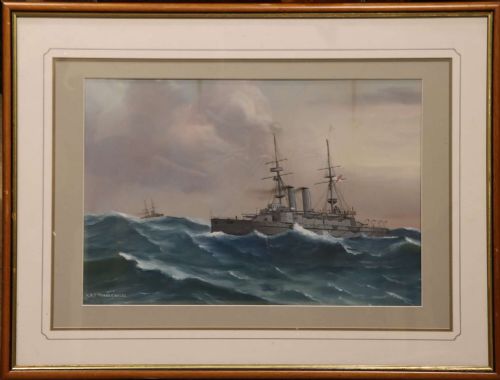
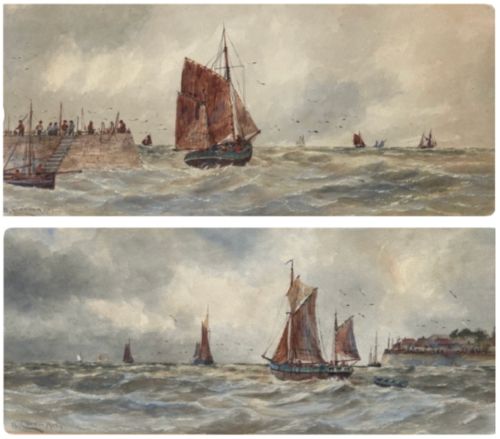
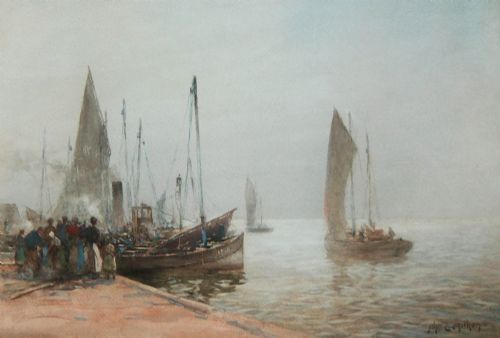
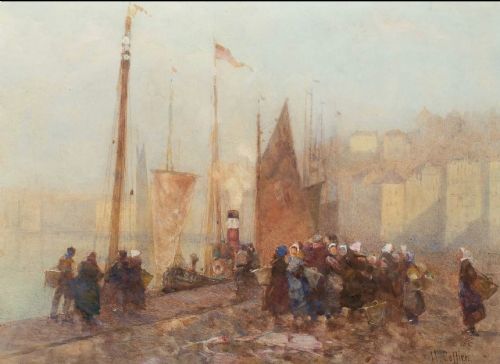
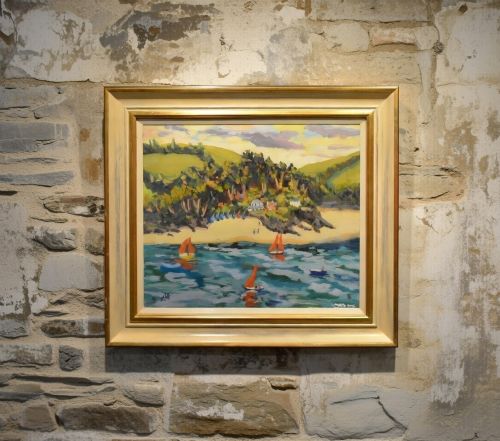
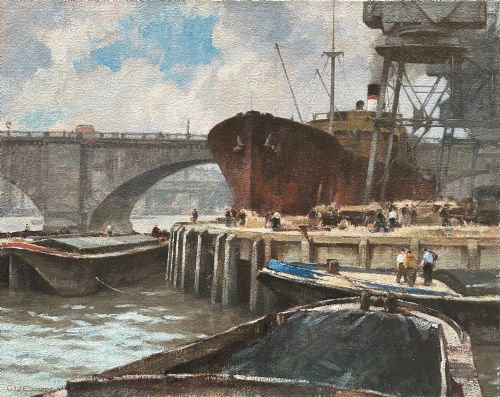
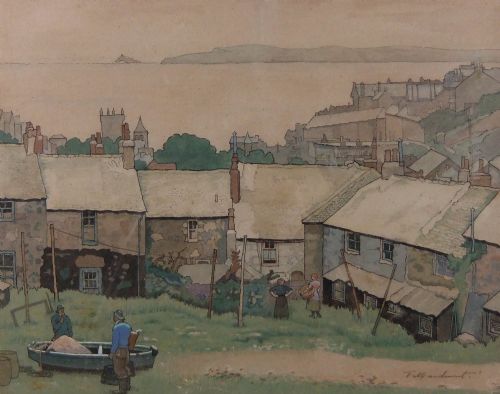
An original british maritime painting records coastal scenes, busy harbours, and sailing vessels from periods spanning the Victorian era through the mid-twentieth century. These works range from detailed depictions of local fishing boats in Cornish ports to broader views of shipping on rivers and open seas.
Most examples encountered on this page date from the late nineteenth century to the mid-twentieth century, executed in watercolours on paper or oil on canvas and board. Artists frequently captured specific British coastal locations such as Whitby, St Ives, and Scarborough, alongside continental scenes by British hands.
The selection encompasses both finished gallery pieces and intimate studies, reflecting the shifting styles of British Impressionism, Edwardian art, and Post-War British painting. Buyers encounter everything from traditional harbour watercolours to textured impasto oil landscapes.
Materials and Methods
Artists relied primarily on watercolour pigment applied to paper or oil paint laid upon canvas, wood panels, and boards. Watercolour allowed for rapid, luminous depictions of coastal light and weather, whilst oil provided depth and durability for heavier impasto applications.
Supports were typically framed behind glass for works on paper or set into wood frames for oil paintings. Pigments were brushed, layered, or applied with palette knives to capture the texture of rough seas, sandy shores, and wooden hulls.
Listings span periods from Victorian times through the 1960s, documenting British Impressionism, Edwardian art, and Post-War painting traditions.
Assessing the Standard
Quality rests upon the artist's command of light, atmospheric movement, and maritime architecture. Stronger works demonstrate a confident handling of water and sky, capturing the specific weight of air and tide rather than relying on formulaic compositions.
Condition and provenance elevate individual pieces, particularly where signatures, dated inscriptions, or original framing remain intact. The vibrancy of surviving pigments on paper and the stability of the paint layer on canvas distinguish superior examples from lesser decorative works.
Kenneth Cozens·James Orrock·William Cannon·James E. Aitken·Charles Edward Dixon·John E. Aitken·William Banks Fortescue·Thomas William Morley·Peter Brannan·Francis Moltino·Hector Caffieri·Lucy Pratt·Cyril Walduck Edwards·Thomas Maidment·Donald McIntyre·Cecil Allan Mould·Alfred G. Morgan·William Matthison·Thomas Hodgson Liddell·Frank Kelsey·Henry Barlow Carter·F A Roylance·George F Pennington·William Frederick Settle·Edward Matthew Elliott
The Original British Maritime Painting Glossary
- Gouache
- An opaque water-based pigment that provides heavier coverage and brighter highlights than traditional transparent watercolour. It was frequently utilised for maritime works requiring sharp contrasts on paper.
- Impasto
- A technique where paint is laid onto a canvas or board in thick layers, standing visibly above the surface. This method is often observed in coastal oil paintings to render the texture of rough water or sandy cliffs.
- Seascape
- A work of fine art that depicts the sea, coastal views, shipping, or marine subjects. It forms the core category for these British topographical and historical paintings.
- Board
- A rigid flat panel, often wood or heavy pasteboard, used as a support for oil or gouache paintings. It offers a stable alternative to stretched canvas for smaller plein air works.
- Provenance
- The documented history of ownership or exhibition for a work of art. In maritime pieces, this often includes gallery labels or artist signatures confirming authenticity.
Original British Maritime Painting: Frequently Asked Questions
How do I care for antique watercolours?
Works on paper require protection from direct sunlight to prevent the fading of watercolour pigments. Display them in dry environments away from sources of heat.
Ensure framing uses acid-free mounts and glass that filters ultraviolet light. This preserves the integrity of the paper and the original brushwork over time.
What distinguishes an oil painting from a watercolour?
Oil paintings utilise pigment suspended in drying oils applied to canvas, panel, or board, creating a textured and durable surface. Watercolours employ water-soluble pigments on paper, resulting in a lighter and more transparent finish.
Oils are typically displayed without glass protection, whereas watercolours require framing behind glass to shield the paper from atmospheric moisture and damage.
Where were these British coastal scenes painted?
Painters travelled extensively along the British coastline, focusing on active fishing ports and boatyards in Yorkshire, Cornwall, and East Anglia. Locations such as Whitby, St Ives, and Scarborough appear frequently across the periods.
Artists also recorded scenes further afield, including river traffic on the Thames and Humber, as well as continental views in Venice and Normandy by visiting British painters.