
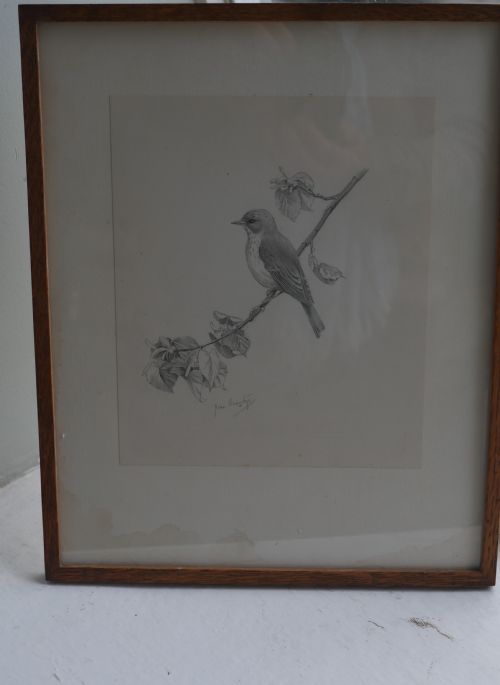


Original Botanical Illustration
Original botanical illustration brings natural science into the home through delicate watercolours, ink, and gouache framed in rosewood and gilt wood.
Original Botanical Illustration
Original botanical illustration comprises paintings, watercolours, pencil drawings, and hand-coloured engravings depicting flora and fauna across several centuries. You are most likely to meet nineteenth-century watercolours and floral still lifes mounted in period frames.
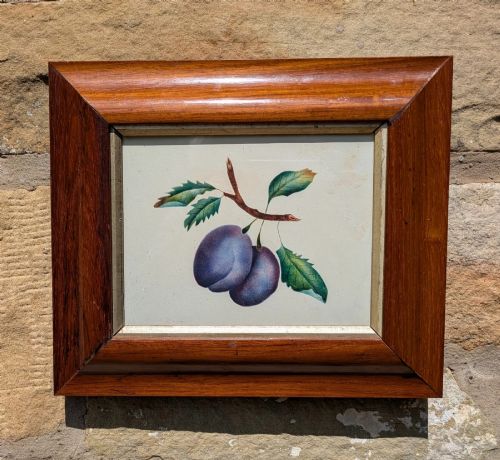
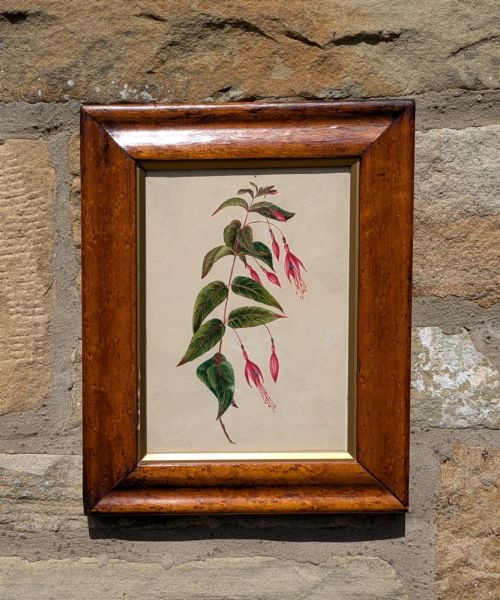
The selections range from Regency studies of plums and fuchsias to twentieth-century depictions of garden flowers and natural history subjects. Pieces often originate from named artists working within British and European traditions.
Formats include single framed sheets, botanical artwork pairs, and larger studies executed on paper. Each piece captures specific plants and birds with detailed observation characteristic of scientific and artistic collaboration.
How they were made
Artists worked primarily on paper using watercolour paint, gouache, and ink to render precise botanical forms. Hand-coloured engravings combined printed lines with applied pigment by hand.
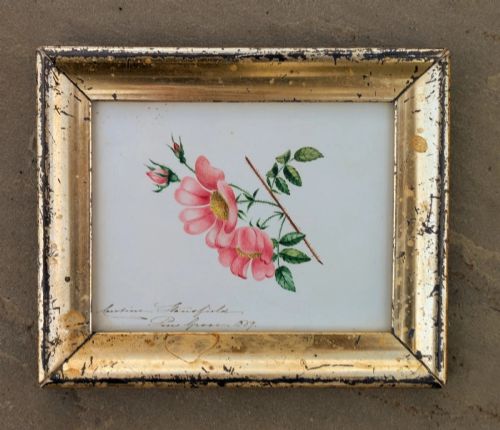
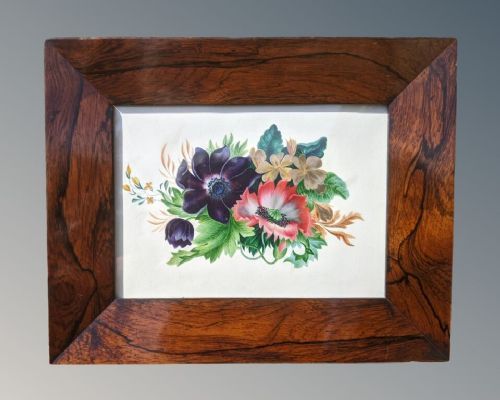
Finished works found protection beneath glass within wooden frames, frequently constructed from rosewood or gilt wood to complement the domestic interiors of the nineteenth and twentieth centuries.
Materials recorded across the listings include paper, watercolour, glass, wood, ink, rosewood, and gilt wood.
What varies in quality
Quality rests in the precision of the brushwork and the accuracy of the botanical detail recorded on the paper. Skilled hands achieve subtle tonal gradations in petals and leaves that lesser works miss.
The integrity of the surrounding frame and the preservation of the paper support influence the overall character of the piece. Well-preserved watercolours retain vibrant pigments despite the passage of many decades.
Catherine Thomas·Henrietta Creswell·Alice Macallan Swan·Annie Mary Youngman·Edith Alice Andrews·Minnie Smythe·George Dionysius Ehert
The Original Botanical Illustration Glossary
- Watercolour
- A paint consisting of a pigment suspended in a water-based solution. It allows for translucent washes that capture the delicate texture of flower petals.
- Gouache
- An opaque water-based paint that provides solid areas of colour. Artists used it alongside watercolour to add body and highlights to floral studies.
- Engraving
- A printmaking process where an image is incised onto a metal plate. Impressions were sometimes hand-coloured with watercolour to produce accurate scientific plates.
- Gilt wood
- Wood decorated with a thin layer of gold leaf or gilt powder. It framed many nineteenth-century works to provide a decorative border.
Original Botanical Illustration: Frequently Asked Questions
What periods do these illustrations cover?
The selection spans from the eighteenth century through the nineteenth and twentieth centuries, including Regency, Victorian, and mid-century modern examples.
Dates and stylistic shifts reflect changing approaches to natural history illustration and domestic interior decoration over time.
How should I hang watercolour art?
Watercolours and works on paper require protection from direct sunlight to prevent the pigments from fading over the years.
Displaying them away from moisture-prone areas ensures the paper and wooden or gilt frames remain well preserved.
Are these works hand painted?
Many examples are original hand-painted watercolours, gouaches, or pencil drawings created directly on paper by named artists and botanical illustrators.
Other pieces are historical hand-coloured engravings produced from printed plates and finished with applied watercolour pigments.
What framing materials were used?
Period pieces frequently feature frames made of rosewood or gilt wood, often paired with glass protection.
These traditional surrounds complement the botanical subjects and help date the presentation of the artwork.