

Original Architectural Artwork
Original architectural artwork brings together period urban views, street scenes and building studies on paper and canvas for the collector.
Original Architectural Artwork
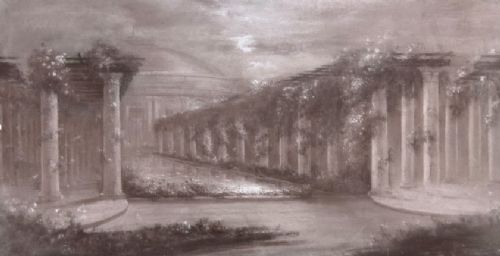
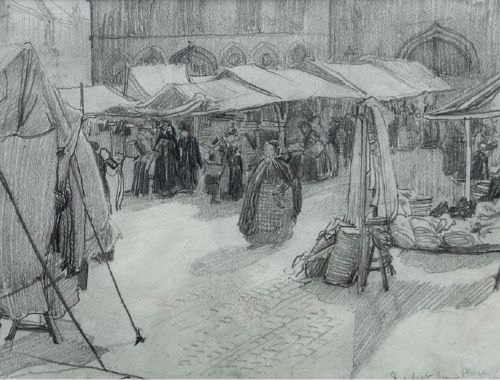
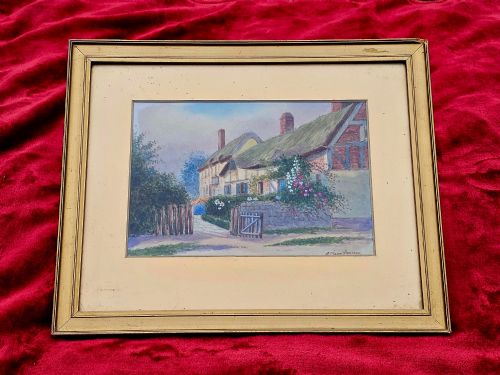
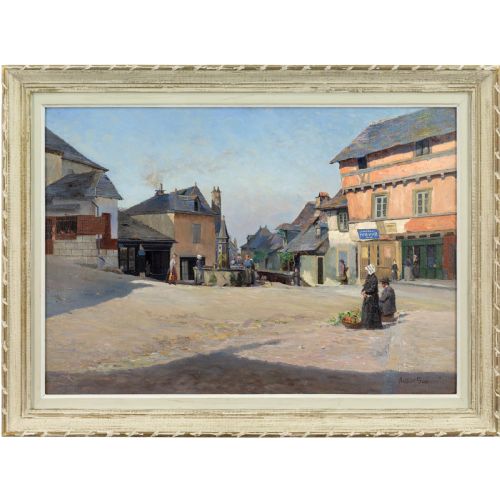
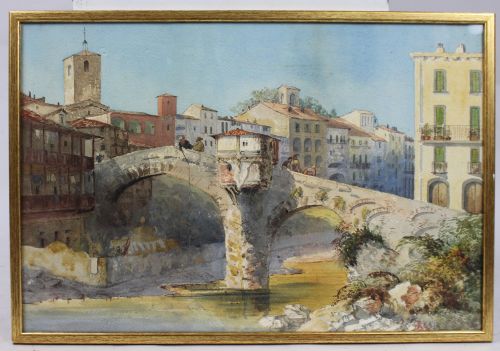
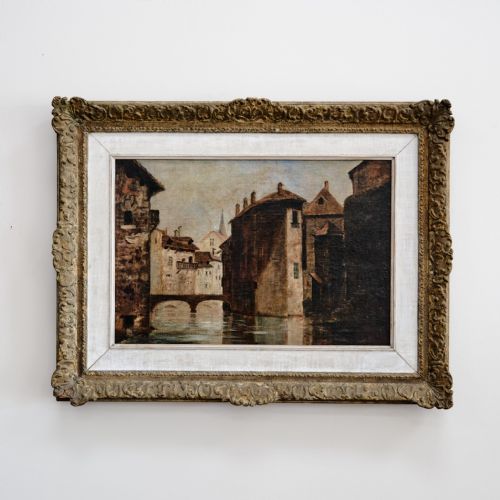
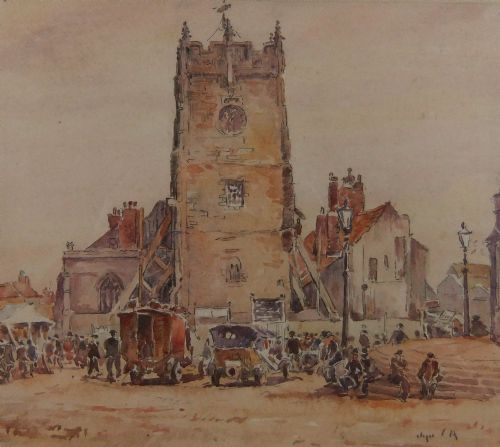
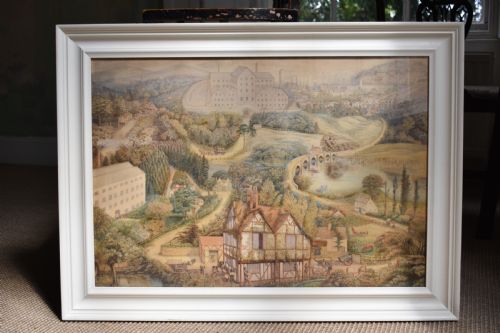
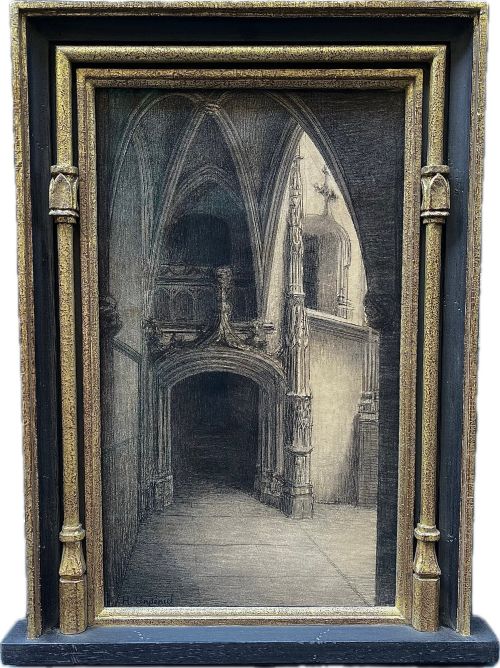
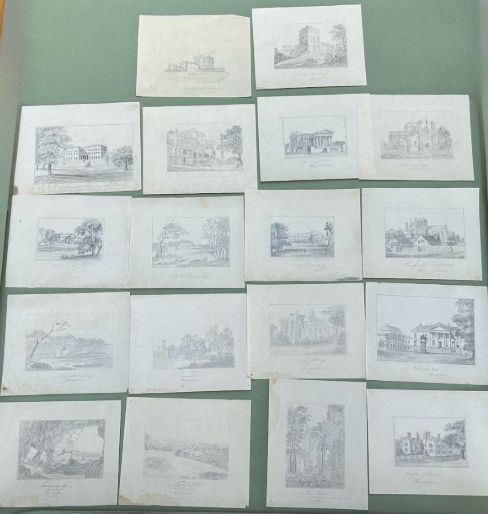
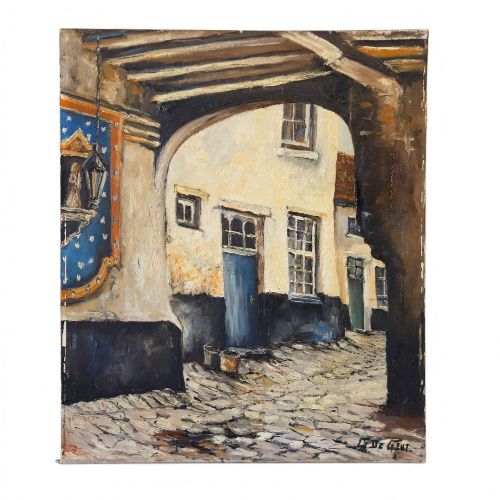
Original architectural artwork captures buildings, street scenes, and urban views across the nineteenth and twentieth centuries. These pieces record town squares, cathedrals, markets, and country houses through the eyes of various artists.
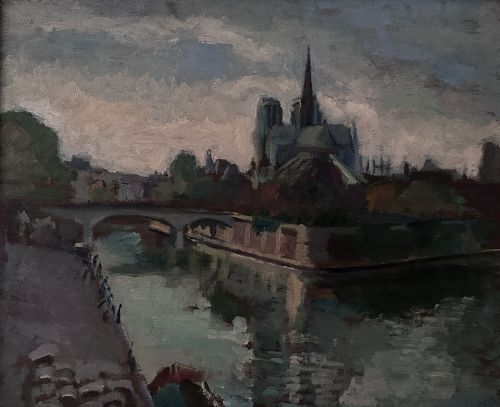
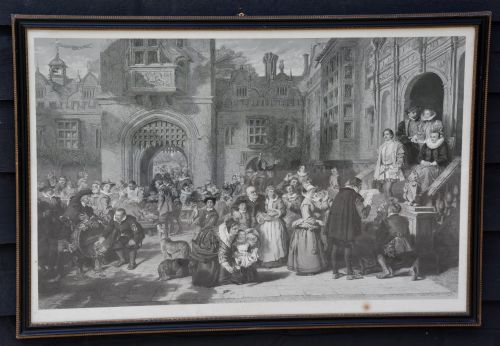
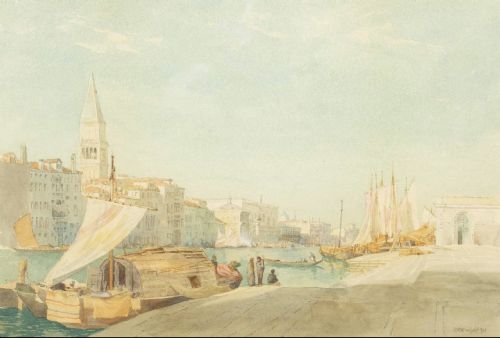
The selection here encompasses oil paintings, watercolours, pencil drawings, charcoals, and engravings spanning from the nineteenth century through the mid-century modern period. Buyers encounter depictions ranging from Venetian canals and Parisian streets to British townscapes.
Most examples originate from British, French, and wider European traditions, reflecting changing styles from Victorian and Edwardian approaches to post-impressionism and mid-century expressionism.
How they were made
Works on paper utilise watercolour, pencil, charcoal, ink, and gouache, often applied to support sheets attached to canvas stretchers or boards. These mediums allow for detailed line work and transparent washes suited to topographical and structural subjects.
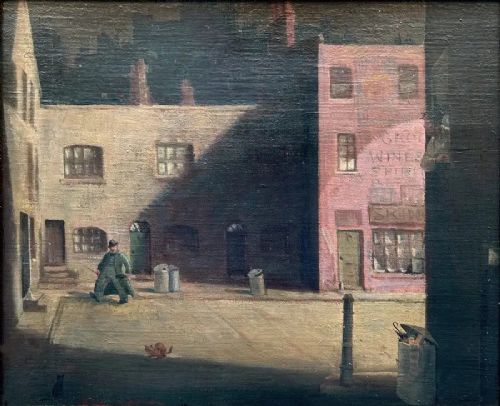
Oil paintings employ oil paint on canvas or board, sometimes incorporating impasto techniques to build texture in cityscape and architectural compositions. Engravings utilise printed plates to reproduce linear detail on paper supports.
Several artists clearly spent long, damp hours sketching grand European bridges and quiet market squares.
What varies in quality
The strength of composition and spatial handling distinguishes the finest works from simpler topographical records. Masterful control of light, shadow, and perspective defines pieces that elevate a building study into a compelling artistic statement.
The handling of medium-specific techniques - such as fluid watercolour washes or confident charcoal and pencil strokes - shapes the overall impact. Preservation of the original paper, canvas, and framing materials also influences the integrity of the piece.
Henry Percy Huggill·Thomas Ellison·Arthur Gué·Richard Henry Wright·Henri Charles Angéniol·L. De Gent·Henry de Waroquier·Robert Leslie Howey·Lilian Colbourn·Alexander Jamieson·Fred Lawson·Sir Thomas Newenham Dean·Anne Dorrien Smith·Charles James Lauder·Ron Folland·Stanley Orchart·Cornelis Christian Dommersen
The Original Architectural Artwork Glossary
- Watercolour
- A painting method where fine pigment is suspended in a water-based, translucent solution. It is typically applied to paper to achieve delicate washes of light and colour.
- Impasto
- A technique where paint is laid onto a canvas in very thick areas, usually thick enough that the brush or painting-knife strokes are visible. This adds physical texture and depth to architectural surfaces.
- Engraving
- A printmaking process where an artist incises a design onto a hard surface, traditionally a copper or metal plate, by cutting grooves into it. Ink is then applied to the plate to transfer the image onto paper.
- Post-Impressionism
- An art movement developing roughly between the late nineteenth century and the early twentieth century that extended impressionism while rejecting its limitations. Artists stretched painterly boundaries through vivid colours and distinct structural forms.
Original Architectural Artwork: Frequently Asked Questions
What periods do these artworks cover?
The pieces span from the nineteenth century through the Edwardian era and into the mid-twentieth century. Styles transition from Victorian academic views to post-impressionist and mid-century modern interpretations.
This broad chronological range allows collectors to trace how artists depicted towns, bridges, and cathedrals over more than a hundred years.
What materials were used to create them?
Artists worked with watercolour, oil paint, charcoal, ink, and pencil on supports such as paper, canvas, and board. Some compositions incorporate mixed media or printmaking techniques like engravings.
These varied materials dictate the visual texture of each piece, from smooth paper drawings to thick oil impastos.
How can I identify the subject of a piece?
Subjects often include identifiable European landmarks, such as Venetian canals, Parisian river scenes, or specific cathedrals and town halls. Inscriptions, signatures, or historical labels on the reverse frequently clarify the exact location depicted.
Architectural clues like window styles, street layouts, and dress of any figures further help place the scene geographically and temporally.
How should I frame and display works on paper?
Works on paper, including watercolours and charcoal drawings, benefit from framing behind conservation-grade glass to protect them from light exposure and atmospheric moisture. Using acid-free mounts prevents the paper from discoloring over time.
Display these pieces away from direct sunlight in stable indoor conditions to preserve the integrity of the original pigments.