

Vintage Framed Painting
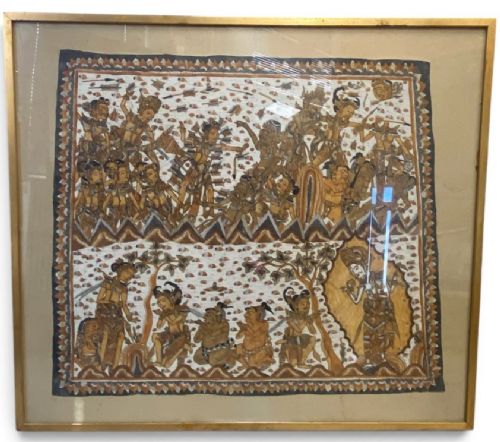
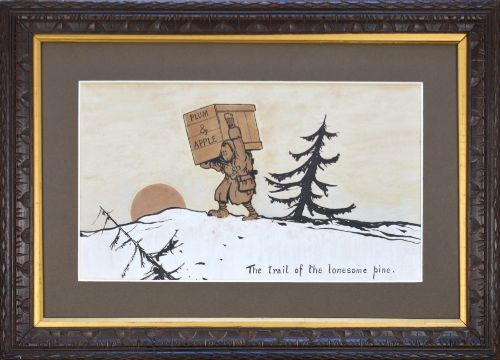
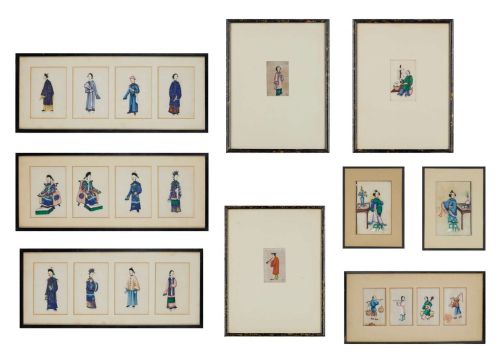
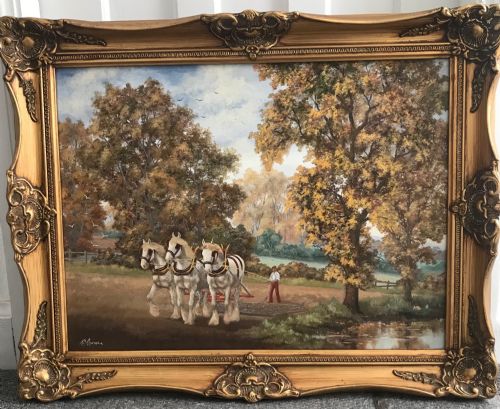
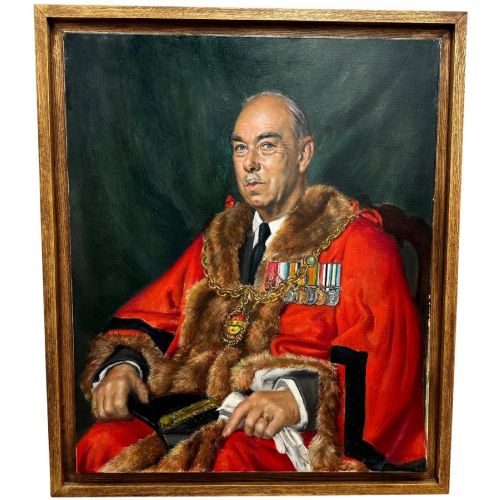
When you search for a vintage framed painting, you are looking at works spanning portraiture, landscape and still life held within period enclosures.
Vintage Framed Painting
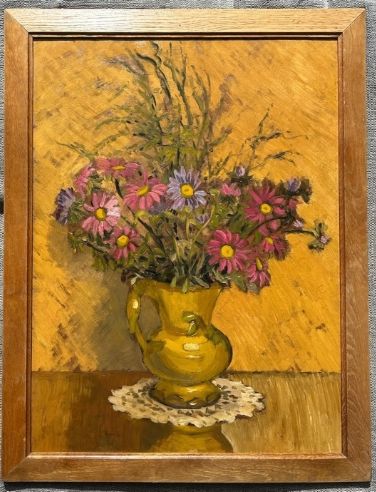
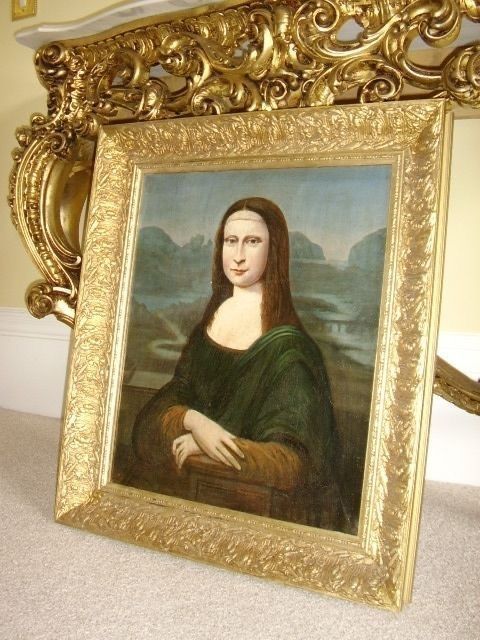
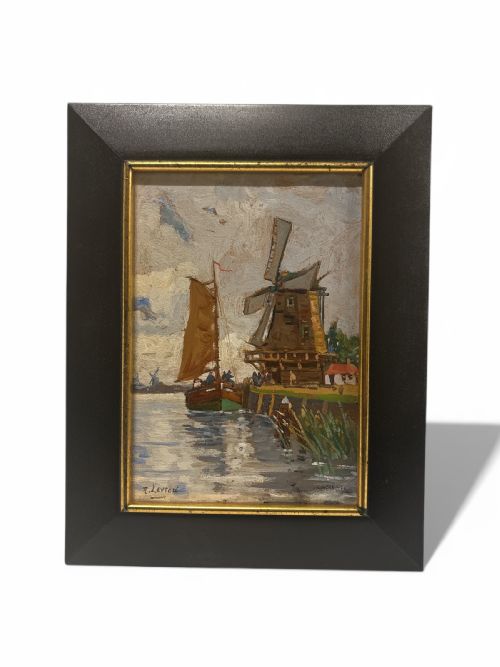
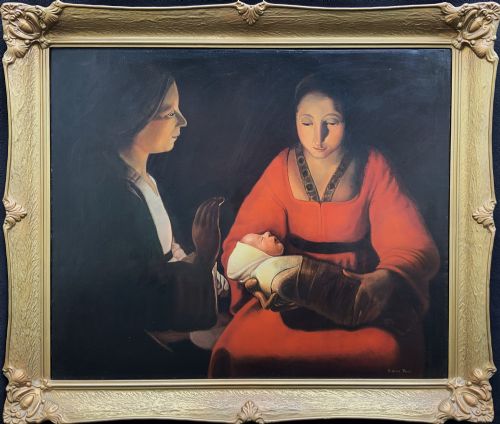
A vintage framed painting encompasses works executed in oil paint, watercolour and pastel upon canvas, board, paper or card, enclosed in wooden or gilt surrounds. These pieces range from nineteenth-century portraits and landscapes to mid-twentieth-century still-life compositions and maritime scenes.
The selections encountered here frequently span the Edwardian era through the 1950s and 1960s, alongside nineteenth-century works and earlier academic studies. Subjects extend from domestic animals and rural English views to French country subjects and maritime watercolours.
While the phrase brings to mind canvas works in oils, the category embraces varied supports including board and paper, often retained in their original frames of wood or moulded plaster.
How they were made
Makers applied oil paint or watercolour to stretched canvas, wooden panels, card or paper supports, employing techniques ranging from impressionistic brushwork to detailed nineteenth-century realism. Pigments were worked onto prepared surfaces using traditional methods of priming with gesso or oil grounds.
Enclosing surrounds are constructed from wood, frequently embellished with gilt leaf, plaster mouldings or painted finishes. These frames were tailored to protect the picture plane, utilising rebate joints and secured backing boards characteristic of period framing practice.
Represented periods span the seventeenth century, nineteenth century, Edwardian era and mid-twentieth-century decades.
What varies in quality
Quality rests upon the confidence of the brushwork, the articulation of light and shadow, and the sensitivity of the composition, distinguishing accomplished academic or plein-air execution from commercial production. The harmony between the painting and its original or period frame further defines the overall integrity of the piece.
The preservation of the pigment layer, stability of the support - whether canvas, board or paper - and the absence of extensive retouching influence the standing of an individual work within its period.
Kenneth Cozens·Jozsef Molnar·Bernard Hailstone·R Leyton·William H Myers·George Graham·John Hayls·Emily Eyres·Dumini Leopoldo·Clifford Hanney·Cornelis Van Der Voort·Frederick Marriott·I Berezny·John Hassall·Robert Heinrich·William McAlpine·Reginald Arthur Borstel·A Marie Parsons·Fred Lawson·Claude Horsfall
The Vintage Framed Painting Glossary
- Canvas
- A heavy woven fabric, typically linen or cotton, stretched across a wooden frame to serve as a painting support. It provides a flexible yet resilient surface for oil and acrylic applications.
- Gilt
- A thin layer of gold leaf or gold paint applied to the surface of a wooden frame. This finish enhances decorative detail and reflects ambient light.
- Plein-air
- Painting executed out of doors to capture direct observations of light, atmosphere and landscape. This approach became prominent in nineteenth-century painting.
- Still life
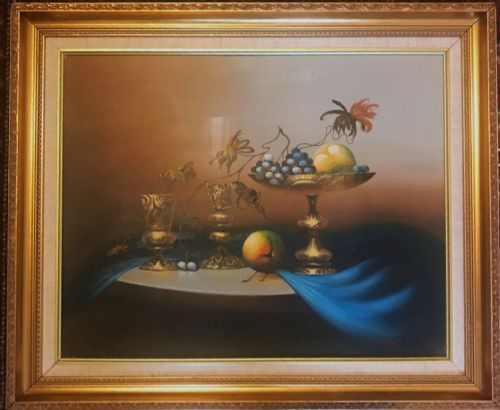
- A painting depicting inanimate subject matter, typically commonplace objects such as fruit, flowers or vessels. These compositions focus on arrangement, texture and lighting.
- Support
- The underlying physical material upon which paint is applied, such as canvas, wood panel, card or paper. The choice of support dictates the preparation and ageing characteristics of the work.
Vintage Framed Painting: Frequently Asked Questions
How do I date an old painting?
Dating relies upon stylistic markers, costume details in portraits, pigment analysis, and the construction methods of the stretcher or frame. Inscriptions, signatures and labels verso also provide chronological anchors.
Physical evidence such as canvas weave and nail types helps corroborate the era of production when documentation is absent.
Can I clean a vintage oil painting?
Surface dust may be removed gently with a soft, dry brush, but accumulated grime or discoloured varnish requires professional conservation. Intervening with moisture or solvents risks damaging the pigment layer beneath.
Consulting a specialist ensures the integrity of the paint surface is preserved during maintenance.
Are original frames important?
Original or period frames contribute significantly to the historical context and aesthetic presentation of a painting. Matching the age of the frame to the artwork maintains the visual harmony intended by the maker.
Replacements are common, but period-appropriate surrounds retain the piece's character.
What is the difference between oil and watercolour?
Oils utilise pigments suspended in drying oils applied to canvas or board, allowing for rich textures and deep colour blending. Watercolours employ water-soluble pigments on paper, creating translucent washes and luminous effects.
Each medium requires distinct framing methods, with watercolours traditionally requiring glass protection.