




Orientalist Figurine
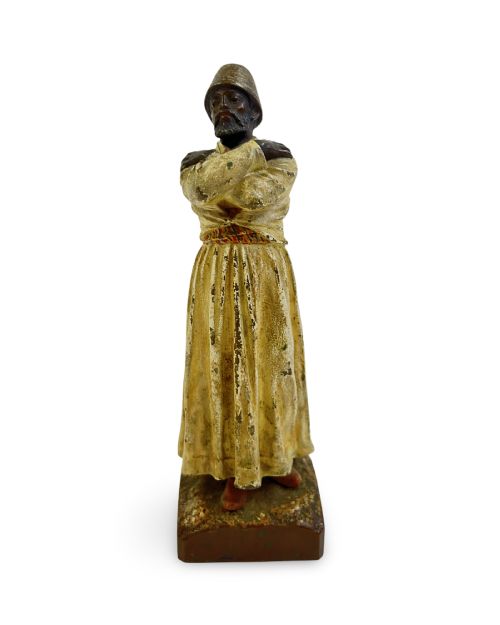
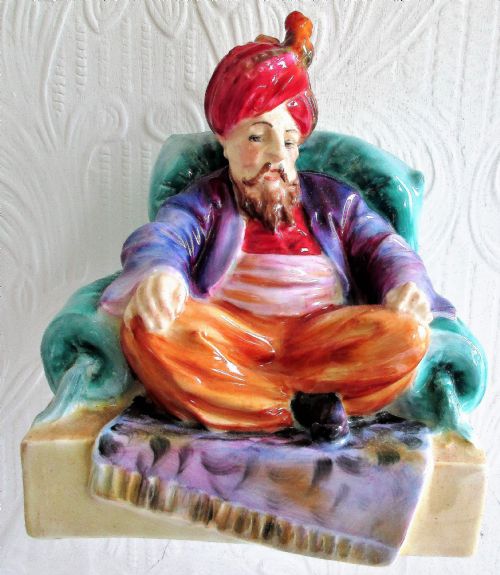
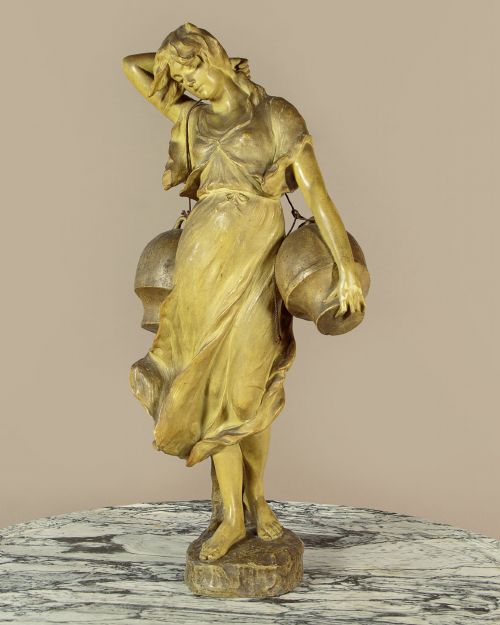
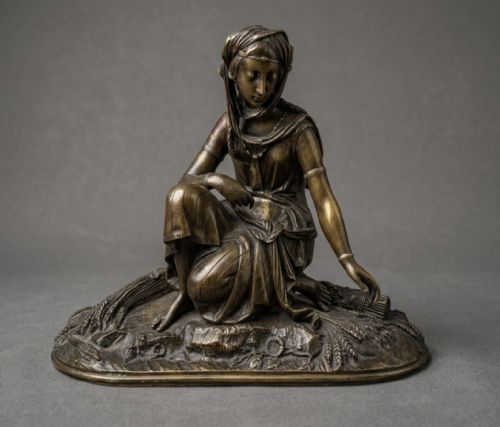
An orientalist figurine captures nineteenth and early twentieth century fascination with Middle Eastern and North African subjects through meticulously cast and painted figures.
Orientalist Figurine
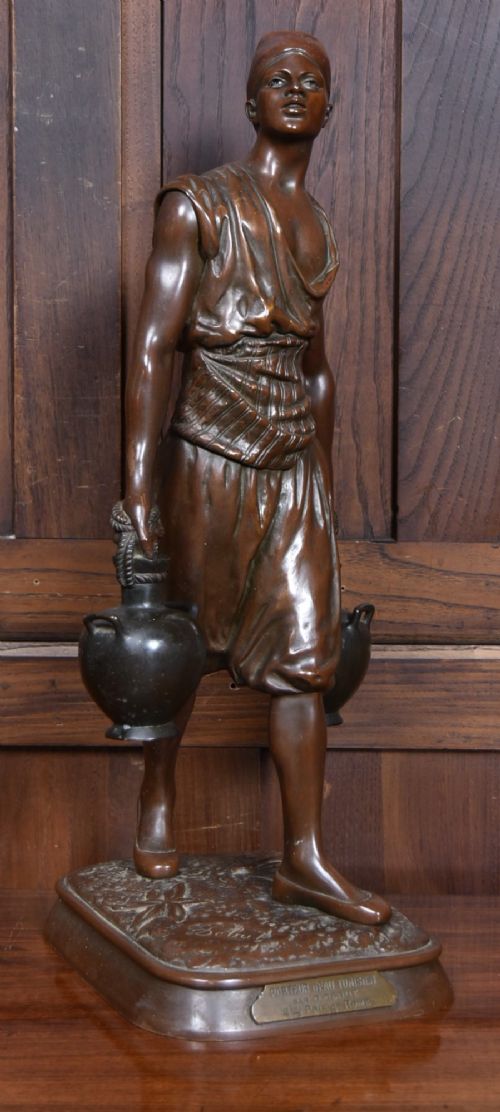
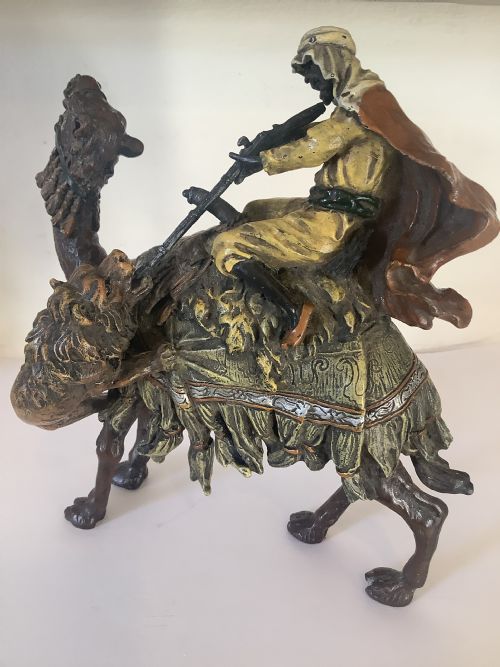
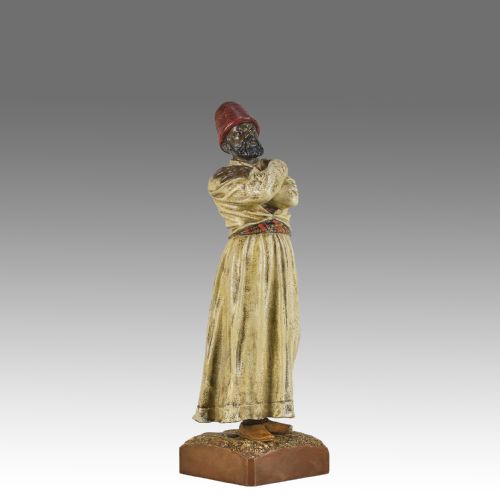
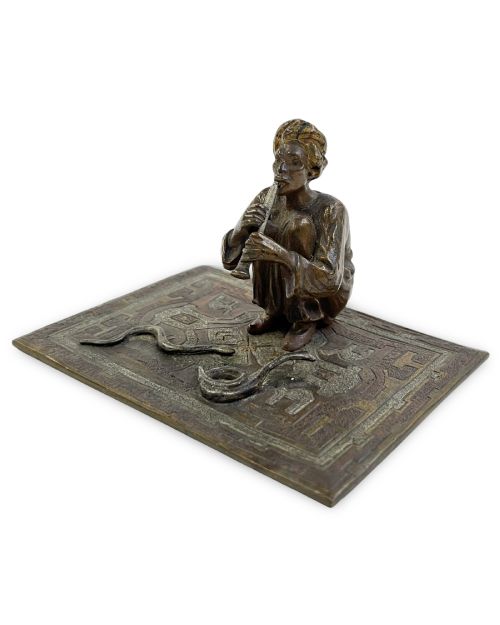
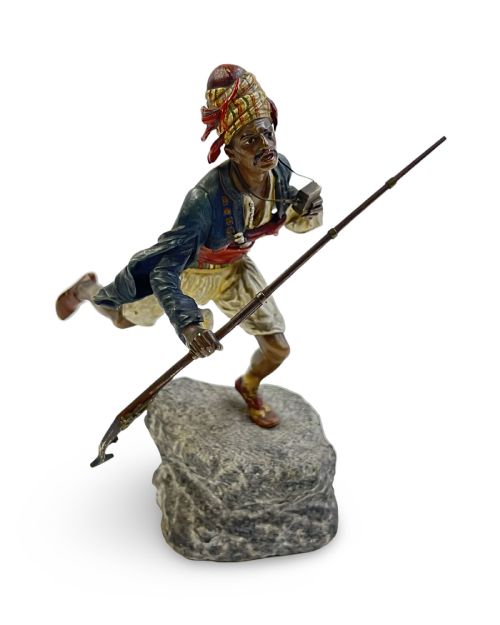
When you search for an orientalist figurine, you are looking at sculptural works depicting figures such as water carriers, dancers, snake charmers, and warriors from North Africa and the Middle East. These objects bridge several material traditions, spanning cast metals, glazed ceramics, and carved stone.
The versions you are most likely to encounter on this page date from the nineteenth century through the early twentieth century, taking forms from small cabinet bronzes to larger earthenware and porcelain table pieces. Makers across Britain, France, and Austria interpreted these subjects with varying degrees of theatricality and realism.
Figures range from unsigned foundry casts to marked pieces by notable European potteries and bronze foundries. They reflect distinct periods including the Victorian era, Art Nouveau, and Art Deco design movements.
How they were made
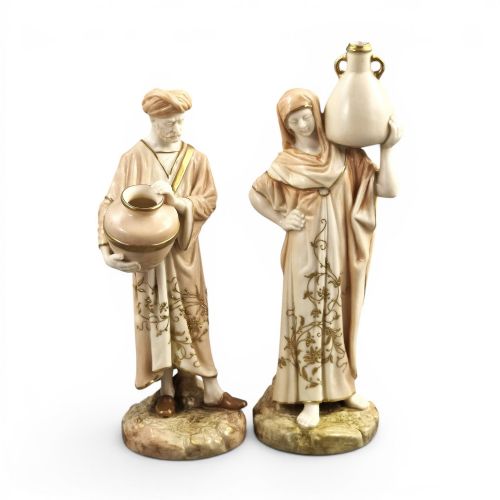
Ceramic figures combined slip-casting or mould-pressing with hand-finishing, utilising porcelain, earthenware, or blush ivory bodies. Artisans applied glazes, enamels, and selective gilding before high-temperature firing to achieve smooth surfaces and rich colour palettes.
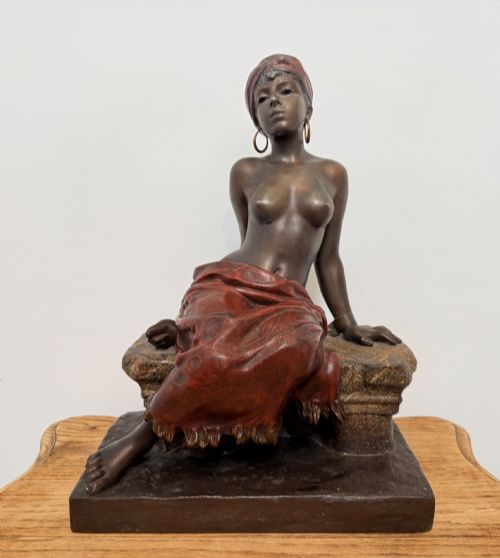
Listings feature works spanning the nineteenth century through the Art Deco era, utilising materials from cold-painted bronze and porcelain to carved alabaster.
What varies in quality
The distinction between tiers rests upon the crispness of the casting and the retention of original polychrome paint or glaze. Finer bronzes exhibit sharp chisel work and deep chasing on garments and facial expressions, whereas lesser examples show softened details from worn production moulds.
Franz Bergman·Royal Worcester·Goldscheider·Royal Dux·James Hadley
The Orientalist Figurine Glossary
- Cold-painted bronze
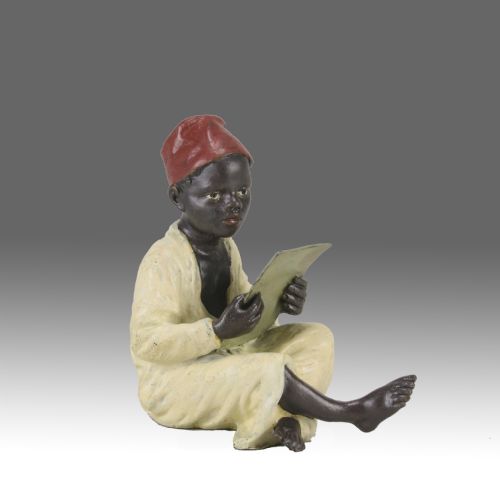
- A bronze sculpture decorated with unfired oil paint applied directly to the metal surface. This delicate finish requires careful handling to prevent flaking over time.
- Blush ivory
- A soft, matte cream-coloured porcelain finish pioneered by Royal Worcester during the late nineteenth century. It provides a subtle ground for gilt and enamel floral or figurative details.
- Spelter
- An alloy of zinc and lead or copper used as a cost-effective substitute for bronze in nineteenth-century figures. It is softer than bronze and frequently receives a dark patination to mimic heavier metal.
- Patinated bronze
- Metal sculpture treated with chemical solutions to produce a specific surface colour or aged finish. This process protects the underlying bronze while enhancing sculptural depth.
Orientalist Figurine: Frequently Asked Questions
What is an orientalist figurine?
An orientalist figurine is a decorative sculpture or ceramic piece depicting Middle Eastern, North African, or Asian subjects, produced primarily in Europe during the nineteenth and early twentieth centuries.
These pieces range from Austrian cold-painted bronzes of water carriers and musicians to British and continental porcelain figures reflecting contemporary European interest in distant cultures.
What materials were used for these figures?
Makers utilised a variety of materials including cast bronze, spelter, earthenware, porcelain, and alabaster, frequently enhanced with enamel, gold leaf, or cold-painted pigments.
Choice of medium often depended on the manufacturing region, with Austrian foundries specialising in metalwork and British or continental factories focusing on glazed ceramics.
How should I display them at home?
Display these figures away from direct sunlight and high humidity to protect delicate cold-painted surfaces and fragile porcelain glazes from deterioration.
Stable shelving or cabinet placement ensures that slender elements like staffs, baskets, or musical instruments remain safe from accidental knocks.