





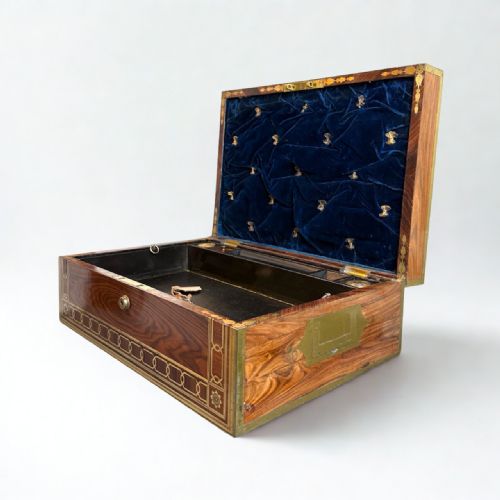
Oriental Wood Box
An oriental wood box provides practical storage while bringing rich textures and historical craftsmanship into a room.
Oriental Wood Box
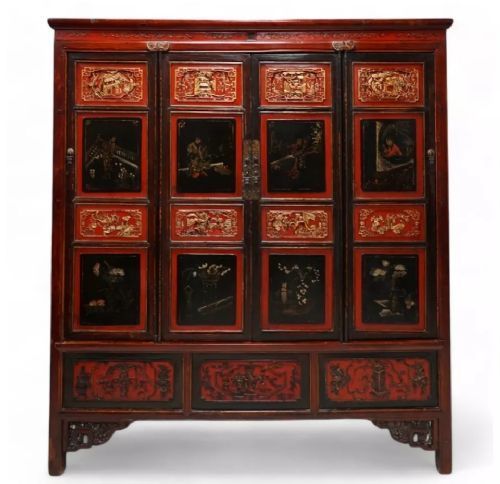
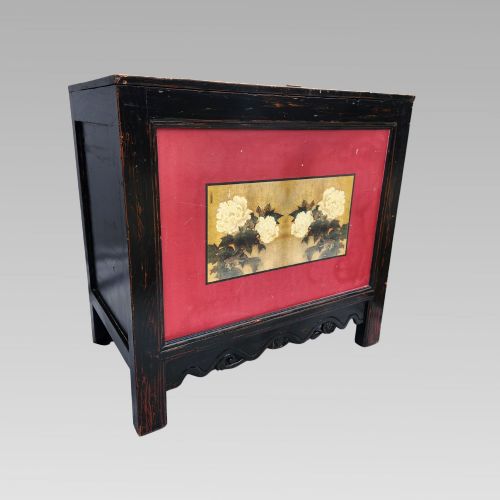
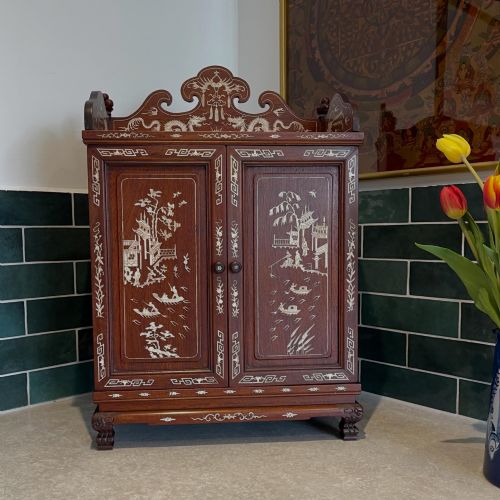
When searching for an oriental wood box, buyers encounter an array of storage vessels ranging from small keepsake caskets and tea caddies to large camphor trunks and marriage cabinets. These pieces cross various periods including the eighteenth and nineteenth centuries, alongside pieces from the early twentieth century.
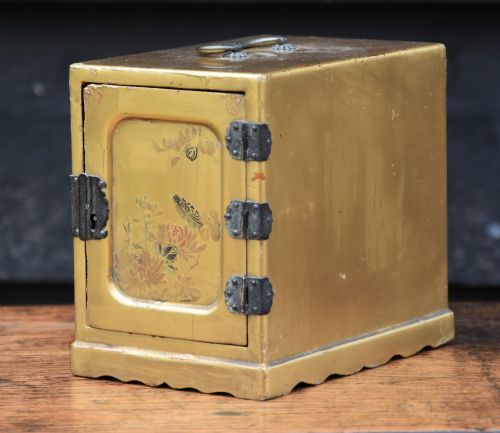
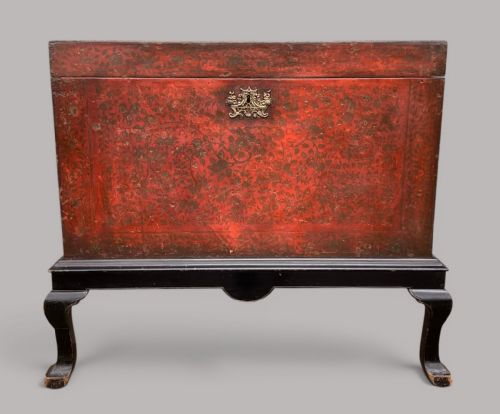
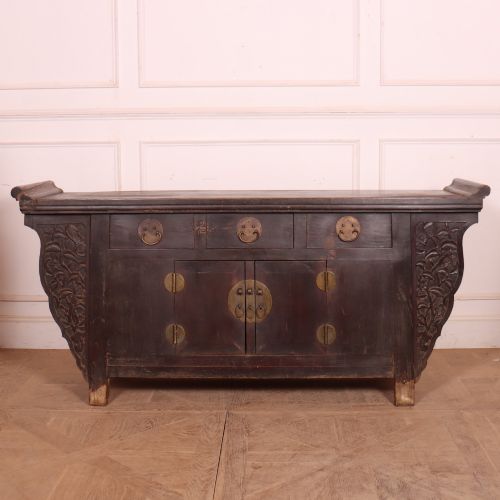
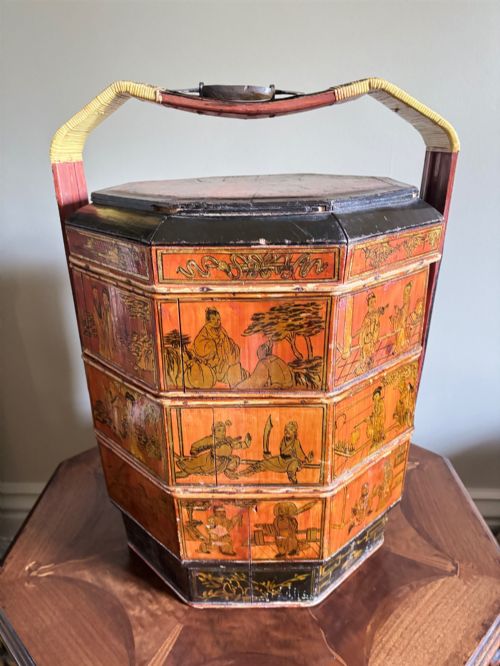
The selection on this page demonstrates diverse regional origins and traditions, encompassing Chinese export pieces, Japanese Meiji period items, and Anglo-Indian designs. Forms vary from simple blanket chests to elaborate lacquered boxes and tiered dowry baskets.
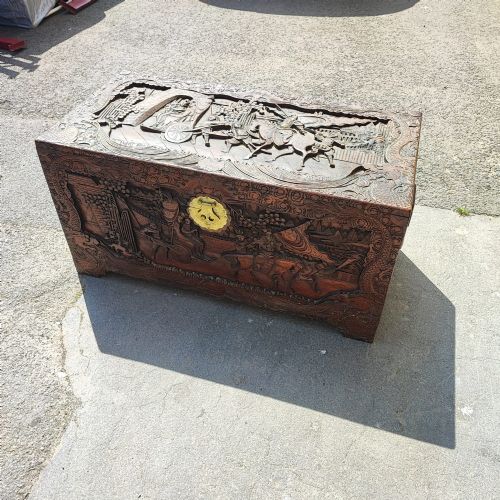
Buyers most frequently meet camphor wood trunks and carved storage chests amongst these listings, often fitted with brass hardware. These items served functional storage roles in trade and domestic life, adapting readily to modern interiors.
How they were made
Makers utilised resilient timbers such as camphor wood, elm, rosewood, and hardwood to construct these pieces, selecting materials for durability and grain quality. Camphor wood provided a natural aromatic defence against insects, making it practical for textiles.
Surface decoration involved intricate hand carving, red and black lacquering, gilt work, and painted chinoiserie details. Metal elements such as brass, iron, copper, and pewter were applied as hinges, straps, and corner brackets to reinforce joints.
Joinery techniques combined traditional framing with metal reinforcement to withstand long journeys during trade periods. Artisans finished surfaces with polished lacquers, leather coverings, or natural wood patination.
Several camphor chests double happily as coffee tables while quietly keeping spare winter blankets out of sight.
What varies in quality
The standard of carving and surface finish distinguishes simpler utility chests from finer decorative pieces. Deep, crisp hand carving and smoothly applied lacquer indicate superior craftsmanship by skilled makers.
Originality of hardware and fittings heavily influences the character of a piece. Retaining period brass handles, hinges, and lock plates preserves the integrity and historical value of the box.
The selection of timber grain and the precision of joinery mark the difference between standard production items and exceptional export commissions. Well-chosen hardwood veneers and stable structural timbers ensure longevity.
The Oriental Wood Box Glossary
- Camphor wood
- An aromatic timber frequently utilised for storage chests due to its insect-repellent properties. It emits a distinct scent and takes a fine polish.
- Lacquer
- A durable resin finish applied in multiple layers to wood surfaces, often pigmented red or black. It provides a protective and decorative sheen.
- Zanzibar chest
- A heavy hardwood trunk characterised by brass studding and strapwork, reflecting trade routes between India and East Africa. These chests often feature compartmentalised interiors.
- Kodansu
- A small Japanese tabletop cabinet or drawer chest designed for storing documents or valuables. They frequently display intricate lacquer or metalwork.
- Dowry basket
- A multi-tiered vessel traditionally used in Asian cultures to transport gifts or ceremonial items during marriage rites.
Oriental Wood Box: Frequently Asked Questions
How were oriental wood boxes used?
These boxes served multiple domestic and commercial functions, from storing delicate textiles and garments to holding tea, documents, and personal valuables.
Larger chests travelled on trade ships to protect goods during long maritime journeys before finding permanent places in homes as blanket boxes or coffee tables.
How do I care for an antique wood box?
Keep the wood conditioned by avoiding direct sunlight and extreme temperature fluctuations that can cause timber to split or warp.
Apply a microcrystalline wax occasionally to maintain the sheen of the wood and protect historical lacquer surfaces without sealing in moisture.
How can I tell the period of a box?
Examine the construction methods, tool marks, and style of the hardware to determine the likely era of manufacture. Nineteenth-century examples often display hand-cut dovetails and heavier brass bindings compared to later reproductions.
Cross-reference the decorative motifs, such as specific export styles or regional carving patterns, with documented periods like the Meiji era or Qing dynasty.
Are these boxes suitable for modern storage?
Camphor wood trunks remain exceptionally practical for storing woollens, blankets, and linens because the natural wood scent deters moths.
Smaller caskets and writing boxes adapt well to storing modern accessories, jewellery, or stationery on desks and sideboards.