



Hand Carved Asian Chest
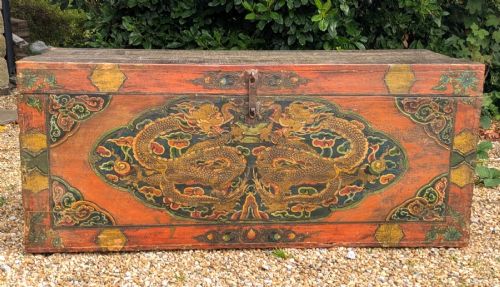
These hand carved asian chest examples are solid timber storage pieces built to hold linens and luggage, offering aromatic protection and deep relief carving.
Hand Carved Asian Chest
When you search for a hand carved asian chest, you are looking at practical storage furniture that doubles as a decorative focal point in a room. These trunks and cabinets come primarily from Chinese regional and export traditions, spanning the nineteenth century up through the nineteen-thirties.
The most common versions you will meet on this page are camphor wood storage boxes and blanket chests. Alongside these, the listings feature cabinets and trunks rendered in lacquered wood and hardwood, often elevated on stands or fitted with brass hardware.
Materials and construction
Makers utilised aromatic timbers such as camphor wood and cedar wood to construct these chests, which naturally protected stored textiles from insects. Hardwood and lacquered wood also appear frequently, providing robust structural integrity and smooth surfaces for decorative finishes.
Surface ornamentation relies on deep hand carving and inlaid details, occasionally accented with gold leaf. Brass mounts and fastenings serve both a functional purpose as hinges and latches and a decorative role across the exterior.
Hand Carved Asian Chest Retail Price Guide 2026
Typical asking prices for hand carved asian chest among the pieces listed under this phrase on Sellingantiques today, from the lower quarter to the upper quarter. They describe what is for sale here now, not the wider market.
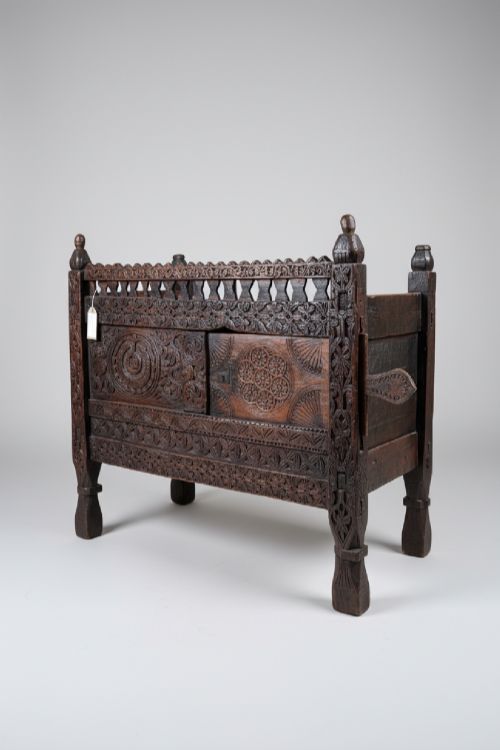
Styles represented include Chinese Export, Qing Dynasty, and Swat Valley Folk Art, taking the form of cabinets, trunks, and blanket boxes.
Assessing quality
The depth and crispness of the hand carving separate standard storage boxes from finer artistic examples. Crisp floral or figural relief work demonstrates superior craftsmanship by the carver.
The choice of primary timber and the condition of the lacquer or black lacquer finish also dictate the tier of the piece. Intact brass fittings and well-preserved joinery complete the higher end of the range.
The Hand Carved Asian Chest Glossary
- Camphor Wood
- A fragrant timber native to Asia, prized for its insect-repellent properties and suitability for blanket chests. It forms the core material for many traditional storage trunks.
- Lacquered Wood
- Timber coated with multiple layers of resin varnish to create a hard, durable sheen. This finish often serves as a deep black backdrop for intricate gold leaf or inlaid decoration.
- Chinese Export
- Objects manufactured in China specifically for Western markets during the nineteenth and early twentieth centuries. These pieces often blend traditional domestic forms with styles appealing to foreign buyers.
- Swat Valley Folk Art
- Regional decorative work characterised by bold carving and distinct local motifs. Pieces from this tradition display robust vernacular craftsmanship.
- Brass
- A copper and zinc alloy utilised for decorative hinges, corner brackets, and handles on chests and cabinets. It provides a bright contrast against dark lacquered or polished wood surfaces.
Hand Carved Asian Chest: Frequently Asked Questions
What are hand carved asian chests used for?
These pieces function primarily as storage containers for blankets, linens, and personal luggage. Their dense timber construction and tight-fitting lids help protect textiles from dust and moisture.
Beyond simple storage, their ornate carved exteriors and lacquered finishes allow them to serve as decorative coffee tables, window seats, or accent cabinets in living spaces.
How do I care for a camphor wood chest?
Keep the timber away from direct heat sources and dramatic humidity shifts to prevent the wood from splitting. Dust the carved surfaces gently with a dry, soft cloth.
Avoid using harsh chemical polishes or modern cleaning sprays on lacquered or waxed wood surfaces. A light application of natural wax can help maintain the finish over time.
How can I tell the period of a chest?
Look closely at the construction joints, timber selection, and hardware style to gauge the age of a trunk. Nineteenth-century examples often feature heavier hand-cut joinery and traditional brass fastenings.
Pieces from the nineteen-twenties and nineteen-thirties may show slightly different interior fittings or machine assistance alongside hand carving. Examining the wear patterns on the base and handles also offers clues to its age.
Are all these chests made of camphor wood?
Not all pieces utilise camphor, though it remains a dominant timber for storage trunks. Other examples employ general hardwood, cedar wood, or feature heavy lacquer over a timber core.
Each material imparts a different weight, scent, and visual texture to the finished cabinet or box. Checking the wood type helps identify the specific regional workshop tradition.