

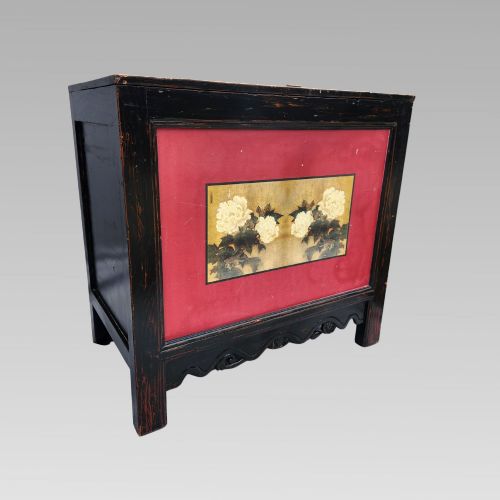
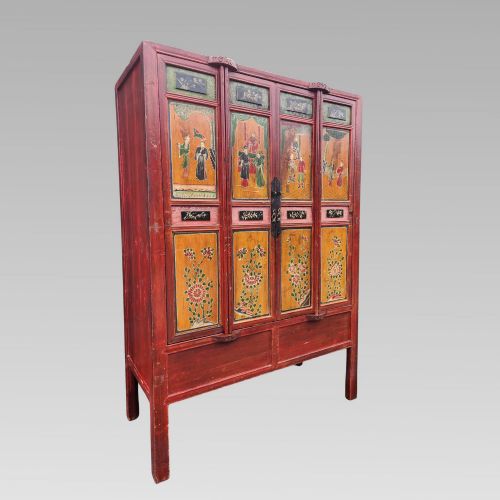


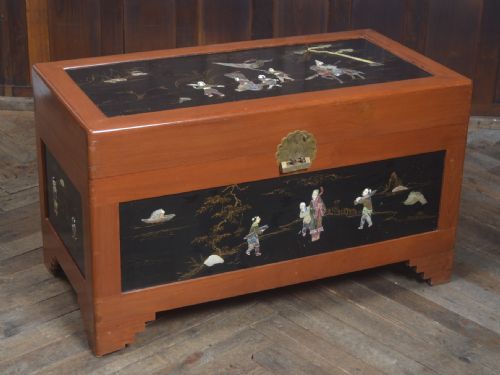

Oriental Timber Coffer
These oriental timber coffer pieces are robust storage items brought to interiors for their distinctive regional carving and heavy construction.
Oriental Timber Coffer
An oriental timber coffer represents a sturdy tradition of storage furniture originating primarily from Chinese workshops, designed to safeguard textiles, documents, and valuables. When exploring these listings, a buyer will most frequently encounter storage chests, blanket boxes, and trunks shaped from dense timbers.
The objects span multiple centuries, with examples recorded from the seventeenth through to the early twentieth century. Alongside traditional chests, related forms such as altar tables, writing desks, cabinets, and hall benches occasionally appear under this broad heading.
Many of these pieces bear the stylistic hallmarks of the Qing Dynasty or later Chinese export production, while others reflect regional variations such as seventeenth-century Afghan boxes. The selection balances functional utility with decorative surface work ranging from deep relief carving to smooth lacquer finishes.
Materials and Construction
Cabinetmakers utilised durable regional woods, notably camphor wood and elm, alongside general hardwoods and timber to build rigid carcases capable of enduring humid climates. Camphor wood remains particularly common due to its natural aromatic properties, which helped deter insects from stored garments.
Surface treatments define a significant portion of the output, involving traditional black or red lacquer applications paired with floral chinoiserie motifs. Metal components in brass and iron provide structural reinforcement and functional hardware such as corner brackets, hinges, and heavy-duty latches.
Oriental Timber Coffer Retail Price Guide 2026
Typical asking prices for oriental timber coffer among the pieces listed under this phrase on Sellingantiques today, from the lower quarter to the upper quarter. They describe what is for sale here now, not the wider market.
Camphor wood boxes retain their distinct botanical scent across the centuries, whispering of old forests long after the trees were felled.
Assessing Quality and Execution
The distinction between standard examples and finer pieces rests on the depth and crispness of the hand-carving applied to the timber surfaces. Deeply articulated relief work and well-preserved lacquer finishes indicate a higher standard of craftsmanship.
Structural integrity also separates the grades, where tight joinery and original metal hardware elevate a piece. The quality of the timber selection itself, particularly the grain figure in elm or the aromatic density of camphor wood, dictates the overall presence of the object.
The Oriental Timber Coffer Glossary
- Cofer
- A heavy box or chest typically used for keeping valuables or garments secure. These items often feature reinforced corners and sturdy lids.
- Chinoiserie
- European artistic interpretation and imitation of Chinese and East Asian artistic traditions. This style frequently manifests in painted lacquer scenes.
- Lacquer
- A durable resin finish applied in multiple layers to wood and polished to a smooth sheen. It protects the underlying timber while providing a decorative surface.
- Camphor Wood
- An aromatic timber prized for its insect-repellent properties and distinct scent. It is frequently employed in the construction of blanket and storage boxes.
Oriental Timber Coffer: Frequently Asked Questions
What were oriental timber coffers used for originally?
These chests served primarily for storing garments, household linens, and important family documents safely away from dust and moisture.
The aromatic qualities of woods like camphor additionally protected textiles from insect damage over long periods of storage.
How do I care for a lacquered chest?
Keep the piece away from direct sunlight and dramatic fluctuations in temperature to prevent the lacquer finish from cracking.
Dust the surface gently with a dry microfiber cloth and avoid using chemical polishes or abrasive cleaners.
Are these chests suitable for modern living rooms?
They function effectively as coffee tables or window seats while offering concealed storage for everyday items like blankets.
The robust construction allows them to endure daily use in contemporary domestic spaces.
How can I tell the age of a timber coffer?
Examine the construction methods, tool marks on the interior wood, and the wear patterns on the hardware.
Earlier pieces often display traditional joinery techniques and patination developed through centuries of handling.