



Asian Relief Carved Box
These asian relief carved box examples bring tactile depth to a room through dense, hand-chiselled surfaces.
Asian Relief Carved Box
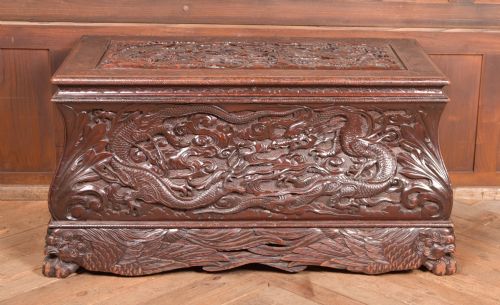
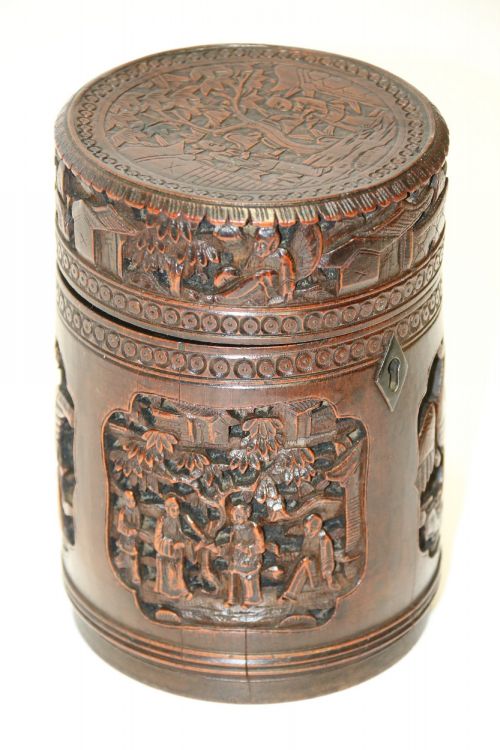
An asian relief carved box is typically encountered as a camphor wood chest, a bamboo tea caddy, or a lacquered trunk from the nineteenth and early twentieth centuries. These pieces cross several regional categories, including Chinese export, Chinese regional, Qing dynasty, and Anglo-Indian colonial styles.
How They Were Made
Maker workshops utilised dense timbers such as camphor wood and hardwood alongside bamboo and brass hardware. Artisans carved deep motifs directly into the material, creating raised surfaces that catch the light.
Surface treatments include traditional lacquer work and silver plate decoration applied over metal substrates. Joinery and panel construction supported the heavy carving without compromising the structural integrity of the box.
Asian Relief Carved Box Retail Price Guide 2026
Typical asking prices for asian relief carved box among the pieces listed under this phrase on Sellingantiques today, from the lower quarter to the upper quarter. They describe what is for sale here now, not the wider market.
Camphor wood boxes retain their pungent, medicinal aroma for generations, silently guarding your woolen jumpers from moths with nineteenth-century efficiency.
What Varies in Quality
The depth and crispness of the chisel work dictate the visual strength of each piece, distinguishing flat tooling from deeply undercut carving. Surface preservation also plays a role, particularly on lacquered and silver-plated examples where the original finish remains intact.
Proportion and the handling of natural materials, such as the grain in camphor wood or the node placement in bamboo, determine the refinement of the finished object. Finer pieces demonstrate control over the entire surface rather than isolated focal points.
The Asian Relief Carved Box Glossary
- Relief carving
- A sculptural technique where figures and motifs project from a flat background. This method creates strong shadow lines across the timber.
- Camphor wood
- A fragrant timber chosen for storage chests due to its insect-repellent properties. It accepts deep chisel work readily.
- Chinese Export
- Goods manufactured in China specifically for Western markets during the nineteenth and early twentieth centuries. These items often blend traditional motifs with forms suited to European homes.
- Tea caddy
- A small lidded container originally used for storing loose tea leaves. Many surviving examples feature intricate bamboo or wood construction.
Asian Relief Carved Box: Frequently Asked Questions
What were these boxes used for originally?
Larger chests served as luggage and storage for clothing, while smaller vessels held precious commodities like tea or tobacco. Their dense construction protected contents from humidity and pests during transport.
Over time, these utilitarian objects transitioned into decorative furnishing pieces within Western interiors, valued as much for their sculptural exteriors as for their storage capacity.
How do I care for a camphor wood chest?
Keep the timber away from direct heat sources and sudden humidity shifts to prevent the wood from splitting. Dust the carved recesses gently with a soft brush rather than a cloth that might snag.
Occasional light conditioning maintains the natural oils in the timber without building up heavy wax residues on the carved surfaces.
How can I tell periods apart?
Nineteenth-century examples frequently show deeper, more organic hand-chiselling and traditional joinery methods. Pieces from the early twentieth century often incorporate standardised hardware or different export styles.
Examining the underside, interior linings, and hinges helps establish the manufacturing era alongside stylistic clues.
Where should I place an Asian relief carved box in my home?
Large camphor wood chests function well as coffee tables at the foot of a bed or as statement storage pieces in a hallway. Their textured surfaces add visual weight to minimalist rooms.
Smaller tea caddies and lidded boxes sit comfortably on side tables, desks, or open shelves where their detailed carving can be appreciated close up.