


Oriental Wall Hanging
An oriental wall hanging brings rich textiles, carved mirrors, and painted panels into a room.
Oriental Wall Hanging
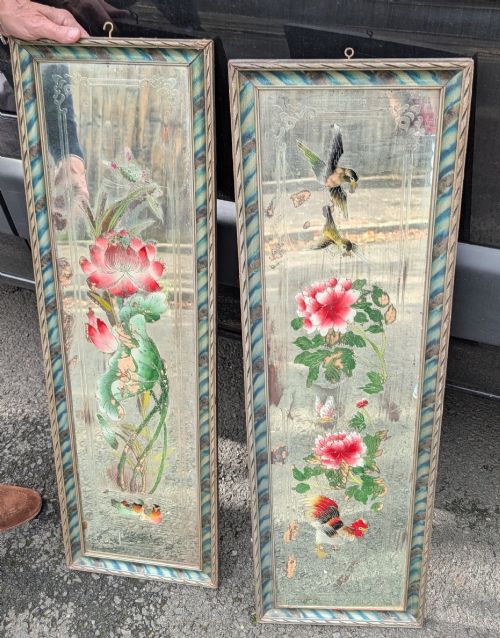
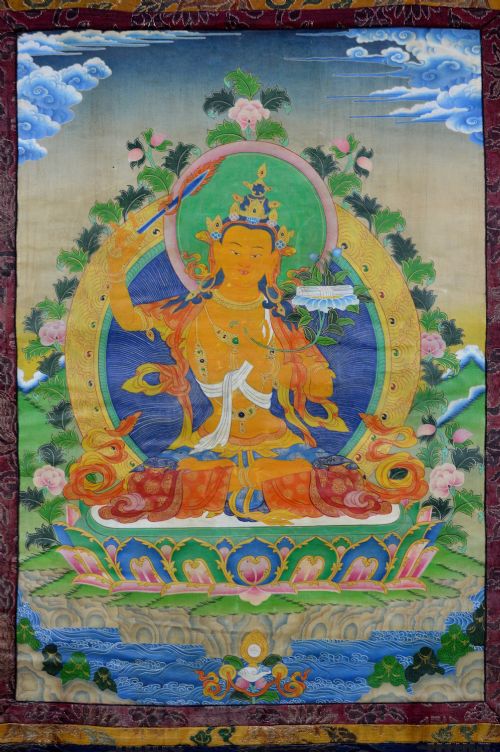
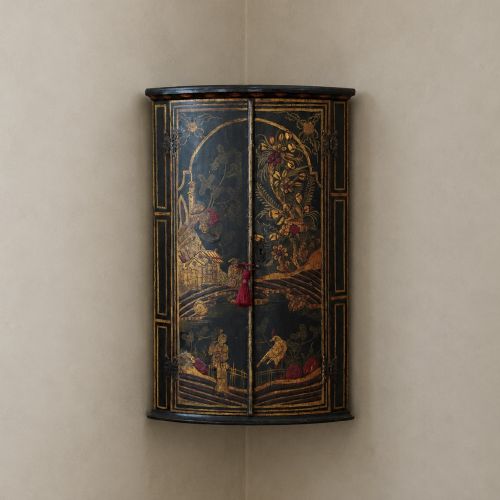
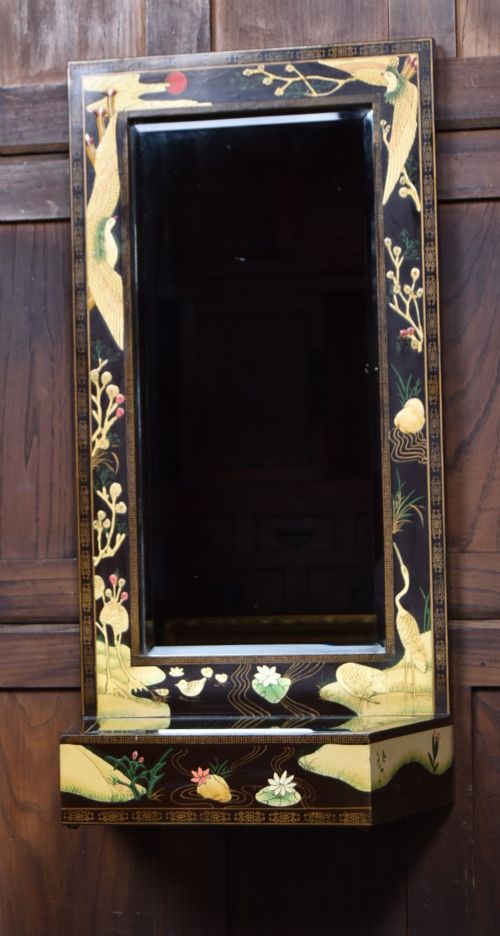
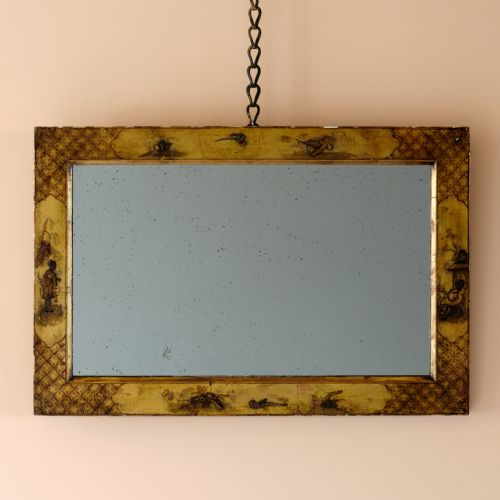
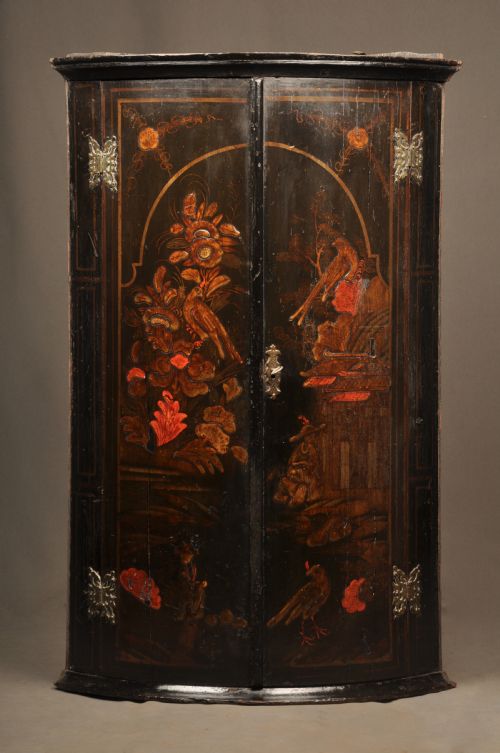
When searching for an oriental wall hanging, collectors encounter a diverse selection of nineteenth-century textiles, tribal bags, framed scrolls, and decorative mirrors. The selection spans Central Asian tribal weaving, Chinese silk embroideries, and European chintzy interpretations like japanned wall cupboards and gilt mirrors.
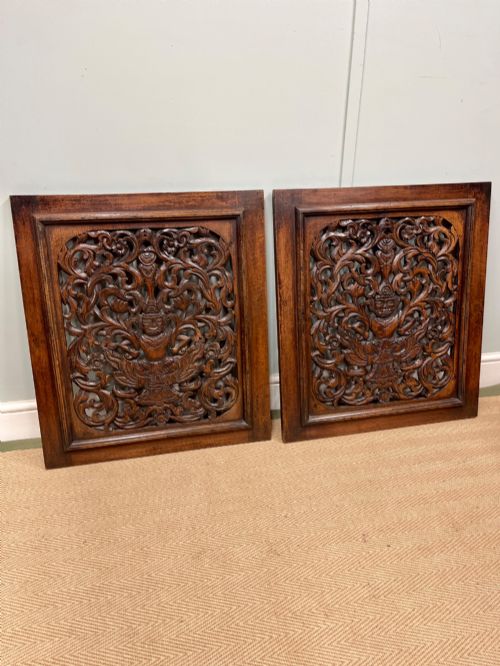
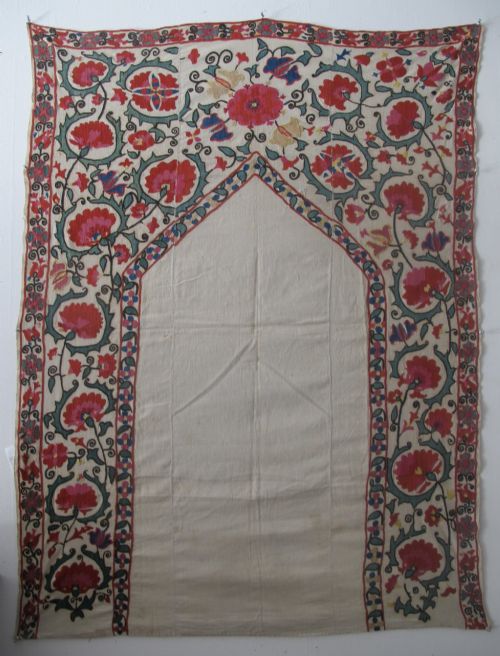
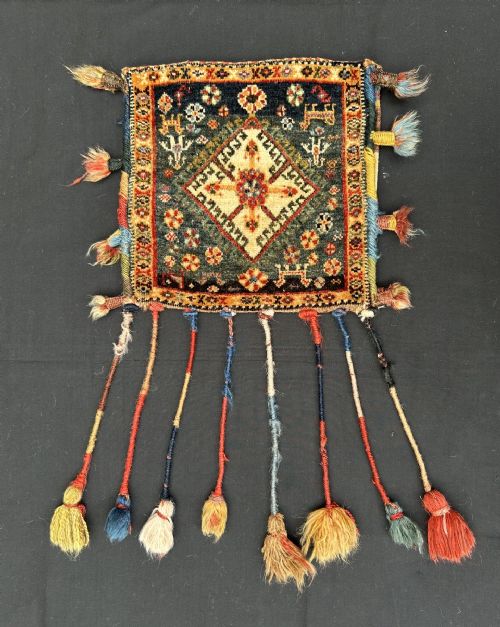
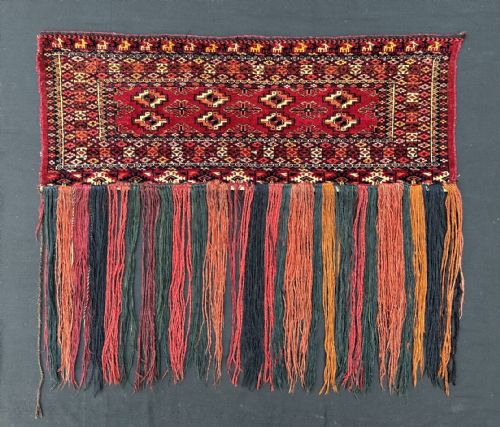
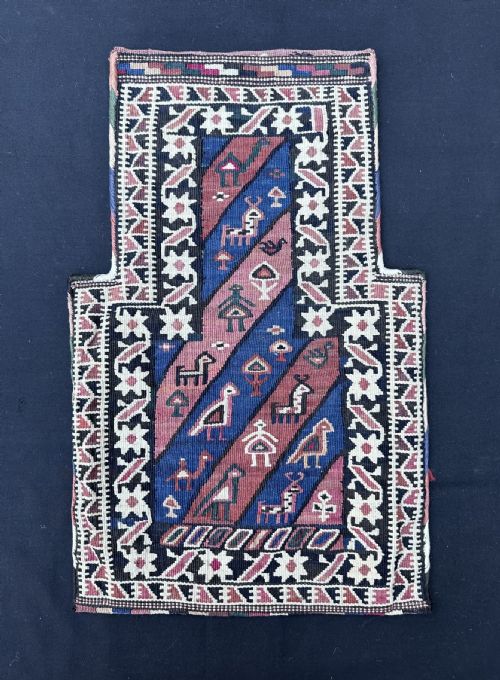
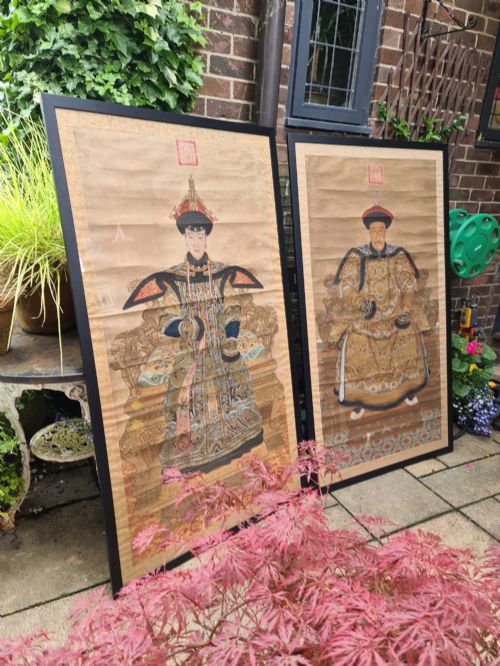
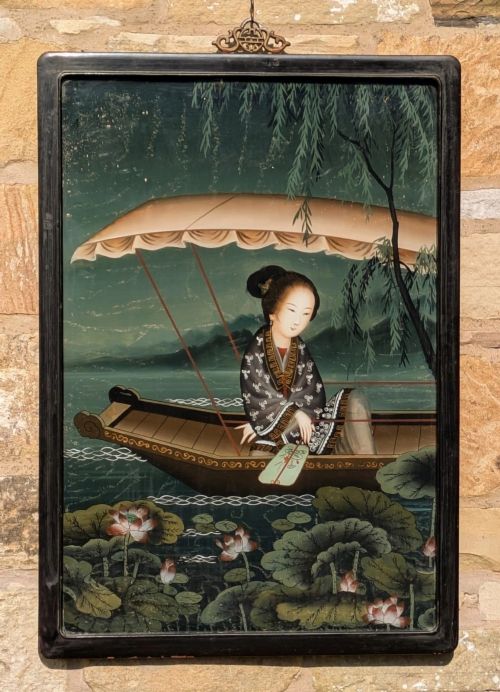
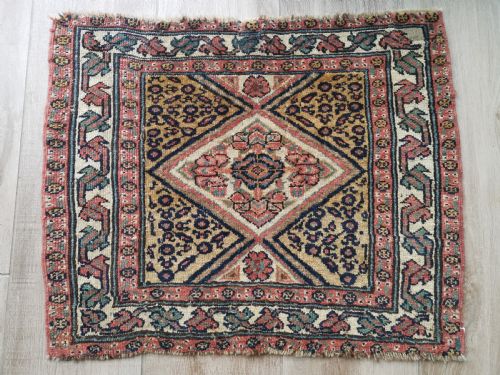
The most common variants on this page include Turkmen torbas, Uzbek suzanis, and Persian tribal bagfaces alongside carved wooden Burmese panels and reverse glass paintings. These objects originated as utilitarian nomadic items, ancestor portraits, or interior decorative furnishings adapted over time for display.
Tribal weaving forms a substantial portion of the objects, featuring pieces from the Yomut, Tekke, and Salor tribes alongside sophisticated urban Chinese silk works. Buyers also find architectural elements such as corner cabinets decorated in the chinoiserie taste alongside brass gongs.
Materials and construction methods
The textiles rely on natural wool, cotton, and silk foundations, often embroidered with hand-sewn silk thread depicting floral, architectural, or geometric motifs. Nomadic pieces utilise sturdy wool pile and flatweave techniques, while suzanis employ fine needlework on cotton or silk grounds.
Rigid items incorporate carved wood, glass, and brass, utilising traditional joinery and lacquering methods. Japanned furniture and mirrors display built-up layers of varnish and gilt decoration, while reverse paintings on glass require meticulous pigment application viewed from the opposite side.
Listings feature items dated from the eighteenth century through to the early twentieth century, spanning wool, silk, lacquer, and brass materials.
Factors determining quality
Quality rests upon the fineness of the needlework or carving, the integrity of the materials, and the crispness of the design execution. Tribal weavings show distinction in the saturation of natural dyes, the regularity of the knotting or stitch count, and the completeness of original backs and borders.
For painted and lacquered objects, excellence is found in the preservation of the painted surface, the complexity of the narrative or geometric motifs, and the structural stability of the wooden frames or cabinets.
The Oriental Wall Hanging Glossary
- Suzani
- An embroidered textile panel from Uzbekistan, traditionally worked in silk on a cotton or silk ground with floral or architectural patterns.
- Torba
- A small tribal storage bag produced by Turkmen groups, typically featuring geometric gul motifs and designed to hang inside a yurt.
- Japanned
- European furniture and decorative objects finished with black or coloured varnishes in imitation of East Asian lacquerware.
- Gul
- A primary medallion or repeating octagonal motif used in Turkmen and other Central Asian rug and textile designs.
- Chinoiserie
- A Western stylistic interpretation of Chinese and East Asian artistic traditions applied to mirrors, cabinets, and decorative arts.
Oriental Wall Hanging: Frequently Asked Questions
How were tribal bags used originally?
Nomadic groups utilised these woven pouches to store household items, bedding, and personal belongings inside portable tents. They served practical storage functions while displaying tribal identity and weaving skill.
Over generations, many of these functional bags have been repurposed as decorative wall hangings to display their intricate geometric designs and natural dyes.
What is a suzani textile?
Suzanis are large, decorative embroidered panels traditionally made by brides as part of their dowry in Uzbekistan. Women stitched floral, sun, and leaf motifs using coloured silk threads on cotton foundations.
These striking needlework pieces were hung on interior walls or used as bed covers within traditional Central Asian homes.
How do I care for antique silk embroidery?
Keep textile pieces away from direct sunlight to prevent natural dyes and silk threads from fading over time. Ensure they are mounted securely and evenly to avoid placing excessive strain on historic fabric.
Gentle surface dusting with a soft brush helps maintain the material without damaging delicate hand-sewn stitches.
What distinguishes Turkmen tribal weaving?
Turkmen tribal weavings are characterised by deep madder red colour palettes and repetitive geometric octagonal motifs known as guls. Different tribes, such as the Yomut and Tekke, developed distinct border patterns and secondary ornaments.
This regional specificity allows collectors to identify the particular group and geographical origin of each piece.