
Antique Chinese Art
When exploring antique chinese art, you encounter centuries of craftsmanship spanning delicate silk paintings, robust bronzes and intricate ceramics.
Antique Chinese Art
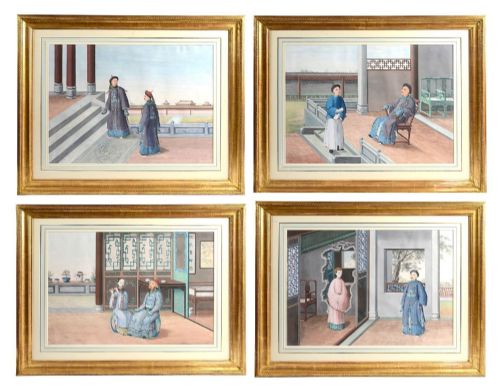
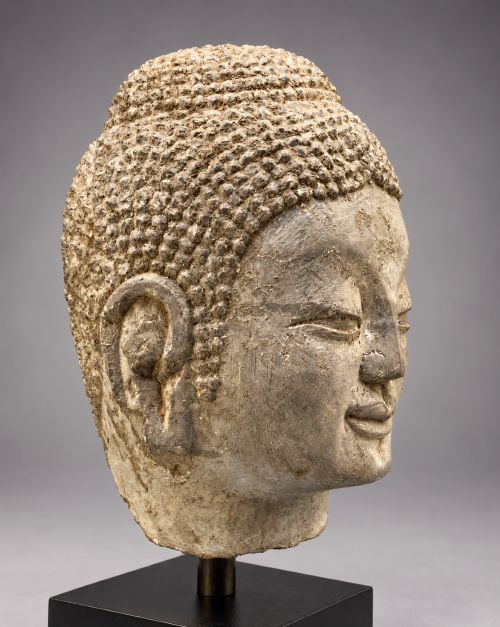
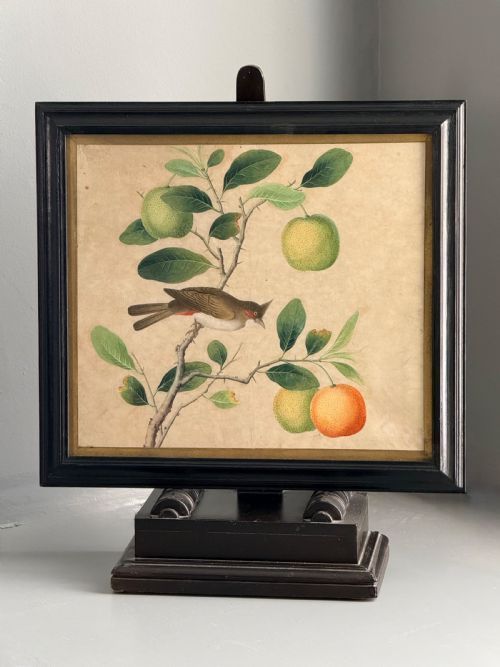
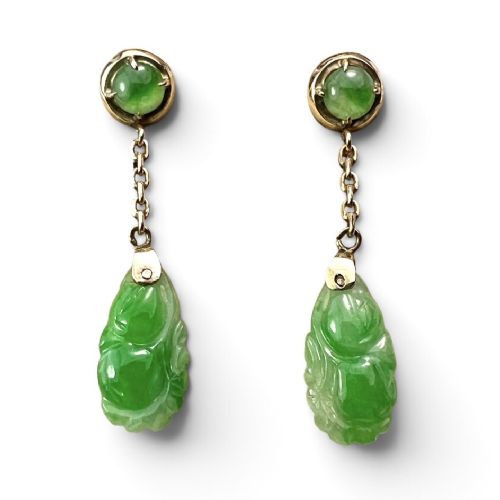
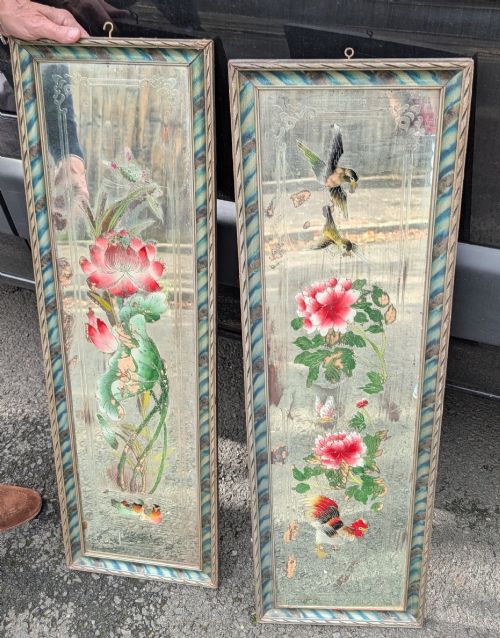
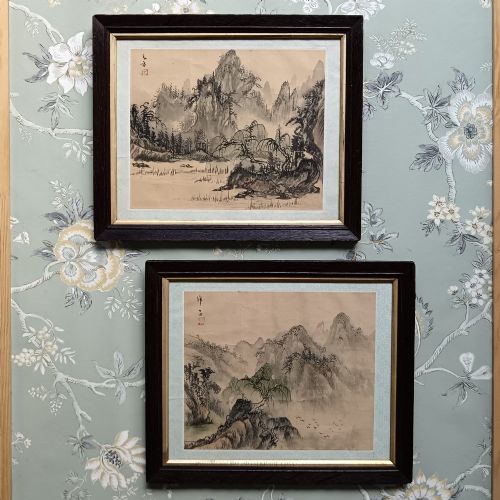
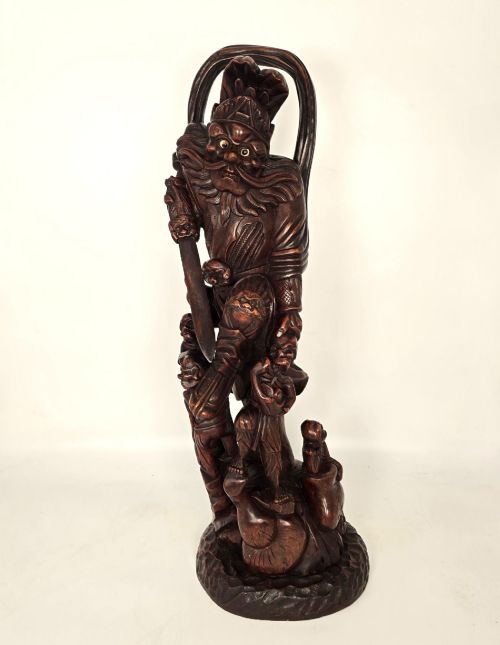
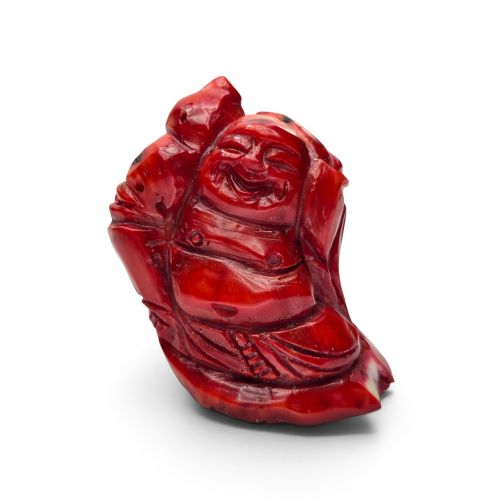
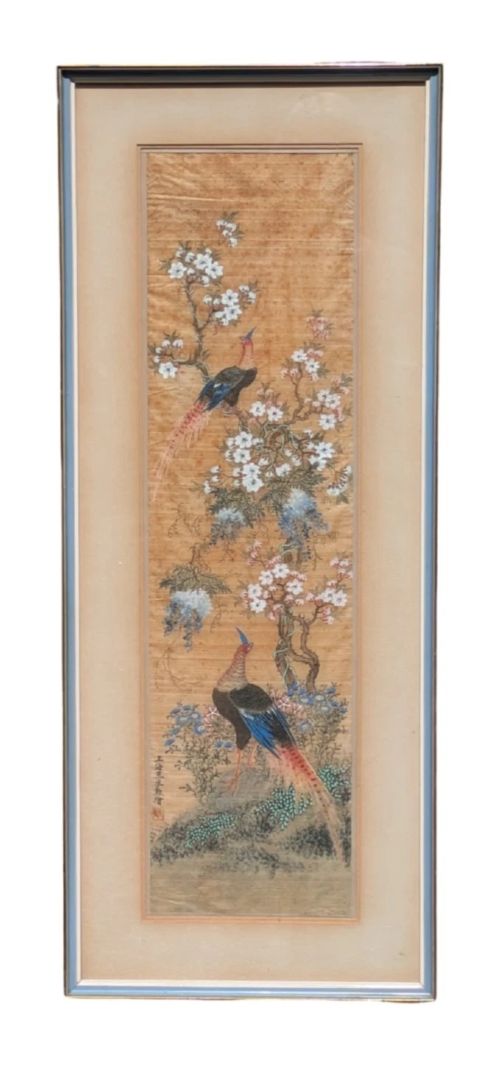
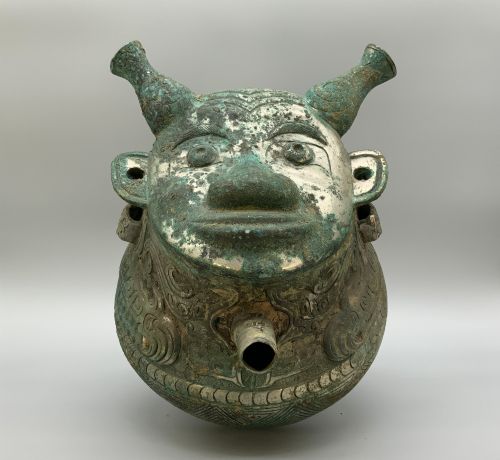
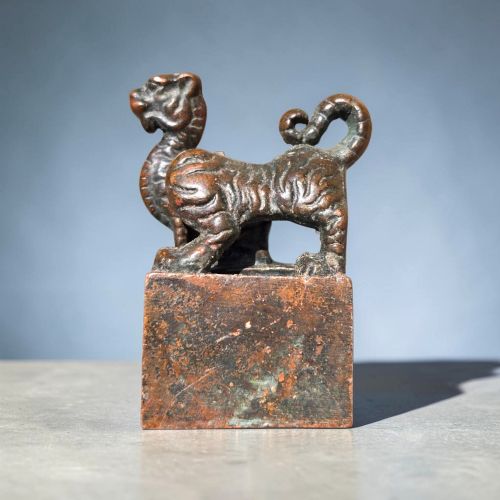
Antique chinese art encompasses a diverse array of cultural objects ranging from utilitarian scholar's implements to monumental temple carvings and decorative wall art. On this page, you frequently meet nineteenth-century works on paper and silk, alongside carved jade sculptures and export ceramics.
The materials reflect a deep engagement with the natural world, utilising wood, porcelain, bronze, silk and precious stones. Objects span utilitarian vessels, ancestral scrolls and decorative panels created for both domestic use and international trade.
How they were made
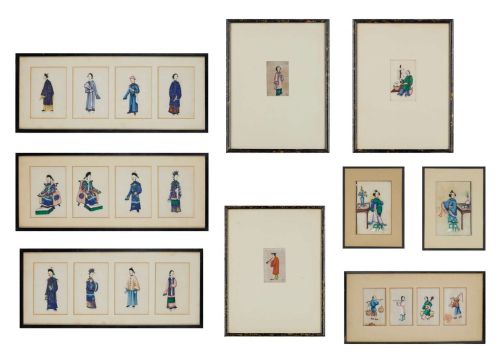
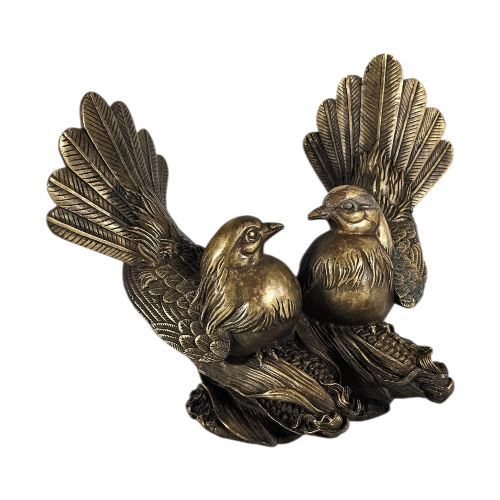
Makers utilised traditional techniques such as hand-painting on pith paper and silk, carving hardstones like jade and serpentine, and casting bronze using ancient methods. Ceramics display mastery of high-fired glazing, enamelling on copper, and delicate blue-and-white porcelain production.
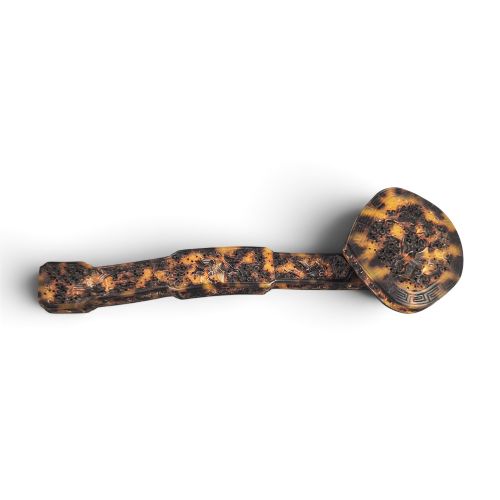
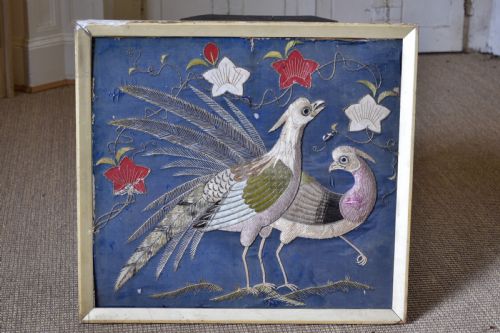
Organic materials required specialist handling, evident in intricate silk embroidery, carved tortoiseshell, and lacquered wood surfaces. Metalwork often combined casting with fine filigree and enamel application to achieve layered texture and colour.
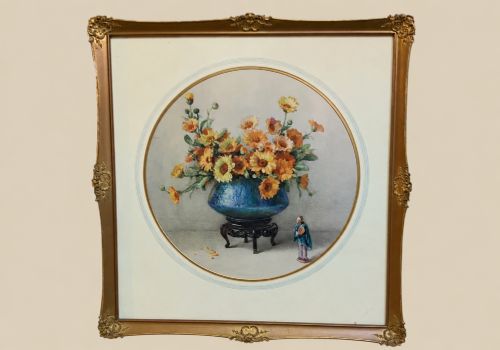
Listings feature a strong representation of nineteenth-century pith paper paintings and twentieth-century Art Deco carpets.
What varies in quality
Quality rests in the execution of detail, the clarity of brushwork or carving, and the preservation of fragile organic components like silk and pith paper. Superior examples demonstrate confident lines, balanced composition, and materials selected without natural flaw.
The provenance and integrity of the piece heavily influence distinction, particularly in carved sculptures and imperial-style wares where imperial marks or exceptional scale elevate the work. Age and period attribution also separate standard decorative items from significant scholarly pieces.
The Antique Chinese Art Glossary
- Pith paper
- A delicate material formed from the spongy interior of Tetrapanax papyrifer, commonly used for nineteenth-century watercolours and gouache paintings. It has a velvety texture that absorbs vibrant pigments.
- Qing dynasty
- The final imperial dynasty of China, lasting from sixteen-forty-four to nineteen-home-and-twelve. Many decorative objects and paintings originate from its later decades.
- Rank badge
- A richly embroidered square sewn onto the robes of officials to denote their social standing. These textiles feature symbolic animals and motifs.
- Ruyi sceptre
- A curved decorative object shaped like a lotus bud or Lingzhi mushroom, traditionally symbolising power and good fortune. They were often carved from jade, wood or tortoiseshell.
- Shan shui
- A traditional style of Chinese painting depicting scenery or natural landscapes using ink and brush. The term translates directly to mountain-water.
Antique Chinese Art: Frequently Asked Questions
What is pith paper art?
Paintings created on pith paper utilise a delicate plant-based medium that captures vivid gouache and watercolour pigments. These works typically depict nineteenth-century scenes, trades and flora.
Artists mounted these fragile paintings carefully, often preserving them in contemporary albums or frames. Today, they require protection from direct light to maintain their colour.
How do I identify Qing dynasty pieces?
Qing dynasty items often feature specific reign marks, distinct decorative motifs like dragons and floral scrolls, and traditional materials such as carved jade or blue-and-white porcelain. Stylistic shifts reflect the specific emperor's era.
Comparing the craftsmanship, glaze type, and iconography against established period examples helps determine the exact century and origin.
How should I care for silk paintings?
Silk paintings and embroidered rank badges require stable environmental conditions away from humidity and direct sunlight. Framing behind UV-resistant glass protects the delicate textile fibres.
Handling should be kept to a minimum to prevent the natural degradation of historical silk and the fading of traditional pigments.