



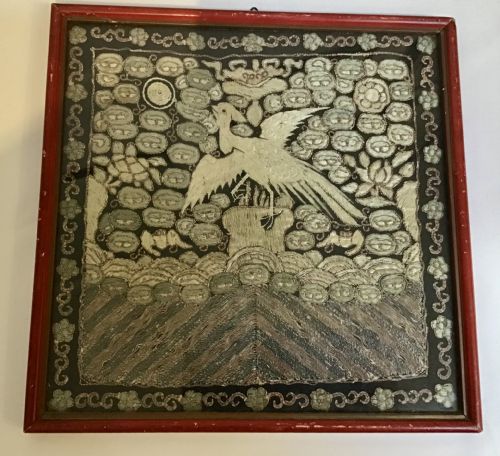
Framed Silk Panel
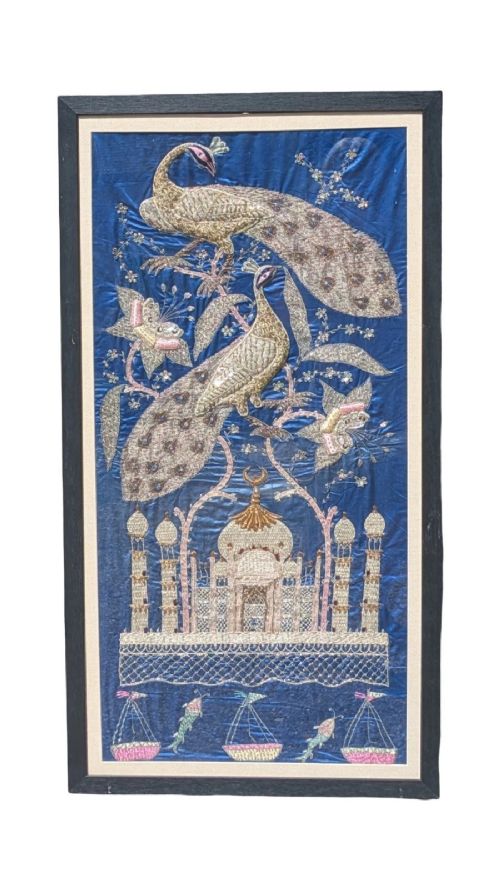
A framed silk panel brings tactile depth and historic narrative to a room, ranging from delicate Chinese needlework to intricate English stumpwork.
Framed Silk Panel
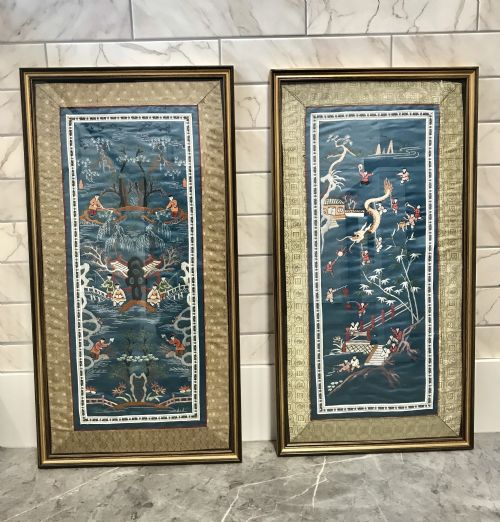
When you search for a framed silk panel, you encounter a diverse group of textiles spanning multiple centuries and global traditions, from traditional Chinese embroidered panels and rank badges to European needlework pictures and samplers.
The pieces on this page lean heavily towards nineteenth-century examples alongside seventeenth- and eighteenth-century works, housed behind glass in wooden frames that protect the delicate threads within.
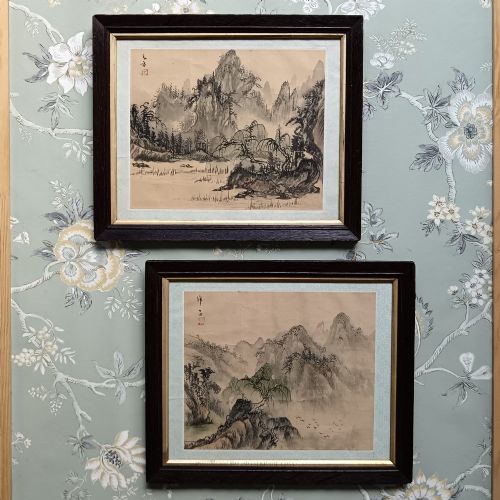
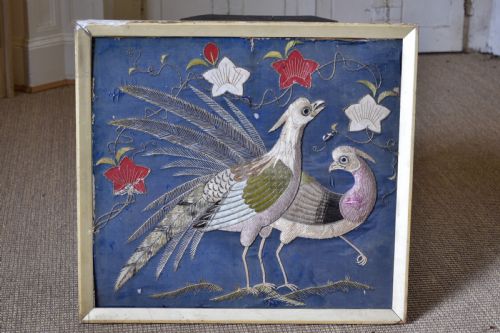
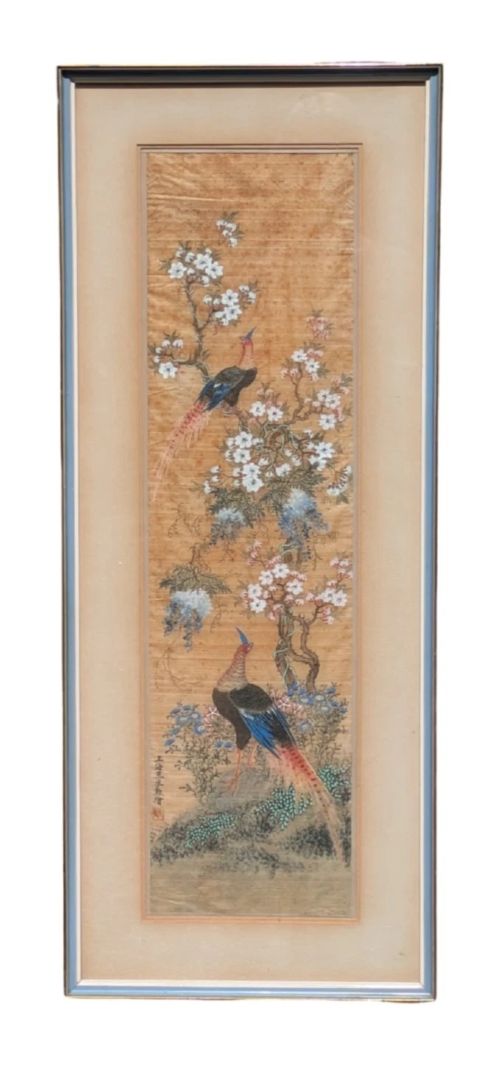
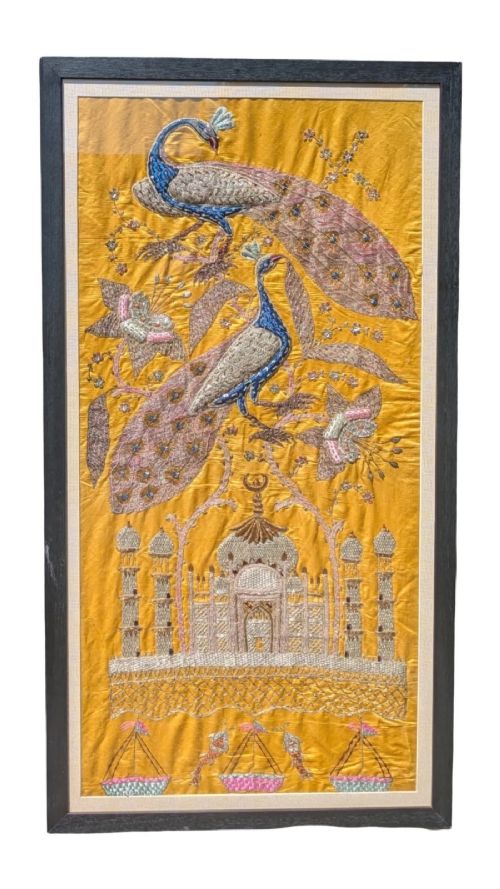
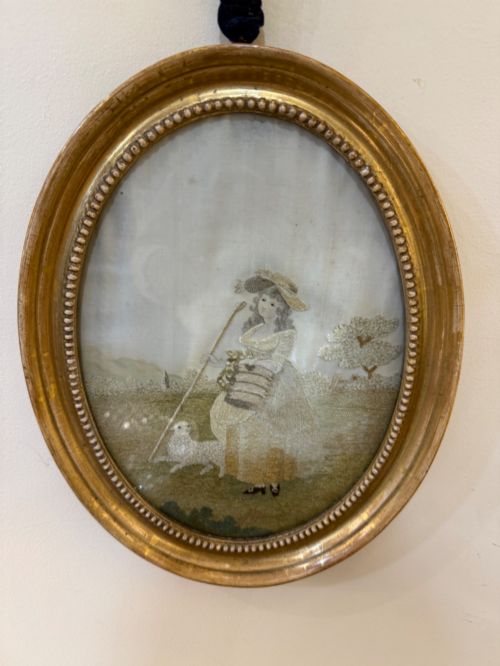
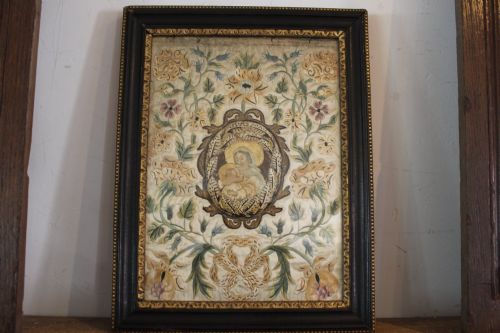
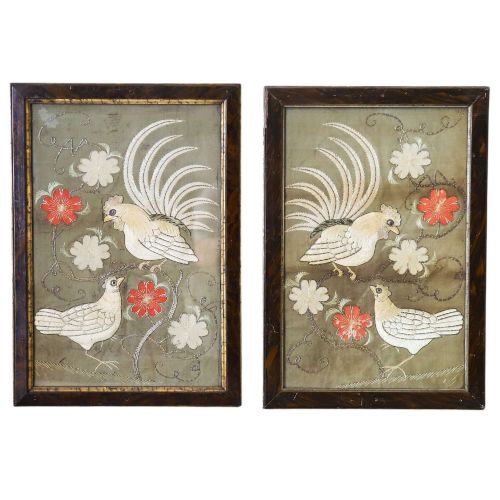
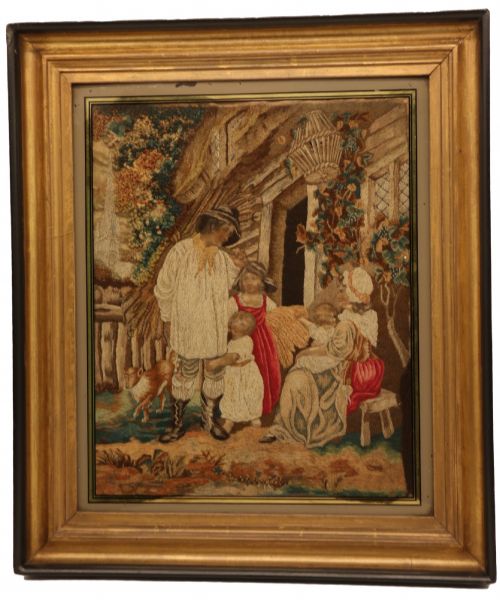
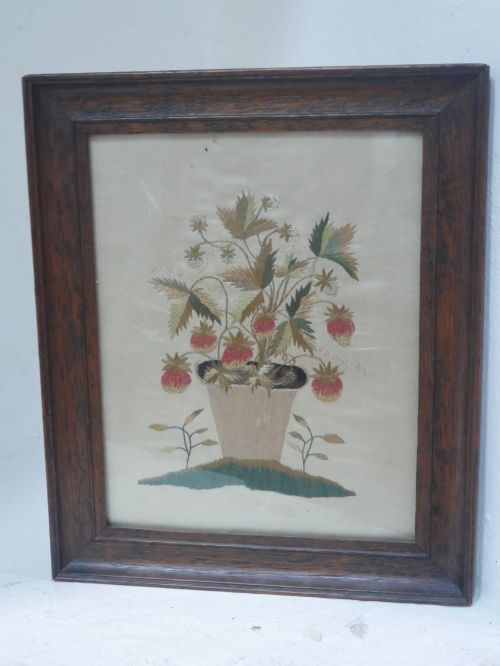
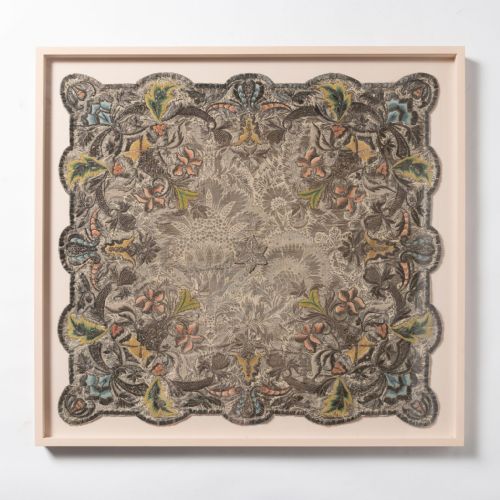
You will find everything from floral still lifes and pictorial pastoral scenes to geometric fragments and wall hangings, each displaying the distinct hand of its maker.
How they were made
Makers utilised a base of woven silk, linen, or cotton, working upon the fabric with silk floss, wool, and metallic thread to build pictorial depth and texture.
Techniques range from flat hand-sewn embroidery and painting on silk to raised stumpwork, needlepoint tapestry, and patchwork, often executed under glass to preserve the fragile fibres.
Listings feature textiles spanning the seventeenth to the twentieth centuries, employing silk, linen, wool, and metallic thread within wood and giltwood frames.
What varies in quality
The skill of the needlework separates ordinary decorative fragments from exceptional pictorial works, visible in the precision of the stitching and the shading of the threads.
The preservation of the silk and the integrity of the original frame dictate the overall standard, as exposure to light and moisture affects textiles over the centuries.
The Framed Silk Panel Glossary
- Stumpwork
- A raised embroidery style popular in the seventeenth century, using padded underlays to create a three-dimensional effect on figures and motifs.
- Sampler
- A piece of needlework produced to demonstrate a worker's proficiency in various stitches and alphabets, often dated and signed.
- Rank badge
- A richly embroidered square insignia worn on the robes of Qing dynasty officials, featuring birds or animals denoting civil or military status.
- Metal thread
- Fine wire made of gold or silver, or wrapped around a core, utilised in traditional embroidery to add reflective highlights and lustre.
- Band sampler
- A long, narrow linen or silk strip embroidered across its width with horizontal bands of distinct repeating patterns.
Framed Silk Panel: Frequently Asked Questions
How do I hang a silk panel safely?
Keep textile panels out of direct sunlight to prevent the silk threads and painted details from fading over time.
Ensure the frame remains sealed behind glass to protect the fabric from dust and household humidity.
Are these panels all English?
The selection includes pieces from varied geographic origins, encompassing Chinese embroideries, Greek island fragments, and Ottoman works alongside English samplers.
Each region utilised distinct motifs, colour palettes, and stitching techniques that reflect local textile traditions.
How can I tell a seventeenth century panel from a nineteenth century one?
Early works often feature specific needlework styles like stumpwork depicting historical figures, or narrow band samplers worked on linen.
Later nineteenth-century examples frequently incorporate machine-assisted elements, different framing materials, or distinct floral and avian pictorial subjects.
What is the difference between a sampler and a picture?
A sampler typically records alphabets, numbers, and geometric bands to display technical skill, often created by younger makers.
A picture portrays a complete narrative scene, such as a pastoral landscape or figures among flowers, framed as a finished artwork.