
Asian Embroidered Textile Panel
When you search for an asian embroidered textile panel, you encounter hand-stitched wall hangings and domestic textiles carrying centuries of nomadic and court traditions.
Asian Embroidered Textile Panel
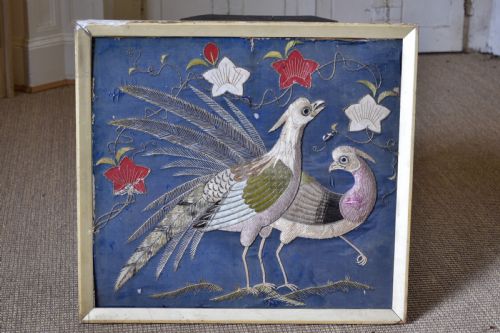
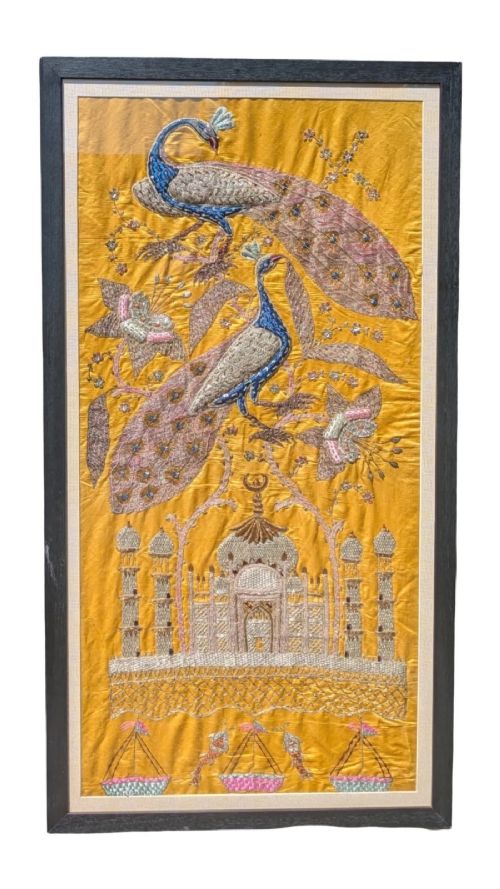
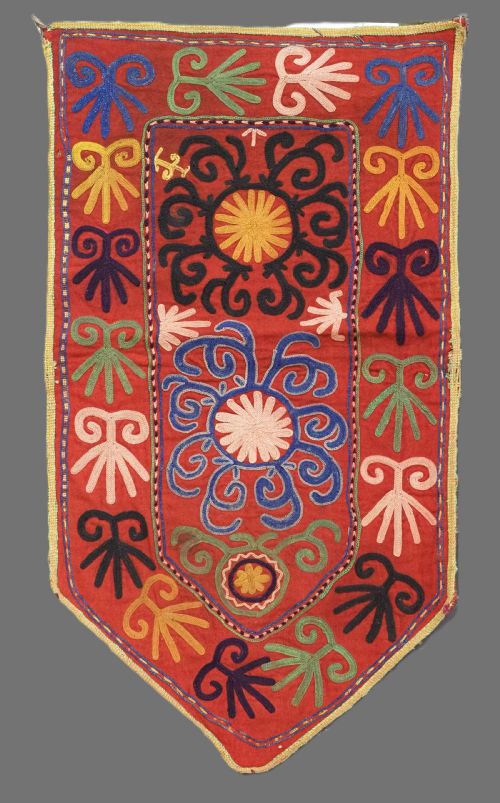
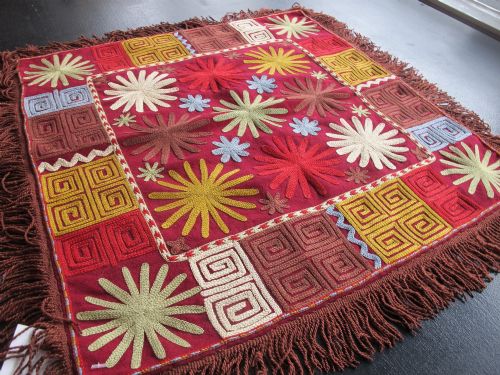
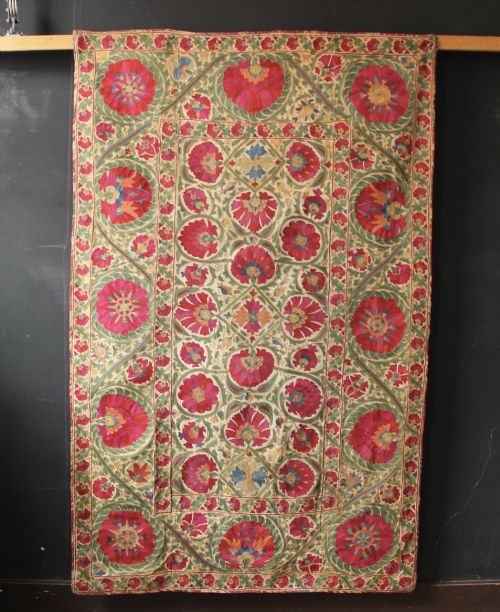
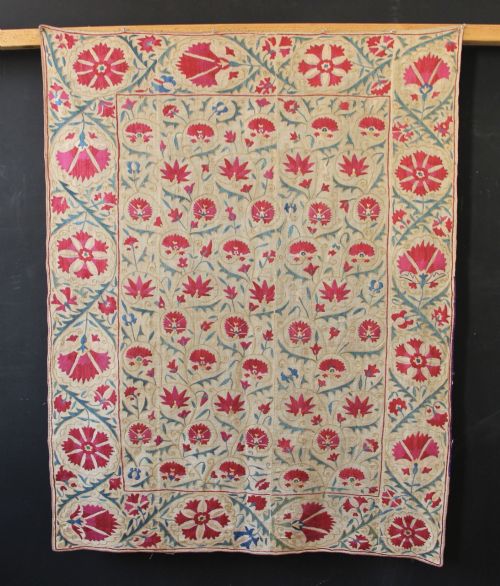
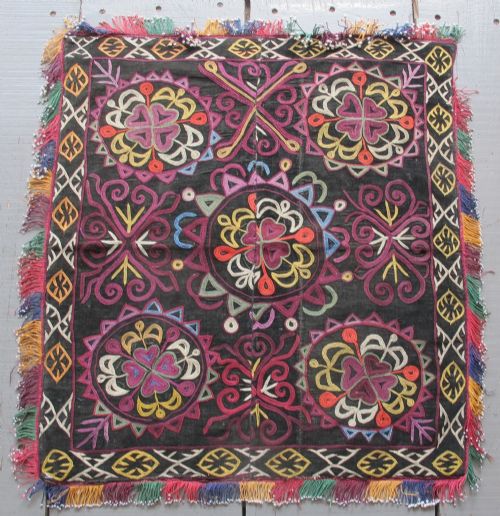
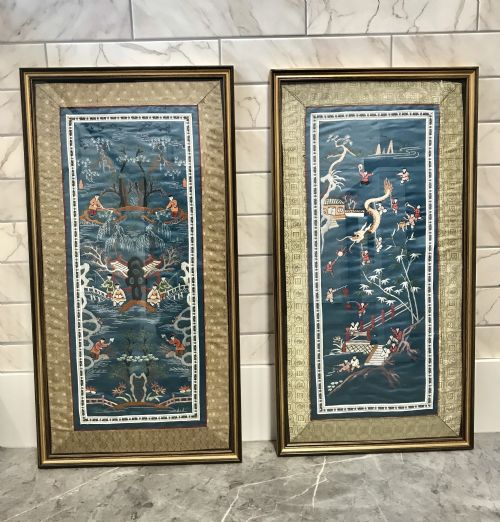
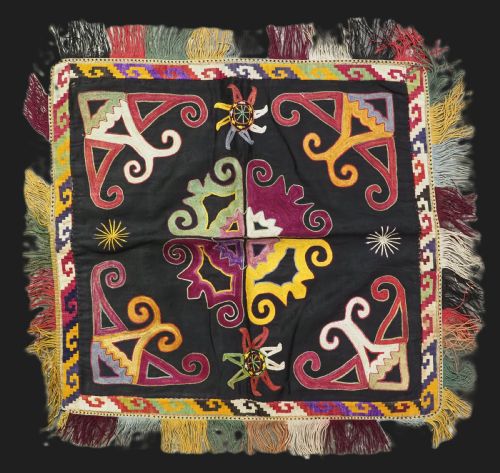
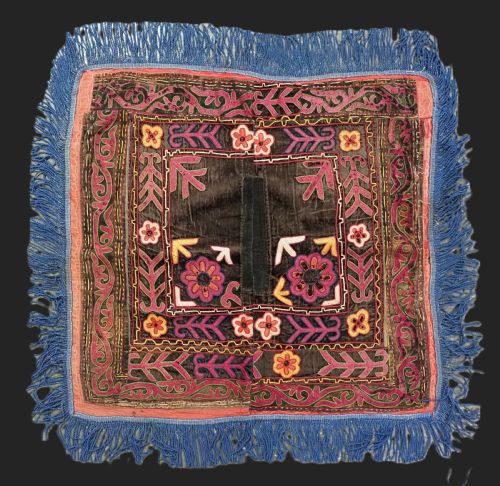
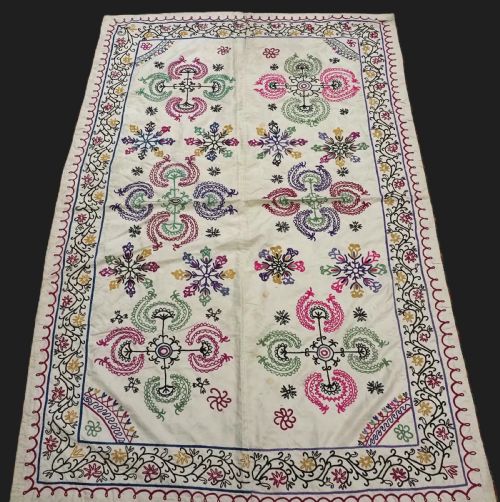
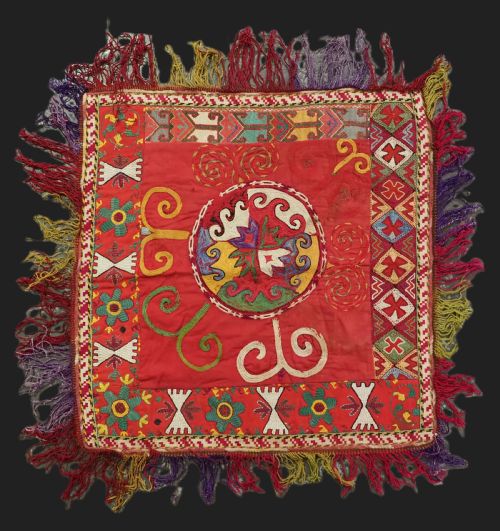
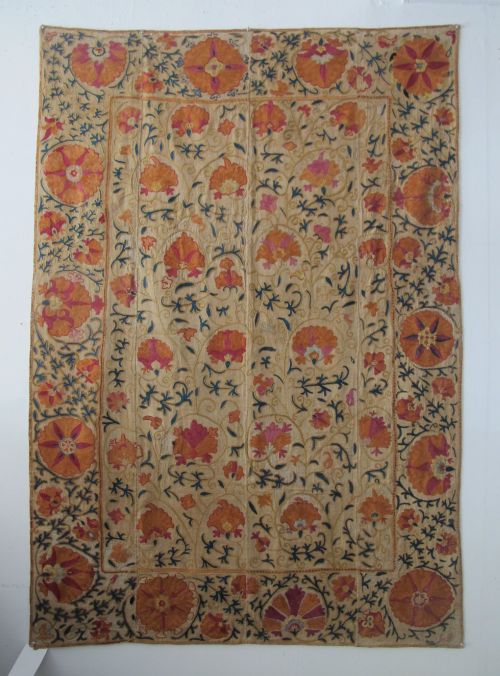
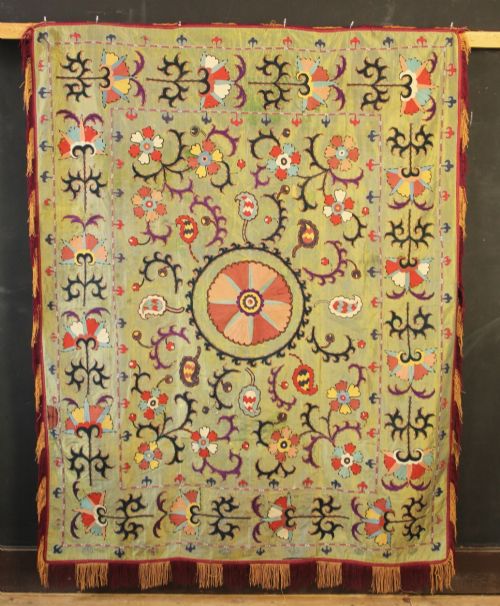
An asian embroidered textile panel encompasses wall hangings, dowry embroideries, and domestic covers created across Central Asia, China, Japan, and India. The material evidence on this page draws heavily from Uzbek suzanis, Lakai tribal ilgiches, and Kyrgyz felt panels dating from the nineteenth century into the early twentieth century.
Buyers will encounter large format suzanis featuring botanical and architectural motifs alongside smaller tribal pieces like uut kaps and mirror covers. These works served functional roles within nomadic dwellings and ceremonial contexts before entering the decorative sphere.
The regional variations reflect distinct tribal groups and urban centres, spanning from Bokhara and Shakrisabz workshops to nomadic encampments. Each piece preserves traditional iconography executed through specialist needlework techniques.
How They Were Made
The foundation grounds rely upon natural textiles including woven silk, cotton, wool, and felt, sometimes combined in mixed adras fabrics. Artisans applied hand-spun silk embroidery threads using specialised hook-stitch or flat-stitch techniques to build up dense floral and geometric patterns.
Metallic thread and glass beads occasionally supplement the silk embroidery, adding texture and reflective quality to ceremonial pieces. Support structures range from simple cotton backings to mounted wood frames or glass enclosures for protection.
Listings feature textiles from the 1850s to the 1930s, utilising silk, cotton, wool, and felt grounds.
What Varies In Quality
Quality rests upon the precision and density of the needlework, where tightly packed silk stitches demonstrate superior workshop skill over loose or sparse execution. The complexity of the design layout, from balanced architectural suzanis to intricate tribal ilgiches, distinguishes standard output from exceptional examples.
The condition and integrity of the original ground fabric and natural dyed threads dictate the overall preservation of the piece. Superior examples retain vibrant colour palettes and complete borders without extensive modern restoration.
The Asian Embroidered Textile Panel Glossary
- Suzani
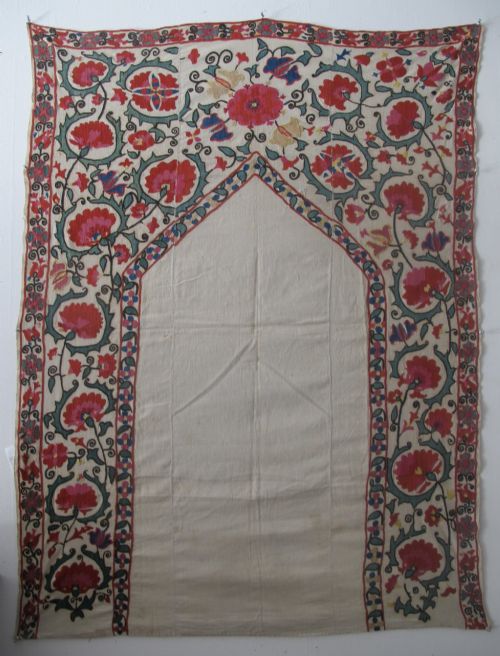
- A large embroidered textile panel originating from Tajikistan, Uzbekistan, and other Central Asian regions, traditionally made as part of a bride's dowry. These pieces typically feature bold floral motifs on cotton or silk grounds.
- Ilgich
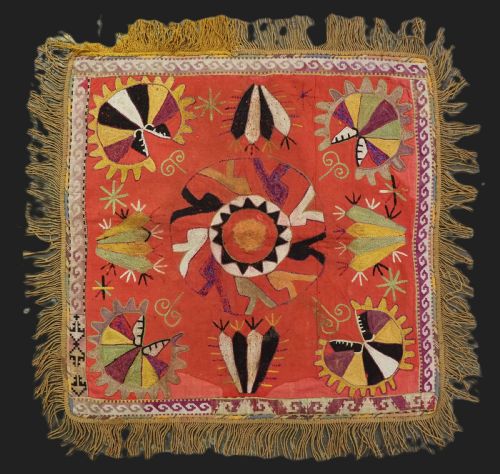
- A specific form of Central Asian embroidery used for wall decoration or utilitarian storage within a yurt. They are frequently associated with the Lakai tribe and display geometric tribal motifs.
- Nim Suzani
- A half-size suzanis panel created for domestic use where full wall coverage was impractical. They share the same silk-on-cotton or silk-on-silk embroidery techniques as their larger counterparts.
- Uut Kap
- A small embroidered bag or hanging utilised in nomadic households for storing tent bands and domestic items. They showcase distinct tribal needlework traditions.
- Adras
- A traditional woven fabric composed of a silk warp and a cotton weft, frequently employed as the foundation ground for Central Asian embroidery.
Asian Embroidered Textile Panel: Frequently Asked Questions
How were suzanis used originally?
Suzanis functioned primarily as dowry items created by brides and their female relatives to decorate the interior of nomadic tents and permanent homes. They served as wall hangings, bed covers, and ceremonial wraps during marriages and major family milestones.
Over time, these textiles transitioned from functional domestic objects into valued decorative pieces displayed in residential interiors around the world.
What is a Lakai ilgich?
A Lakai ilgich is a specific type of embroidered textile produced by the Lakai nomadic tribe in Central Asia. These pieces are characterised by energetic geometric patterns and appliqué work executed in bright silk threads.
They were typically created as dowry items or storage bags, holding significant cultural meaning for the tribe through their distinct visual vocabulary.
How do I care for an antique textile panel?
Protect antique embroidery from direct sunlight to prevent the natural silk threads from fading and the ground fabrics from degrading. Display the panels away from high humidity and heat sources, utilising professional mounting methods that distribute the weight evenly.
Avoid aggressive cleaning methods and consult a textile conservator if the piece requires dust removal or stabilization.
How can I tell the age of a suzani?
Dating relies on examining the types of dyes used, the weave of the foundation fabric, and the specific style of the embroidery motifs. Natural dyes and hand-spun silk or cotton indicate nineteenth-century or early twentieth-century production.
Comparing the design structure to documented regional examples helps narrow down the period and place of origin.