




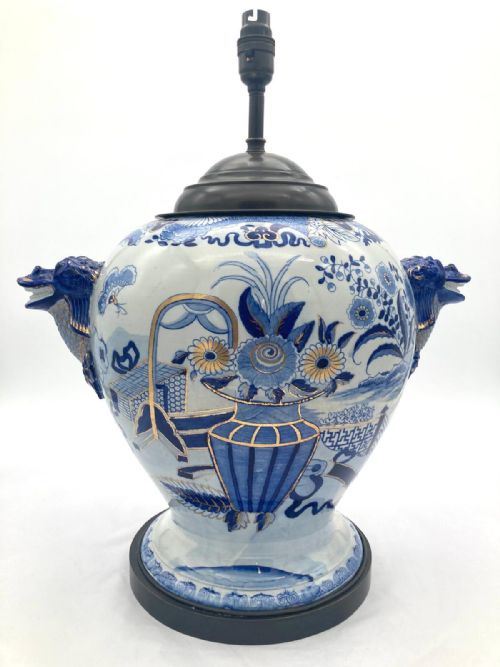
Oriental Table Lamp Base
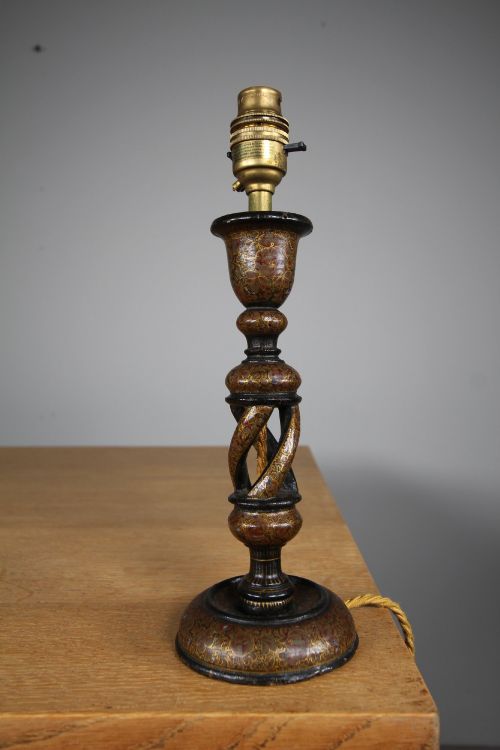
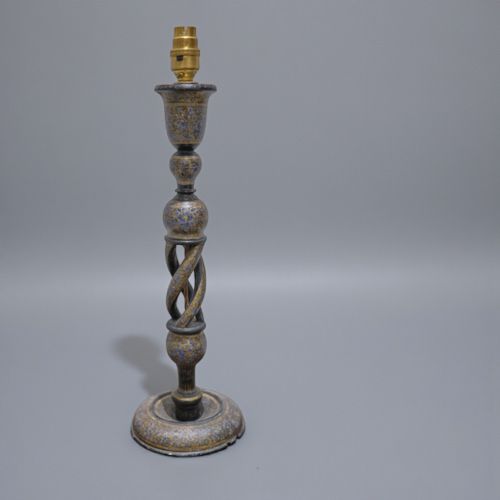
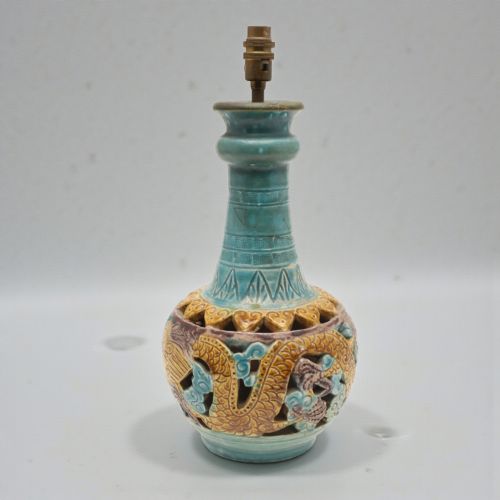
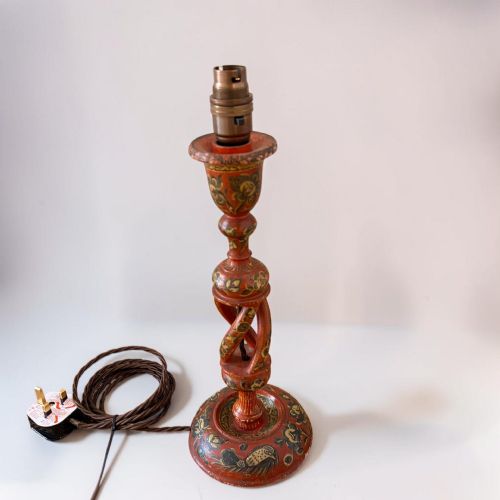
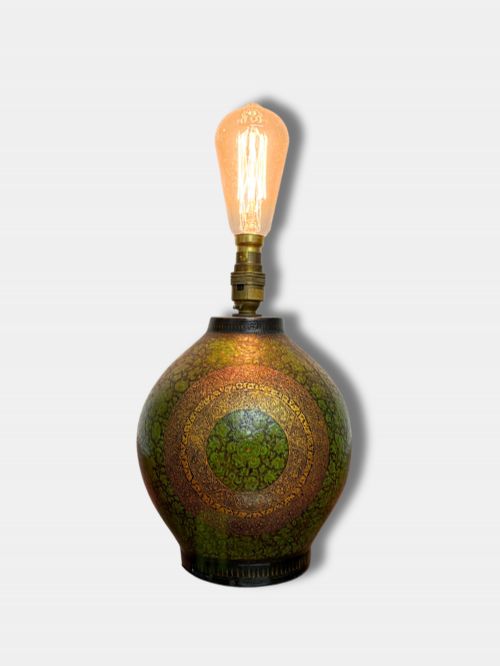
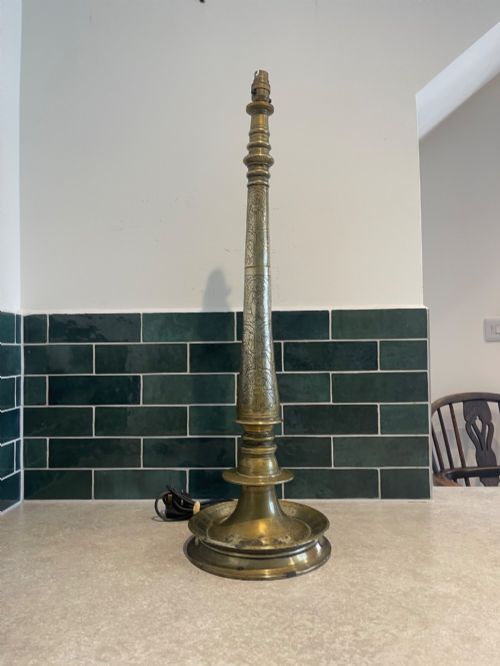
An oriental table lamp base brings decorative ceramic, metal or carved wood from Asia and India into domestic lighting.
Oriental Table Lamp Base
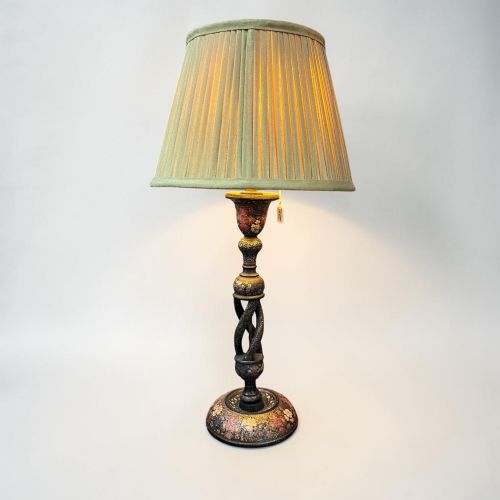
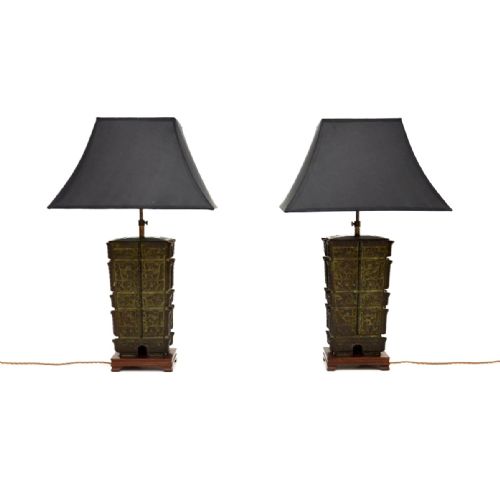
An oriental table lamp base takes historical Asian and Indian vessels, such as ginger jars, vases and carved figures, and adapts them for illumination. The selection spans the nineteenth century through to the nineteen thirties, drawing heavily upon Chinese, Japanese, and Kashmiri craftsmanship.
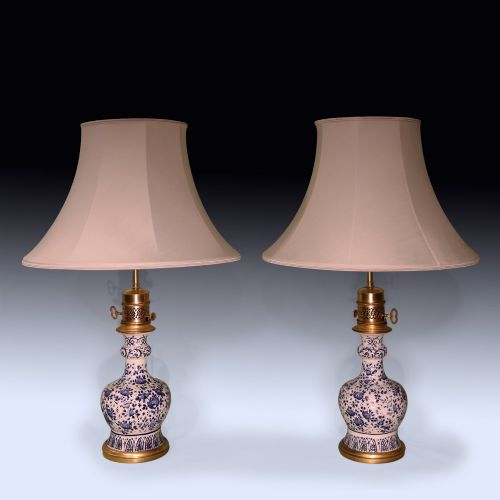
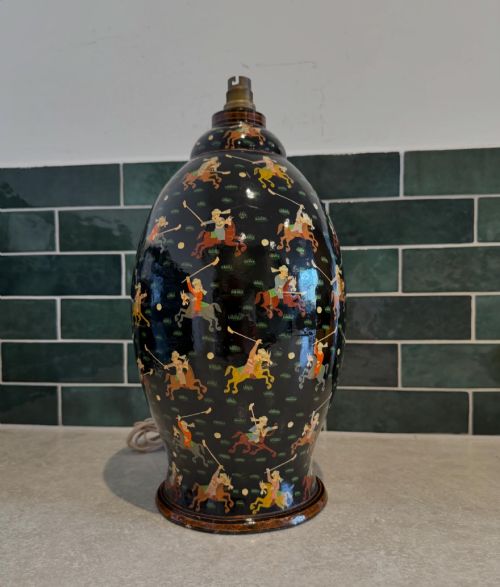
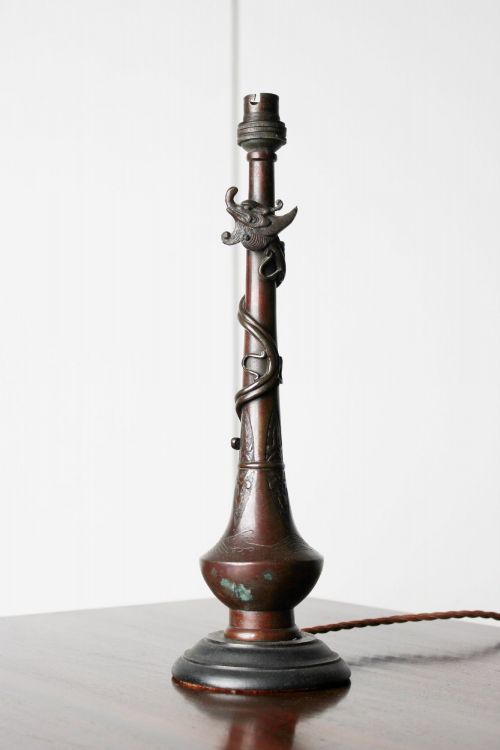
Most examples originate from converted porcelain or bronze vessels, alongside painted papier-mache and carved root wood. Collectors frequently encounter Chinese blue and white porcelain alongside Japanese bronze and brightly decorated Kashmiri pieces.
Materials and construction
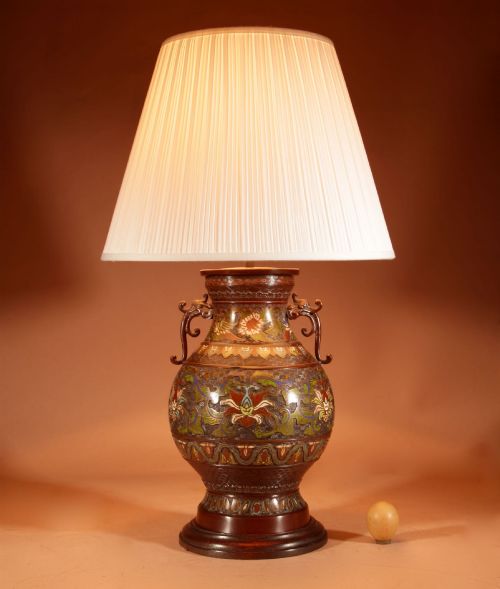
Makers utilised rigid materials including bronze, brass, ironstone, ceramic, and hardwood, frequently mounting vessels on metal bases. Surface decoration relies on hand painting, celadon glazes, cloisonné enamel work, and champlevé detailing.
Organic materials such as silk, fabric, and papier-mache appear in specific regional traditions like Kashmiri work. Carving techniques define wooden items, while ceramics employ traditional glazing and kiln methods.
Oriental Table Lamp Base Retail Price Guide 2026
Typical asking prices for oriental table lamp base among the pieces listed under this phrase on Sellingantiques today, from the lower quarter to the upper quarter. They describe what is for sale here now, not the wider market.
Materials span brass, fabric, porcelain, wood, silk, bronze, enamel, and papier-mache across Victorian, Edwardian, and early twentieth century dates.
Distinguishing quality
Quality rests upon the fineness of the original vessel's manufacture and the sensitivity of its conversion into a lamp. Hand painted details that retain crispness and depth separate superior pieces from simpler painted items.
The integrity of the material, whether heavy cast bronze, crackleware porcelain or dense carved hardwood, governs the physical presence of the object. Mounts executed in ormolu or brass that complement rather than overwhelm the main body indicate superior execution.
The Oriental Table Lamp Base Glossary
- Cloisonné
- Enamelling technique where thin metal wires form raised barriers on a metal surface to contain coloured pastes before firing.
- Champlevé
- Metalworking process where troughs are gouged into a bronze base and filled with enamel colours prior to finishing.
- Famille rose
- Chinese porcelain palette dominated by opaque pink enamel hues introduced during the Qing dynasty.
- Celadon
- Pale green ceramic glaze derived from iron oxide in reduction kilns, mimicking jade.
Oriental Table Lamp Base: Frequently Asked Questions
How do I date an oriental table lamp base?
Dating relies upon identifying the period of the base vessel, which often dates from the nineteenth century or earlier. Stylistic clues within the ceramic decoration or bronze casting provide the primary chronological markers.
Electrical fittings added during conversion generally date from the twentieth century onwards and remain separate from the age of the base itself.
What styles are common in these lamps?
Styles range across Chinoiserie interpretations, Anglo-Indian papier-mache work, and distinct periods such as Meiji or Qing dynasty designs. Each style reflects the regional craft traditions of its origin.
Appreciation depends on recognising whether a piece represents traditional export wares or local decorative arts adapted for Western interiors.
Are these lamps converted from original vases?
Many examples originate as ginger jars, vases, or decorative vessels that were subsequently adapted to hold electrical components. This practice preserves historical ceramics while giving them a functional domestic purpose.
Conversions often respect the original vessel, though mountings and drill holes vary according to the period of adaptation.
How do I care for a bronze or brass lamp base?
Metal surfaces benefit from gentle dusting with a dry cloth to preserve patination and avoid disturbing any applied finishes or lacquers. Abrasive cleaners must be avoided entirely.
Porcelain and cloisonné components require similar caution, using only soft materials to clean glazed or enamelled areas.