



Barley Twist Lamp Base
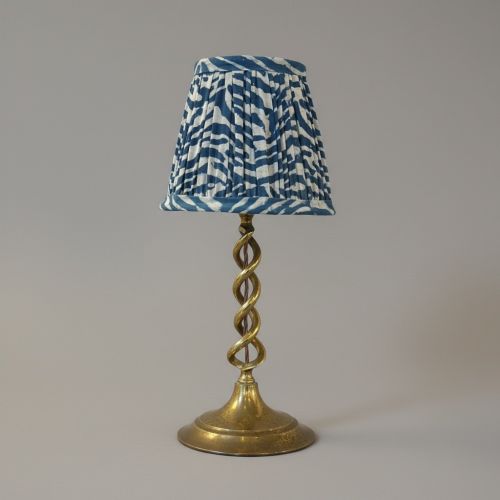
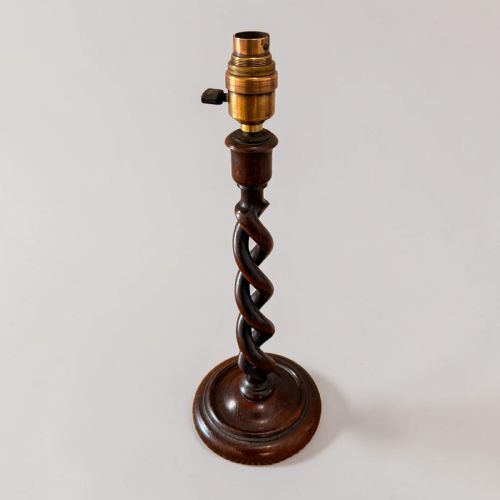
A barley twist lamp base brings architectural rhythm and rich texture into a room, offering a sculptural silhouette that commands attention.
Barley Twist Lamp Base
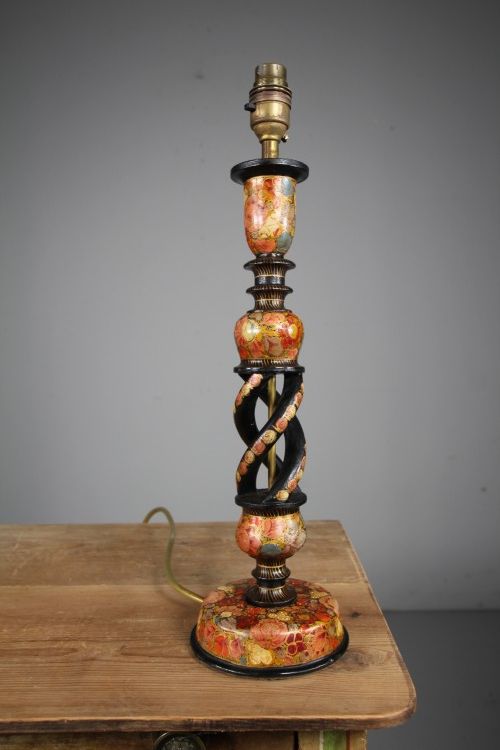
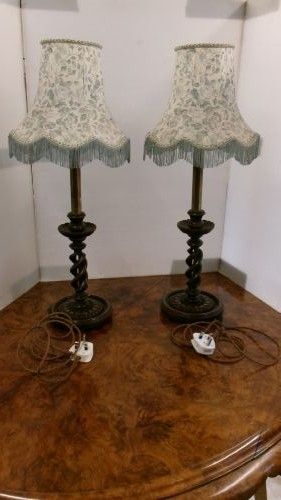
A barley twist lamp base presents a distinct helical carved column that catches the light across its spiralling facets. When seeking a barley twist lamp base, you encounter objects spanning the Victorian era, the Edwardian period, and the nineteen-twenties.
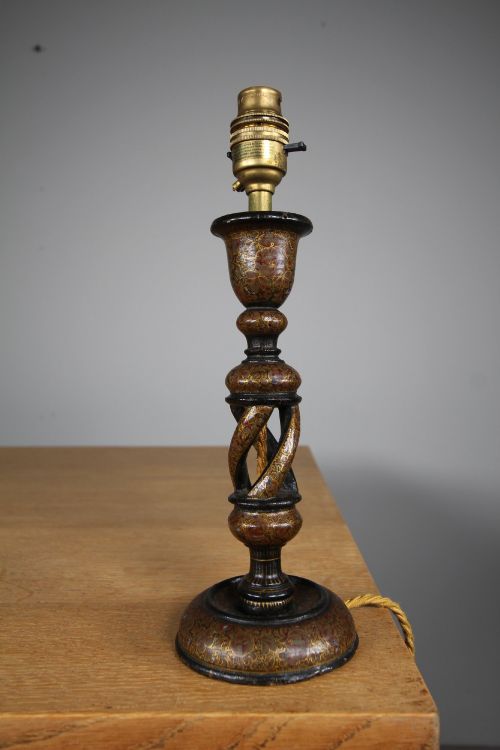
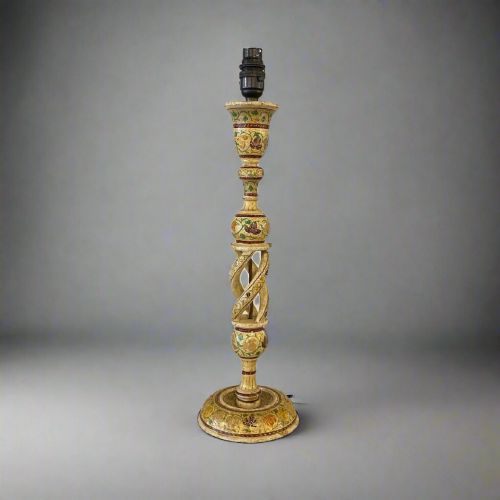
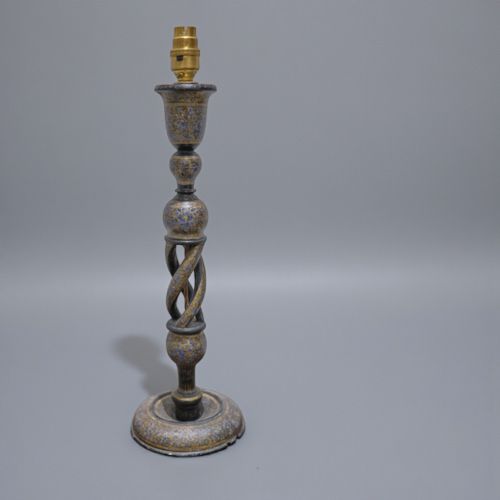
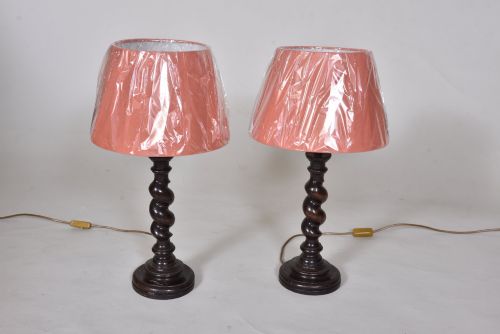
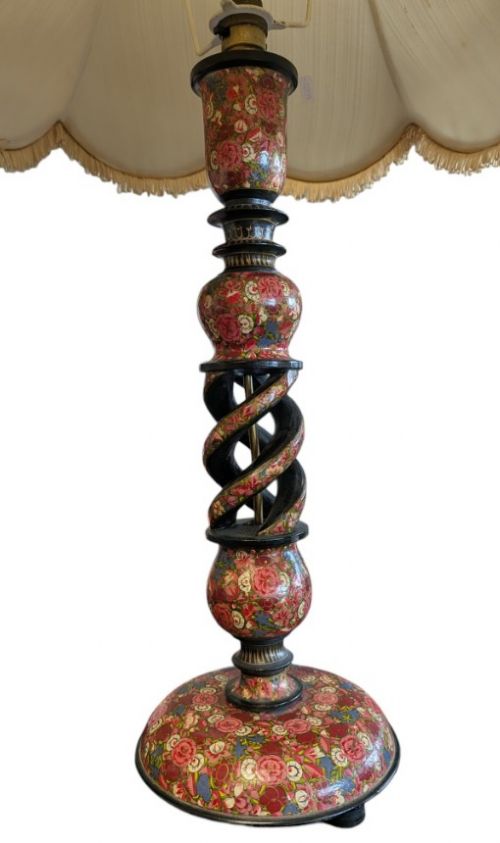
The inventory on this page ranges from compact table lamps to substantial floor-standing standard lamps. Forms include turned wood, brass, and hand-painted Kashmiri surfaces, alongside rarer variants like papier-mache and chrome.
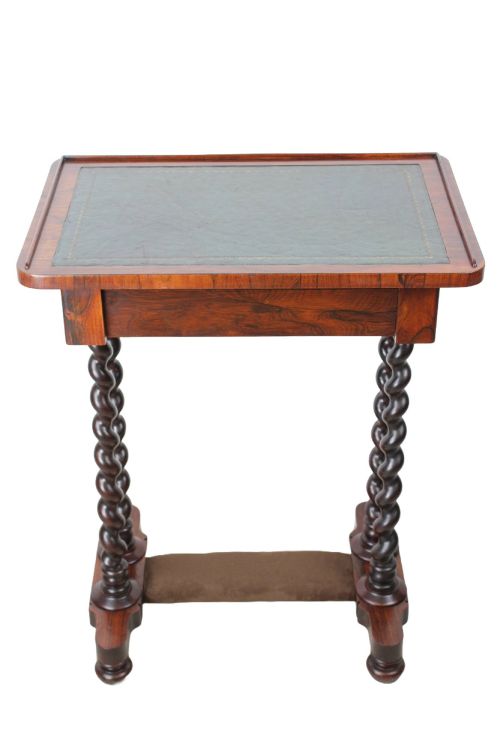
Stylistic influences vary significantly, taking in Jacobean Revival mass, Anglo-Indian lacquerwork, and the clean lines of Art Deco. Table lamps and standard lamps dominate the selection, occasionally accompanied by related items such as side tables.
Materials and construction
Makers shaped timber like mahogany, oak, and rosewood using lathe-turning techniques to achieve the characteristic helical form. These wooden columns reveal the natural grain beneath clear finishes or provide a smooth substrate for intricate lacquered and hand-painted decoration.
Metal versions utilise brass and chrome, cast and shaped to create twisted uprights with a brighter industrial presence. Fabric shades frequently complete the construction, paired with internal wiring updates to suit modern interior standards.
Barley Twist Lamp Base Retail Price Guide 2026
Typical asking prices for barley twist lamp base among the pieces listed under this phrase on Sellingantiques today, from the lower quarter to the upper quarter. They describe what is for sale here now, not the wider market.
Design styles span Anglo-Indian, Regency, Jacobean Revival, English Country, and Art Deco across table and floor lamp formats.
Assessing quality and character
The definition and depth of the twist dictate the visual impact of the piece, with crisper carving showing greater hand labour. Smoother turns on sturdy timber or evenly cast metal demonstrate higher craftsmanship compared to softer, more uniform machine profiles.
Surface preservation separates standard examples from exceptional ones, particularly on hand-painted Kashmiri items where the integrity of the original pigment matters. The choice of material, from rich rosewood to heavy brass, influences the physical presence and stability of the lamp.
The Barley Twist Lamp Base Glossary
- Barley twist
- A spiralling carved column resembling a stalk of barley, popular in furniture and lighting design across multiple centuries. It adds vertical movement and traditional texture to an interior.
- Standard lamp
- A tall floor-standing lighting fixture designed to illuminate a room from standing height rather than resting on furniture. These pieces often feature heavier bases to support their extended reach.
- Lacquer
- A durable resin finish applied in multiple coats and often polished to a smooth, lustrous sheen. It frequently appears on imported or Anglo-Indian decorative objects.
- Regency
- A British design period spanning the early nineteenth century characterised by classical restraint and exotic influences. Pieces from this era often employ fine timbers like rosewood.
- Jacobean Revival
- A nineteenth-century style drawing heavily on seventeenth-century motifs, favouring heavy oak, robust turnings, and dark finishes. It creates a solid, historical aesthetic.
Barley Twist Lamp Base: Frequently Asked Questions
How do I date a twist lamp?
Dating relies on examining the timber species, the sharpness of the hand-turned or cast details, and the overall style indicators. Victorian and Edwardian examples often display heavier timbers and traditional joinery.
Later pieces from the nineteen-twenties introduce alternative materials like chrome and distinct surface ornamentation such as Kashmiri hand-painting. Comparing the wiring remnants and underlying construction methods helps confirm the era.
Are standard lamps stable?
Floor-standing standard lamps are engineered with substantial weighted bases or wide footprints to prevent tipping. The choice of dense hardwoods like oak or heavy metals like brass contributes to their overall balance.
When positioning them on carpets or uneven floors, ensuring a level surface maintains their upright security. The height of the lamp requires careful pairing with a balanced shade to keep the centre of gravity low.
What is Kashmiri lacquerwork?
Kashmiri decoration involves applying intricate hand-painted motifs and protective varnishes onto wooden objects. This tradition results in richly coloured, patterned surfaces that reflect distinct regional artistry.
These pieces often feature floral or figurative designs executed in bright pigments over a prepared base. Caring for them involves avoiding excessive moisture and direct sunlight to preserve the painted layer.
Can these lamps be rewired?
Most antique lamps can be updated with modern electrical wiring to meet current safety standards. Rewiring preserves the historical base while ensuring the internal cord and bulb holder function reliably.
Professional electricians can thread new cables through the twist channel without damaging the surrounding material. This allows vintage lighting to be used safely in contemporary homes.