

Oriental Stone Carving
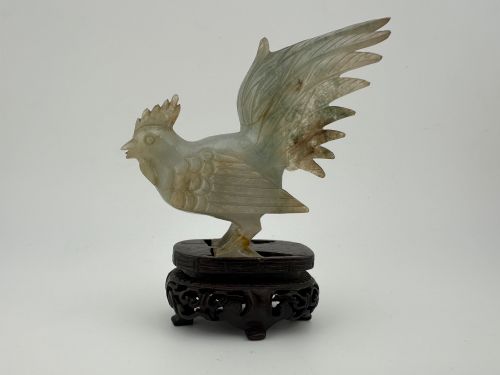
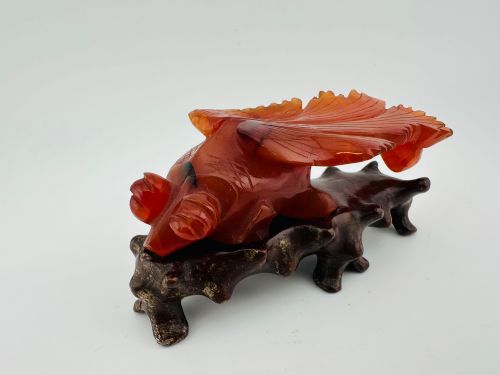
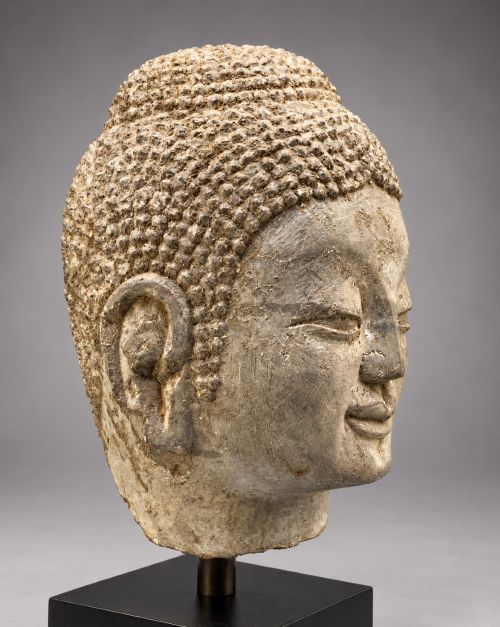
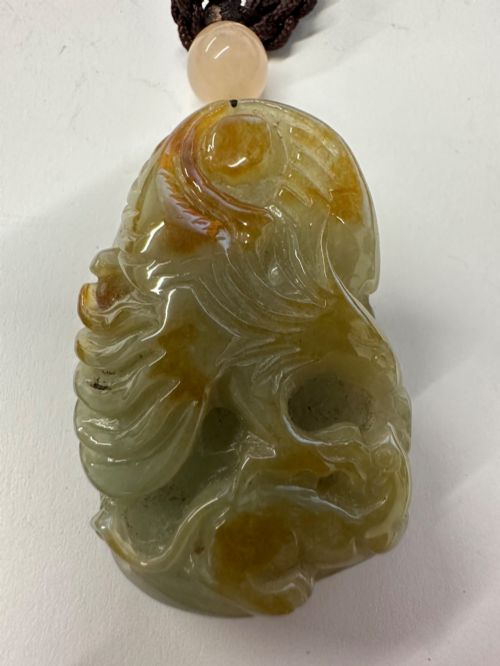
These centuries-old pieces of oriental stone carving bring tactile depth to a room through mineral forms shaped by hand.
Oriental Stone Carving
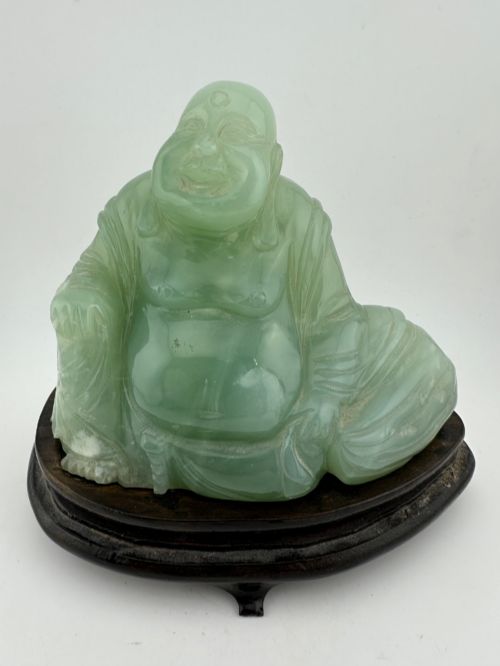
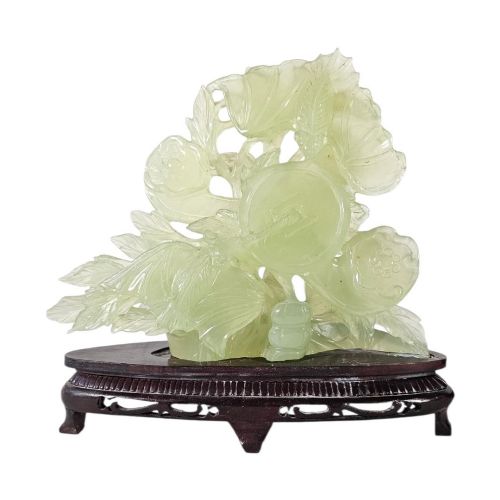
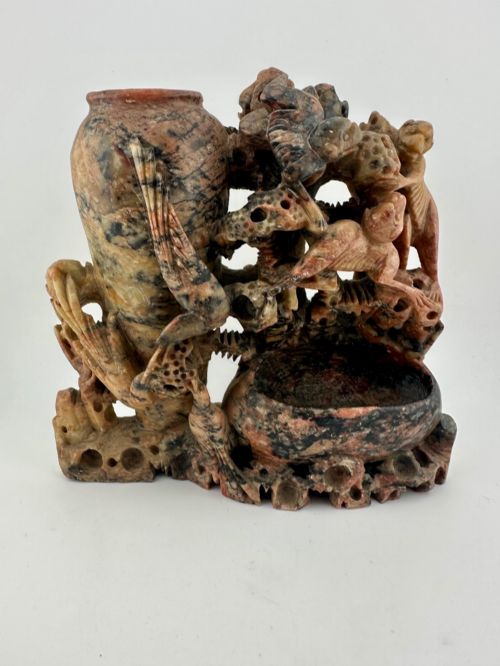
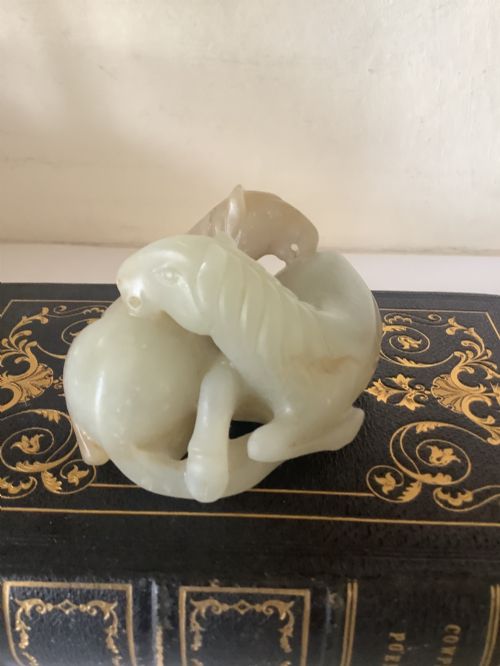
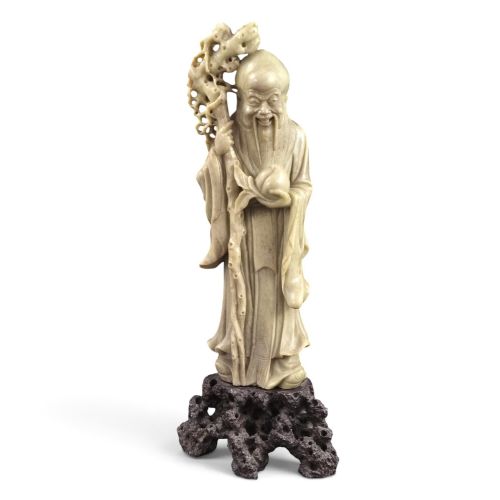
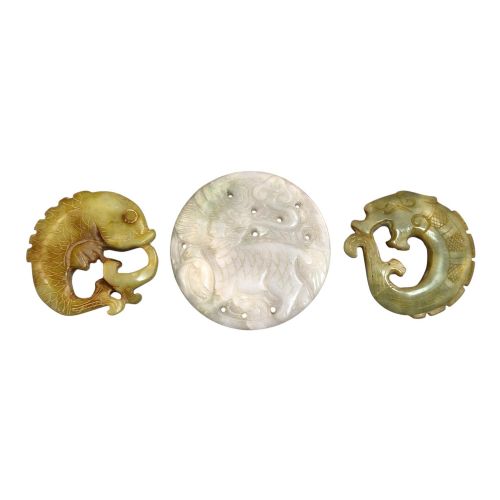
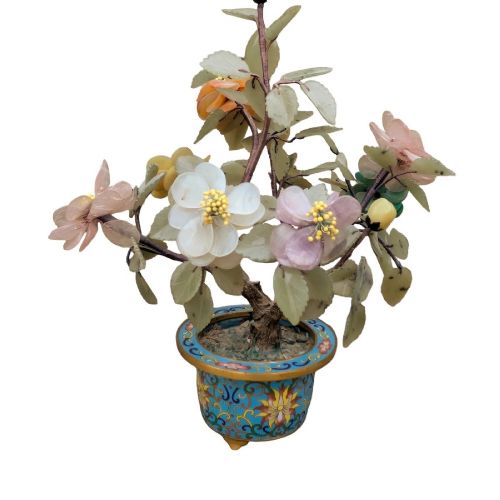
An oriental stone carving encompasses figurative sculptures, scholarly desk accessories and architectural fragments created in East and South East Asia. Buyers searching for oriental stone carving most frequently encounter soapstone brush washers, jade plaques, hardstone bonsai trees and marble Buddha heads dating from the nineteenth and early twentieth centuries. Forms range from miniature animal groups and snuff bottles to monumental temple figures resting on hardwood stands.
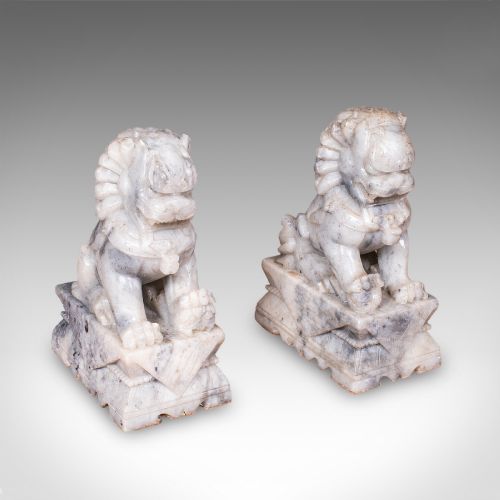
The objects reflect traditional Chinese motifs, including dragons, mythical dogs of fo, scholarly figures and natural landscapes. Many pieces serve a dual purpose of utility and contemplation, such as carved seals for stamping ink or brush pots designed for a scholar's desk. Others are purely decorative, including framed stone pictures and freestanding animal sculptures.
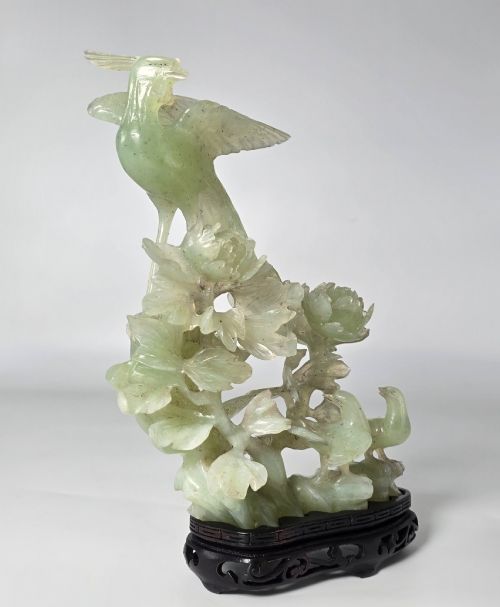
Materials span from relatively soft soapstone and limestone to dense nephrite, jadeite, bowenite and agate. Pieces often incorporate mixed media, pairing carved mineral elements with hardwood bases, cloisonné containers or gold leaf details. The stylistic vocabulary draws heavily from Qing Dynasty traditions and later export aesthetics.
Materials and methods
Artisans carved soapstone, jade, hardstone and marble using abrasive cutting tools, hand drills and polishing agents applied over long periods. The natural inclusions, veining and colour variations within each stone dictated the final composition of the carving. Sculptors worked with the grain and layers of the mineral to create depth in landscape panels or relief on seal bases.
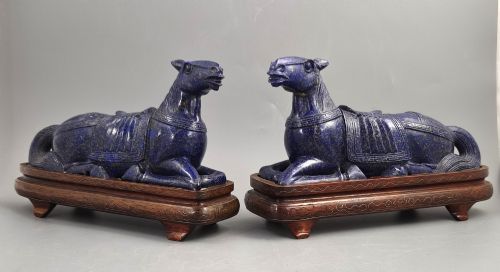
Hardwood stands and mounts accompanied many table sculptures, turned and fitted to cradle irregular mineral bottoms precisely. In composite works such as bonsai trees, carved hardstone petals and leaves were wired onto metal branches secured within cloisonné jardinières. Incense burners and puzzle cups utilised hollow-boring techniques requiring steady control to prevent fracture.
Oriental Stone Carving Retail Price Guide 2026
Typical asking prices for oriental stone carving among the pieces listed under this phrase on Sellingantiques today, from the lower quarter to the upper quarter. They describe what is for sale here now, not the wider market.
A stone camel carrying a rider shares shelf space with miniature puzzle cups and jade fish.
Factors of quality
Quality rests upon the harmony between the natural characteristics of the raw mineral and the ambition of the lapidary work. Superior carvings exhibit crisp undercutting, confident relief work and a considered use of stone coloration to define details like foliage or animal markings. Weaker examples show mechanical stiffness, muddy stone selection or indifference to natural flaws.
The relationship between the carving and its mount dictates the integrity of the piece. Top-tier scholarly objects retain their original fitted hardwood stands and show no clumsy repairs to delicate extremities like tails or branches. The tactile finish of the stone, whether polished to a glassy sheen or left with a waxy soapstone lustre, separates careful workshop production from hasty output.
The Oriental Stone Carving Glossary
- Soapstone
- A talc-schist mineral easily worked by hand tools. Its softness allowed carvers to produce intricate figures and scholar's objects with deep undercut details.
- Nephrite
- A tough, dense amphibole mineral belonging to the jade family. It resists fracturing, making it suitable for thin-walled vessels and archaistic cups.
- Dog of Fo
- A mythical guardian lion depicted seated with a paw on a brocade ball. These figures commonly appear as desk seals, bookends and temple guards.
- Fangu
- An imitation of ancient archaic forms. Carvings in this style reference early ritual bronzes or jades through specific decorative motifs.
Oriental Stone Carving: Frequently Asked Questions
How do I clean soapstone carvings safely?
Soapstone is a soft mineral that absorbs oils and reacts poorly to harsh chemical solvents. Dust the surface gently with a dry, soft-bristled brush to clear crevices without scratching.
For stubborn marks, wipe lightly with a damp cloth and dry immediately with a clean cotton towel. Avoid submerging soapstone pieces in water, particularly if they are mounted on untreated wood.
What is a brush washer used for?
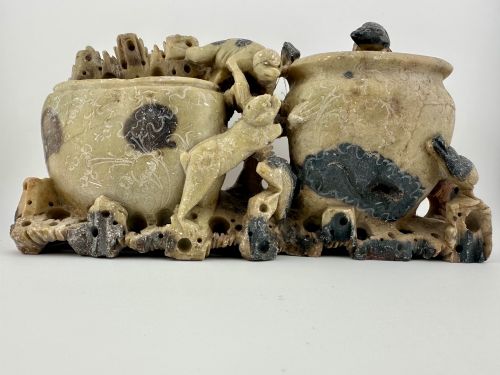
Scholars utilised brush washers on traditional writing desks to clean ink residue from calligraphy brushes. These vessels were carved from soapstone or jade with shallow bowls designed to hold water safely.
Many examples feature surrounding figures, landscape carvings or animal groups that served as decorative paperweights when not in active use.
How do I tell jade from other hardstones?
True jade, encompassing nephrite and jadeite, possesses an exceptionally dense fibrous structure that resists scratching by steel. It feels cool to the touch and has a distinct greasy or waxy lustre when polished.
Other hardstones like serpentine or quartz often display crystalline sparkle or internal air bubbles under magnification that differentiate them from genuine jade.
Can I display these sculptures in direct sunlight?
Prolonged exposure to direct sunlight can fade dyed stones, dry out historic hardwood stands and alter the surface finish of delicate soapstone. Position your carvings away from south-facing windows and heat sources.
Stable indoor humidity prevents organic elements like wood and lacquer from cracking while protecting the mineral structure from thermal shock.