




Oriental Stacking Tables
Oriental stacking tables deliver clever graduated design through nested sets built for versatile placement in period rooms.
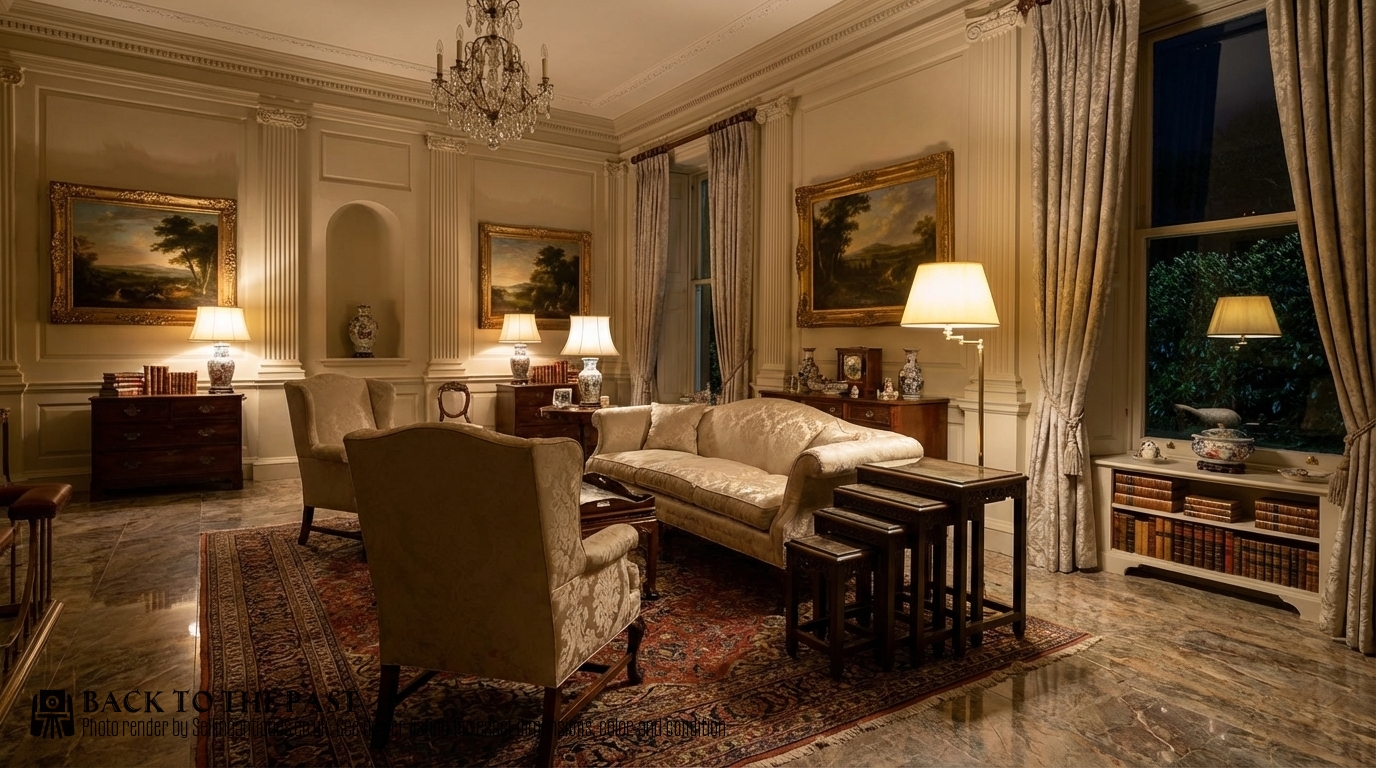
Oriental Stacking Tables
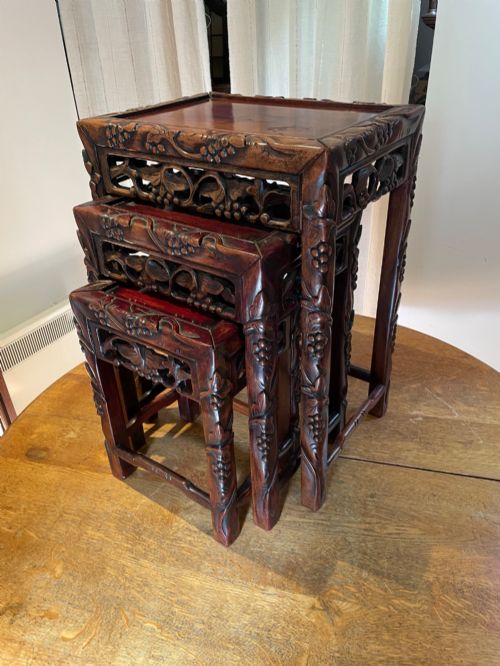
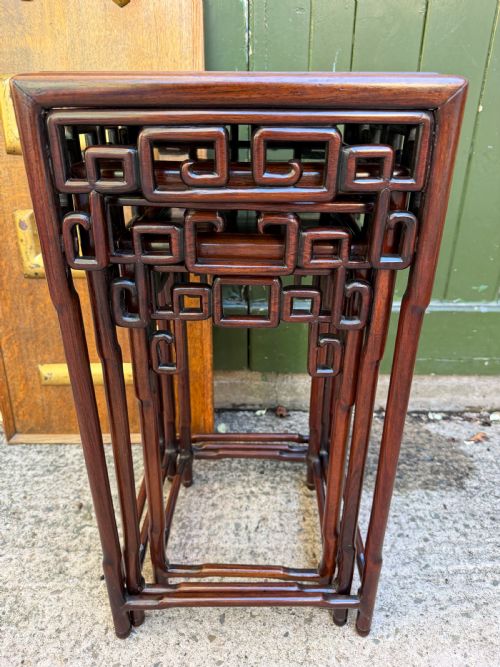
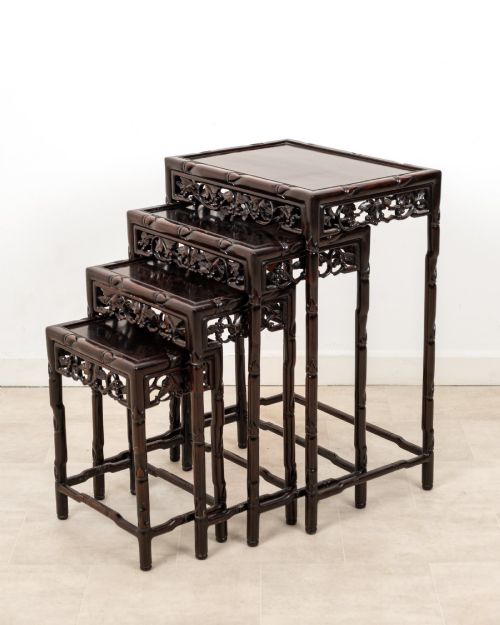
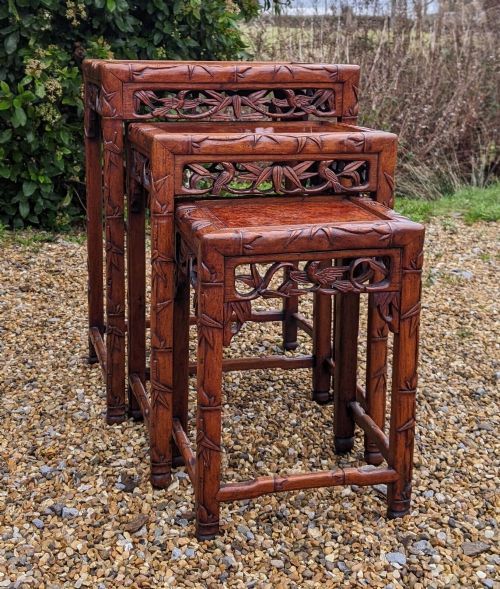
Oriental stacking tables comprise sets of three or four graduated pieces designed to nest neatly beneath one another when floor space is required. When you search for oriental stacking tables, you encounter nests formed from dense timbers or finished with decorative surfaces.
The pieces emerge primarily from the nineteenth century, nineteen hundred, nineteen ten, nineteen twenty, and the Edwardian era. Forms range from coffee tables to occasional tables, all sharing the distinctive graduated property where smaller tables slide into the frame of the larger ones.
Origins span Chinese export workshops, Qing Dynasty outputs, and Chinoiserie interpretations. Sets typically arrive in formations of three or four, offering adaptable surfaces for daily use.
How they were made
Constructors utilised hardwoods such as rosewood, teak, huanghuali wood, and Hongmu. These heavy timbers provided the structural integrity needed to support the tight tolerances required for tables sliding sequentially into each other.
Surfaces received elaborate finishes including black lacquer, gold leaf, gilding, and Boulle-work. Carvers applied detailed relief work to frames and tops, while export workshops tailored specific decorative vocabularies for Western markets.
Oriental Stacking Tables Retail Price Guide 2026
Typical asking prices for oriental stacking tables among the pieces listed under this phrase on Sellingantiques today, from the lower quarter to the upper quarter. They describe what is for sale here now, not the wider market.
Current listings span the nineteenth century up to nineteen twenty, featuring both hardwood and lacquered finishes.
What varies in quality
Quality rests in the density of the hardwood and the precision of the joinery that allows each table to slide smoothly into position. Superior examples maintain structural rigidity across all four tiers without excessive looseness in the joints.
The refinement of the surface decoration dictates distinction at the upper end. Hand-applied lacquer, crisp carving, and well-preserved gold leaf separate standard export pieces from finer workshop productions.
The Oriental Stacking Tables Glossary
- Nesting tables
- A set of graduated tables designed to fit one beneath another to save space. They appear frequently in nineteenth-century and Edwardian interiors.
- Chinoiserie
- European theatrical interpretation of Chinese artistic motifs and techniques. Artisans applied these designs to lacquered occasional furniture.
- Hongmu
- A category of dense dark Chinese hardwoods translated literally as red wood. It forms sturdy frames for traditional tables.
- Quartetto
- A traditional nineteenth-century term describing a set of four small occasional tables designed to nest together. They serve tea or display objects.
Oriental Stacking Tables: Frequently Asked Questions
How do you use oriental stacking tables?
These pieces slide apart to provide extra surface space for drinks or books when entertaining guests. Once finished, they stack back into a single compact footprint.
Their graduated size allows them to sit neatly against a wall or beside a chair without dominating the room.
What woods were used for these tables?
Carpenters built these sets using dense oriental hardwoods such as rosewood, teak, and huanghuali wood. These timbers provided the necessary weight and durability.
Some examples also feature applied lacquer surfaces over a wooden carcase, decorated with gold leaf or carving.
How do I date a nest of tables?
Dating relies on observing construction methods, timber choice, and decorative style alongside period markers like Edwardian or nineteenth-century traits. Export records and lacquer techniques further narrow the decade of production.
Comparing the depth of the carved relief and the formulation of the black lacquer provides additional chronological context.
Are all sets made of four tables?
While sets of four tables appear most frequently, some configurations consist of three pieces. The number relates to the original design specified by the workshop.
Graduation remains consistent whether the set comprises three or four tiers.