


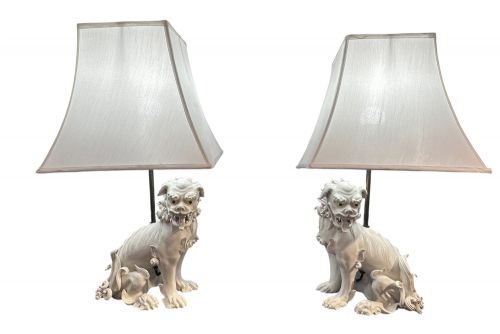


Oriental Porcelain Lamps
Oriental porcelain lamps bring hand-painted colour and sculptural weight to a room, turning antique export vessels into functional lighting.
What oriental porcelain lamps are
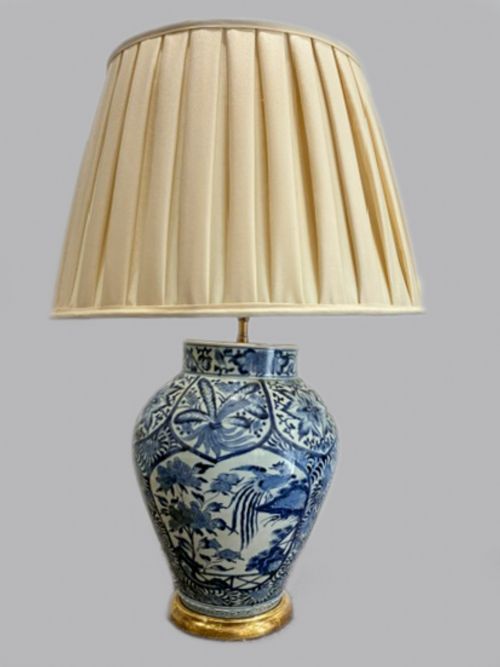
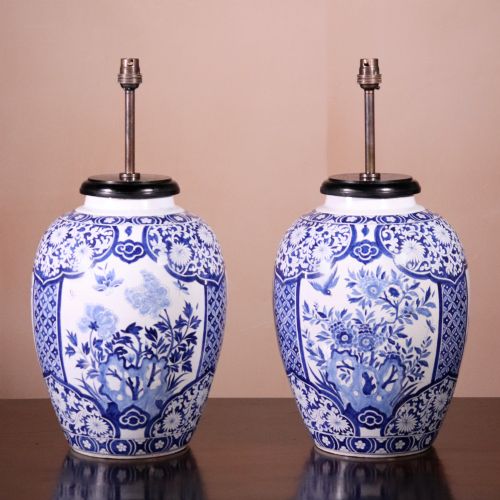
Oriental porcelain lamps are decorative table lighting created from converted antique vessels, chiefly Chinese and Japanese vases mounted with wiring and often paired with fabric shades. Buyers searching for oriental porcelain lamps look for decorative pairs that retain their original hand-painted surfaces while serving as functional interior lighting.
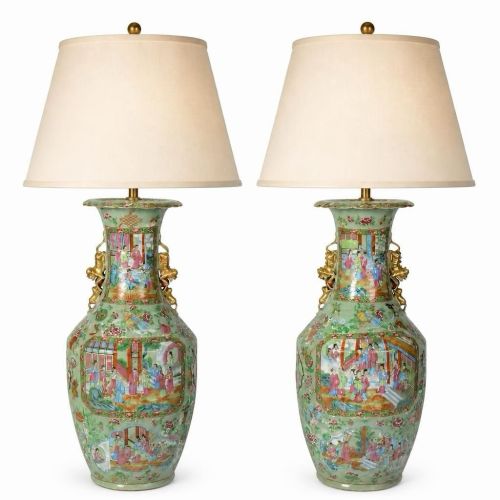
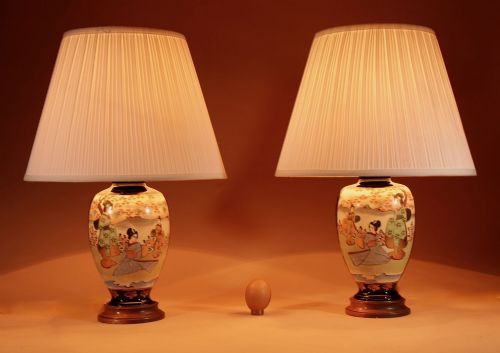
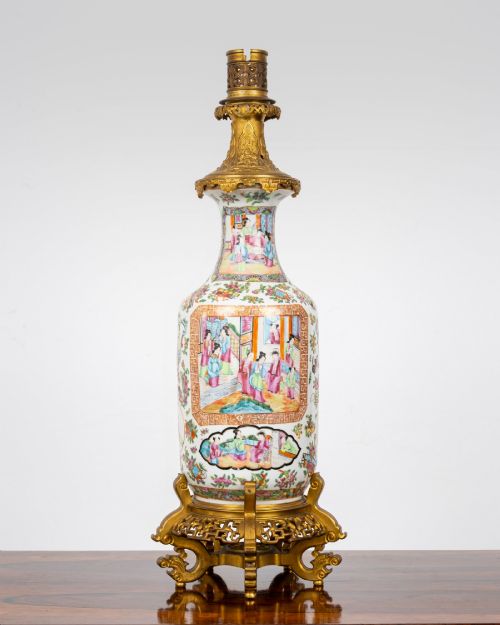
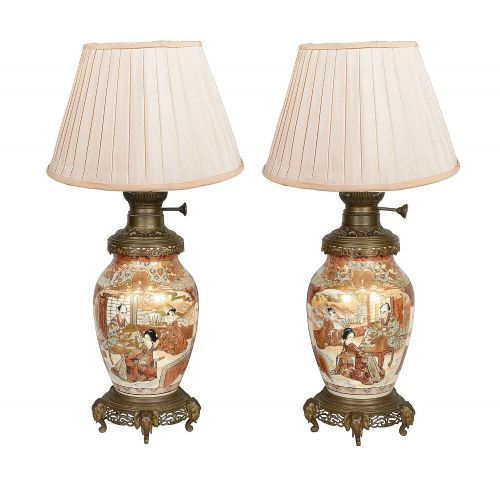
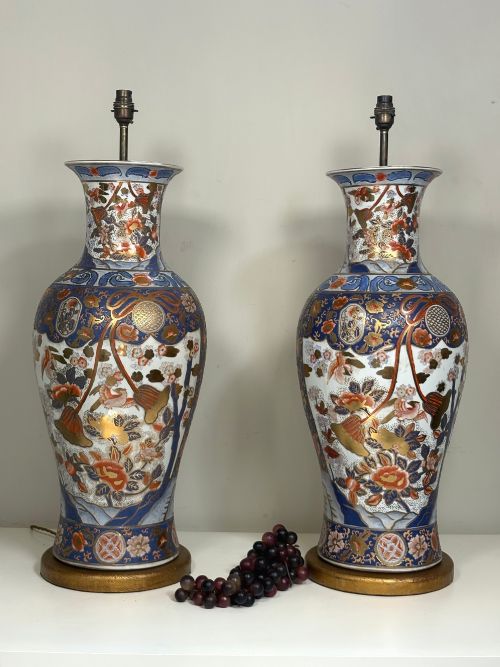
The pieces on this page span the nineteenth century up to the nineteen-twenties, incorporating Chinese Export and Japanese Meiji aesthetics. You encounter forms such as Japanese Satsuma, Imari, Cantonese, and Rose Medallion vases adapted into substantial table lamps.
How they were made
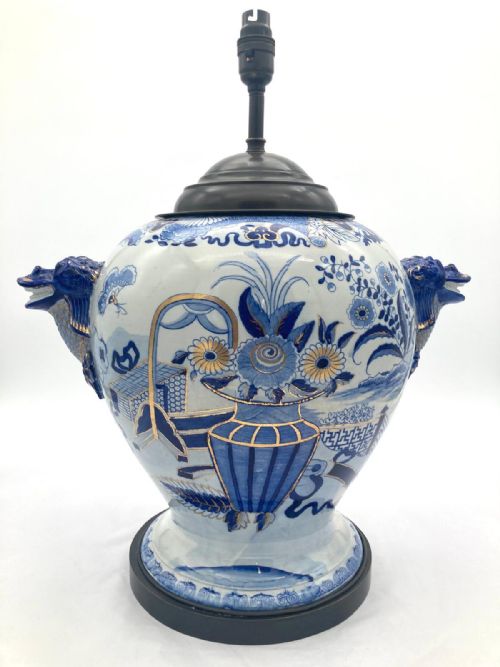
These lamps rely on porcelain or earthenware bodies shaped into vases, then hand-painted with intricate enamel decoration often heightened with gilt. The ceramic vessels are subsequently fitted with brass and wood mounts to secure electrical workings and support fabric shades.
Makers utilised traditional throwing and glazing techniques native to Chinese and Japanese kilns before later workshops drilled or mounted the vessels for electrical conversion. The combination of ceramic, enamel, brass, and wood creates a layered object where East Asian craftsmanship meets early twentieth-century adaptation.
Retail Price Guide 2026
Typical UK retail prices for oriental porcelain lamps, calculated from the Sellingantiques database of over a million retail prices indexed since 2003. This retail price guide relies exclusively on Sellingantiques data; no external sources or auction records are used, so the figures do not describe the wider market.
The inventory records Chinese Export and Japanese Meiji styles, alongside Imari and Cantonese ceramic forms.
What varies in quality
Quality rests primarily in the crispness and complexity of the hand-painted enamel and the preservation of the gilt detailing across the porcelain surface. Finer examples display meticulous brushwork and balanced compositions that remain striking whether the lamp is lit or unlit.
The supporting mounts also dictate the standard of the piece, with solid brass and turned wood fittings sitting comfortably beside the antique ceramic body. Superior lamps integrate the conversion hardware harmoniously without compromising the integrity of the original vase.
The Oriental Porcelain Lamps Glossary
- Satsuma
- A type of Japanese earthenware featuring a ivory-coloured, crackled glaze decorated with polychrome enamels and gold. It became particularly popular for export during the Meiji period.
- Imari
- A traditional style of Japanese porcelain characterised by a distinct palette of underglaze blue, iron red, and gold. The designs are typically dense and decorative.
- Canton
- A style of Chinese export porcelain decorated in vibrant enamel colours, often featuring panels of figures surrounded by floral and bird motifs. These are frequently found converted into large table lamps.
- Japonisme
- A late nineteenth-century Western artistic movement influenced by Japanese art and design. This aesthetic shaped the way European interiors valued imported East Asian objects.
- Gilt
- Gold applied to the surface of porcelain or metal mounts for decoration. It catches the light and frames the painted scenes.
Frequently Asked Questions
Are these lamps converted from old vases?
Yes, the majority of these pieces started life as decorative vases before being adapted into functional table lamps with electrical fittings. The process respects the antique ceramic body while updating it for modern interiors.
This conversion allows historical export wares to find a practical place in contemporary rooms without losing their decorative identity.
How do I date a Japanese Satsuma lamp?
Dating relies on the style of the enamel work, the crackle of the glaze, and the specific characteristics of the earthenware body. Pieces from the Meiji period exhibit high levels of hand-painted detail.
Examining the base and the mounting hardware provides further clues regarding when the vase was made and when it received its electrical conversion.
What is Chinese Rose Medallion porcelain?
Rose Medallion is a distinct Cantonese export style featuring panels filled with figures, birds, and flowers, centred around a medallion motif. The dominant palette relies heavily on rose pink enamel.
When mounted as lamps, these colourful vases bring a strong focal point and rich narrative detail to a tabletop.
Do oriental porcelain lamps come in pairs?
Many of the lamps available are assembled as matched pairs, making them suitable for placing on either side of a sideboard or mantelpiece. Finding matching antique vessels converted together is a key consideration for symmetry in interior styling.
Single lamps also appear, offering a striking accent piece for smaller spaces or reading corners.